Hackers Hold Russian Car Owners to Ransom

Graham Cluley · Medium sophistication
Last updated November 12, 2026

Criminals reportedly took over app accounts for Li Auto vehicles in Russia, remotely disabling features and then calling owners to demand payment for the return of their digital car key. The scam relies on control of the phone-number-linked app account rather than breaking into the vehicle directly, leaving victims unable to access or reactivate their cars.

Key findings

  • Attackers reportedly take over Li Auto app accounts that function as a vehicle's digital key.
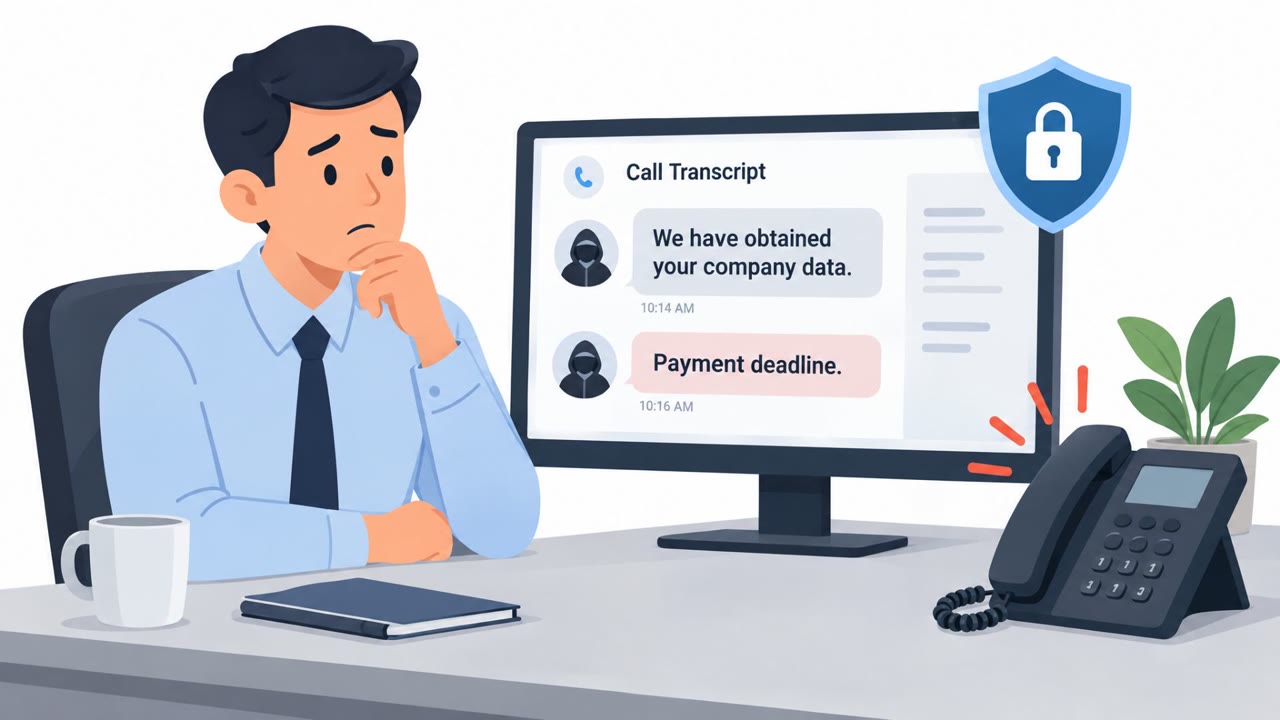
  • Victims see a dark dashboard and a QR-code-based reactivation message, then receive a call from someone claiming to control the digital key.
  • The callers reportedly demand 45,000 rubles, approximately $550, to return access to the car.
  • Earlier incidents reportedly included attackers remotely opening windows and doors and starting engines.
  • The accounts are linked to Chinese phone numbers, including numbers rented online by owners of grey-imported vehicles.
  • The exact account-compromise method is unknown; one theory is that attackers use vehicle identification numbers from leaked insurance documents or databases.

Who’s being targeted

  • Commonly targeted roles: Connected-vehicle owners, Fleet managers, Automotive dealership staff, Customer support teams.
  • Affected industries: Motor vehicle manufacturing, Automotive dealerships, Vehicle owners and consumers.
  • Attack channels: vishing.
  • Impersonated: Unidentified person claiming to control the victim's Li Auto digital key.

Awareness takeaways

  • Do not pay an unsolicited caller who claims they can restore access to a vehicle or other digital asset; contact the manufacturer, dealer, or police through independently verified channels.
  • Treat the phone number and account tied to a connected vehicle as a high-value digital key, and keep control of it rather than relying on intermediaries.
  • Preserve evidence of extortion messages and vehicle display warnings before seeking help.

Red flags to watch for

  • An unsolicited caller claims control of a critical asset.
  • The caller demands payment to restore access.
  • There is no independent verification that payment will restore access.
Try Mirage

Mirage safely runs attacks like this one against your own team, so you find out what happens before a real adversary does.

Get a demo
Read the video transcript

Your Li Auto dashboard goes dark. A QR code says reactivate. Ten minutes later, a caller says, ‘I've got your digital key. Want it back?’ The price: 45,000 rubles. Here's the twist: they reportedly took over the phone-number-linked app account, not the car. Paying that stranger doesn't guarantee your key returns. Don't pay. Contact Li Auto or your dealer using a number you find yourself.

MITRE ATT&CK techniques

Categories

Similar attacks

Ransomware Crew Uses Vishing to Pressure Victims

Ransomware Crew Uses Vishing to Pressure Victims

Researchers uncovered an AI-assisted ransomware operation linked to affiliates of INC and The Gentlemen. After breaking into organizations through exposed remote-access systems, the group stole sensitive files and used scripted phone calls, proof samples, and threats to contact customers or…

October 23, 2026
Ransomware Crew’s Extortion Playbook Exposed

Ransomware Crew’s Extortion Playbook Exposed

Researchers uncovered exposed infrastructure allegedly used by affiliates of INC Ransomware and The Gentlemen Ransomware. Alongside device exploits and ransomware tooling, the records describe a practical extortion workflow: direct emails to owners or executives, followed by voice calls, pressure…

October 20, 2026
AI Pet Photos Used in Ransom Scam

AI Pet Photos Used in Ransom Scam

Scammers are targeting people who post missing-pet appeals online, sending AI-generated images that make it appear they have found the animal. They demand a reward or emergency veterinary payment and may threaten to sell or harm the pet unless the owner pays immediately. The scam uses emotional…

November 5, 2026
Familiar Brands Fuel Account Takeover Scams

Familiar Brands Fuel Account Takeover Scams

TransUnion reports that criminals are using trusted brands and compromised customer information to trick people into sharing details, one-time passcodes, or access to their accounts. The scams exploit normal-looking security requests and can lead to account takeovers, redirected payments, and…

October 26, 2026
FTC: “Sextortion Help” Firms Ran Fear-Based Scam

FTC: “Sextortion Help” Firms Ran Fear-Based Scam

The FTC sued Dmitry Belkin and multiple companies accused of exploiting sextortion and romance-scam victims through deceptive websites and telemarketing. The complaint says the businesses promised to stop attacks and work with law enforcement, but instead used fear tactics, fabricated “evidence,”…

October 13, 2026
ShinyHunters Used Phone Pretexts to Bypass MFA

ShinyHunters Used Phone Pretexts to Bypass MFA

A Register podcast transcript describes real-world activity linked to the ShinyHunters cyber extortion crew, including an FBI-related breach and subsequent arrests. It also notes the group’s reliance on social engineering phone calls where attackers impersonate locked-out contractors or employees…

October 12, 2026