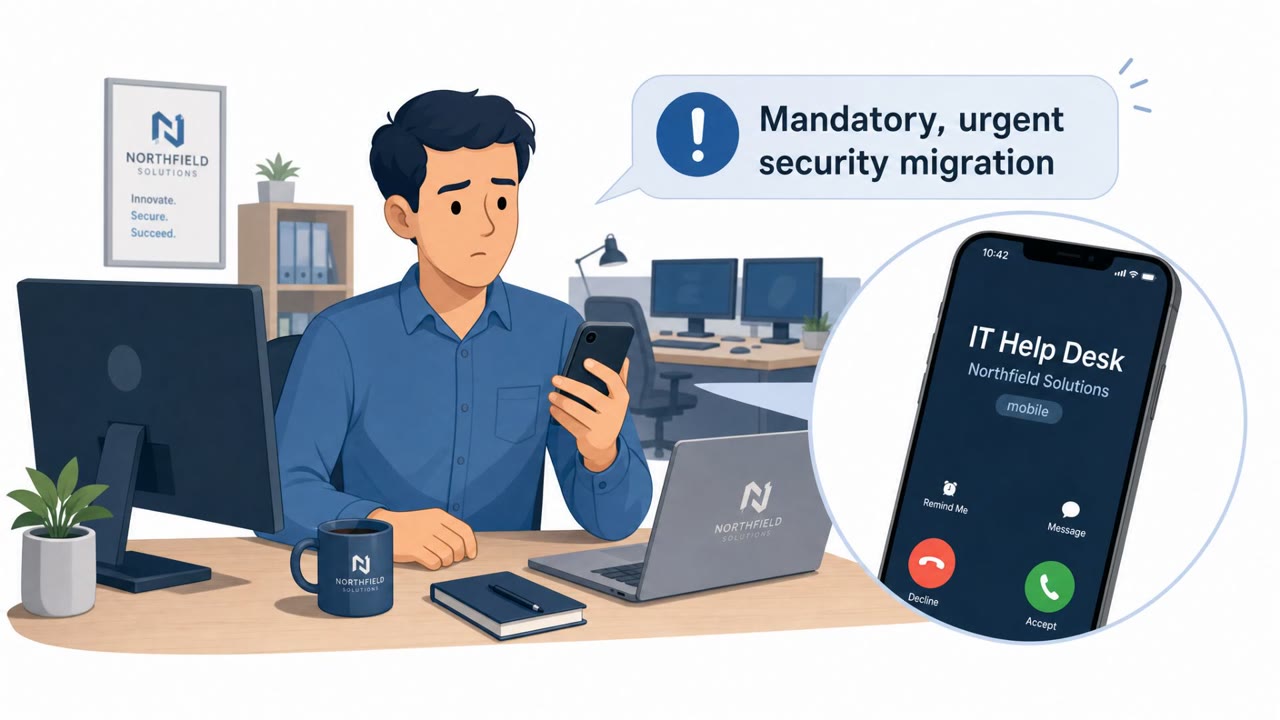
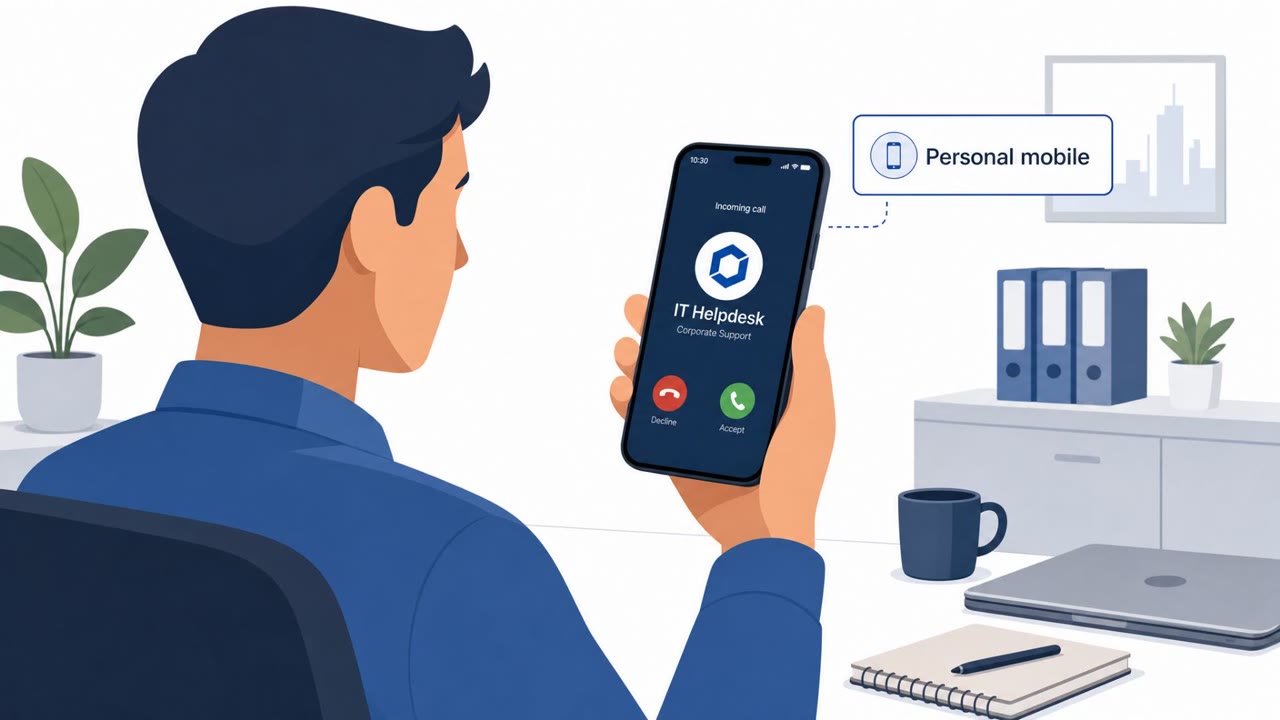
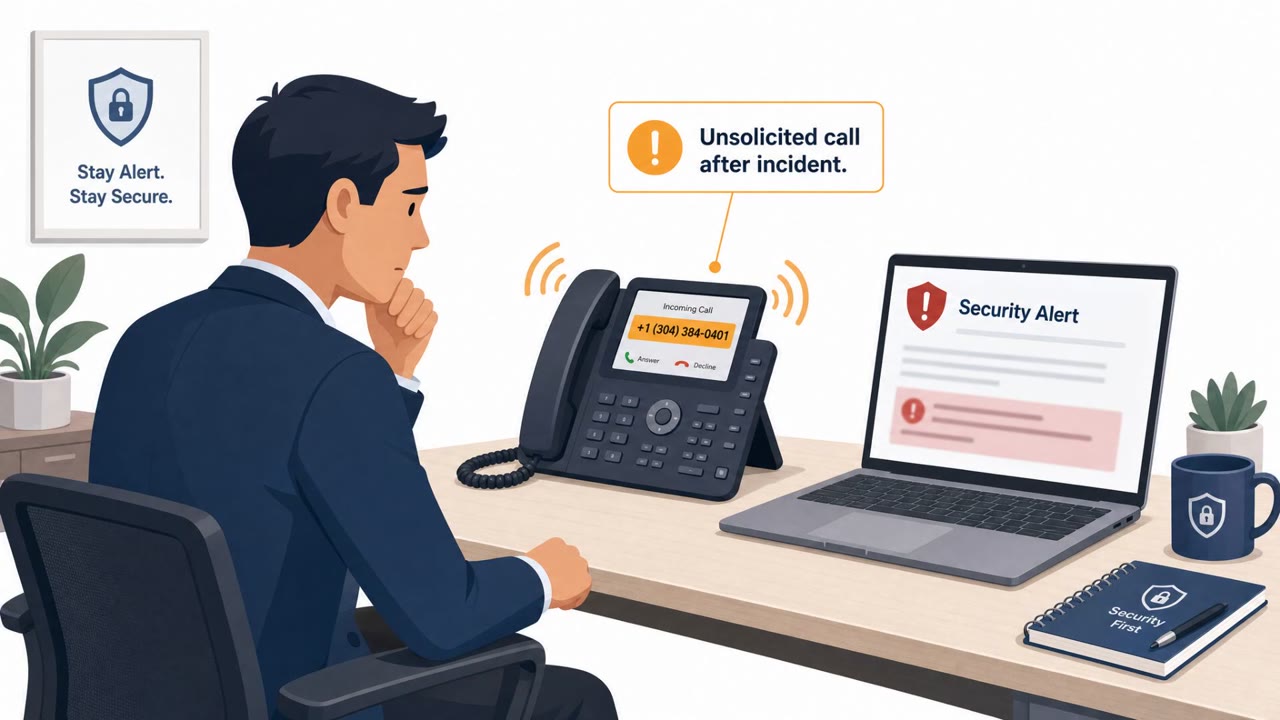
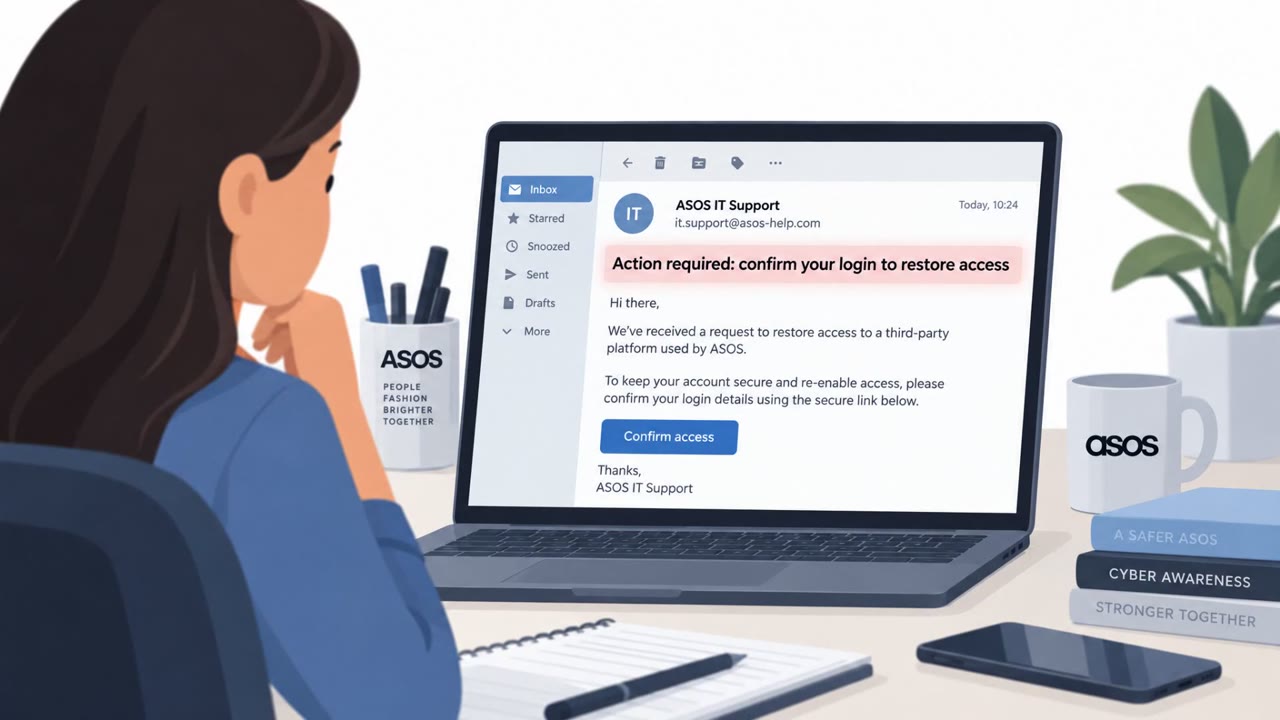
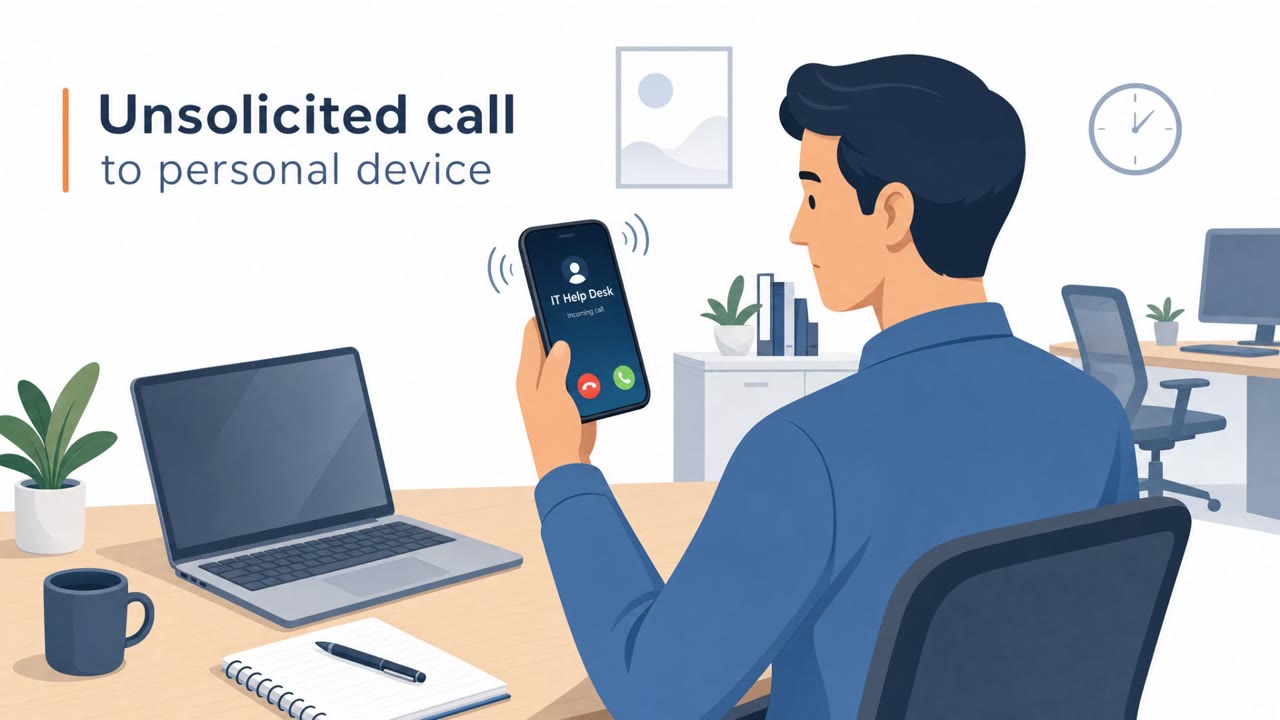
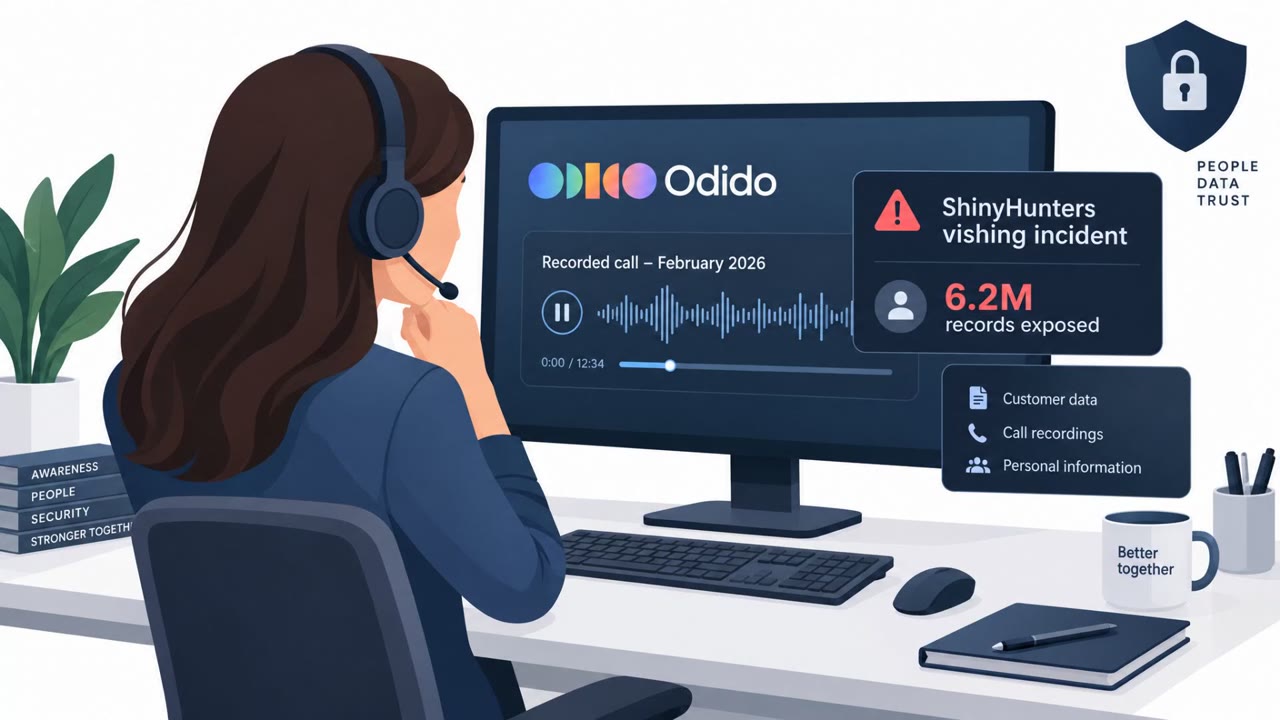
Researchers uncovered exposed infrastructure allegedly used by affiliates of INC Ransomware and The Gentlemen Ransomware. Alongside device exploits and ransomware tooling, the records describe a practical extortion workflow: direct emails to owners or executives, followed by voice calls, pressure on customers and partners, and threatened publication of stolen data.
Key findings
- The exposed records describe an extortion process that starts with text-only emails to company owners or executives and escalates to scripted voice calls, outreach to customers and partners, regulatory pressure, and publication threats.
- The operators allegedly used stolen financial and compliance data to estimate how much a victim could pay and to make threats more persuasive.
- A four-message extortion package signed “The Gentlemen” included a voice-call plan for Leo Schachter Diamonds.
- A look-alike website, trulitesupport[.]com, was reportedly used to warn Trulite customers about a breach and pressure the company.
- The groups primarily gained access through exploitation of remote-access and edge systems, then harvested credentials and targeted finance, HR, legal, and executive files.
Who’s being targeted
- Commonly targeted roles: Executives, Business owners, Finance, Legal, Human resources, Corporate communications, Customer support, Incident response teams, IT and security teams.
- Affected industries: Manufacturing, Healthcare, Hosting providers, Professional services, Finance, Retail and luxury goods.
- Attack channels: email, vishing, website.
- Impersonated: The Gentlemen ransomware group, Trulite support or incident-response function.
Awareness takeaways
- Treat unexpected breach notifications and demands for urgent responses as potential extortion attempts; report them through the company’s incident-response process rather than replying directly.
- Train executives and owners to verify alleged data-breach claims through established legal, security, and communications contacts before engaging with a caller or sender.
- Tell employees and customers to use only official company domains and known contact channels for security notices; look-alike support sites can be used to create panic and apply pressure.
- Prioritize protection of finance, HR, legal, executive, compliance, and customer data because criminals can use it to tailor extortion demands and public-pressure campaigns.
Red flags to watch for
- An unsolicited breach claim from an unknown sender
- Pressure to respond within a short deadline
- A threat to contact customers, partners, regulators, or publish data
- The notice is hosted on a look-alike domain rather than the company’s official website
- The page links to a ransomware leak post
- The communication appears designed to create public pressure rather than provide verified incident updates
Read the video transcript
“We have obtained your company data.” That’s the opening move. The Gentlemen’s playbook starts with an email to an executive, then scripted calls. Stolen financials help tailor the pressure; customers and partners may be next. Here’s the tell: a 24-to-72-hour deadline, threats to publish data, and even a Trulite 'Security Incident Notice' on trulitesupport[.]com, not Trulite’s official site. A breach claim isn’t your cue to negotiate. Forward the email or notice to your security team through your company’s incident-reporting channel.