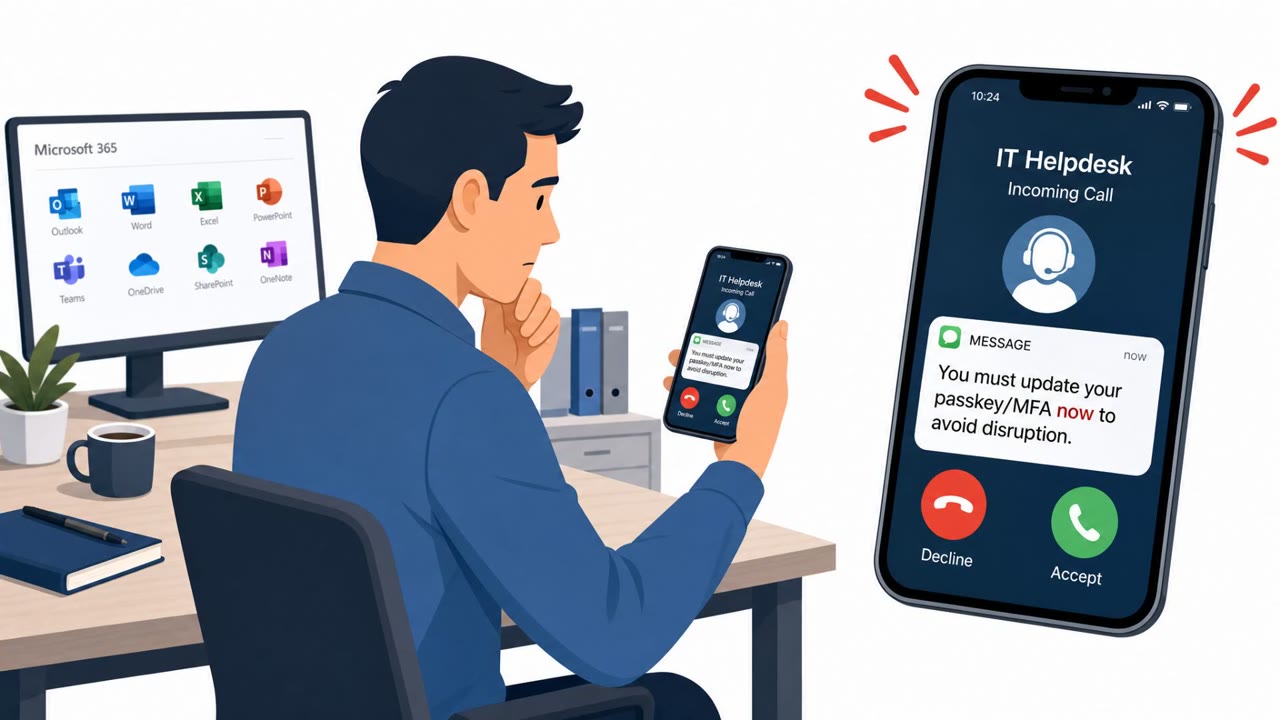
TransUnion reports that criminals are using trusted brands and compromised customer information to trick people into sharing details, one-time passcodes, or access to their accounts. The scams exploit normal-looking security requests and can lead to account takeovers, redirected payments, and fraudulent transfers.
How the attack worked
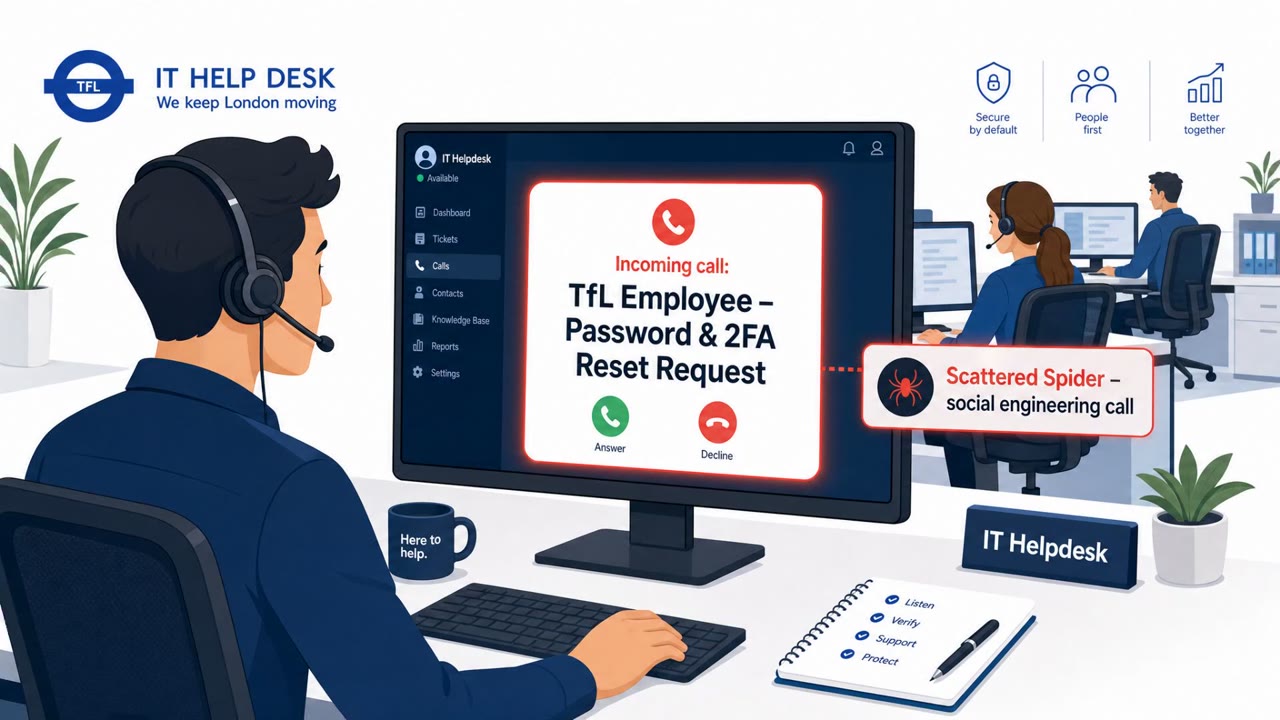
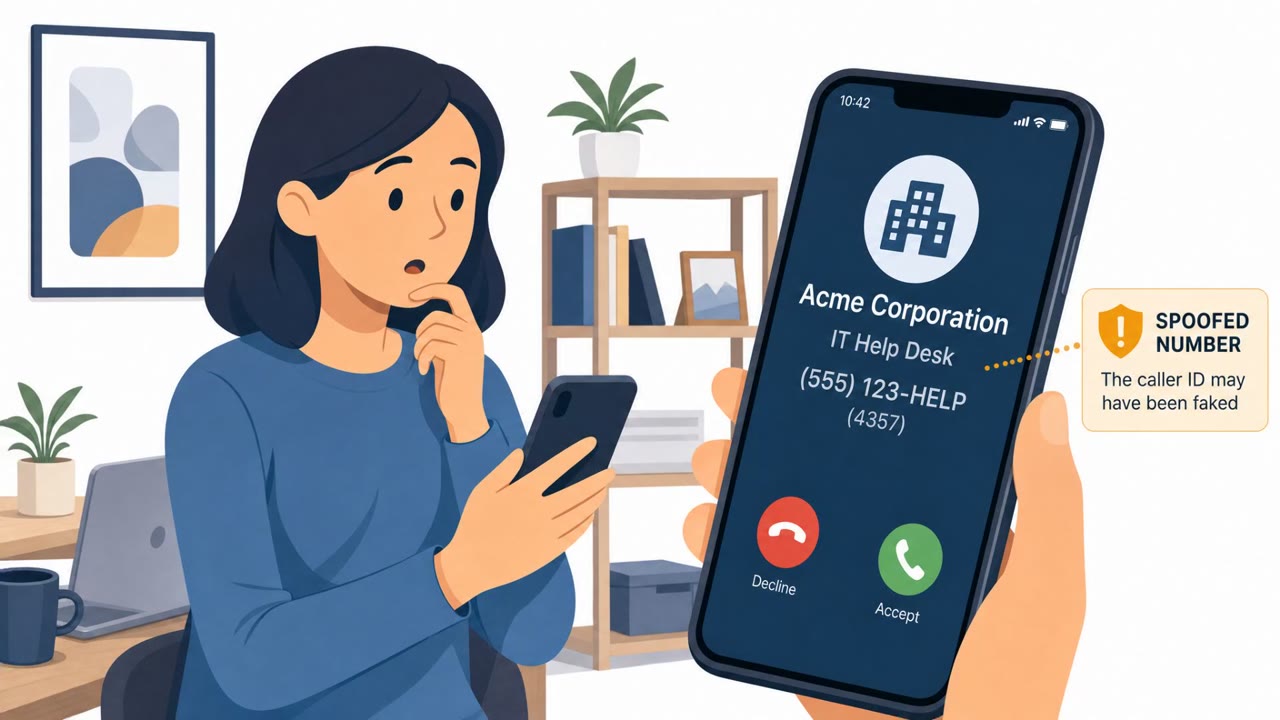
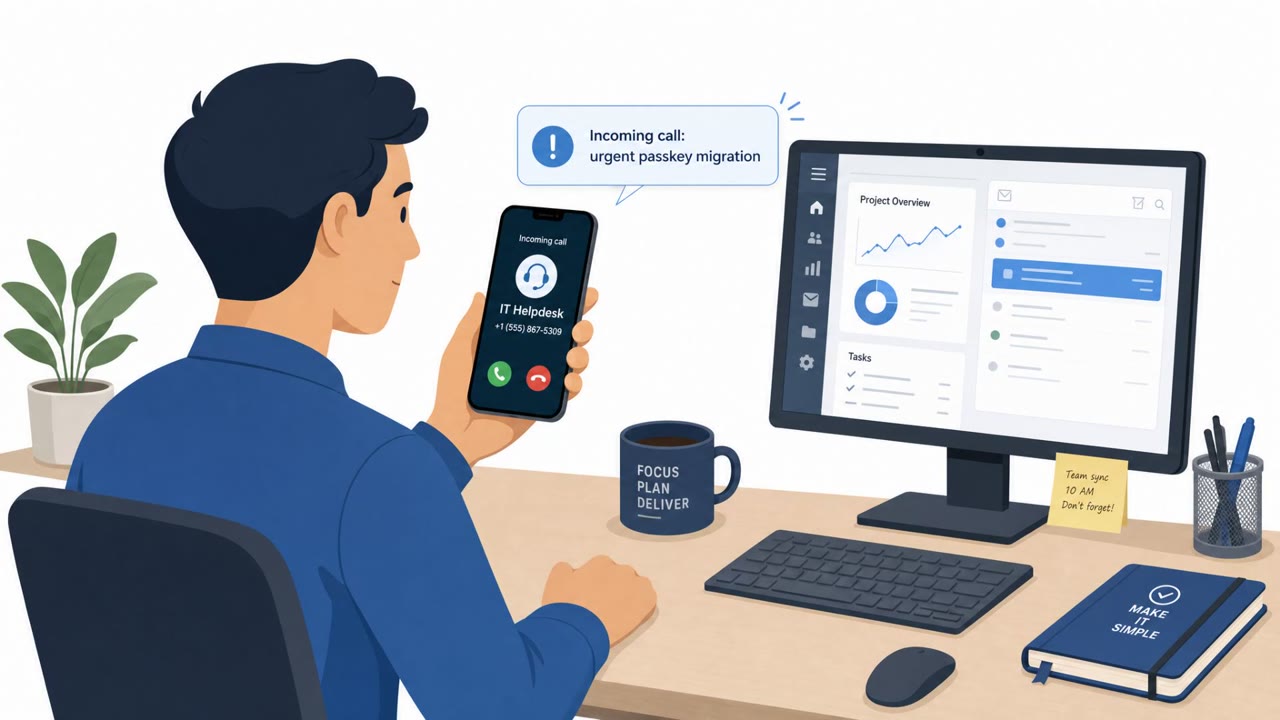
This pattern of fraud relies on impersonation rather than technical exploitation. Attackers pose as representatives of a bank, insurer, or healthcare provider and reach out by phone with what sounds like a routine security check. The caller asks the target to confirm personal details, share a one-time passcode, or reset account credentials. In a related scenario, a caller impersonating a legitimate company representative asks a customer or accounts payable staff member to redirect an upcoming payment. Both variants depend on the victim trusting the caller's claimed identity rather than verifying it independently.
Why it succeeded
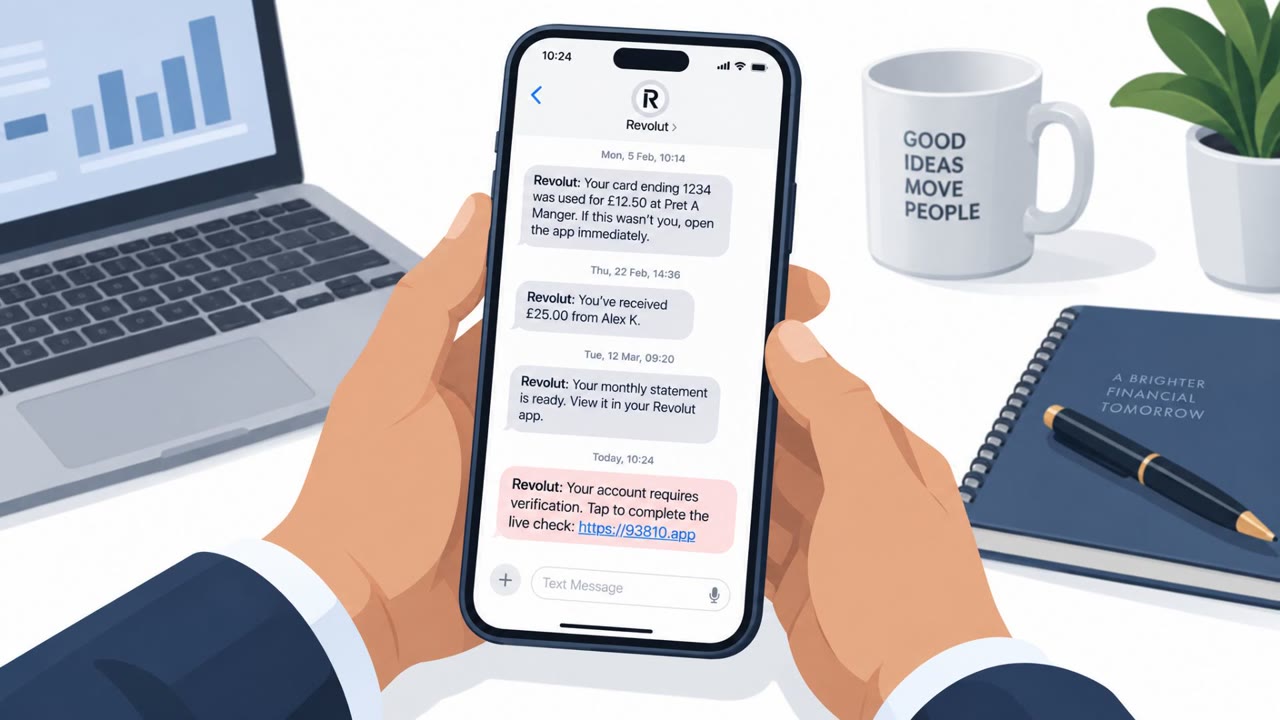
The scams work because criminals disguise the sender's identity and exploit the organization's reputation to encourage a response. A call that references a familiar institution, phrased as routine security procedure, lowers suspicion at exactly the moment a target should be most cautious. Findings indicate that most suspected digital fraud activity occurs during account logins and financial transactions, meaning attackers are timing these contacts to coincide with moments when a security request would not seem out of place. Account recovery and secondary authentication steps are also targeted, since attackers increasingly seek to exploit these processes as login controls get stronger elsewhere.
What to watch for
- An unsolicited caller asking for a one-time passcode
- Pressure to reset credentials during an unexpected contact
- A request justified only by a familiar brand name, with no option to verify through an official number
- A payment-routing change requested through an unexpected call, without independent confirmation
- A caller claiming to be a representative who asks for immediate changes to payment instructions
How to build resistance
Following caller instructions in these scenarios can help an attacker take over an account or authorize a fraudulent transfer, so verification habits matter more than recognizing a brand name. Teams and customers should:
- Never share a one-time passcode with an unsolicited caller or message sender; instead, contact the organization independently through a trusted phone number or official app.
- Treat any unexpected payment-redirection request as high risk and confirm it through a known, separate channel before making changes.
- Avoid assuming a familiar brand name proves legitimacy, since criminals can disguise sender identity and exploit organizational trust.
- Apply extra scrutiny to account recovery and service requests, which are increasingly targeted as other login controls improve.
These habits address the underlying weakness in this type of scam: it relies on the target accepting a claimed identity at face value during a moment framed as routine.
Key findings
- Eighty-one percent of suspected digital fraud in TransUnion's network in the first half of 2026 occurred during account logins and financial transactions.
- Impersonation scams use the names and reputations of banks, insurers, and healthcare providers to encourage customers to respond.
- Attackers may ask victims to confirm personal details, disclose a one-time passcode, or reset account credentials.
- Scams and authorized fraud were the most commonly cited leading source of business fraud losses among surveyed fraud and risk decision-makers, selected by 29%.
- US lenders had an estimated $2.4 billion in synthetic-identity fraud exposure at the end of June 2026, including $1.5 billion in auto lending.
- Criminals can use breached personal data and AI-generated documents to create identities that pass onboarding checks and are reused across services.
Who’s being targeted
- Commonly targeted roles: Retail banking customers, Customer service teams, Accounts payable, Finance teams, Fraud and risk teams, Help desk and account recovery teams.
- Affected industries: Banking and lending, Insurance, Healthcare, Telecommunications, Buy now, pay later services, Online betting, Retail and digital commerce.
- Attack channels: vishing.
- Impersonated: A bank, insurer, or healthcare provider representative, A legitimate company representative.
Red flags to watch for
- An unsolicited caller asks for a one-time passcode.
- The caller pressures the customer to reset credentials during an unexpected contact.
- The caller relies on a familiar brand name rather than asking the customer to verify through an official number.
- A payment-routing change is requested through an unexpected call.
- The request comes without independent confirmation through a known contact method.
- The caller claims to be a representative but asks the recipient to change payment instructions immediately.
Frequently asked questions
How do attackers use familiar brand names in these scams?
Criminals disguise the sender's identity and exploit the organization's reputation to encourage a response, often opening with what sounds like a routine security procedure from a bank, insurer, or healthcare provider.
What should I do if a caller asks for a one-time passcode?
Never share a one-time passcode with an unsolicited caller or message sender. Hang up and independently contact the organization using a trusted phone number or official app.
Why are payment-redirection requests risky?
Fraudsters may impersonate legitimate representatives to persuade customers or staff to redirect payments, which can lead to authorizing a fraudulent transfer. Unexpected redirection requests should be verified through a known, independent channel before any changes are made.
Why are account recovery processes a target?
As businesses strengthen login controls, attackers increasingly seek to exploit secondary authentication and account recovery processes to gain access to accounts, making these workflows a point of extra scrutiny.
Read the video transcript
Your bank calls about a routine security check. Sounds helpful, right? The caller knows your name and asks you to confirm details, reset your password, then read out the one-time code your bank just texted. Here's the trick: they may have your leaked details, but they don't have that code. Give it to them, and they can get into your account. Unexpected security call? Hang up and call the number on your bank card yourself.