Fake Event Invites Steal Google MFA via AitM

The Hacker News · High sophistication
Last updated October 16, 2026

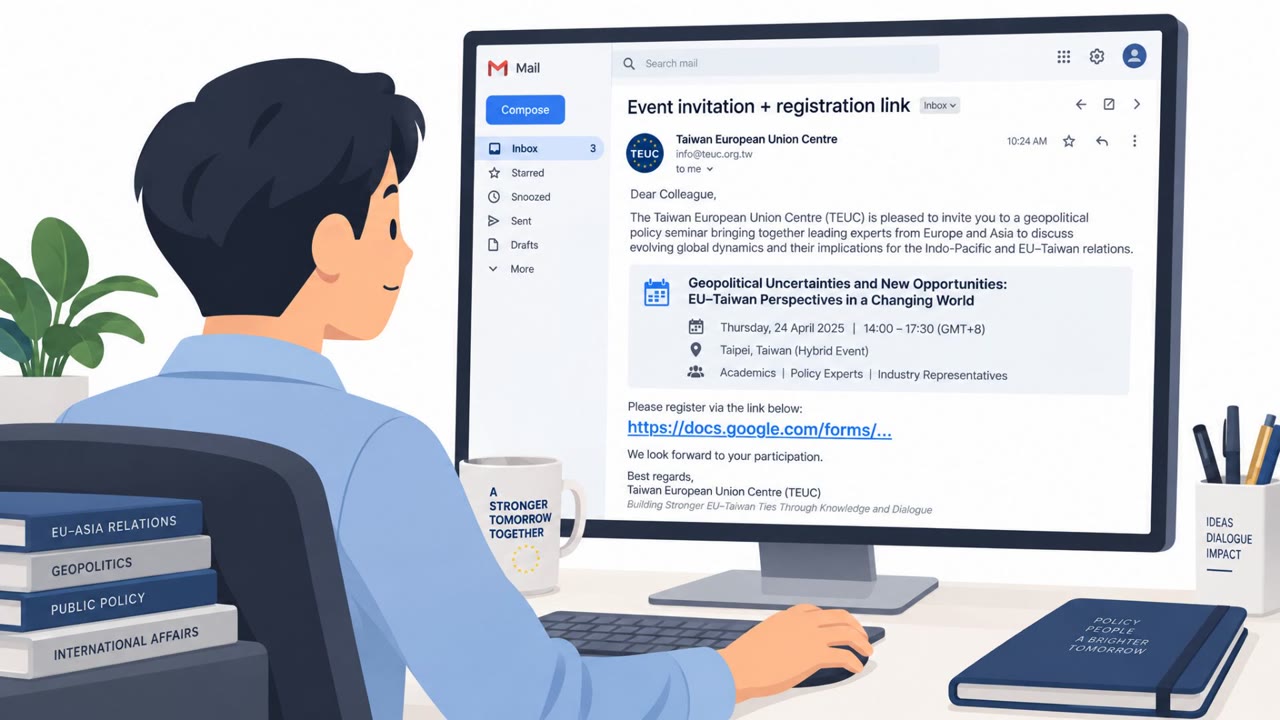
A tracked threat group (UAT-11985) sent tailored event-invitation lures to people tied to Taiwan research organizations, trying to trick them into “registering” through a fake Google Form flow. Victims who clicked a disguised link or scanned a tampered QR code were pushed to a convincing Google sign-in page that captured Google credentials and MFA codes in real time, enabling account takeover.

Key findings

  • Campaign targeted individuals affiliated with Taiwan research organizations using spear-phishing event invitations.
  • Attackers impersonated reputable academic/policy institutions to build trust and used personalized flattery to increase engagement.
  • Links in emails routed to attacker-controlled infrastructure while appearing (on hover) to be a legitimate-looking Google Forms URL.
  • In some cases, legitimate event posters were altered to include malicious QR codes, expanding exposure beyond email recipients (including printed materials).
  • The phishing flow mimicked Google Forms and then prompted a Google sign-in, leading to an adversary-in-the-middle (AitM) proxy that harvested credentials and MFA codes for account takeover.
  • The spoofed login supported Chinese (Simplified/Traditional) and English locales, suggesting Chinese-speaking users were targeted.

Who’s being targeted

  • Commonly targeted roles: Research staff, Faculty/academics, Policy/think-tank staff, Event coordinators, Executive assistants supporting research leadership.
  • Affected industries: Research organizations, Higher education / academia, Public policy / think tanks.
  • Attack channels: email, physical.
  • Impersonated: Taiwan-based academic/policy institution (e.g., Taiwan European Union Centre, NCCU Institute of International Relations, Taiwan Research Institute), Reputable academic/policy institution hosting a public event.

Awareness takeaways

  • Treat event invitations (especially with flattering personalization) as suspicious until independently verified via an official website or known contact.
  • Don’t trust what a link ‘looks like’, verify the actual destination and be cautious of registration links that masquerade as Google Forms.
  • Be cautious scanning QR codes on posters/flyers; confirm the event and registration page through an official source before proceeding.
  • If a basic form suddenly requires a Google sign-in (and especially MFA), stop and report, it may be attempting account takeover.

Red flags to watch for

  • Registration link appears legitimate but routes to attacker-controlled infrastructure (deceptive link/hover behavior)
  • Unexpected Google sign-in prompt to complete a basic event registration form
  • Overly elaborate, templated language plus flattering personalization meant to rush engagement
  • QR code on a poster has been altered/does not match the official organizer’s site
  • Registration page mimics Google Forms but unexpectedly asks for Google credentials
  • Poster/QR may be encountered outside official channels (printed materials), making verification harder
Try Mirage

Mirage safely runs attacks like this one against your own team, so you find out what happens before a real adversary does.

Get a demo
Read the video transcript

You get an email: a big-name Taiwan policy institute inviting YOU to a geopolitics event, praising your research and asking you to register. You click the 'Google Form' link or scan the QR code on the event poster. A perfect-looking Google Form appears, then suddenly a Google sign-in pops up asking for your password and MFA code. This is an adversary-in-the-middle, or AitM, setup. That fake Google sign-in is proxying the real thing, so when you type your password and MFA, UAT-11985 gets live access to your Google account. Aha rule: if a simple event registration suddenly demands Google login and MFA, stop. Close it and report it to security immediately.

Similar attacks

Event Invites Used for Real-Time Google AitM Phish

Event Invites Used for Real-Time Google AitM Phish

Cisco Talos observed an APT spear-phishing campaign targeting people affiliated with Taiwan research organizations using credible-looking public event invitations. Attackers impersonated well-known academic/policy institutions, used mismatched “safe-looking” registration links, and in some cases…

October 8, 2026
Phishing Link Could Plant a Rogue ChatGPT Agent

Phishing Link Could Plant a Rogue ChatGPT Agent

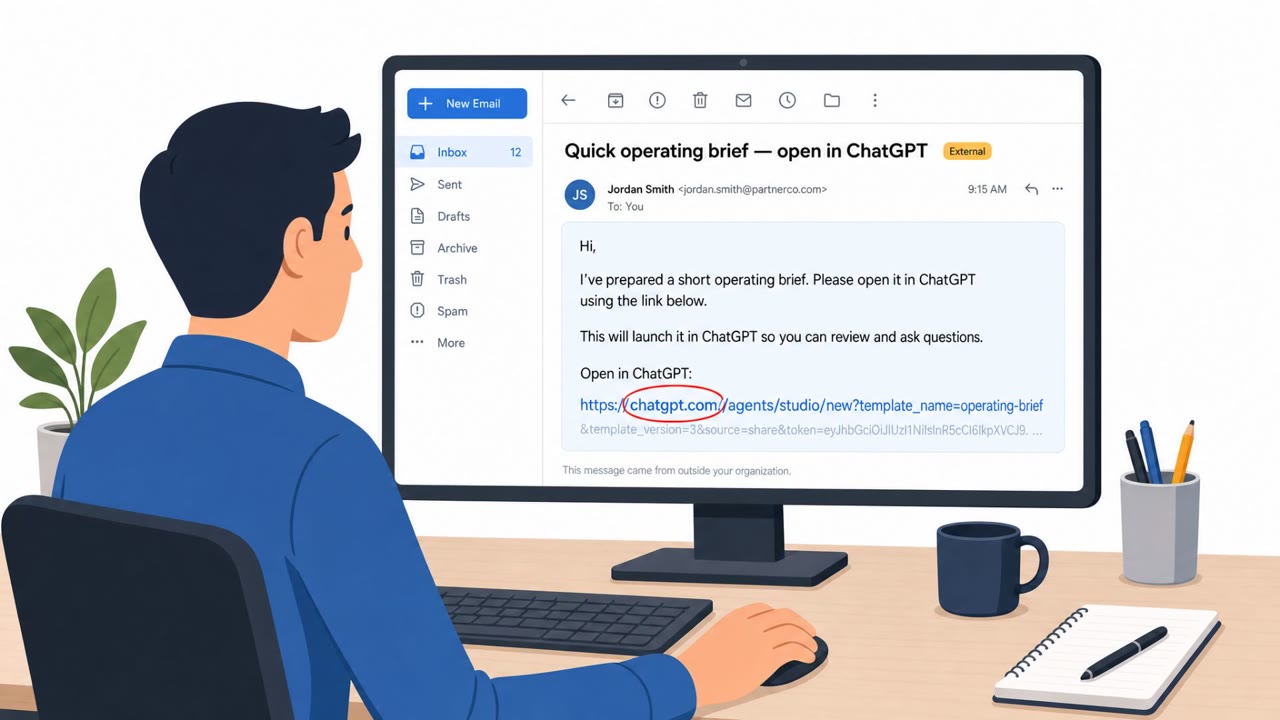
Researchers described a now-patched flaw ("AgentForger") where a single benign-looking ChatGPT link could silently create and publish an attacker-controlled Workspace Agent inside a company. If an employee was already logged in and had connected apps (like email, Drive, Slack, or Teams), the agent…

July 24, 2026
Hirudo Trojan Tricks Users With Fake App Updates

Hirudo Trojan Tricks Users With Fake App Updates

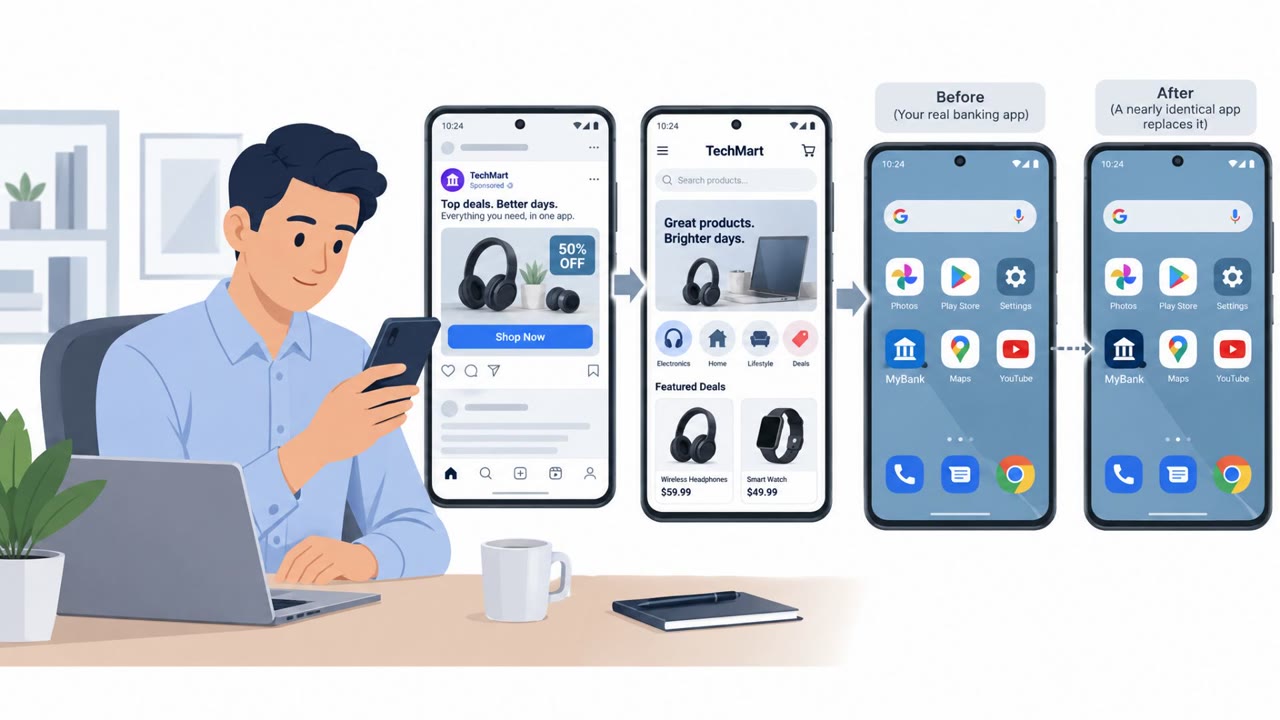
Researchers describe a real Android banking-trojan operation (Hirudo) that tricks users into installing malware through fake in-app update prompts and fake Google Play-like pages pushed via social media ads. Once installed, it can steal credentials and take over the device, and it can even replace…

October 14, 2026
Fake AI Ad Portals Steal Logins and MFA Codes

Fake AI Ad Portals Steal Logins and MFA Codes

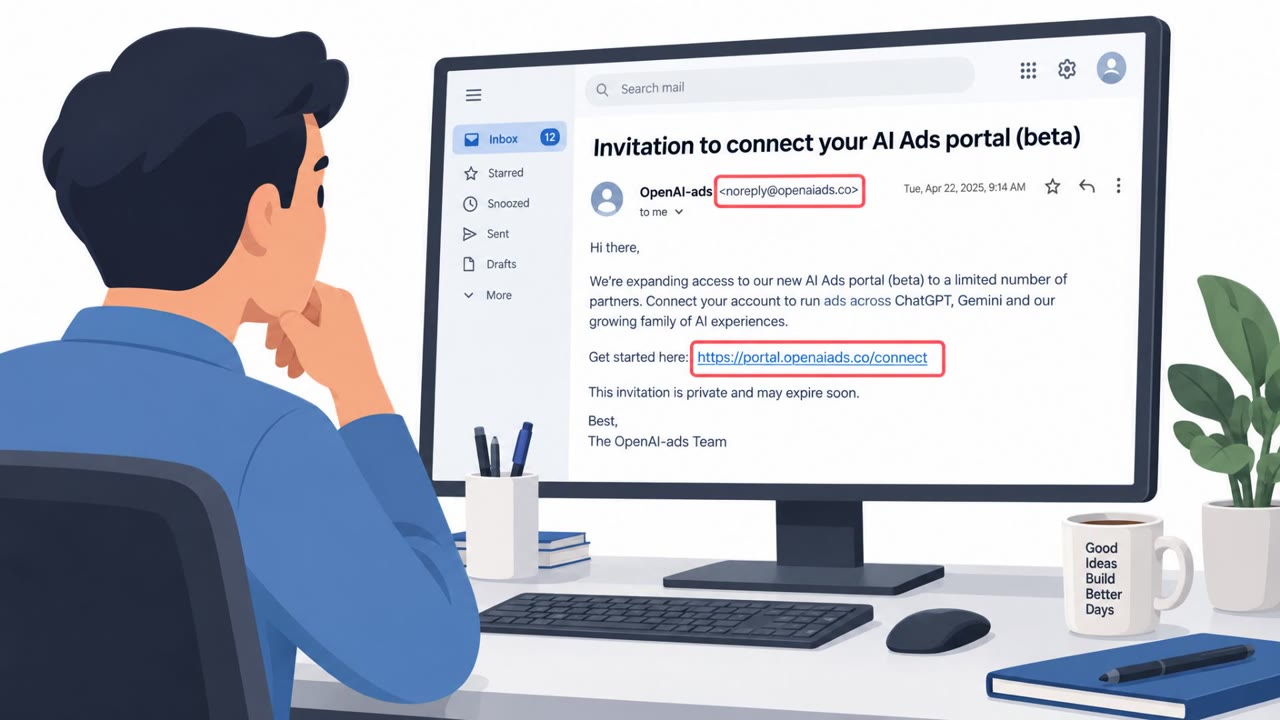
Researchers uncovered a human-run phishing platform that pretends to be ad-management products for popular AI brands (ChatGPT, Gemini, Claude, and others). Victims are pushed to click a “Connect” flow that opens a convincing fake login window (showing trusted domains like accounts.google.com) to…

October 6, 2026
Passkey-Themed Phishing Hits Microsoft 365

Passkey-Themed Phishing Hits Microsoft 365

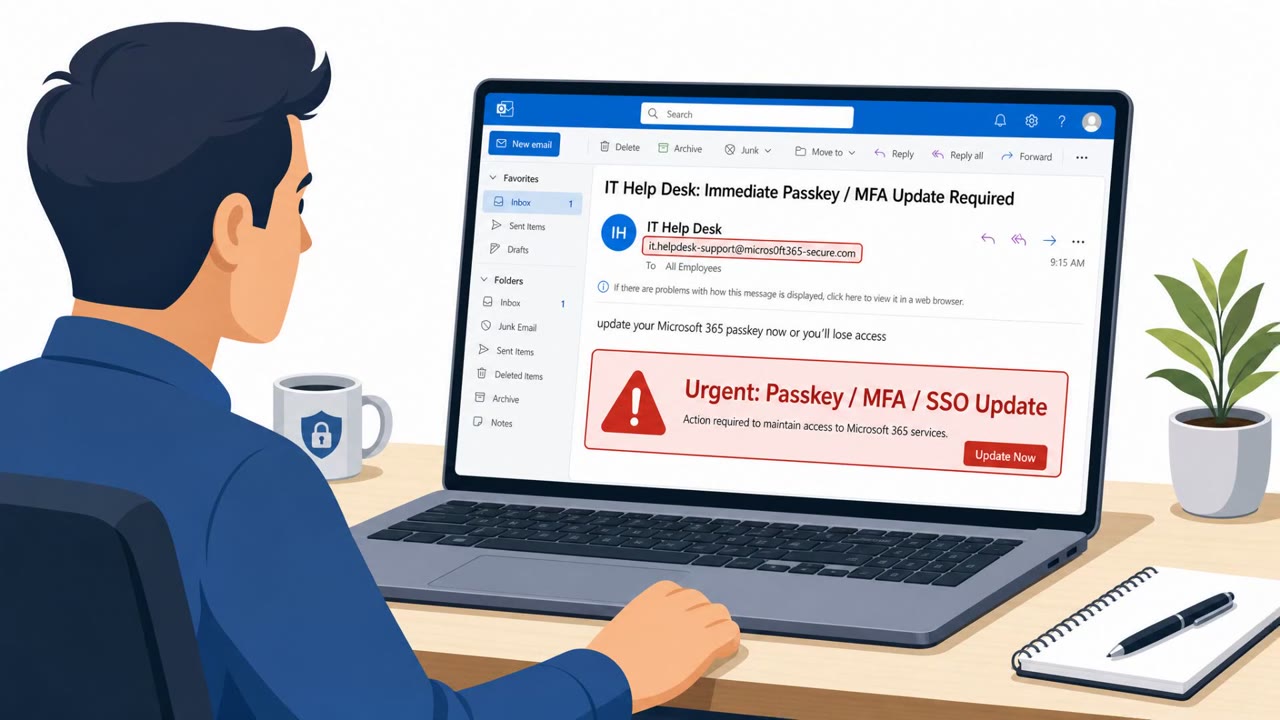
Microsoft warns of an active social engineering campaign where attackers pose as an IT help desk and pressure employees to “update” passkeys/MFA/SSO. Victims are sent to fake Microsoft sign-in pages or tricked into approving access via device-code login, enabling attackers to add their own MFA…

September 14, 2026
NovaCookies Uses Real DocuSign to Steal M365 Sessions

NovaCookies Uses Real DocuSign to Steal M365 Sessions

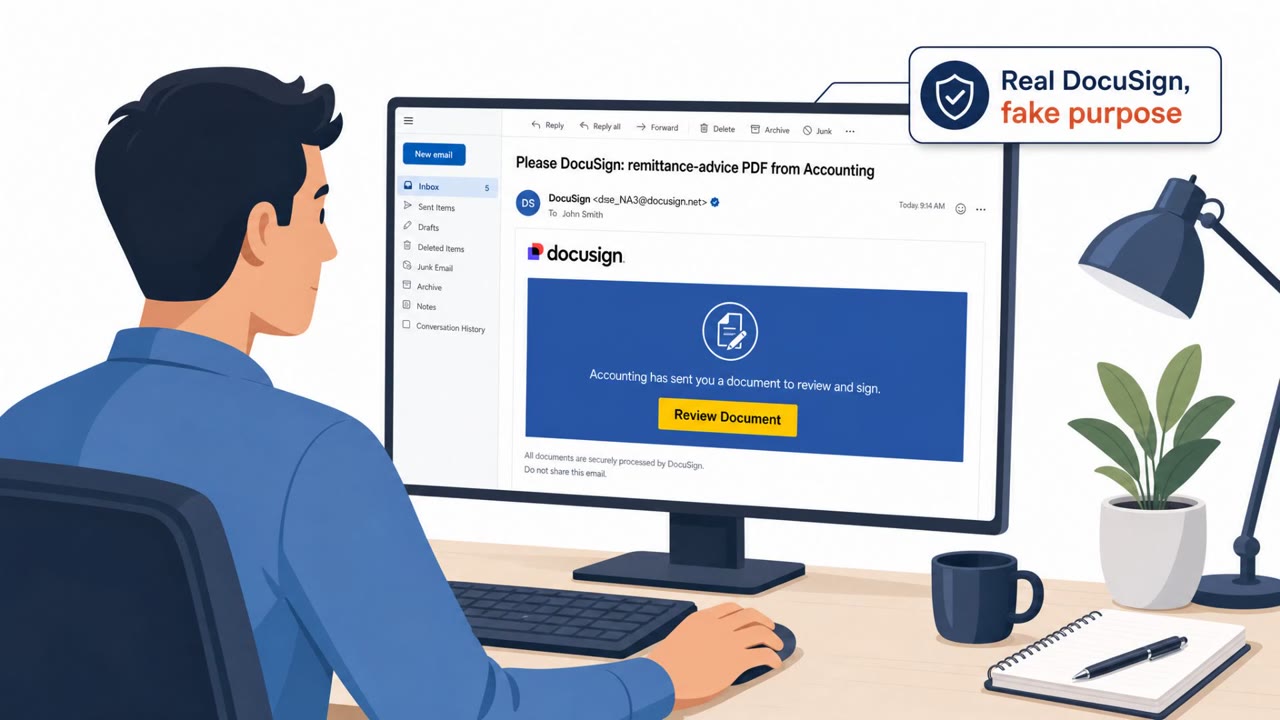
Researchers report NovaCookies, a phishing-as-a-service toolkit that steals Microsoft 365 session cookies by proxying real logins in real time. The campaigns abuse genuine DocuSign email notifications to deliver a malicious document link that ultimately leads to an attacker-controlled Microsoft 365…

August 26, 2026