A commercial Android spyware kit called uCreator hides inside modified versions of legitimate messaging apps, including Telegram X. Victims who sideload these lookalike apps may expose Telegram two-step verification passwords or have WeChat account data copied, even while the altered app continues to work normally.
How the attack worked
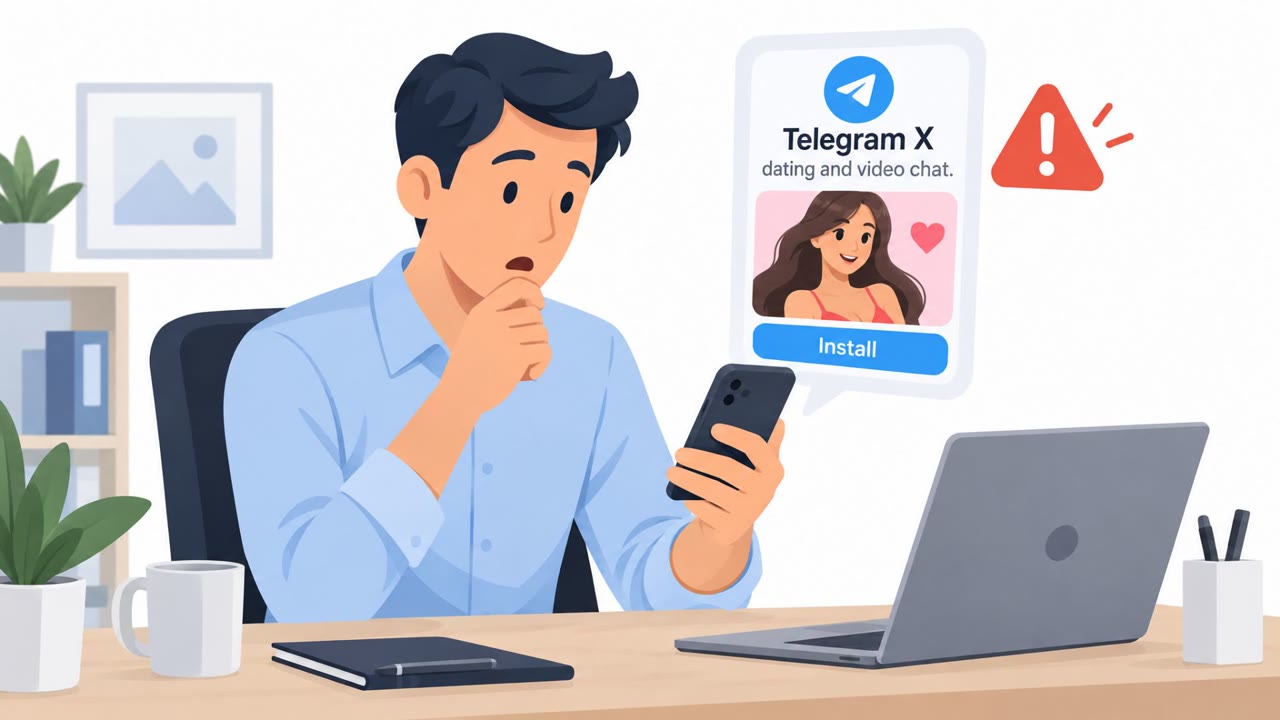
uCreator is a commercial Android spyware kit that attackers build into modified, lookalike versions of legitimate apps such as Telegram X. Victims are drawn to download these apps outside official app stores, often through a download site that presents the app as a normal or alternative way to install a messaging service. Once sideloaded, the app looks and behaves like the real thing while secretly running malicious code in the background.
For Telegram, the spyware can capture the two-step verification password before the legitimate app hashes it, intercepting the credential at the moment of entry. For WeChat, the malware can run the app inside a virtual container, extract account data, and support account cloning. The kit's code supports roughly 20 messaging apps and mobile wallets, which gives renters of the kit many possible targets.
Why it succeeded
The core weakness this attack exploits is trust in app appearance rather than app source. Tampered apps built with uCreator can still function normally and connect to the real services' official servers, so there is little visible evidence anything is wrong. A victim can send messages, log in, and use the app as expected while their credentials and account data are quietly exposed. This is reinforced by the practice of sideloading, installing an app from a website or link instead of an official store, which removes the vetting checks that app stores normally provide.
What to watch for
- Messaging or wallet app downloads offered through a website link rather than an official app store
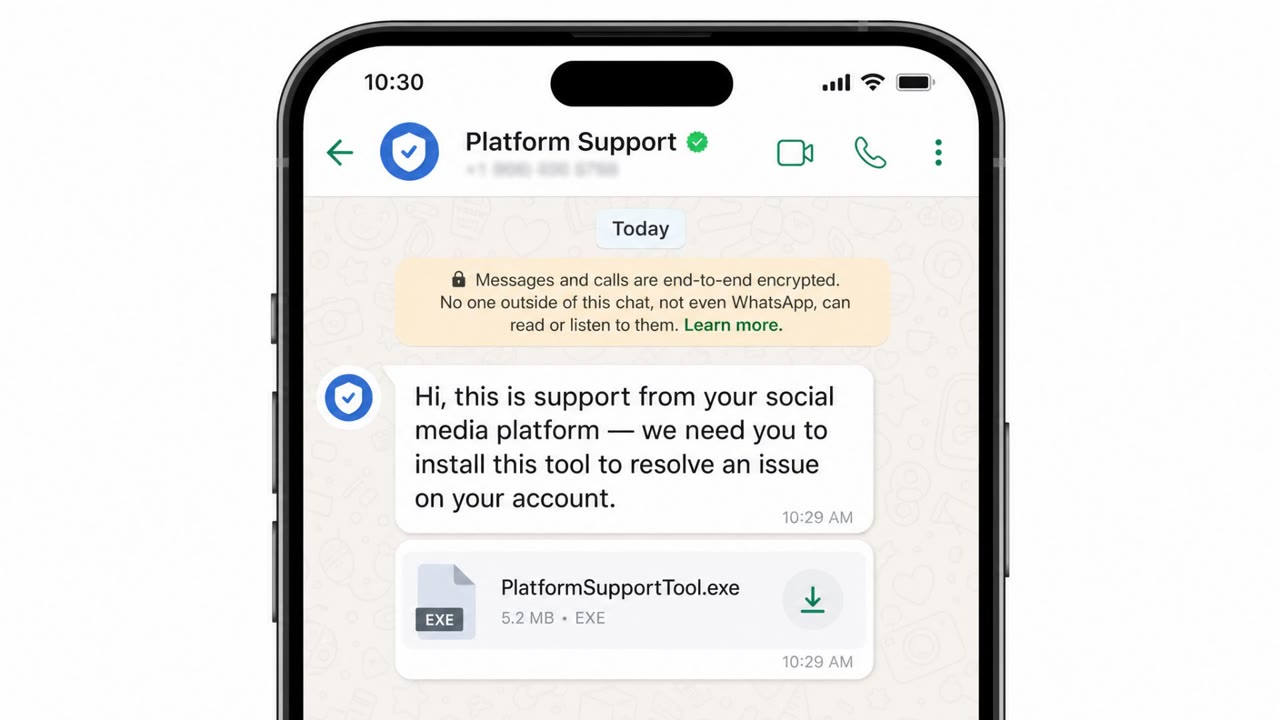
- Prompts to sideload an Android package (APK) to install or update an app
- Apps that request two-step verification codes or passwords immediately after an unusual installation
- Any app behaving normally that was nonetheless installed from an unofficial source
How to build resistance
Organizations and individuals can reduce exposure to this kind of spyware with a few consistent habits:
- Install messaging and wallet apps only from official app stores or verified, company-managed sources, and avoid sideloading from download sites or unsolicited links
- Do not assume an app is safe simply because it works normally or connects to the real service; verify the source before trusting it
- Keep Android devices updated, since changes introduced in later Android versions have made this type of exploit harder to run successfully
- Treat two-step verification as one protective layer, not a guarantee, since a compromised app or device can undermine even legitimate security features
IT and mobile device management teams should also consider reinforcing app installation policies for employees who rely on Telegram, WeChat, or mobile wallet apps for work.
Key findings
- uCreator hides malicious code inside altered versions of legitimate Android applications, including Telegram X.
- The spyware can capture a Telegram two-step verification password before the legitimate app hashes it.
- For WeChat, the malware can run the app in a virtual container, extract account data, and support account cloning.
- The kit supports roughly 20 messaging apps and mobile wallets and is offered through a commercial rental model.
- The main user risk described is installing convincing-looking apps from outside official app stores.
Who’s being targeted
- Commonly targeted roles: All Android users, Employees using Telegram or WeChat for work, Mobile device users, Employees handling mobile wallet applications, IT and mobile device management teams.
- Affected industries: Consumer messaging services, Mobile wallet services, Technology and communications.
- Attack channels: website.
- Impersonated: Telegram X application, WeChat application.
Red flags to watch for
- The app is obtained outside an official app store.
- The app looks legitimate but has been modified.
- A messaging app download asks the user to sideload an Android package.
- The application is downloaded from outside an official app store.
- An apparently normal app may still be a tampered client.
- The app can continue connecting to official services, which can create false confidence.
Frequently asked questions
What is uCreator spyware?
uCreator is a commercial Android spyware kit that hides malicious code inside modified versions of legitimate apps, including Telegram X, and is offered through a rental model supporting roughly 20 messaging apps and mobile wallets.
How does uCreator steal Telegram credentials?
It can capture a Telegram two-step verification password before the legitimate app hashes it, meaning the credential is intercepted at the point of entry.
Can a tampered app still look normal to the user?
Yes, tampered apps built with uCreator can still function normally and connect to the real services' official servers, which can create false confidence that nothing is wrong.
How can users avoid this type of spyware?
Only install messaging and wallet apps from official app stores rather than sideloading from download sites, and keep Android updated since newer OS protections have made the exploit harder to run.
Read the video transcript
Your Telegram X app works. That doesn't mean it's safe. A download site says, 'Install Telegram X.' You sideload its Android package, sign in, and enter your two-step password. uCreator can capture it before the app hashes it. Here's the trap: the altered app may still connect to the real service. A fake WeChat update can work normally while uCreator copies account data for cloning. The giveaway is where it came from. Install messaging apps only from your official app store or verified company source.