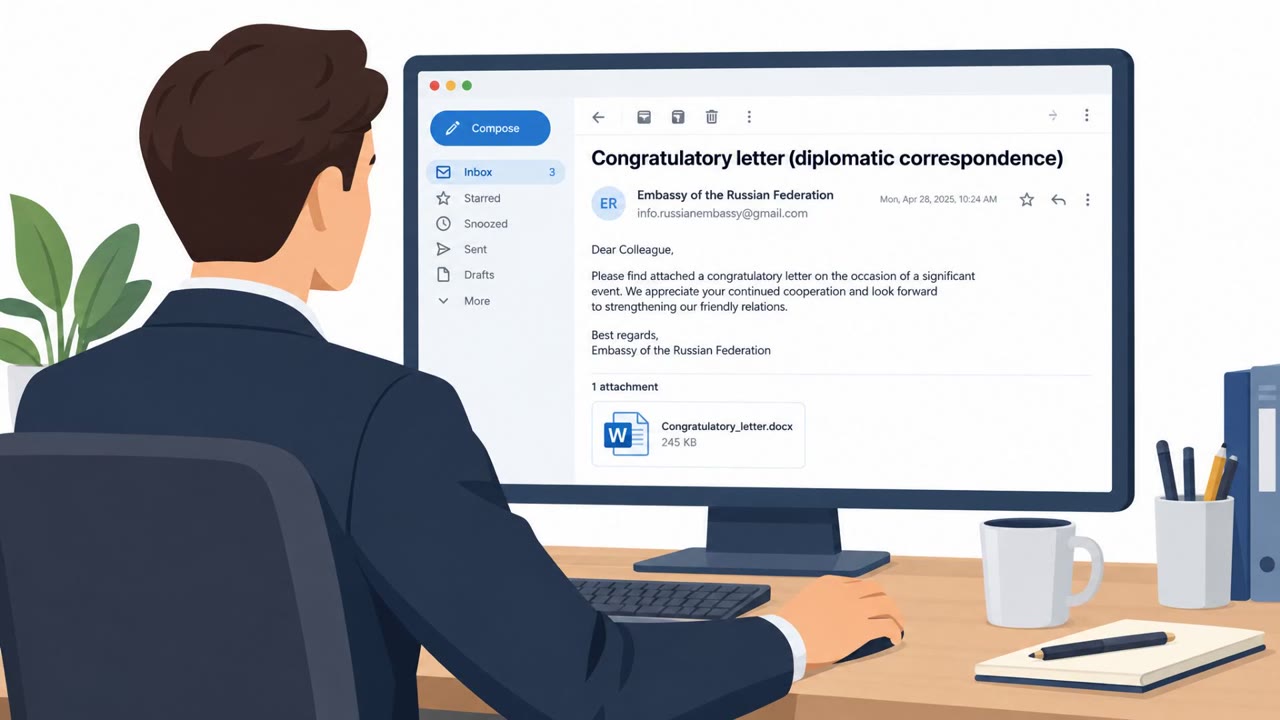
Silent Lynx Used Gov Emails to Lure Targets

Security Affairs · Medium sophistication
Last updated October 15, 2026

Researchers say the Kazakhstan-linked group “Silent Lynx” has run real espionage campaigns across Central Asia, targeting government bodies and energy organizations. The reported entry method relied heavily on spear‑phishing sent from compromised government email accounts, sometimes using trusted services like GitHub to make malware delivery look legitimate. One cited lure was a document framed as a business cooperation proposal involving the Orsk Oil Refinery.

Key findings

  • Silent Lynx conducted “targeted intrusion campaigns against government ministries, diplomatic missions and civil society organizations across Central Asia since at least 2024.”
  • The group “frequently leveraging spear-phishing campaigns conducted through compromised government email accounts.”
  • Attackers increased credibility by “malware staging through trusted public services such as GitHub.”
  • A specific lure document referenced cooperation with Orsk Refinery: “Business proposal on cooperation… between… ‘Turkmennebit’ and the management of Orsk Refinery.”
  • Operators demonstrated operational security mistakes (exposed directories and shell history), helping researchers attribute activity.

Who’s being targeted

  • Commonly targeted roles: Government employees, Diplomatic mission staff, Energy sector leadership and operations, Procurement and vendor management, Executive assistants, NGO / civil society staff.
  • Affected industries: Government / Public sector, Energy (oil refining), Diplomatic missions, Civil society / NGOs.
  • Attack channels: email, github.
  • Impersonated: Compromised government email account (sender appears to be a real government contact), Compromised government email account (trusted public-sector identity).

Awareness takeaways

  • Treat emails from real government/partner addresses as potentially unsafe; a real-looking sender can be a compromised mailbox.
  • Be cautious when an email asks you to download from a trusted site (like GitHub); attackers use trusted services to look legitimate.
  • Flag unexpected “business proposal/cooperation” documents, especially when tied to sensitive sectors like energy or government, before opening attachments.

Red flags to watch for

  • Unexpected attachment tied to high-interest geopolitical/energy topics
  • Sender appears legitimate because it comes from a compromised government mailbox
  • Document is created very close in time to the payload compilation (indicator of a weaponized lure)
  • Email uses a real but compromised government account to bypass skepticism
  • Use of well-known “trusted” sites (GitHub) to reduce suspicion
  • Unsolicited request to download/run files from a code/file hosting platform
Try Mirage

Mirage safely runs attacks like this one against your own team, so you find out what happens before a real adversary does.

Get a demo
Read the video transcript

Imagine this: you get an email from a real government address about an energy deal with the Orsk Oil Refinery. This is how the group Silent Lynx works: they hijack real government mailboxes, send a spear‑phishing email, and attach a “Business proposal on cooperation… between ‘Turkmennebit’ and the management of Orsk Refinery” that secretly drops malware. Sometimes they don’t attach it at all. The same compromised gov account sends you a link to GitHub, saying, “Download the documents here.” GitHub is legit, but Silent Lynx uses it to stage malware and look safe. If you get an unexpected “business proposal” or download link about energy or government work, even from a real gov address, stop. Don’t open it. Forward it to security and ask them to verify first.

Similar attacks

Silent Lynx Lures CIS Officials With Fake Diplomacy Docs

Silent Lynx Lures CIS Officials With Fake Diplomacy Docs

Researchers tracked Kazakhstan-nexus group UAT-6275 (TAG-193) targeting government organizations across Central Asia and the wider CIS using convincing decoy documents tied to diplomacy and energy. The campaigns used malicious files (macro-enabled Word docs, shortcuts, and a WinRAR exploit) to…

October 15, 2026
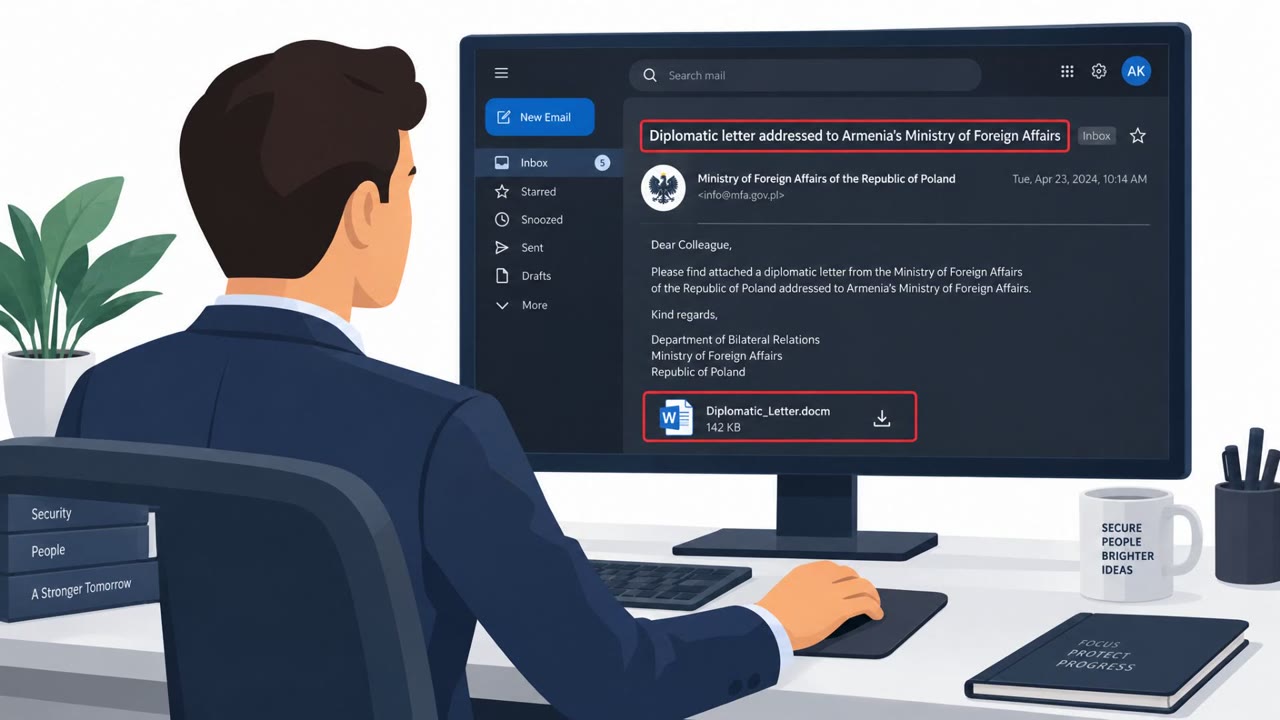
Silent Lynx Phishes CIS Govs With Decoy Documents

Silent Lynx Phishes CIS Govs With Decoy Documents

Researchers report that the threat actor Silent Lynx ran multiple real-world spear‑phishing campaigns against government organizations across Central Asia and the wider CIS region. Victims were lured with official-looking documents (e.g., diplomatic letters, airspace applications, and oil refinery…

October 15, 2026
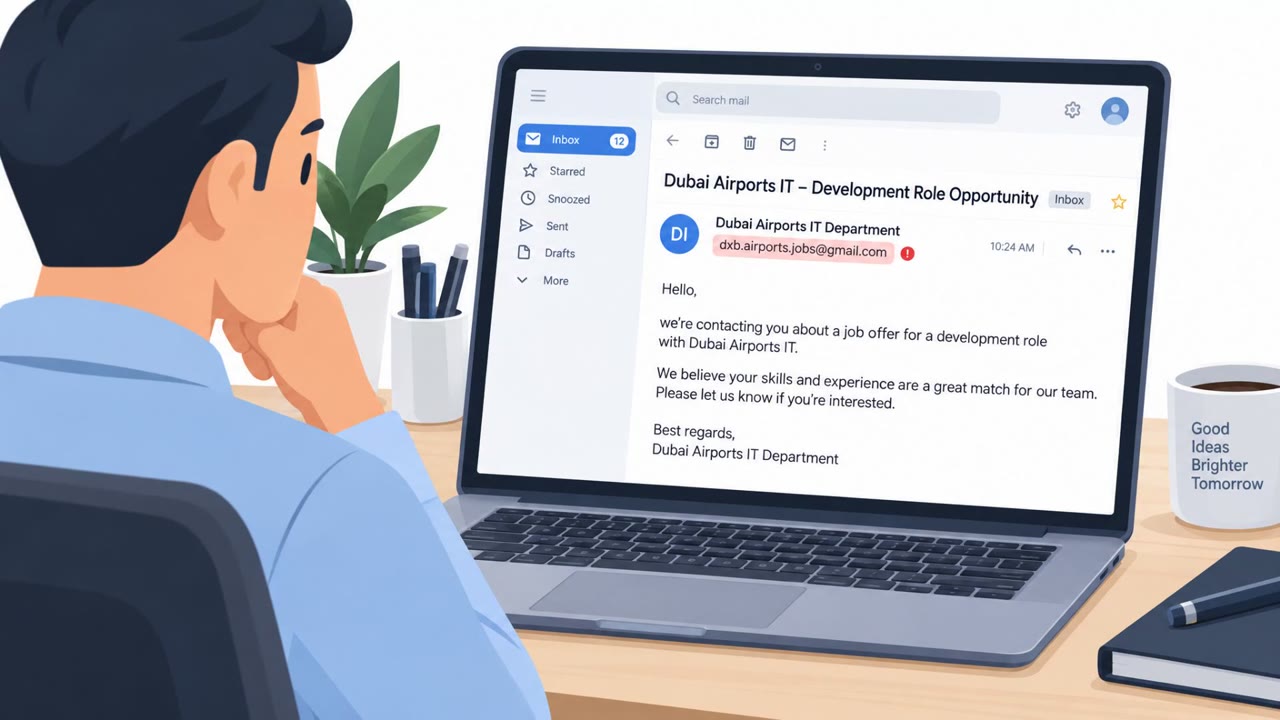
Fake Dubai Airports Recruiters Target Developers

Fake Dubai Airports Recruiters Target Developers

Researchers linked an Iran-aligned campaign to recruitment-themed social engineering that tricked a targeted Iraqi software engineer into downloading a fake "Dubai Airports" careers portal and then opening a trojanized Visual Studio coding test. The lure abused normal developer workflows so malware…

October 10, 2026
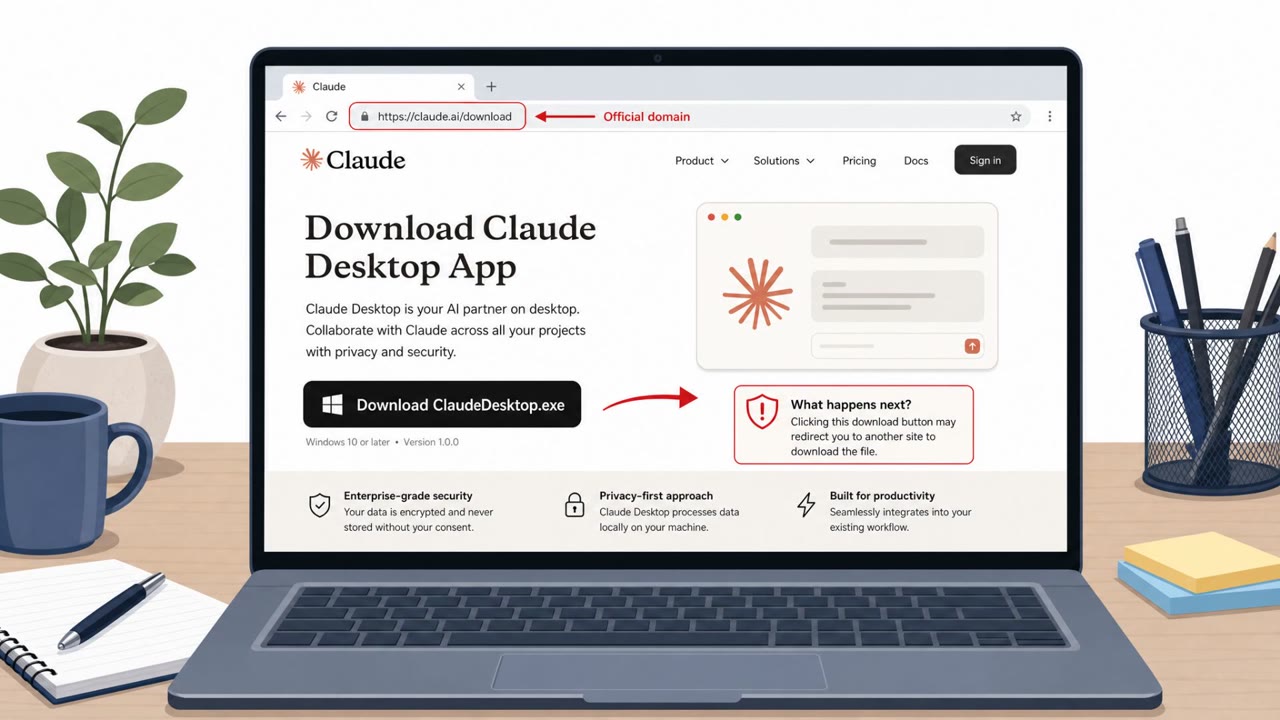
Fake Claude App and Alert Apps Drive New Scams

Fake Claude App and Alert Apps Drive New Scams

This roundup describes multiple real-world campaigns where attackers trick people into installing malicious software that looks legitimate (a fake Claude desktop app, a fake emergency alert app, and banking-malware phishing). The common pattern is “looks normal, feels urgent,” leading users to…

July 23, 2026
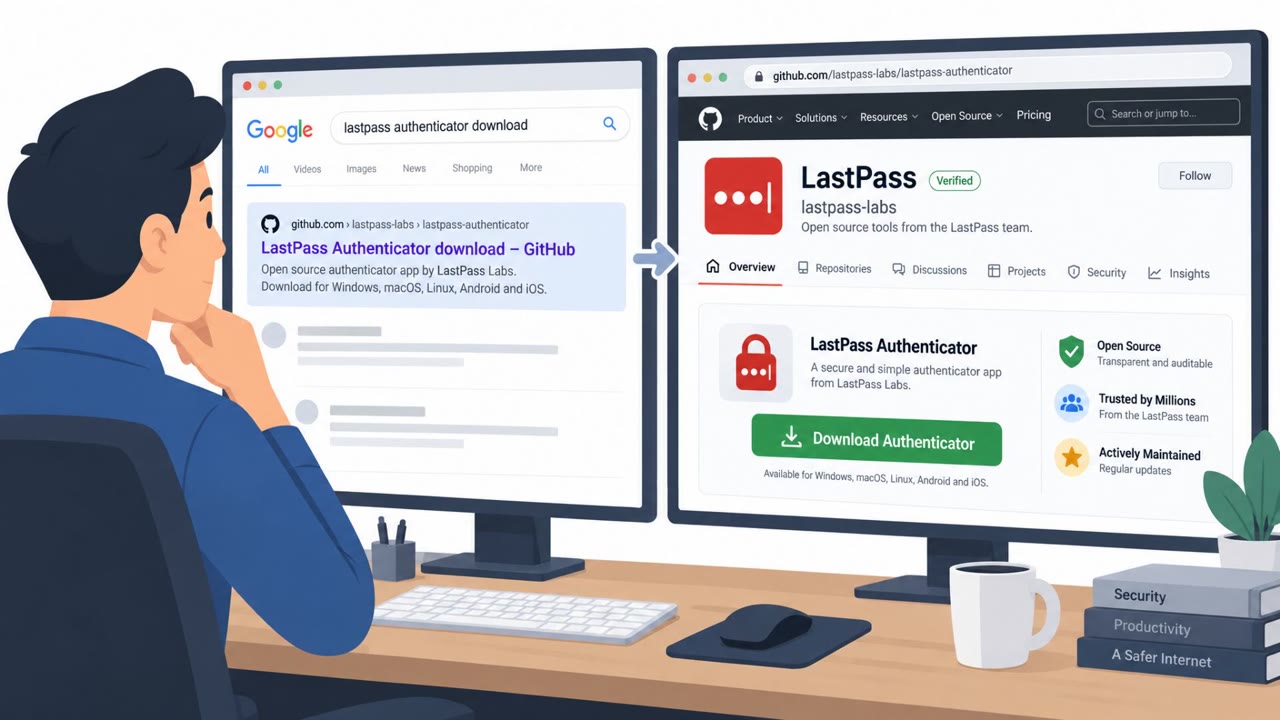
Fake LastPass GitHub Drops Rapuncel Stealer

Fake LastPass GitHub Drops Rapuncel Stealer

Attackers impersonated LastPass on GitHub and tricked people searching for the “LastPass Authenticator download” into installing a fake installer. The infection chain used a Microsoft-signed driver to disable many security tools, then deployed an infostealer that stole passwords, crypto wallets,…

September 23, 2026
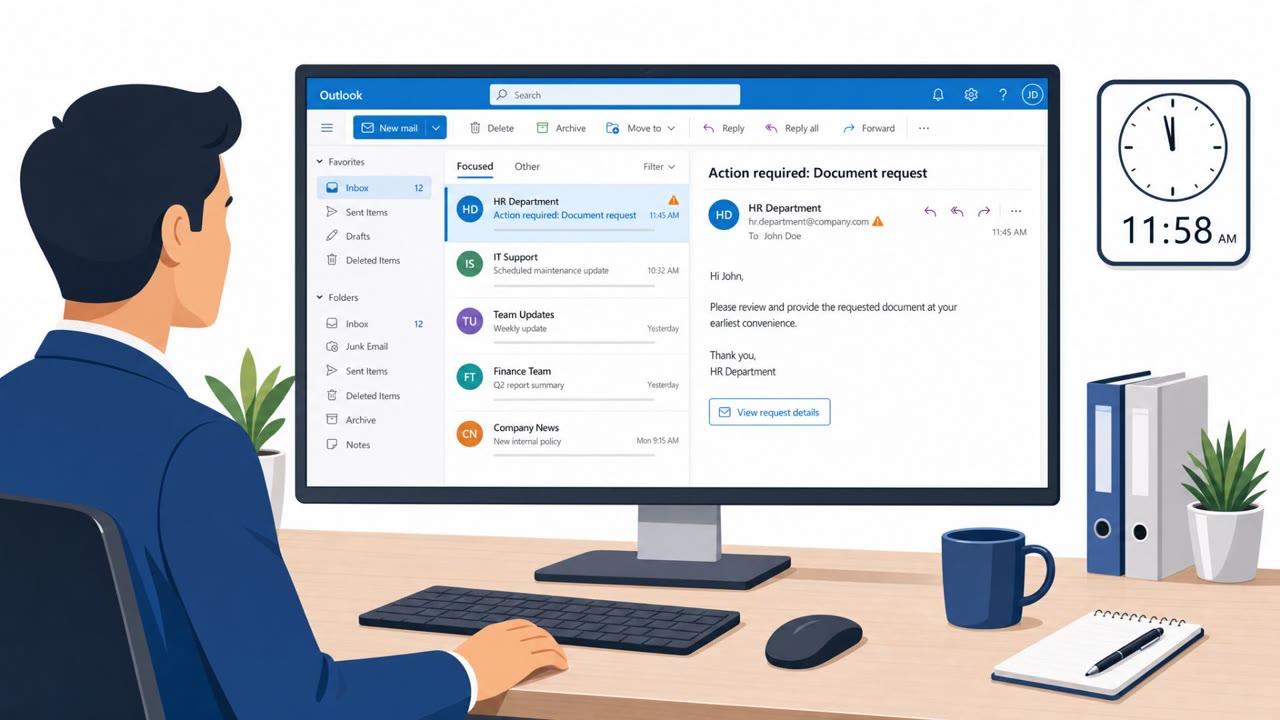
M365 Direct Send Spoofs Internal HR & Finance

M365 Direct Send Spoofs Internal HR & Finance

Researchers observed a real phishing campaign that abused Microsoft 365’s “Direct Send” feature to deliver messages that looked like they came from trusted internal addresses (HR, accounting, admin). The emails commonly used familiar business lures like invoices, payment approvals, voicemail…

September 11, 2026