Fake Telegram Apps Steal 2FA Passwords

The Hacker News · High sophistication
Last updated October 26, 2026

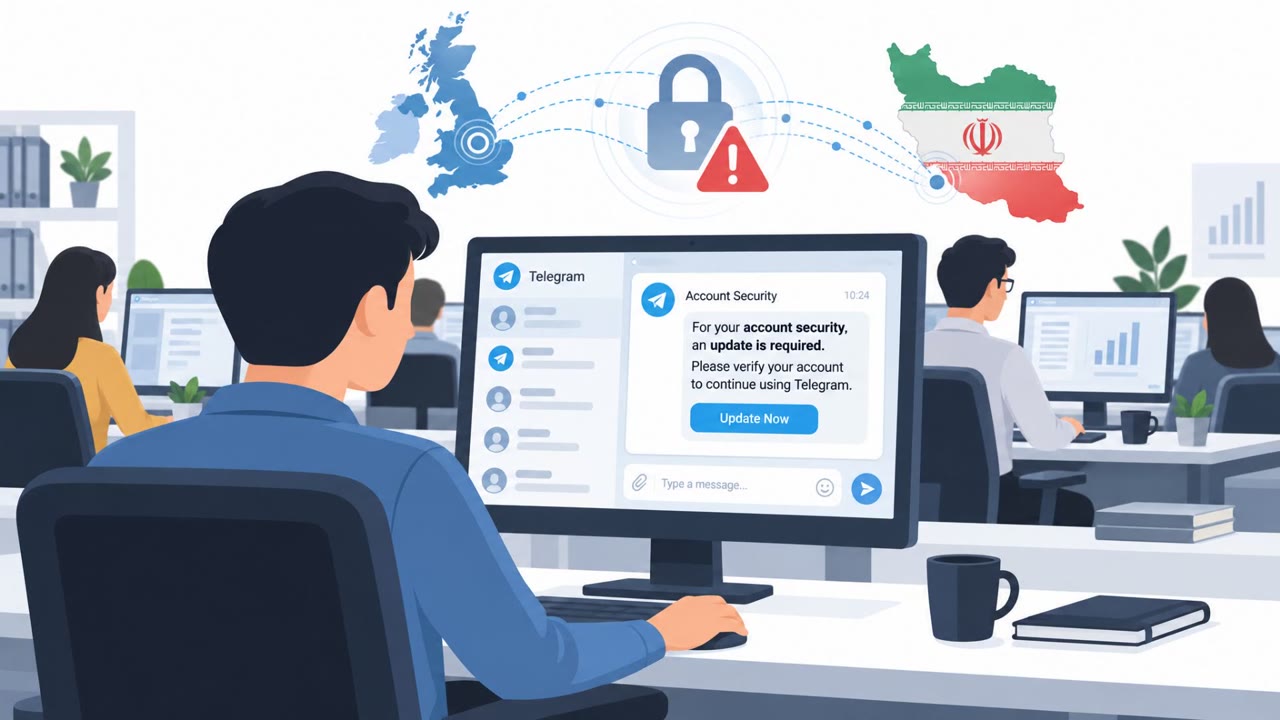
Researchers linked the uCreator Android spyware kit to real campaigns that used ads and fake app-store sites to distribute tampered Telegram X apps. The sites marketed Telegram X as a dating and video-chat app, persuading victims to sideload it; once installed, the altered app could steal Telegram two-step-verification passwords and help attackers take over accounts.

Key findings

  • uCreator is a rentable Android spyware kit that hides malicious code in functioning copies of Telegram and can run WeChat inside its own container app.
  • Doctor Web found related Baohuo-infected Telegram X copies spreading since mid-2024 through in-app ads that led victims to fake app-store sites.
  • The fake sites advertised Telegram X as a dating and video-chat app, creating a specific lure for victims to download an unofficial app.
  • The tampered Telegram app can intercept a user's two-step-verification password before it is protected, then enable account takeover and hide the attacker's session.
  • The campaign affected users in multiple countries; Doctor Web reported India, Brazil, and Indonesia as the leading locations in its 2025 infection map.
  • Tampered copies were also found in third-party app stores, including APKPure, ApkSum, and AndroidP.

Who’s being targeted

  • Commonly targeted roles: All Android users, Employees who use Telegram or WeChat for work, Bring-your-own-device users, Mobile device management teams, Employees in finance or mobile-wallet-heavy regions.
  • Affected industries: Messaging platforms, Social media and communications, Mobile wallet and financial services.
  • Attack channels: website.
  • Impersonated: Telegram X app distributor / app store.

Awareness takeaways

  • Install messaging and work-related apps only from approved, official app stores; do not sideload an app promoted through an ad or unfamiliar download page.
  • Treat ads that rebrand a well-known messaging app as a dating, video-chat, or special-feature app as suspicious.
  • Do not assume an app is legitimate because its name matches the real product or because a third-party store lists a familiar developer name.
  • Treat unexpected account-session changes or loss of access as urgent signs of account takeover, and report them through trusted support channels.

Red flags to watch for

  • The app is offered outside an official app store.
  • The messaging app is marketed with an unexpected dating and video-chat theme.
  • A download is prompted after clicking an in-app advertisement.
Try Mirage

Mirage safely runs attacks like this one against your own team, so you find out what happens before a real adversary does.

Get a demo
Read the video transcript

Telegram X as a dating app? That’s your first clue. That ad opens a fake app-store page and pushes an Android download. Doctor Web found tampered Telegram X copies spreading this way. They still work like Telegram. That’s the trick: a working app can still steal your Telegram two-step-verification password and hide an unwanted session. The familiar app name doesn’t prove it’s safe. See Telegram X in an ad or on a download page? Skip it. Install only from your approved official app store.

Similar attacks

Spyware Hides in Fake Messaging Apps

Spyware Hides in Fake Messaging Apps

A commercial Android spyware kit called uCreator hides inside modified versions of legitimate messaging apps, including Telegram X. Victims who sideload these lookalike apps may expose Telegram two-step verification passwords or have WeChat account data copied, even while the altered app continues…

October 27, 2026
Device-Code Phish + Fake Recruiter Interview Lures

Device-Code Phish + Fake Recruiter Interview Lures

This news roundup describes multiple real-world social engineering operations, including a device-code phishing service that stole access to over 12,000 inboxes and a North Korean campaign posing as recruiters to trick developers during fake coding interviews. The attackers used legitimate login…

September 24, 2026
Fake LastPass GitHub Drops Rapuncel Stealer

Fake LastPass GitHub Drops Rapuncel Stealer

Attackers impersonated LastPass on GitHub and tricked people searching for the “LastPass Authenticator download” into installing a fake installer. The infection chain used a Microsoft-signed driver to disable many security tools, then deployed an infostealer that stole passwords, crypto wallets,…

September 23, 2026
ClickFix Lures Spread ChainScript RAT

ClickFix Lures Spread ChainScript RAT

Researchers describe real-world “ClickFix” social-engineering lures that trick people into installing malware by downloading fake apps (like Spotify/Zoom/Teams) or copying commands into Terminal. One campaign abused a compromised, verified HBO Max Reddit account to run malicious ads, while another…

September 21, 2026
Iran-Backed Spyware Uses Fake Support Chats

Iran-Backed Spyware Uses Fake Support Chats

UK and allied agencies warn that a Tehran-backed operation is targeting dissidents, activists, and journalists using social engineering to trick them into installing spyware called “Chosen Brick.” Attackers build trust on social media by impersonating known contacts or “technical support,” then…

September 16, 2026
Early Access Loophole Floods Play Store With Scams

Early Access Loophole Floods Play Store With Scams

Researchers say criminals are abusing Google Play’s “Early Access” program to distribute deceptive apps that promise cash, rewards, or casino winnings. The apps are promoted through social media ads (including AI celebrity deepfakes) and use a “never-ending payout” loop to keep people watching ads…

September 10, 2026