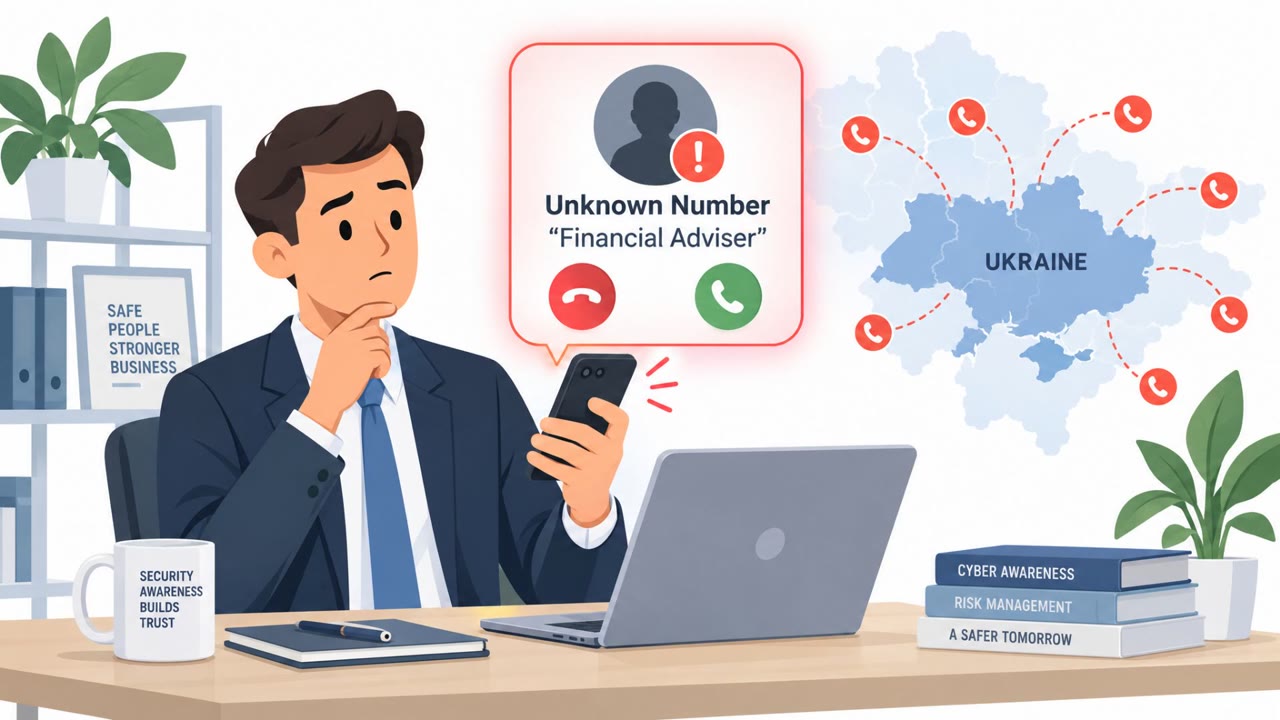
Ukraine’s prosecutor general resigned after investigators alleged officials took bribes to protect fraudulent call centers from police action. The article describes how these scam centers use phone-based impersonation (bank staff, police, financial advisers) and direct victims to fake investment platforms to steal money or gain account access.
Key findings
- Investigators allege officials took bribes starting mid-2025 to shield fraudulent call centers from law enforcement.
- Scam call centers in Ukraine target victims domestically and abroad using large teams of phone operators.
- Scammers commonly impersonate bank employees, police officers, or financial advisers to pressure victims into sending money or giving bank account access.
- Some scams push victims to fake investment platforms; others use caller ID spoofing to appear legitimate.
- A Kyiv call center allegedly stole over $500,000 from dozens of Americans, recruiting English-speaking operators.
Who’s being targeted
- Commonly targeted roles: Finance/AP teams, Executives and managers, All employees (general awareness), Customer support/fraud teams (if applicable).
- Affected industries: Finance and banking, Consumers/individuals.
- Attack channels: vishing, website.
- Impersonated: Bank employee / Police officer, Financial adviser.
Awareness takeaways
- Treat unsolicited calls claiming to be your bank or police as suspicious, hang up and call back using a known, official number.
- Don’t trust caller ID as proof of identity; attackers can make calls look legitimate.
- Be wary of “financial adviser” outreach that pushes you to invest on unfamiliar platforms; independently verify the firm and platform before sending money.
Red flags to watch for
- Unsolicited call asking for account access or money
- Pressure/urgency and authority tactics (bank/police)
- Caller ID may look legitimate due to spoofing
- Unverified adviser reaching out unexpectedly
- Investment opportunity sounds unusually easy/urgent
- Platform cannot be independently verified (new domain, limited company info)
Read the video transcript
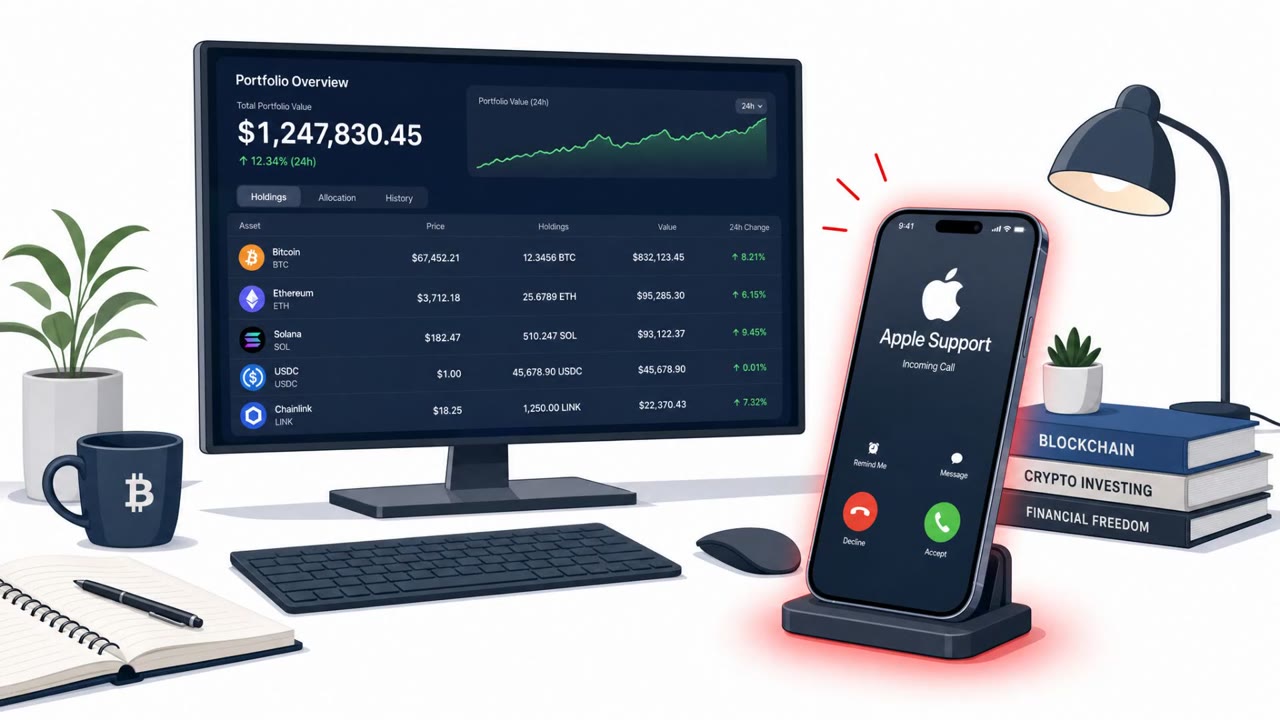
You get a call: “This is your bank’s security team. We see suspicious activity on your account.” Sounds legit, right? In Ukraine, organized call centers used English-speaking teams to pose as bank staff, police, even “financial advisers” and stole over $500,000 from Americans this way. Here’s the trick: they spoof caller ID so it shows your real bank or local police, then pressure you to share login codes or move money to a “safe” or “investment” account on a fake platform. If any caller asks for money or account access, don’t argue, hang up. Then call your bank or the police back using the official number on their website or your card.