YouTube Gamer Tips Pushed Trojan Downloads

Unit 42 · High sophistication
Last updated September 9, 2026

Unit 42 uncovered a large pay-per-install (PPI) malware distribution operation (CL-CRI-1171) that tricked people into downloading trojanized software through YouTube gaming videos and poisoned search results. The lures looked like normal gaming “optimization” content or legitimate utility/driver downloads, but the downloads installed a loader (“OfferLoader”) that delivered multiple malware payloads. The same infrastructure used gating/evasion so scanners saw decoy pages while real users received malware.

Key findings

  • Campaign tracked as CL-CRI-1171 has operated “under the radar for at least two years.”
  • Attackers used two main traffic funnels: “a network of YouTube channels” and “SEO poisoning.”
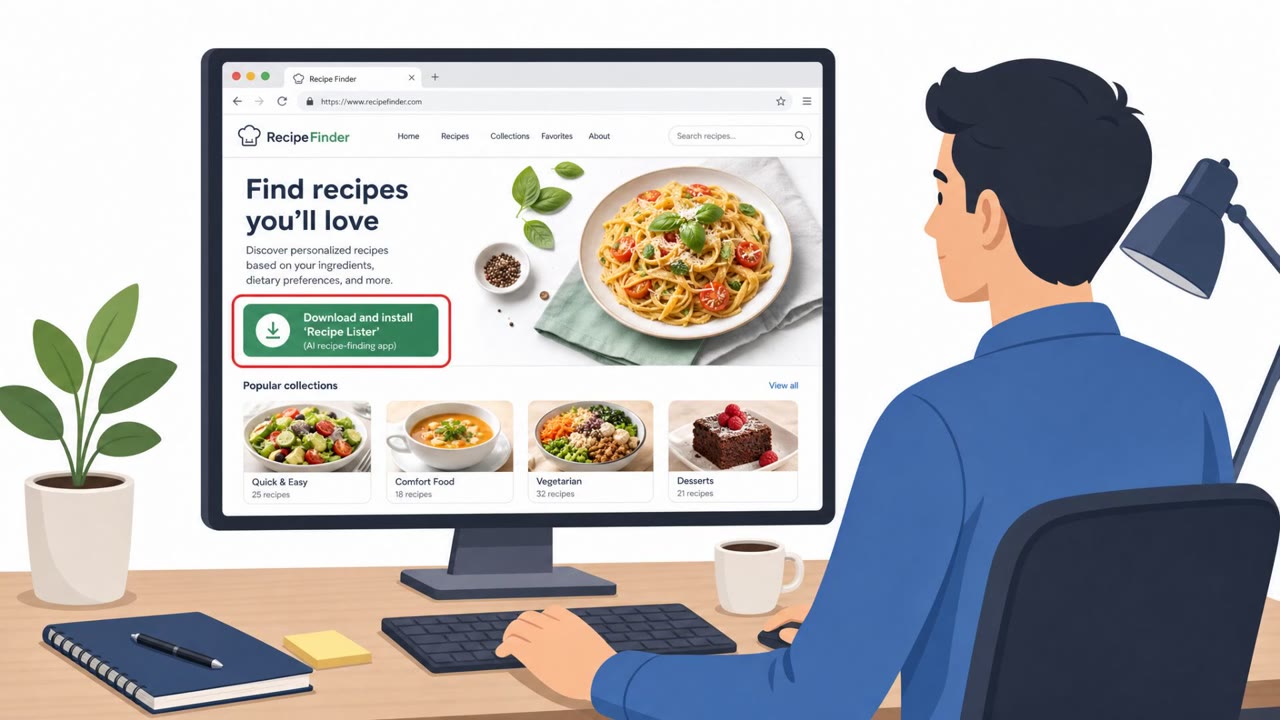
  • YouTube channels posted real gaming tips but included malware download links in descriptions to an “optimization pack”/tool.
  • SEO lures used file-hosting pages with “a fake virus-scan animation” and a “Download File” button.
  • The operation used gating (click_id fingerprinting) to only infect real targets and serve decoys to scanners/analysts.
  • Victims included both “young gamers” and “corporate endpoints, including critical infrastructure and even government entities.”

Who’s being targeted

  • Commonly targeted roles: All employees, IT/Helpdesk, Desktop support, Students/interns, Employees who install software locally.
  • Affected industries: Consumers/young gamers, Corporate enterprises (multiple industries), Critical infrastructure, Government.
  • Attack channels: website, email, linkedin.
  • Impersonated: Legitimate software download site / file-hosting page, Legitimate software vendor/utility (driver/WinDirStat), Gaming optimization YouTube channel / content creator.

Awareness takeaways

  • Treat “download this tool/pack” links from videos and forums as untrusted unless verified through official vendor sources.
  • If a download page shows a “virus scan” or “verification” animation before giving you a file, stop and verify, this is a common trick to build false trust.
  • Be cautious with “routine” driver/utility installs, only install software from official sources or approved company software catalogs.
  • Expect attackers to hide behind gating/decoys; if a link works for one employee but not for security tools, it can still be malicious and should be reported.

Red flags to watch for

  • File-hosting page shows a fake scan/verification step before download
  • Download path uses redirects/gates and may show decoy pages to some visitors
  • Recently registered or unusual domains hosting “legitimate” installers
  • Installer comes from an unexpected domain or file-sharing archive instead of the official vendor site
  • “Too good to be true” convenience (driver/utilities from random download pages)
  • The infection is described as “seemingly routine,” which can lead to skipped verification
  • Links in descriptions go through intermediary sites (not official game/platform sites)
  • Creators push downloads for “tools”/“packs” rather than official settings guidance
  • Content is real/helpful but used as a delivery vehicle
Try Mirage

Mirage safely runs attacks like this one against your own team, so you find out what happens before a real adversary does.

Get a demo
Read the video transcript

You’re on YouTube, watching a legit gaming tips video. In the description: “optimization pack – boost FPS, download here.” You click it and land on a fake download page: big green “Download File” button, a little “Check viruses” animation. It looks safer than the real thing, then quietly drops a trojanized installer instead. Unit 42 found this CL-CRI-1171 campaign pushing trojanized tools like fake Bluetooth drivers and windirstat.exe. Young gamers got hit, and so did corporate endpoints, even critical infrastructure. Here’s the move: if a video or random page says “download this tool,” don’t click. Open a new tab, go to the official vendor site or our software portal, and download it from there.

Categories

Similar attacks

Resume Phish Hit Brazil Banks; AI Aided Ops

Resume Phish Hit Brazil Banks; AI Aided Ops

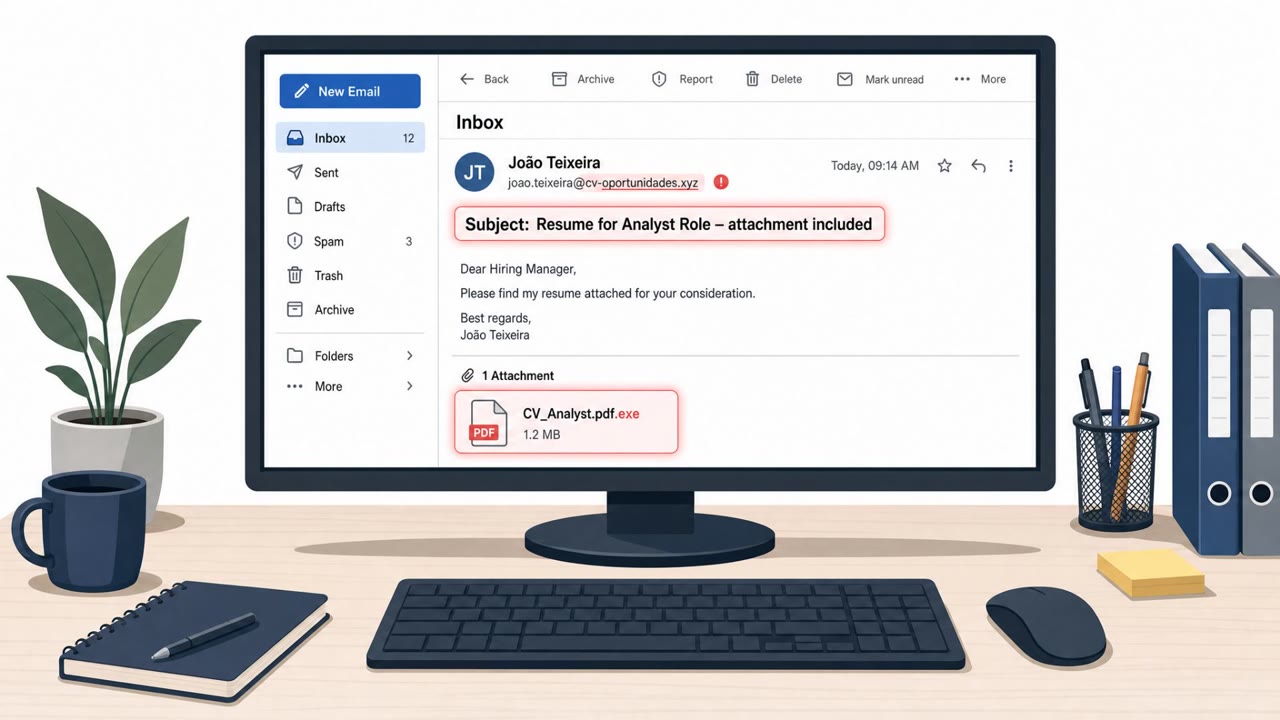
Two real, ongoing intrusion campaigns targeted organizations in Latin America, including a Mexican transportation organization and Brazil’s financial sector. In the Brazil campaign, attackers reportedly got in via a resume-themed phishing attachment, then attempted to download and run tunneling…

September 3, 2026
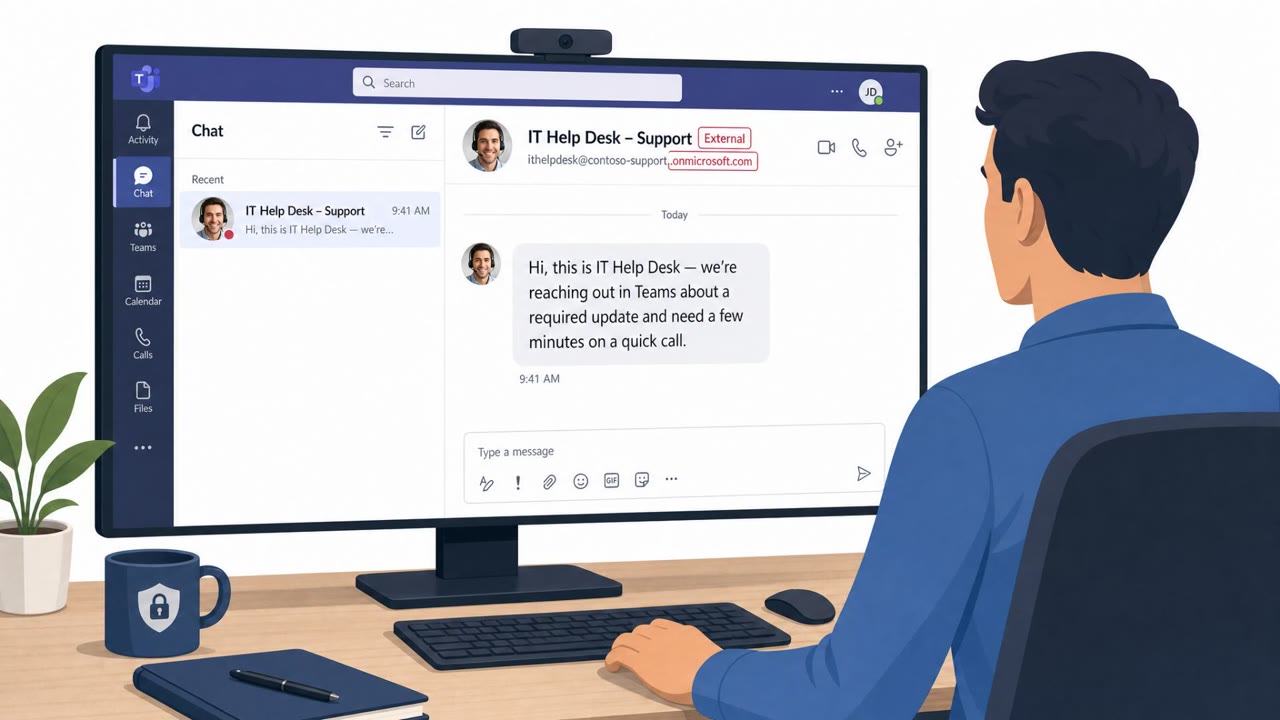
Teams Helpdesk Vishing Pushes Remote Control Tools

Teams Helpdesk Vishing Pushes Remote Control Tools

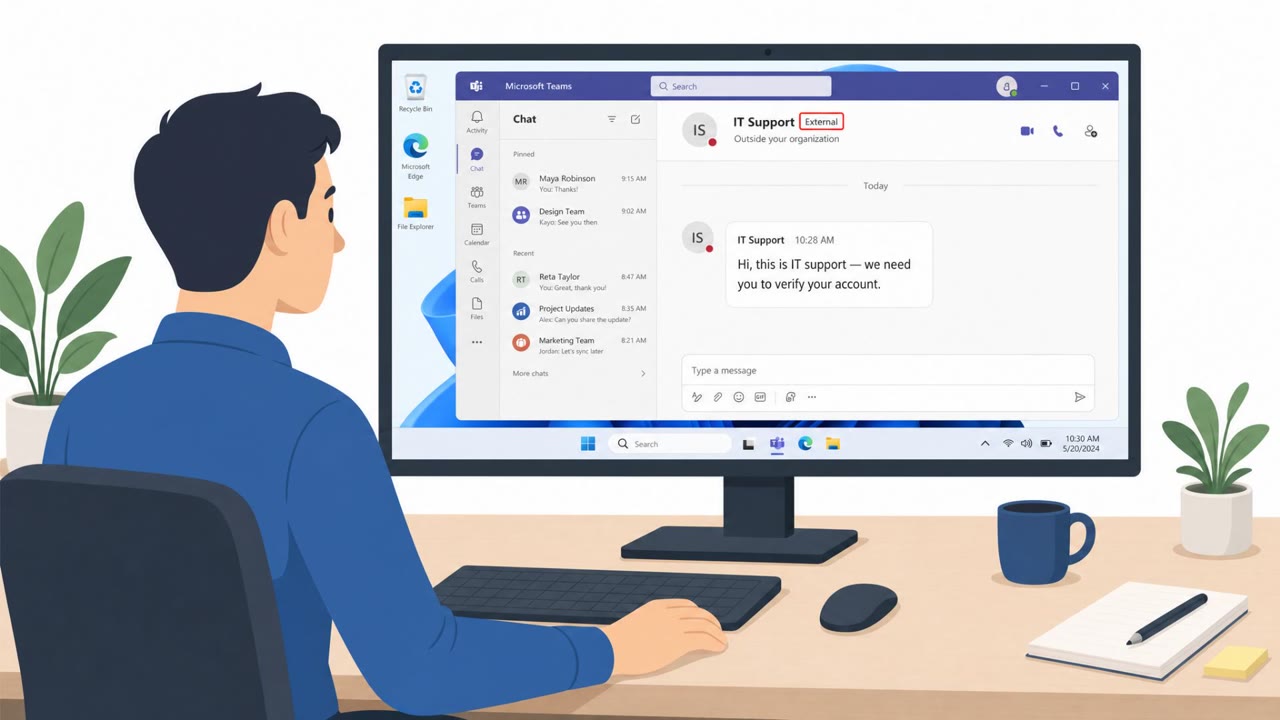
Researchers observed a coordinated social-engineering operation (“Spring Ring”) where attackers used external Microsoft Teams accounts to pose as internal IT help desk staff and start voice calls. Victims were pressured to install remote-control tools (like Quick Assist or other RMM software) or…

August 31, 2026
Fake AI App Installers Spread Backdoors and Ransomware

Fake AI App Installers Spread Backdoors and Ransomware

Palo Alto Networks’ Unit 42 reviewed 405 “AI-linked” malware samples and found most never reached real victims, but a small set did spread in the wild. Several successful samples relied on deception, posing as legitimate installers (e.g., a recipe app, Dropbox, and security software components), to…

August 26, 2026
Fake AI Apps and Signed Installers Spread Malware

Fake AI Apps and Signed Installers Spread Malware

A large review of “AI-enabled malware” found most samples were proof-of-concepts, but a small set were real threats seen in production environments. The real-world activity included trojanized installers that pretended to be legitimate apps (like a recipe app or a Dropbox installer) and relied on…

August 25, 2026
Attackers Phish via Teams & Slack, Not Email

Attackers Phish via Teams & Slack, Not Email

Research and incident examples show attackers increasingly using trusted collaboration tools (like Microsoft Teams and Slack) to impersonate IT/support or known community members, then push victims to phishing sites, approve MFA prompts, or run malicious files. Because messages come through…

August 20, 2026
REVSTEALER Lures Push Fake Cheats, Drop Miners

REVSTEALER Lures Push Fake Cheats, Drop Miners

Researchers tied several new programs to the REVSTEALER Windows info-stealer that can steal crypto wallet data, hijack clipboard crypto addresses, and even disable Windows Update and Microsoft Defender to run a crypto miner. Victims are primarily pulled in through “game-cheat” downloads promoted by…

September 6, 2026