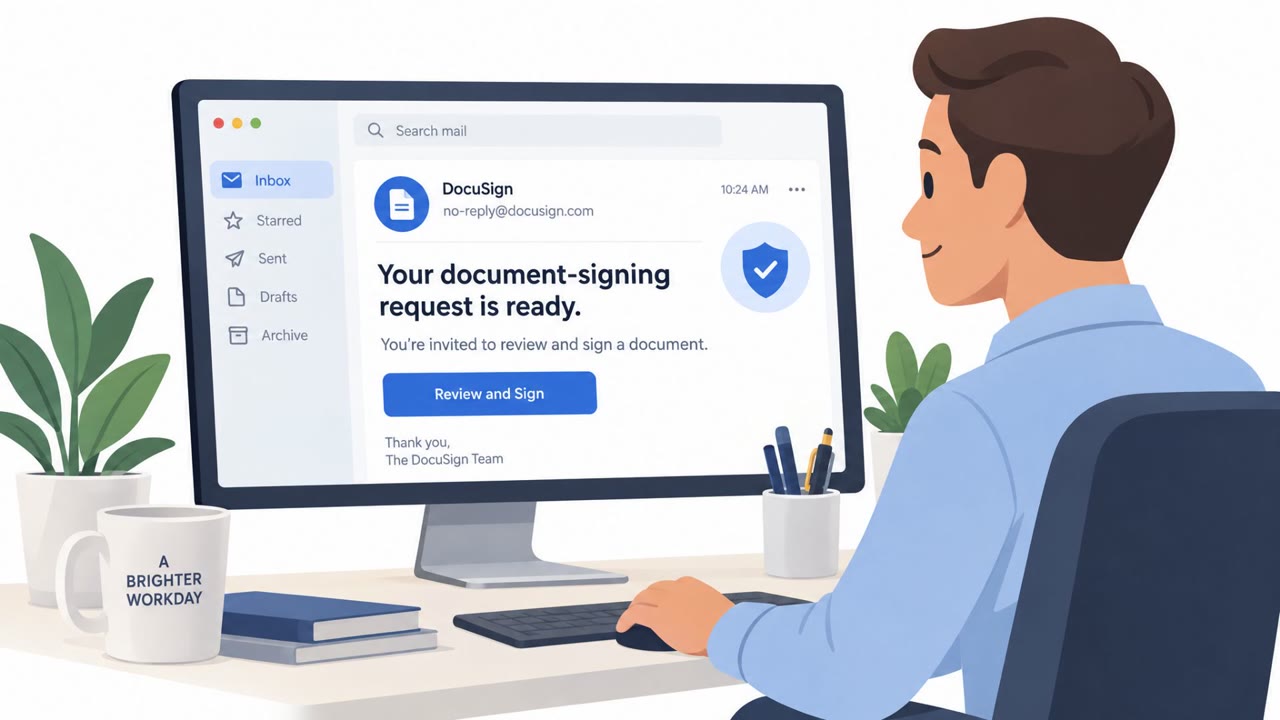
Campaign Spoofing Puts Donors at Risk

The Last Watchdog · Medium sophistication
Last updated October 29, 2026

The FBI warns that scammers are impersonating political candidates and campaigns to solicit donations and steal personal information ahead of the midterms. Attackers use candidates’ names, logos, and AI-generated voices or messages, while weak email authentication can allow fraudulent messages to appear to come from real campaign domains.

Key findings

  • The FBI warned that scammers are using candidates’ names, logos, and AI-generated voices and messages to request campaign donations and steal personal information.
  • DigiCert reviewed 3,756 campaign domains and found that only 18% enforce DMARC, leaving many domains more vulnerable to email impersonation.
  • Scammers can send messages that appear to come from a real campaign and ask supporters to donate or update personal details.
  • AI makes it easier for criminals to personalize convincing phishing messages at scale.
  • The article recommends authenticating all campaign email and moving DMARC from monitoring mode to enforcement.

Who’s being targeted

  • Commonly targeted roles: Voters, Political donors, Campaign staff, Digital campaign managers, Fundraising teams, Communications teams, Board members, Email administrators.
  • Affected industries: Political campaigns, Government, Financial services, Retail, Manufacturing, Nonprofit fundraising.
  • Attack channels: email.
  • Impersonated: A real political candidate or campaign.

Awareness takeaways

  • Treat unexpected political donation requests cautiously, even when they use familiar campaign names and logos. Navigate independently to the campaign’s official website rather than using a link in an unsolicited message.
  • Do not provide personal information in response to an unexpected campaign email. Verify the request through a trusted, independently found campaign contact channel.
  • Organizations that send fundraising or customer-facing email should enforce DMARC, not merely monitor it, to reduce domain spoofing and impersonation risk.
  • Assume phishing messages can be convincing and personalized. Good judgment should include independent verification, not just checking whether a message looks professionally written.

Red flags to watch for

  • The sender may be spoofing a campaign domain rather than using an authorized campaign email system.
  • An unexpected request for money or personal details creates urgency around a political event.
  • Campaign branding, logos, and candidate names can be copied and are not proof that a message is legitimate.
Try Mirage

Mirage safely runs attacks like this one against your own team, so you find out what happens before a real adversary does.

Get a demo
Read the video transcript

A donation email looks like it came from your candidate. Did it? It says, ‘Support our campaign, make your donation today.’ The logo looks right. Even the campaign domain may appear in the sender line. The link asks for money or personal details. Here’s the catch: a displayed campaign domain isn’t proof. DigiCert found only eighteen percent of campaign domains enforce DMARC, which helps block spoofed email. AI-written messages can sound personal, too. Want to donate? Open the campaign’s official website yourself, not the email link.

MITRE ATT&CK techniques

T1656 - ImpersonationT1566.002 - Phishing: Spearphishing Link · PhishingT1598 - Phishing for Information

Similar attacks

AI-Crafted Emails Hide the Usual Warning Signs

AI-Crafted Emails Hide the Usual Warning Signs

Proofpoint described real campaigns where attackers used highly tailored, AI-style messages to make phishing and payment fraud requests appear routine. Examples included property enquiries that led to malicious meeting invitations, device-code phishing pages disguised as business services, and fake…

October 21, 2026
Attackers Hide Malware in Trusted Email Threads

Attackers Hide Malware in Trusted Email Threads

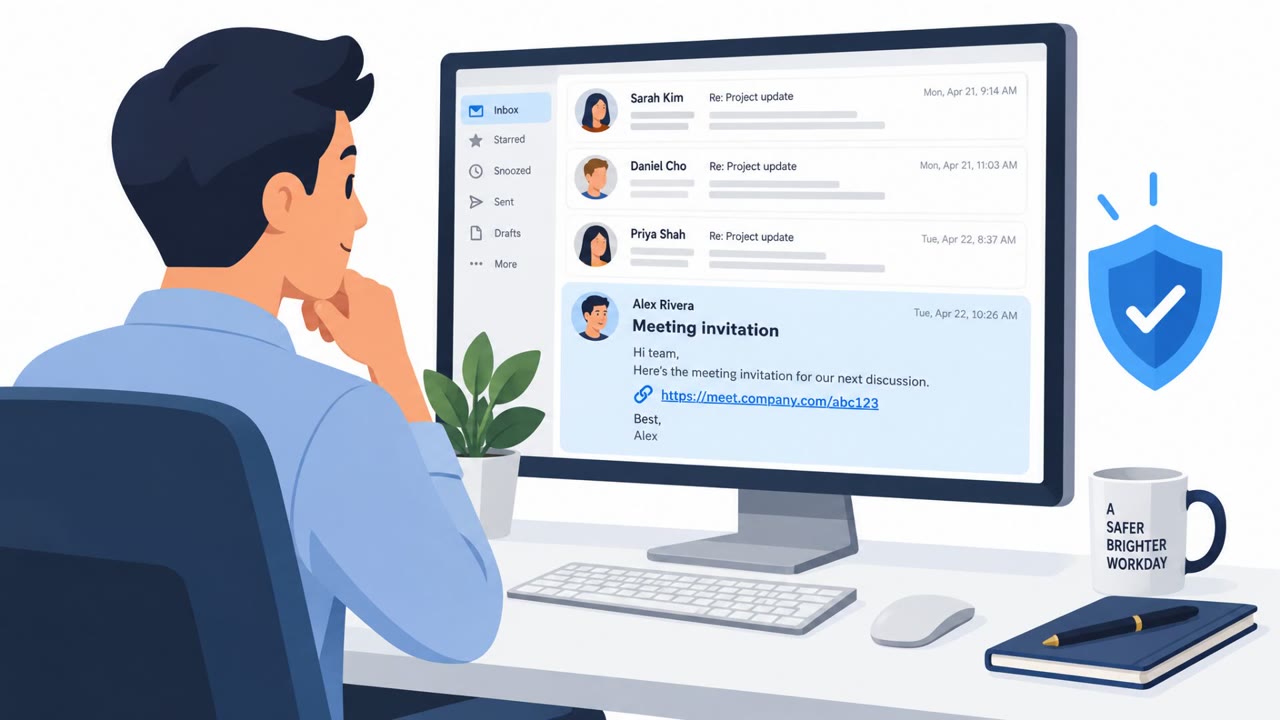
Threat actors are hijacking existing email conversations, or patiently starting new ones, to build trust before sending a malicious reply. The final message commonly poses as a meeting invitation, secure message, shared file, or important document and leads to credential theft or remote-access…

October 21, 2026
Amatera Uses Fake AI Tools to Steal Data

Amatera Uses Fake AI Tools to Steal Data

Amatera is a subscription-based information stealer that affiliates distribute through fake AI-tool download pages, compromised websites, paid search ads, phishing, and deceptive ClickFix prompts. The scams convince people to copy and run a command to supposedly fix a CAPTCHA, browser error, or…

October 30, 2026
OAuth Phishing Turns MFA Into a Bypass

OAuth Phishing Turns MFA Into a Bypass

Attackers are using real OAuth sign-in and consent flows to steal access tokens or trick users into authorizing malicious apps. Because the victim signs in through a legitimate identity provider and completes MFA, attackers can gain durable access that may survive password resets. The article…

October 22, 2026
Fake Job Lures Target Drone Firms and Developers

Fake Job Lures Target Drone Firms and Developers

ESET reports that North Korea-aligned Lazarus actors resumed using recruitment-themed social engineering to target the drone sector. A related North Korea-aligned operation, DeceptiveDevelopment, shifted from fake job interviews to compromising software supply chains by stealing developer…

October 29, 2026
Stolen Microsoft 365 Tokens Hit 79 Organizations

Stolen Microsoft 365 Tokens Hit 79 Organizations

Attackers used fake Microsoft sign-in pages and device-code phishing to capture or obtain authenticated Microsoft 365 sessions, bypassing the need to repeat multi-factor authentication. They then took over accounts, added their own devices and authentication methods, and hid messages with inbox…

October 27, 2026