AI Deepfake BEC Drains €95M via WhatsApp

Biometric Update · High sophistication
Last updated October 16, 2026

A real-world business email compromise-style fraud hit Italian bank Fideuram after criminals impersonated executives using WhatsApp and an AI-cloned voice on a follow-up call. Staff were persuaded to transfer funds to foreign accounts before the scam was discovered, showing how AI makes familiar impersonation tactics more convincing and costly.

Key findings

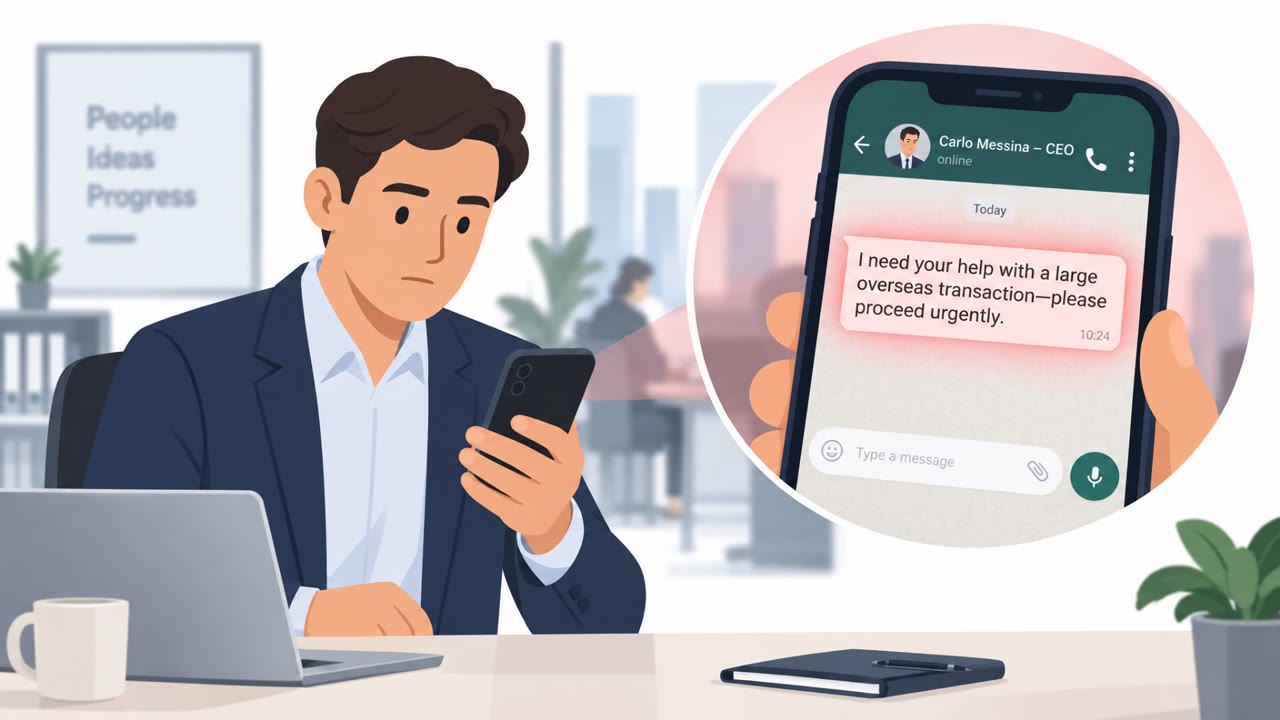
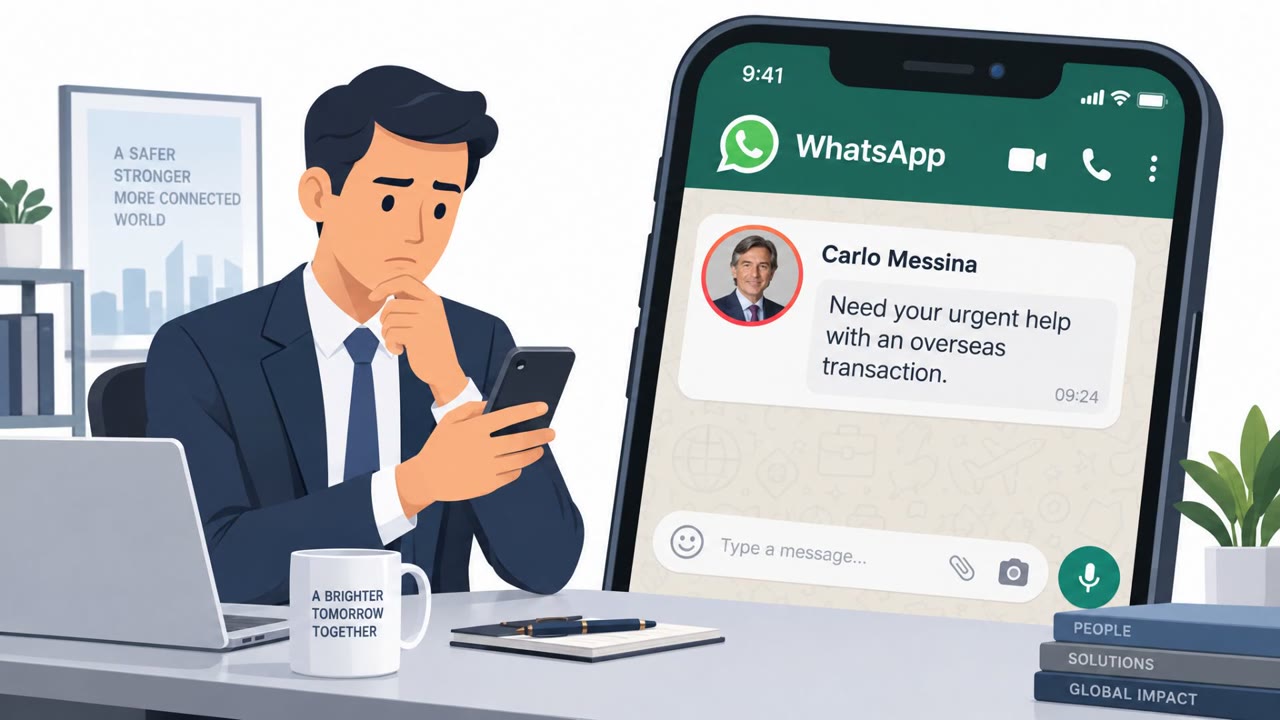
  • Fraudsters stole €95 million from Fideuram by impersonating senior executives, starting with a WhatsApp message and escalating to a phone call using an AI-cloned voice.
  • The requested action was a funds transfer to foreign accounts; the bank only discovered the fraud after transfers were made (with partial recovery reported).
  • The incident illustrates how AI can amplify traditional impersonation scams by making voice and identity spoofing more believable.

Who’s being targeted

  • Commonly targeted roles: Finance, Treasury, Accounts Payable, Payment operations, Executive assistants.
  • Affected industries: Banking, Financial services.
  • Attack channels: whatsapp, vishing.
  • Impersonated: Intesa Sanpaolo CEO Carlo Messina and a senior lawyer.

Awareness takeaways

  • Treat WhatsApp (and other consumer messengers) as high-risk for payment instructions; require verification via an approved internal channel before acting.
  • Do not approve or execute high-value transfers based on voice alone; use call-back to known numbers and step-up verification for unusual requests.
  • Add extra controls for “executive” requests that bypass normal workflows (urgency, secrecy, or new destination accounts), since these are common fraud patterns.

Red flags to watch for

  • Request arrives via WhatsApp rather than normal corporate approval channels
  • Pressure/urgency and secrecy around a large transfer
  • Caller identity relies on voice alone (potential AI voice cloning)
Try Mirage

Mirage safely runs attacks like this one against your own team, so you find out what happens before a real adversary does.

Get a demo
Read the video transcript

Imagine this WhatsApp: “Hi, it’s Carlo. I need you to process an urgent, confidential transfer now.” That’s how fraudsters drained ninety-five million euros from Fideuram, WhatsApp first, then a follow-up call with an AI-cloned “senior lawyer” voice to seal the deal. Here’s the trap: big, urgent, secret transfer; instructions via WhatsApp, not our normal workflow; and you’re told, “You recognize my voice, right?” That voice can now be AI. If you ever get payment instructions on WhatsApp or a call like this, stop and move it into our official process, call back on a known number and log the request in our approved system before doing anything.

Similar attacks

AI Impersonators Trick Bank Into $108M Transfers

AI Impersonators Trick Bank Into $108M Transfers

Fraudsters impersonated senior leaders at Intesa Sanpaolo using WhatsApp and an AI-cloned voice call to convince Fideuram’s chair to authorize urgent overseas transfers. The finance team then sent multiple payments to foreign accounts (mainly China and Hong Kong), and only part of the money has…

October 15, 2026
AI Voice + WhatsApp Scam Drains €95M Bank

AI Voice + WhatsApp Scam Drains €95M Bank

Scammers impersonated Intesa Sanpaolo’s CEO via a fake WhatsApp message and then used an AI-cloned voice posing as a law-firm partner to pressure Fideuram’s chairman into approving an overseas transfer. The bank sent €95 million to foreign accounts (including China and Hong Kong) before detecting…

September 28, 2026
Fake FBI ‘IC3 Help’ Scams Hit Victims Twice

Fake FBI ‘IC3 Help’ Scams Hit Victims Twice

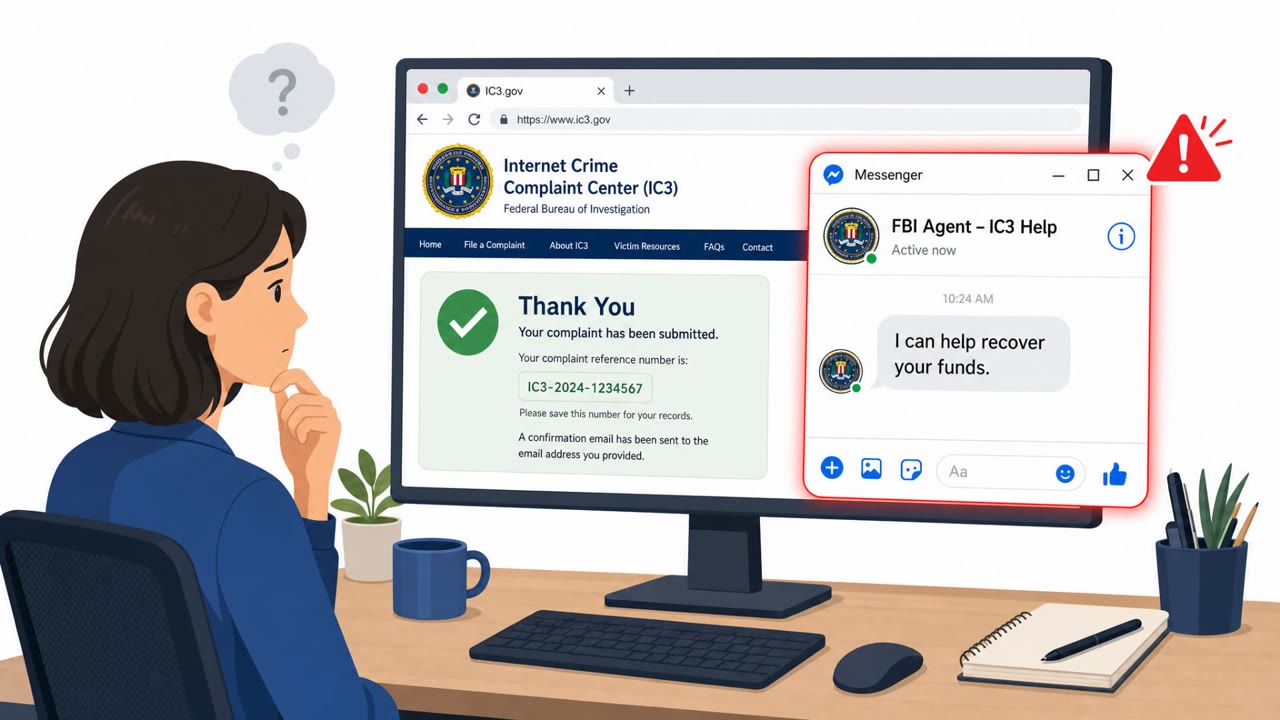
The FBI warns scammers are impersonating FBI/IC3 staff and re-targeting people who already lost money to fraud. The scammers use emails, phone calls, social media messages, and even AI-generated videos to push victims to spoofed IC3 websites or to hand over more personal and financial information,…

July 21, 2026
Fraudulent Gov Email and Passkey Lures Hit Orgs

Fraudulent Gov Email and Passkey Lures Hit Orgs

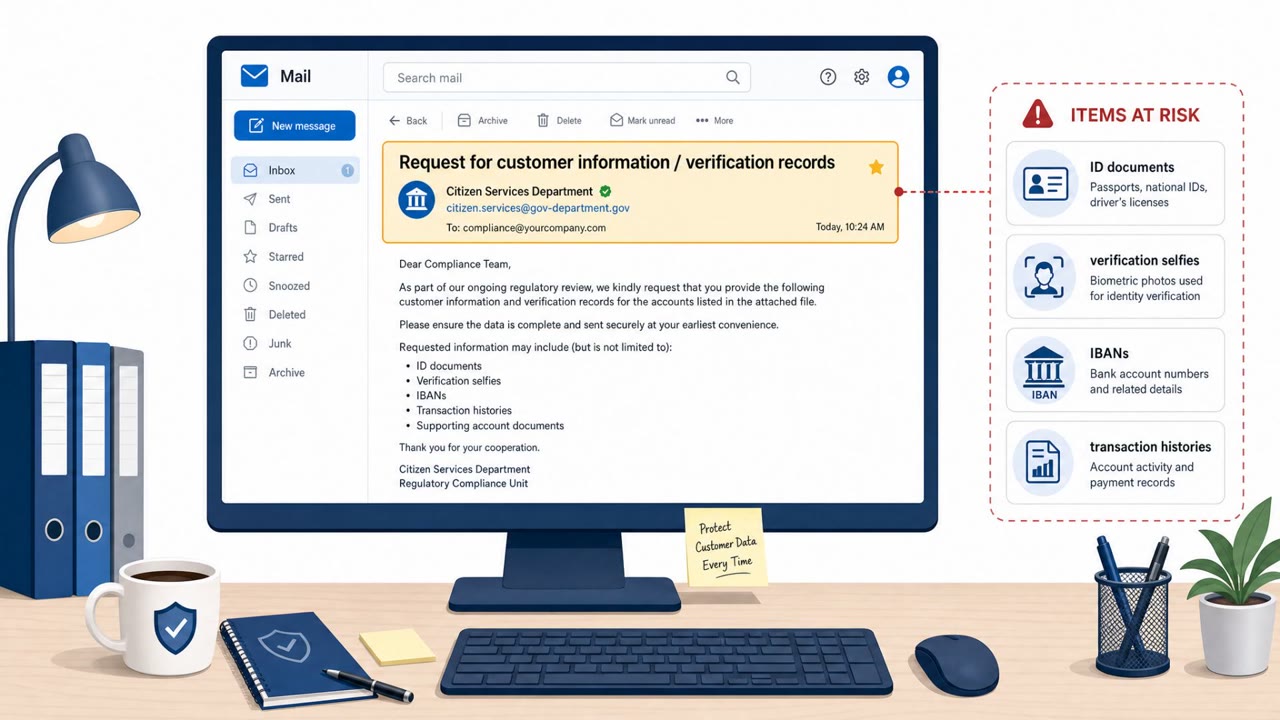
The bulletin describes real-world social engineering where staff were tricked into disclosing sensitive data or access. In one case, Revolut employees responded to fraudulent information requests sent from a real government-domain email account, exposing extensive customer records. Separately,…

September 14, 2026
INTERPOL Busts Scam Laundering Network: 58 Arrests

INTERPOL Busts Scam Laundering Network: 58 Arrests

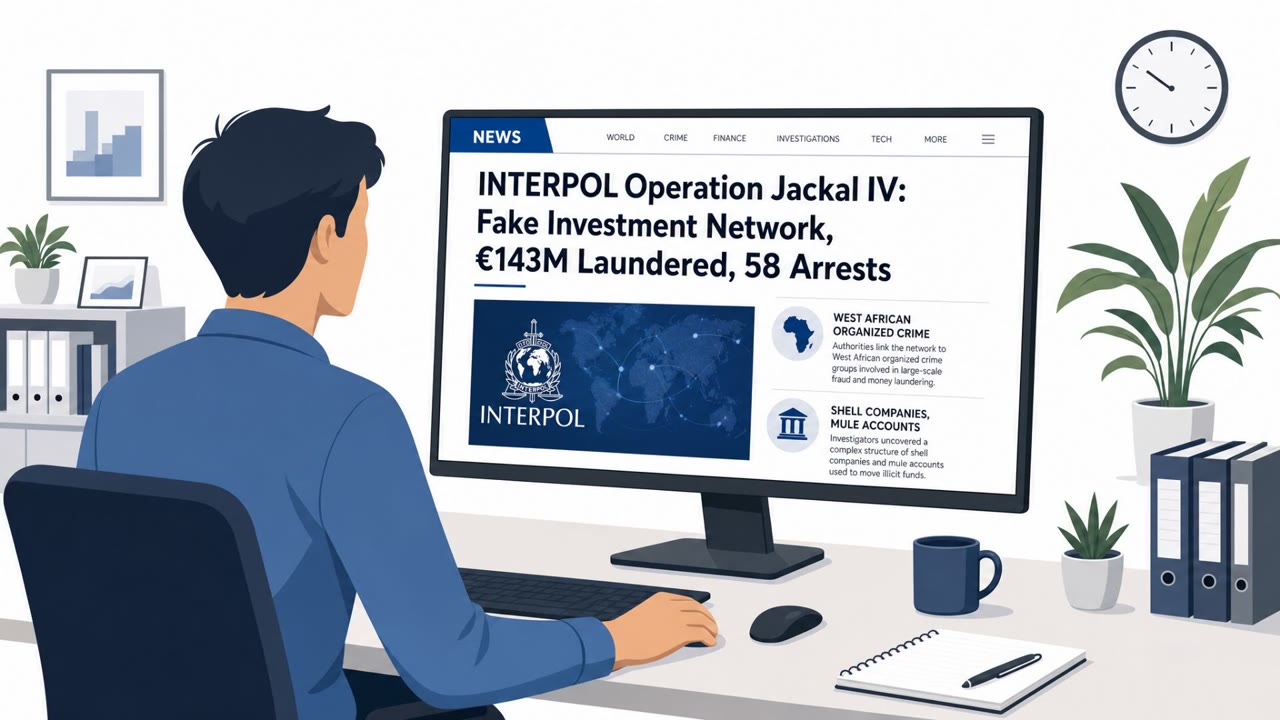
INTERPOL’s Operation Jackal IV (Nov 2025–Jun 2026) targeted the money-laundering backbone behind global online scams, leading to 58 arrests and 263 suspects linked to West African organized crime groups. Cases included romance/investment scams targeting retirees, a fake-investment call center tied…

August 26, 2026
Interpol Sting Hits Black Axe Scam Networks

Interpol Sting Hits Black Axe Scam Networks

Interpol said Operation Jackal IV arrested dozens and disrupted West Africa–linked criminal networks tied to scams and money laundering, including Black Axe. The cases described include a call-center “investment” scam, romance/investment scams targeting retirees, and sextortion of teenagers on…

August 25, 2026