AI Supercharges Holiday Shopping Scams

Malwarebytes · Medium sophistication
Last updated November 17, 2026

Holiday scammers are using AI to build convincing fake stores, product images, reviews, and personalized messages that imitate trusted retailers and delivery services. The article documents shoppers who paid fake sellers, received products unlike the advertised images, or encountered personalized phishing messages designed to get a response or payment.

Key findings

  • More than one in four surveyed consumers, 28%, said they experienced an AI-related shopping scam in the past year.
  • Scammers use AI-generated storefronts, product photographs, reviews, and promotions to make fraudulent shops appear legitimate.
  • A documented Facebook Marketplace phishing scam paired a victim's name and phone number with a fake listing to encourage a response.
  • Amazon was the most impersonated retail brand in Malwarebytes threat-intelligence data, followed by Walmart, Temu, Costco, and Steam.
  • Common delivery lures claim a parcel is delayed or undeliverable, request a small fee or address confirmation through a link, and use short deadlines to create urgency.
  • The article advises users to access retailers through their official sites rather than links in unexpected messages.

Who’s being targeted

  • Commonly targeted roles: All employees, Online shoppers, Finance and purchasing staff, Customer service teams, Employees who use personal devices for work.
  • Affected industries: Retail and e-commerce, Postal and delivery services, Online marketplaces, Consumer services.
  • Attack channels: website, smishing.
  • Impersonated: An apparently legitimate online shoe retailer, USPS, Facebook Marketplace.

Awareness takeaways

  • Do not use links in unexpected delivery or retailer messages; visit the retailer or carrier through a known official website instead.
  • Treat urgency, countdowns, and final-notice language as a reason to pause and verify, not as a reason to act faster.
  • Verify unfamiliar stores independently by comparing reviews, product photos, and details across multiple sources before paying.
  • Do not assume a message is genuine because it includes your name, phone number, or purchase-related details.

Red flags to watch for

  • The seller is unfamiliar despite having a polished website.
  • Product images or reviews may be AI-generated or manipulated.
  • The purchased product may never arrive.
  • An unexpected delivery message asks for payment or personal details.
  • A short deadline or “final notice” creates pressure to act immediately.
  • The link uses a lookalike delivery-company domain or off-brand URL.
  • The sender knows personal details but is still unverified.
  • An unsolicited message attempts to start a conversation about a listing.
  • Replying is used to move the victim into a potentially costly scam.
Try Mirage

Mirage safely runs attacks like this one against your own team, so you find out what happens before a real adversary does.

Get a demo
Read the video transcript

Holiday shopping? That USPS text could be the scam. It says, ‘Missed delivery: You have 48 hours.’ Tap the link, and a USPS-looking page asks for a small fee or your address. Here’s the trick: AI can polish a fake shoe store, its photos, and reviews too. A familiar logo, or even your name, doesn’t prove it’s real. Skip the message link. Open the retailer or carrier’s official website yourself.

Categories

Similar attacks

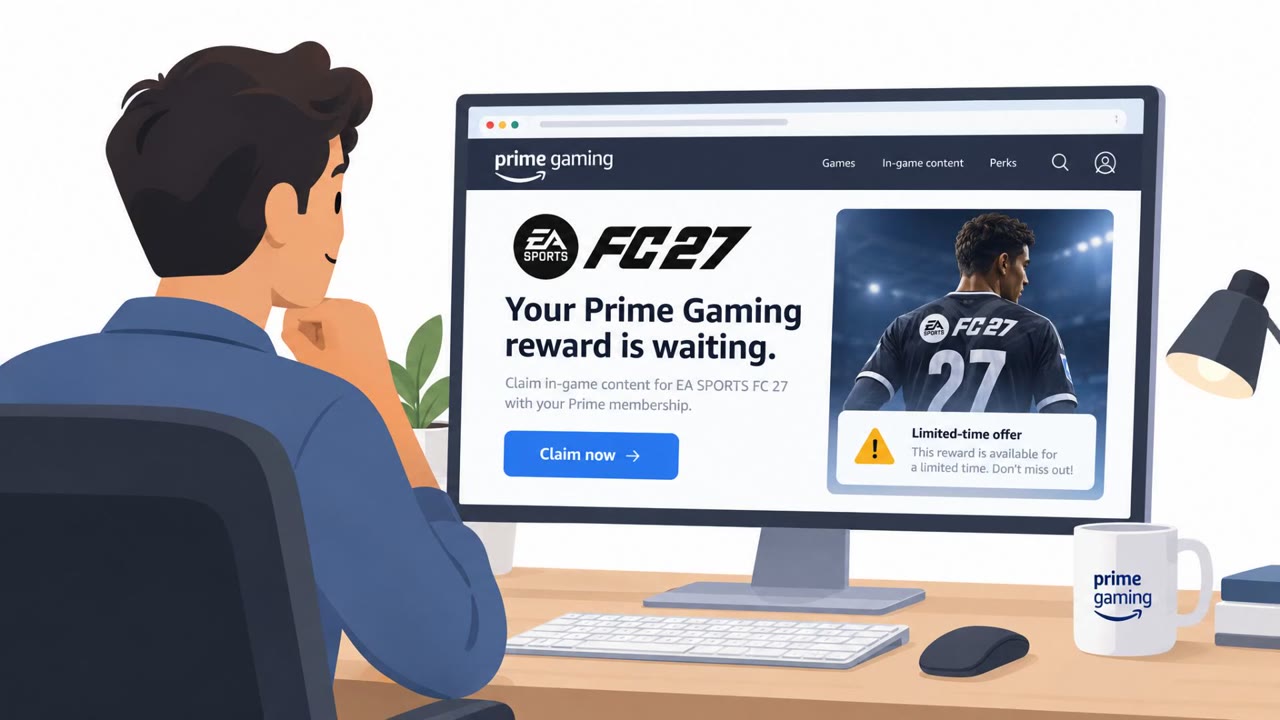
Fake Prime Gaming Offer Steals EA Logins

Fake Prime Gaming Offer Steals EA Logins

Researchers identified a fake FC 27 and Prime Gaming reward site that imitates EA’s login process to steal gamers’ email addresses, passwords, and two-factor authentication codes. The site promises free rewards, falsely claims it will send users to EA’s authorization page, and then redirects…

November 16, 2026
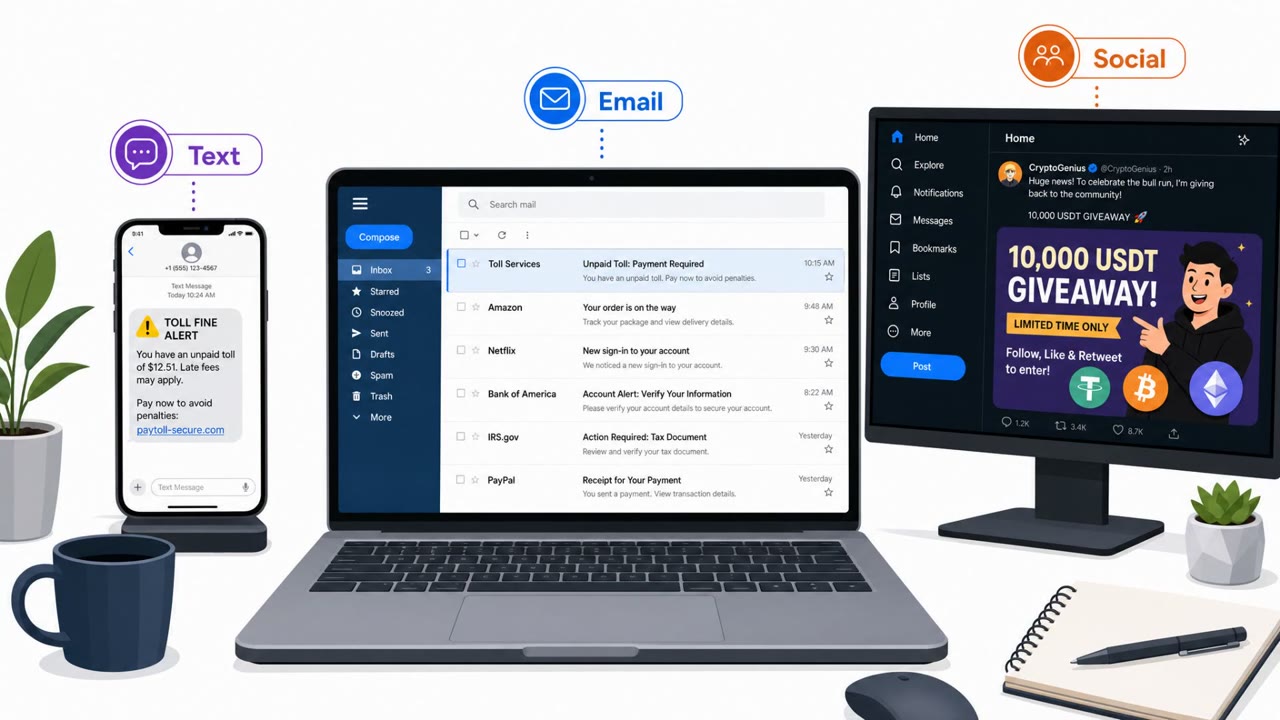
Scammers Shift Lures to Email, Text, and Social

Scammers Shift Lures to Email, Text, and Social

Malwarebytes reports that scammers are increasingly tailoring different scams to the platforms where they work best, like unpaid-toll lures via email/SMS, romance scams via social media, and IRS scams via phone calls. The report highlights heavy brand and celebrity impersonation (including MrBeast)…

September 2, 2026
Five Election Scams Target Voters

Five Election Scams Target Voters

This article describes real election-themed scams that use fake voter-support messages, political donation appeals, survey prizes, official-looking penalty notices, and bogus campaign merchandise. The scams pressure voters to click fraudulent links, share personal or payment information, download…

October 27, 2026
Microsoft Busts Phishing Kits Behind 1B Scams

Microsoft Busts Phishing Kits Behind 1B Scams

Microsoft and partners disrupted three "phishing-as-a-service" kits that enabled criminals to send more than a billion phishing emails and SMS messages worldwide. The kits provided ready-made fake brand pages (government, finance, logistics, consumer brands) designed to steal login credentials and…

October 15, 2026
Phishing-as-a-Service Network Pushed 1B Lures

Phishing-as-a-Service Network Pushed 1B Lures

Microsoft reports disrupting a Chinese-language “phishing-as-a-service” ecosystem that sold phishing kits and “legitimate-looking” cloud infrastructure to criminals worldwide. The operation enabled large-scale email and SMS phishing that impersonated trusted brands (government, delivery,…

October 14, 2026
Revolut Smishing Uses Fake Identity Check

Revolut Smishing Uses Fake Identity Check

Following a Revolut data breach, scammers sent text messages that appeared to come from the same message thread as legitimate Revolut texts. The texts pushed victims to click a link for a fake identity “liveness check,” request camera access, and then capture passwords, information that could be…

September 21, 2026