Fake Prime Gaming Offer Steals EA Logins

Malwarebytes · Medium sophistication
Last updated November 16, 2026

Researchers identified a fake FC 27 and Prime Gaming reward site that imitates EA’s login process to steal gamers’ email addresses, passwords, and two-factor authentication codes. The site promises free rewards, falsely claims it will send users to EA’s authorization page, and then redirects victims to the real EA site after collecting their details.

Key findings

  • The phishing site uses EA and Prime Gaming branding to promise FC 27 rewards and persuade visitors to connect an EA account.
  • The fake login flow collects an email address, password, and, when enabled, a six-digit EA two-factor authentication code.
  • Submitted information is sent to the attacker-controlled server fedserv.thenewsip[.]site.
  • After stealing credentials, the page redirects victims to EA’s legitimate Ultimate Team web app, which may make the prior login flow appear credible.
  • The phishing kit records traffic-source information and recognizes referrals associated with Facebook, Messenger, Meta Audience Network, Instagram, and TikTok.
  • The kit can alternatively display a plain fake EA login page and can show a false message claiming the victim is enrolled for weekly FC 27 rewards.

Who’s being targeted

  • Commonly targeted roles: Online gamers, EA account holders, EA SPORTS FC players, Ultimate Team players, Consumer account-security teams.
  • Affected industries: Video gaming, Online gaming platforms, Consumer digital services, Entertainment.
  • Attack channels: website.
  • Impersonated: EA and Prime Gaming, EA sign-in service.

Awareness takeaways

  • Navigate to EA by typing ea.com yourself rather than signing in through reward links, advertisements, or social posts.
  • Check the full web address before entering a password or security code; an EA-looking page is not legitimate unless it is on ea.com or a genuine EA subdomain.
  • Never provide a two-factor authentication code to complete a login you did not personally begin on the genuine EA site.
  • If credentials were entered, immediately change the EA password and review trusted devices, linked accounts, account email, and purchases.

Red flags to watch for

  • The offer is hosted on a non-EA domain rather than ea.com or accounts.ea.com.
  • The page promises an official EA authorization page but remains on the same domain.
  • An unsolicited free pack or reward offer creates urgency to sign in.
  • The EA-style sign-in form is hosted on the scammer’s domain.
  • A verification code is requested after a login the player did not initiate directly at EA.
  • Social sign-in buttons are displayed but do not work, steering users to type credentials manually.
Try Mirage

Mirage safely runs attacks like this one against your own team, so you find out what happens before a real adversary does.

Get a demo
Read the video transcript

“Your Prime Gaming reward is waiting.” Free FC 27 pack? Hold on. It says you’ll continue to EA’s official authorization page. Instead, the button keeps you on the same non-EA domain, where a copied EA sign-in asks for your email and password. Then “Verify your identity” asks for your six-digit EA code. The details go to fedserv.thenewsip[.]site. Here’s the trick: it redirects to the real EA Ultimate Team app afterward. A real EA page at the end doesn’t undo that. For rewards, type ea.com yourself and start there.

Similar attacks

Fake Amazon Music Deal Steals Creator Logins

Fake Amazon Music Deal Steals Creator Logins

A phishing campaign targets YouTube creators with a fake, invite-only Amazon Music advertising deal. The fraudulent site uses each creator’s real public channel statistics to appear legitimate, then places a fake Google sign-in screen over the page to capture Google passwords and multi-factor…

October 21, 2026
Fake AI Tool Ads Put Developers at Risk

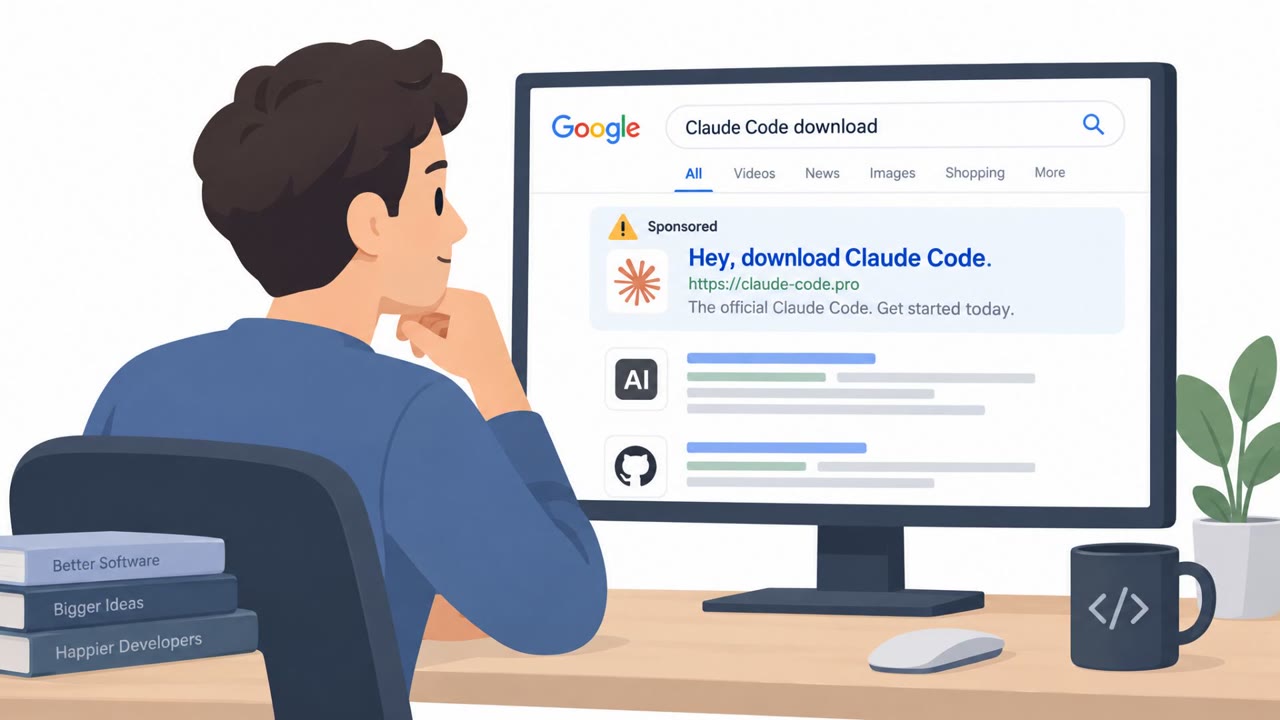
Fake AI Tool Ads Put Developers at Risk

The discussion highlights real malicious advertising and search-result poisoning campaigns that lure people looking for AI tools into downloading credential-stealing malware. Attackers make fake AI-tool links appear trustworthy by using sponsored search links and legitimate hosting platforms,…

November 9, 2026
Fake $750 Apple Cash Offer Pays Nothing

Fake $750 Apple Cash Offer Pays Nothing

Researchers found a fake Apple Cash reward page that promises $750 after a supposed device verification. Instead of paying users, it pushes them through affiliate links to install apps, create accounts, and play games while using fake verification steps and countdown pressure. The page is not…

November 4, 2026
Fake “Meta Careers” Calendly Pages Steal Logins

Fake “Meta Careers” Calendly Pages Steal Logins

A wave of fake websites impersonates Calendly booking pages for “Meta Careers” job interviews. After victims select an interview time and complete a fake CAPTCHA, the site prompts them to log in to Facebook and then Google, capturing passwords and even two-factor authentication codes in real time.…

October 14, 2026
Fake ChatGPT Billing Emails Steal Card Details

Fake ChatGPT Billing Emails Steal Card Details

Check Point reports that scammers are now impersonating ChatGPT/OpenAI in phishing campaigns, reflecting how mainstream the service has become. One documented example used a fake “ChatGPT Plus payment failure” notice that sent victims to a fraudulent payment page designed to capture full credit…

July 28, 2026
AI Supercharges Holiday Shopping Scams

AI Supercharges Holiday Shopping Scams

Holiday scammers are using AI to build convincing fake stores, product images, reviews, and personalized messages that imitate trusted retailers and delivery services. The article documents shoppers who paid fake sellers, received products unlike the advertised images, or encountered personalized…

November 17, 2026