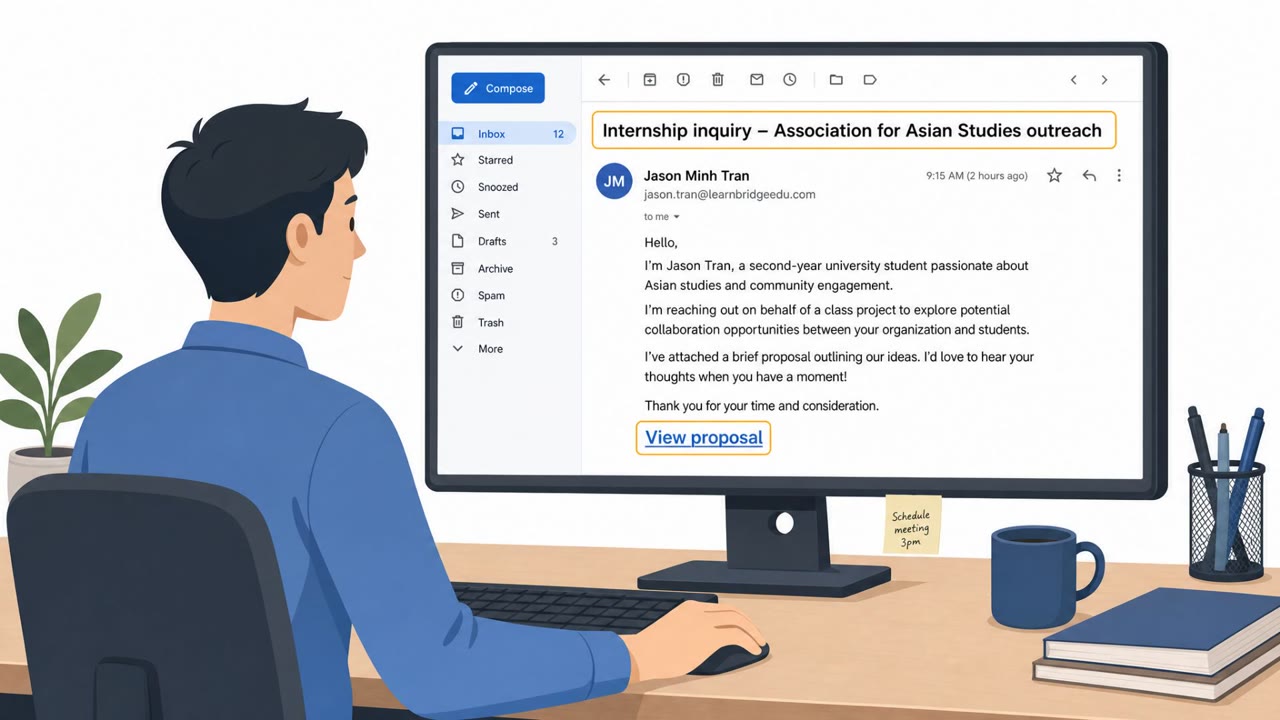
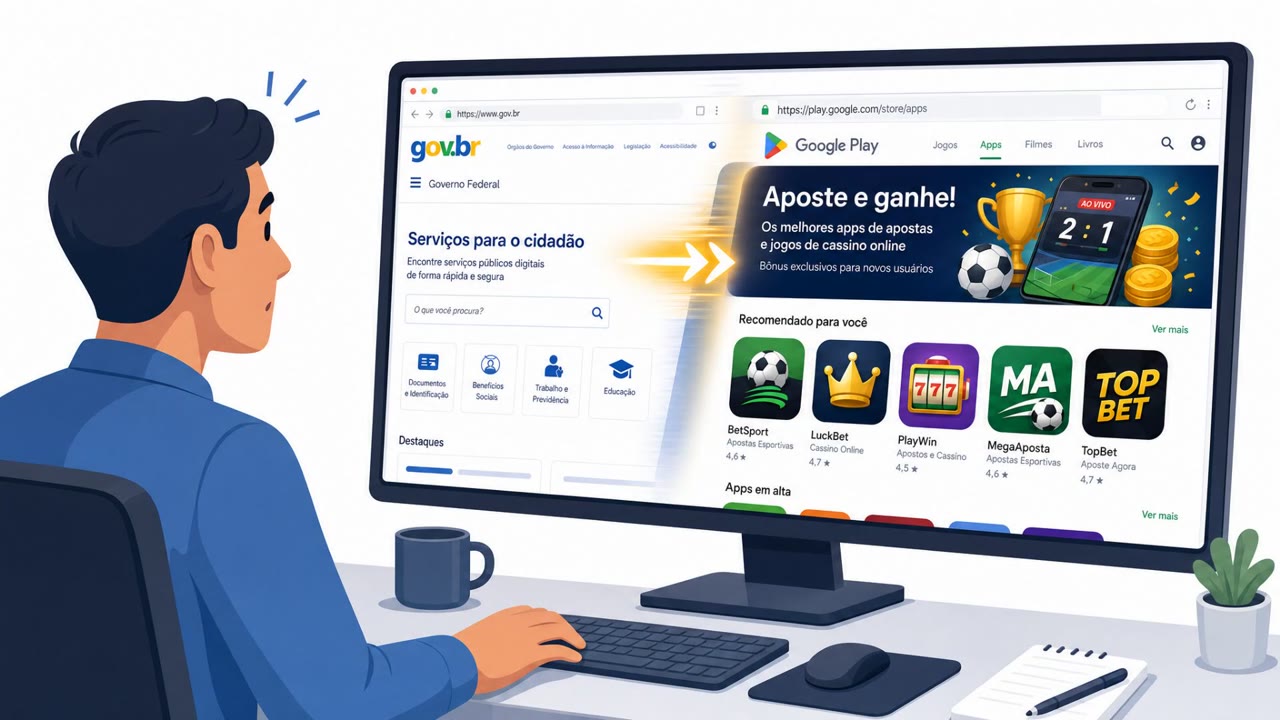
Microsoft reports disrupting a Chinese-language “phishing-as-a-service” ecosystem that sold phishing kits and “legitimate-looking” cloud infrastructure to criminals worldwide. The operation enabled large-scale email and SMS phishing that impersonated trusted brands (government, delivery, healthcare, finance) to steal logins and payment card data from organizations across multiple sectors.
How the attack worked
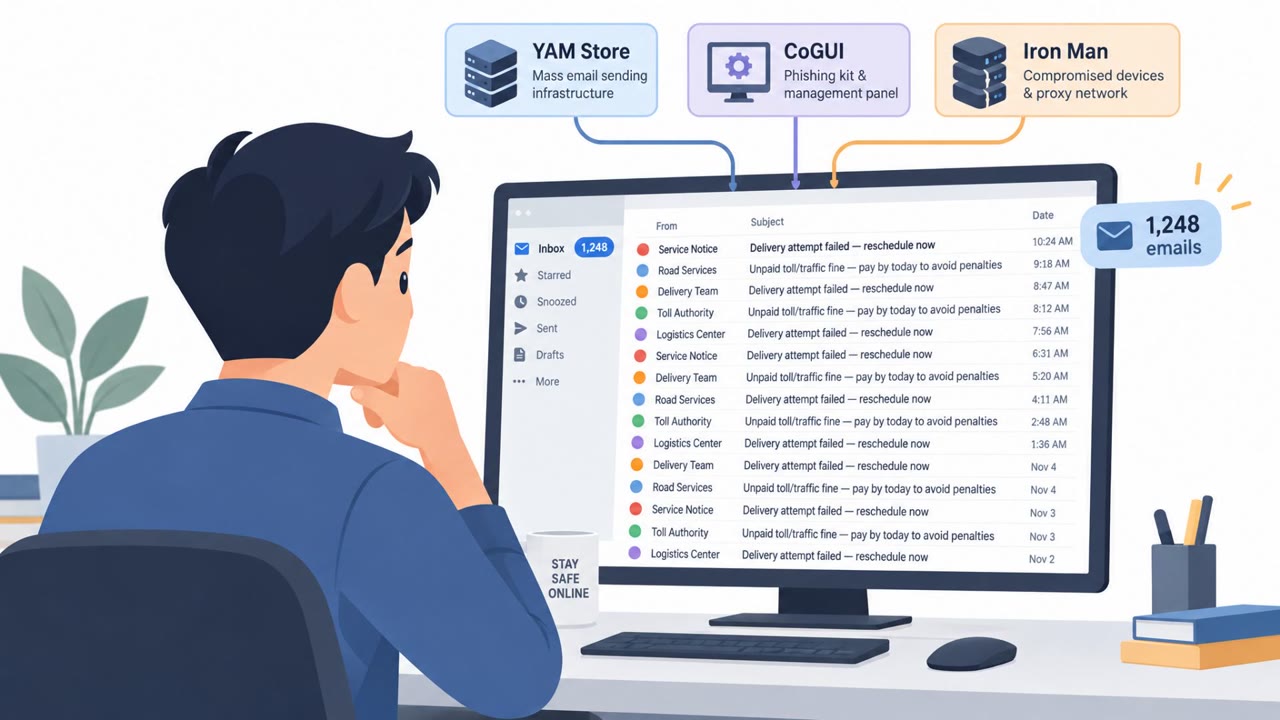
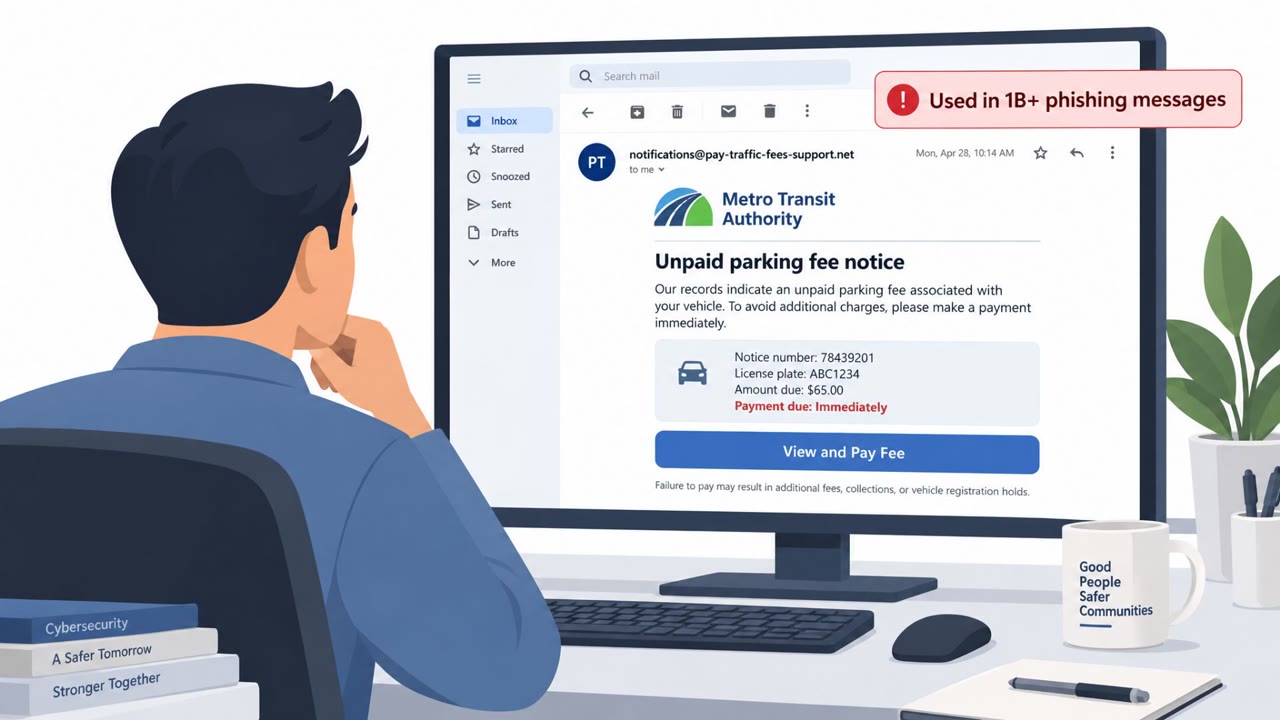
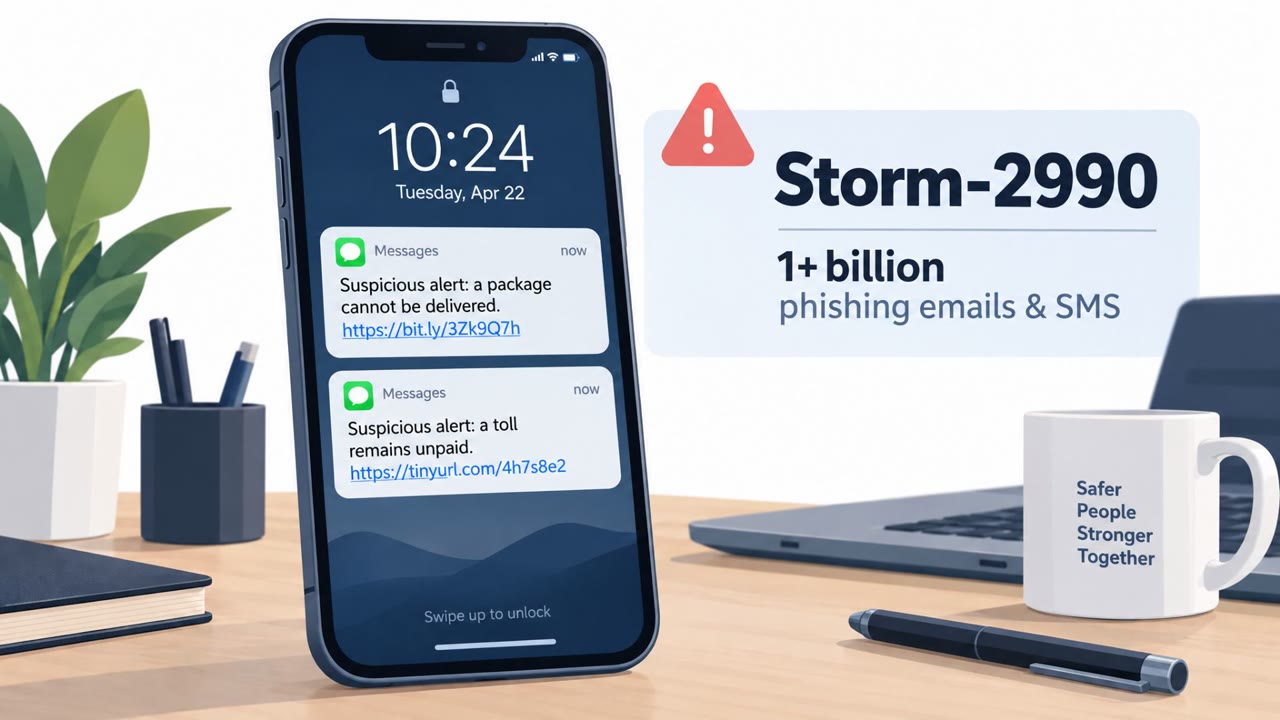
Microsoft identified a Chinese-language phishing-as-a-service ecosystem that sold ready-made phishing kits and cloud infrastructure through an underground marketplace. Criminals who bought access did not need technical skills of their own. They received templates that impersonated trusted brands and agencies, including government traffic and parking authorities, logistics providers, healthcare programs, and financial institutions. The kits were used to send over one billion phishing emails and SMS messages, targeting more than 75 thousand organizations worldwide.
A key part of the operation was making the phishing infrastructure look legitimate. Actors used compromised or fraudulently obtained cloud environments so that lookalike sites and sending domains resembled normal business traffic rather than obvious malicious infrastructure.
Why it succeeded
The lures worked because they matched everyday situations employees expect to encounter: an unpaid parking fine, a delivery problem, or a routine account security check. Each scenario created urgency and offered a quick, official-looking way to resolve it. The kits also supported real-time victim monitoring through Telegram, letting operators watch as targets entered credentials and verification codes and intervene on the spot.
This combination of believable pretexts, legitimate-looking infrastructure, and live monitoring made it harder for both automated defenses and cautious individuals to catch the deception before damage was done.
What to watch for
- Unexpected SMS or email notices about a fine, fee, or delivery problem that demand immediate payment or login
- Security messages claiming a "routine check" requires you to re-authenticate through a link rather than your normal sign-in flow
- Links that lead to domains that only resemble the real brand rather than the organization's actual site
- Requests to enter payment card details or one-time verification codes outside a normal transaction or login process
How to build resistance
Organizations can reduce exposure by training staff to verify unexpected payment, delivery, or security notices through known official channels instead of clicking embedded links. Employees should be reminded that legitimate re-authentication requests rarely arrive as urgent unsolicited messages, and that one-time codes should never be entered into a page reached from an unexpected link or text.
Because attackers can make fraudulent pages look convincing and may be actively monitoring victim input, defenses should rely on consistent verification habits rather than visual inspection alone. Simulation exercises that mirror these pretexts, traffic fines, delivery issues, and account re-authentication notices, can help reinforce these habits across finance, procurement, operations, and general staff audiences most likely to receive such lures.
Key findings
- Microsoft uncovered a Chinese-language ecosystem of phishing-kit developers, infrastructure sellers, and an underground marketplace (“YAM Store”).
- Microsoft says the kits enabled “over one billion phishing emails and SMS messages” targeting “over 75 thousand organizations worldwide.”
- Actors used compromised or fraudulently obtained Microsoft/Google cloud environments to make phishing infrastructure appear legitimate.
- The kits impersonated trusted brands and agencies (government, logistics, finance, healthcare) and supported real-time victim monitoring via Telegram notifications.
- Example lures included traffic/parking fee texts, delivery/shipping messages (e.g., Amazon, Australia Post), Medicare-themed emails, and financial re-authentication warnings.
Who’s being targeted
- Commonly targeted roles: All employees, Finance, Procurement, Operations, IT helpdesk/service desk, Executives.
- Affected industries: Healthcare, Financial services, Wholesale distribution, Information technology (IT).
- Attack channels: smishing, website, email.
- Impersonated: Local traffic/parking authority, Amazon shipping services, Japanese financial service provider.
Red flags to watch for
- Unexpected fine/fee with urgency
- Link leads to a non-official domain or asks for card details immediately
- Pressure to act quickly without standard dispute/verification process
- Unexpected shipping notice not tied to a known order
- Link goes to a lookalike site instead of the official Amazon domain
- Requests for login/payment to fix a vague delivery problem
- Security warning pushes you to a link rather than your normal sign-in method
- Generic wording about ‘routine security check’ and urgent re-authentication
- Requests credentials/verification codes outside the normal login flow
Frequently asked questions
What is phishing-as-a-service?
It is an underground model where developers sell ready-made phishing kits and legitimate-looking cloud infrastructure to criminals, letting them launch large-scale email and SMS phishing without building their own tools.
How many organizations were targeted by this phishing network?
Microsoft reported that the kits enabled over one billion phishing emails and SMS messages targeting over 75 thousand organizations worldwide.
What brands did the phishing kits impersonate?
The kits impersonated trusted brands and agencies including government traffic and parking authorities, logistics companies like Amazon and Australia Post, healthcare programs like Medicare, and financial service providers.
How did attackers monitor victims in real time?
The phishing kits included Telegram bot configurations that allowed operators to watch victims enter credentials and verification codes live, enabling interactive phishing where the attacker reacted as the victim typed.
Read the video transcript
Since January, one phishing network pushed over one billion fake emails and texts, many look like real government or Amazon messages. You get a text: 'Traffic/parking authority notice: outstanding fine, pay now via the official portal.' The link opens a very polished payment page, hosted on Microsoft or Google cloud, asking for your card details immediately. Or an email: 'Delivery alert: there’s an issue with your Amazon shipment, confirm details to proceed.' The lookalike site steals your Amazon login and card, and a Telegram bot pings criminals in real time when you type a one-time code. If any 'official' fine, delivery, or re-authentication message is unexpected, don’t click. Close it, then go to the real site or app yourself and check from there.