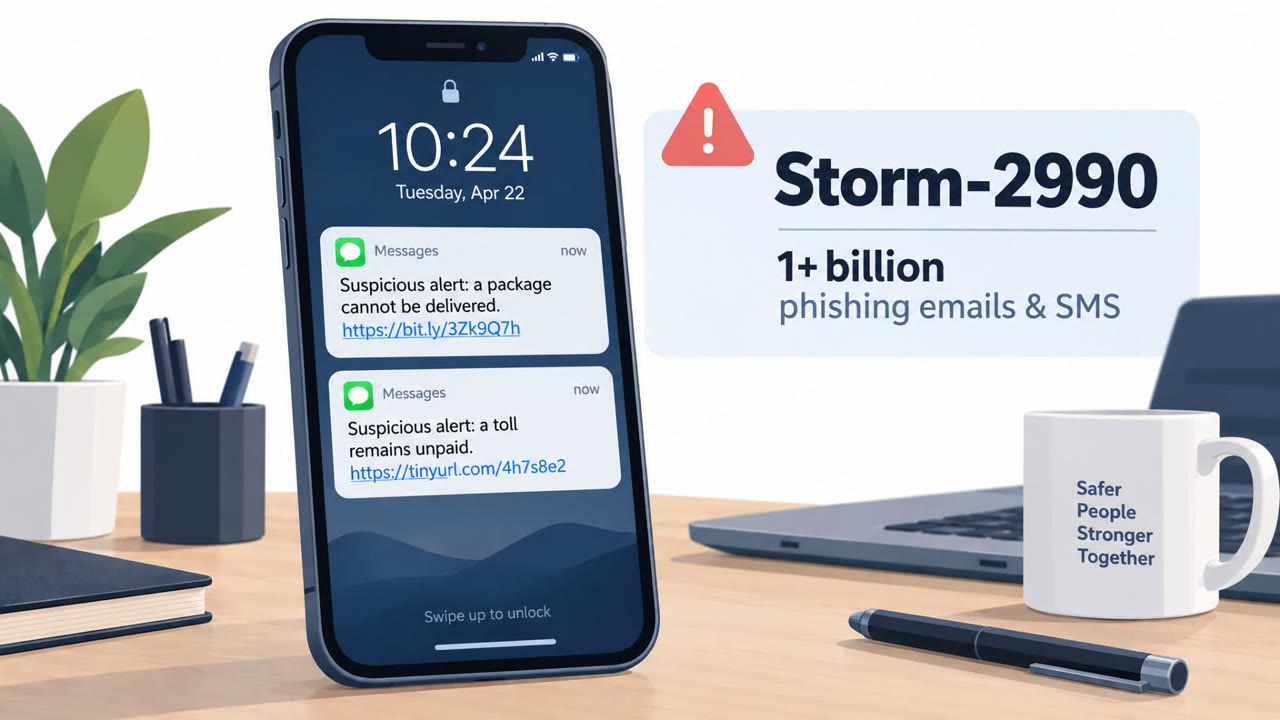
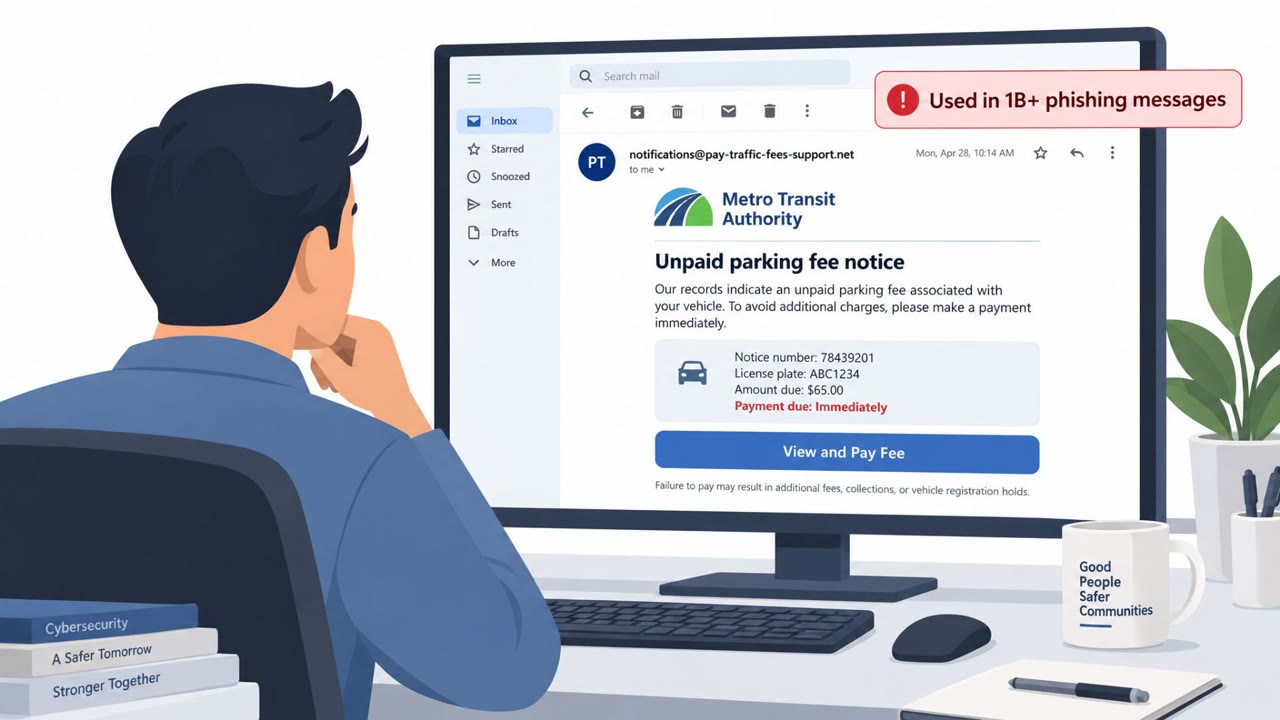
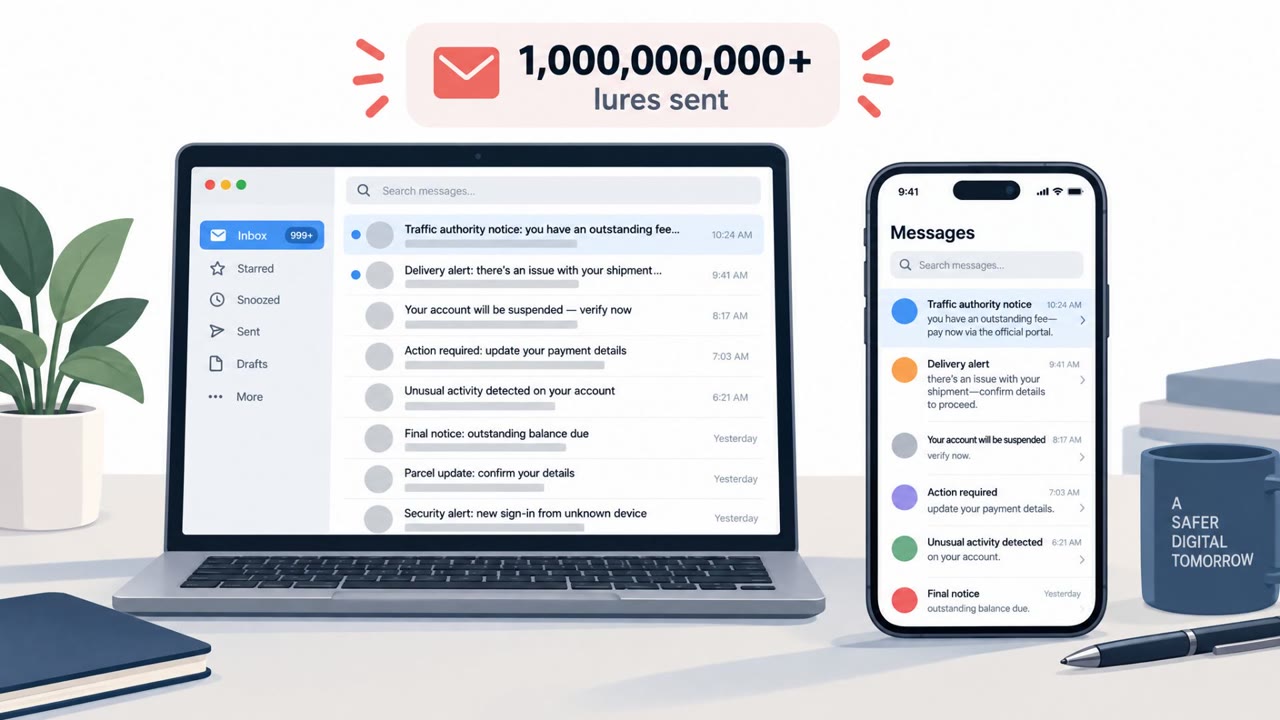
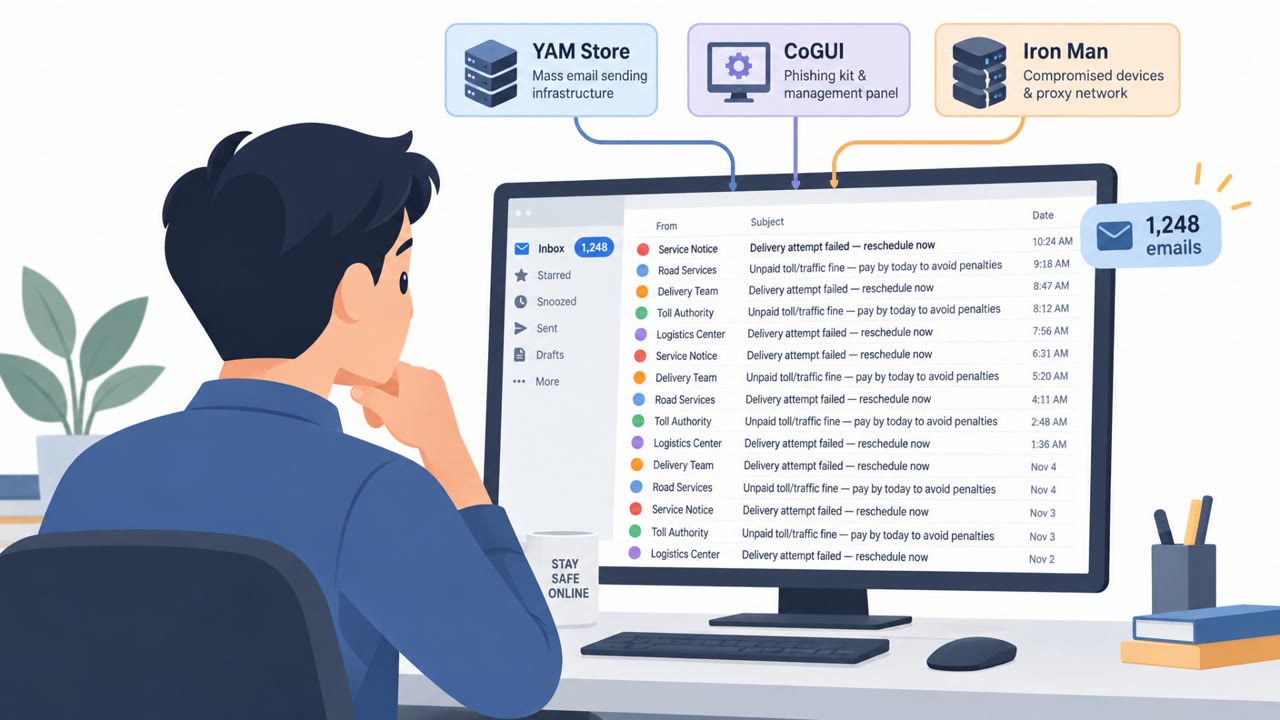
Microsoft and partners disrupted three "phishing-as-a-service" kits that enabled criminals to send more than a billion phishing emails and SMS messages worldwide. The kits provided ready-made fake brand pages (government, finance, logistics, consumer brands) designed to steal login credentials and financial data, often using evasion tricks like fake CAPTCHA pages and IP filtering.
Key findings
- Microsoft and partners disrupted three phishing kits: CoGUI, Haozi, and Iron Man System.
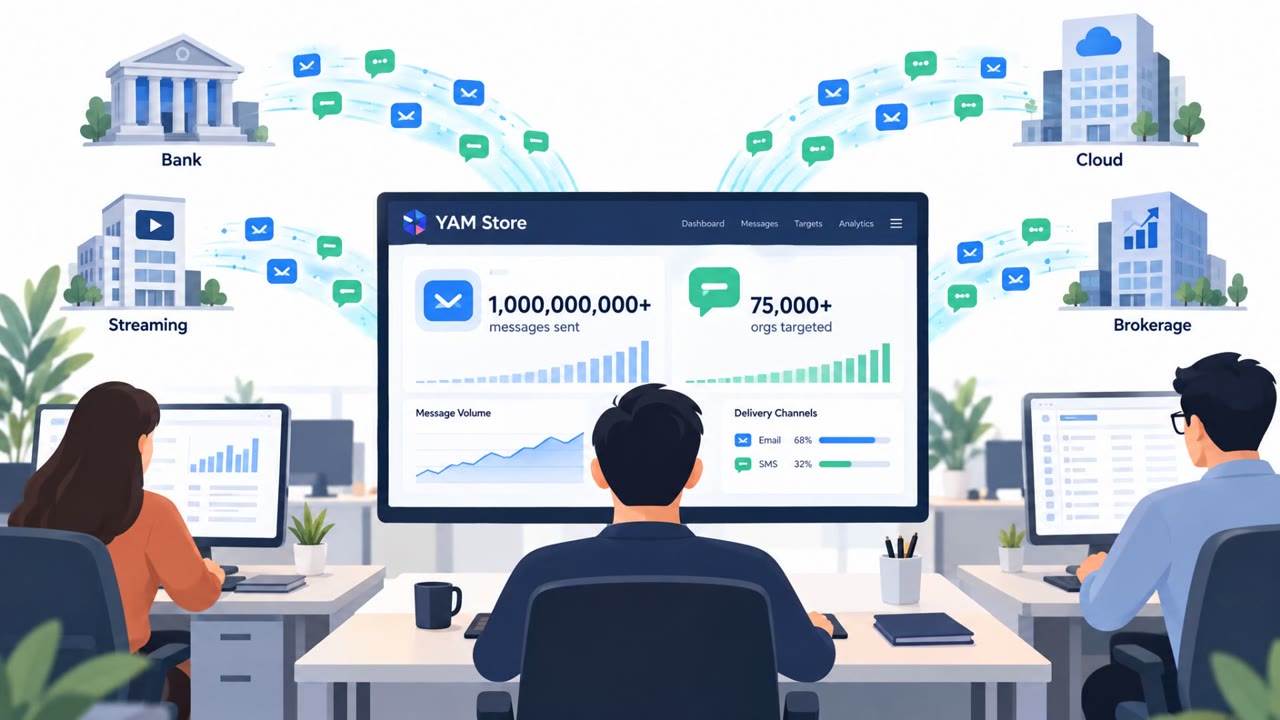
- Microsoft says the kits enabled "over one billion phishing emails and SMS messages" targeting "over 75 thousand organizations worldwide."
- The ecosystem included an underground marketplace (YAM Store) selling phishing tools plus access to compromised/fraudulent Microsoft or Google cloud environments.
- CoGUI was observed impersonating well-known brands in Japan (e.g., Amazon, PayPay, MyJCB, Apple, Orico, Rakuten) since at least October 2024.
- Iron Man System supported thousands of phishing templates and used evasion features like fake CAPTCHA gates and IP-based allow/block lists.
- Operators received Telegram alerts when victims interacted with lures and captured data in real time (WebSocket) to control what victims saw next.
Who’s being targeted
- Commonly targeted roles: All employees, Finance and accounting, Procurement, IT helpdesk/service desk, Healthcare operations staff.
- Affected industries: Healthcare, Financial services, Government, Logistics and postal/shipping, Wholesale distribution, Information technology (IT), Telecommunications, Consumers/retail customers.
- Attack channels: email, smishing.
- Impersonated: A trusted consumer or finance brand (e.g., Amazon, PayPay, MyJCB, Apple), Postal/tax/banking/telecom/loyalty-program brand (varies by template).
Awareness takeaways
- Treat unexpected emails or texts that ask you to “verify” or “log in” as suspicious, go to the company’s site using a saved bookmark instead of clicking the message link.
- Be cautious if a link takes you to a page that uses unusual hurdles (like a CAPTCHA) before showing a login screen, this can be a sign of a phishing kit trying to evade detection.
- Assume attackers can tailor scams by country/region; don’t trust a message just because it appears localized or only works from a certain location.
- If you entered credentials into a site from an email/SMS link, report it immediately, these operations can capture data in real time and misuse financial details quickly.
Red flags to watch for
- Unexpected "action required" urgency pushing you to click a link
- Link goes to a non-brand domain or unusual domain spelling
- Web page uses extra steps like a CAPTCHA gate before showing a login prompt
- SMS from an unknown number with a shortened or unfamiliar link
- Message pressures immediate action (verify/pay/confirm)
- Website behavior appears defensive (CAPTCHA gating or blocks access outside a region)
Read the video transcript
If you got a fake Amazon or Apple email this year, odds are it came from a kit called CoGUI, Haozi, or Iron Man System, part of over one billion phishing lures. Here’s the trick: the email or SMS says, ‘Action required, verify your account,’ you click, hit a fake CAPTCHA, then land on a perfect-looking login page for Amazon or your bank that’s actually hosted on some random domain. Aha moment: that extra CAPTCHA or region check isn’t for your security, it’s for theirs. Kits like Iron Man System use fake CAPTCHA gates and IP filters to dodge scanners while streaming your keystrokes to a Telegram panel in real time. If any email or text pushes you to 'verify' by clicking a link, don’t. Close it, and go to the site yourself from a bookmark or by typing the address in.