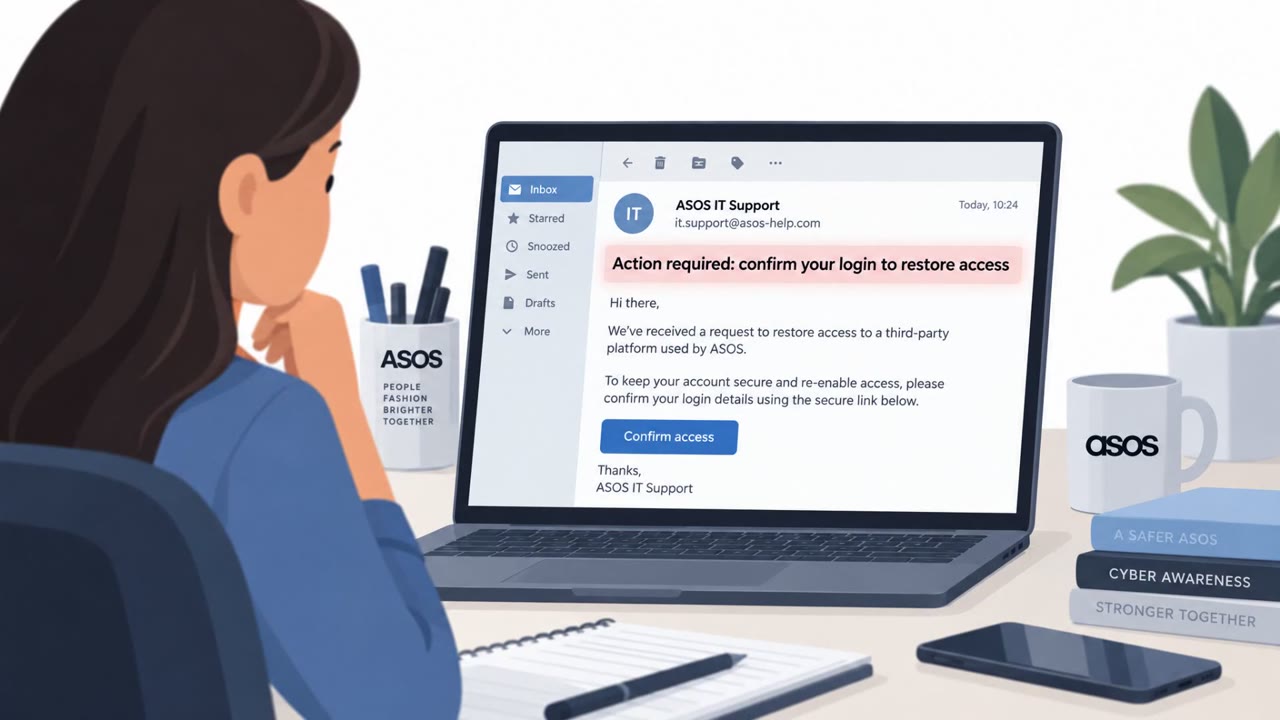
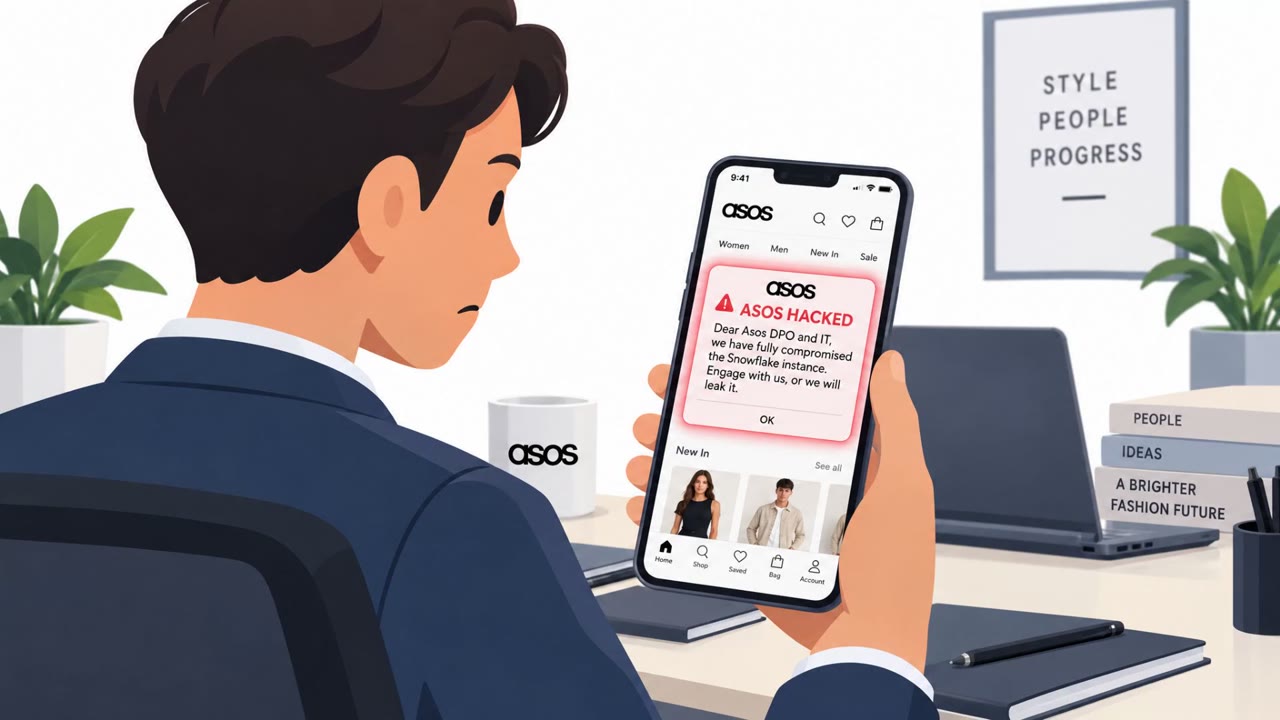
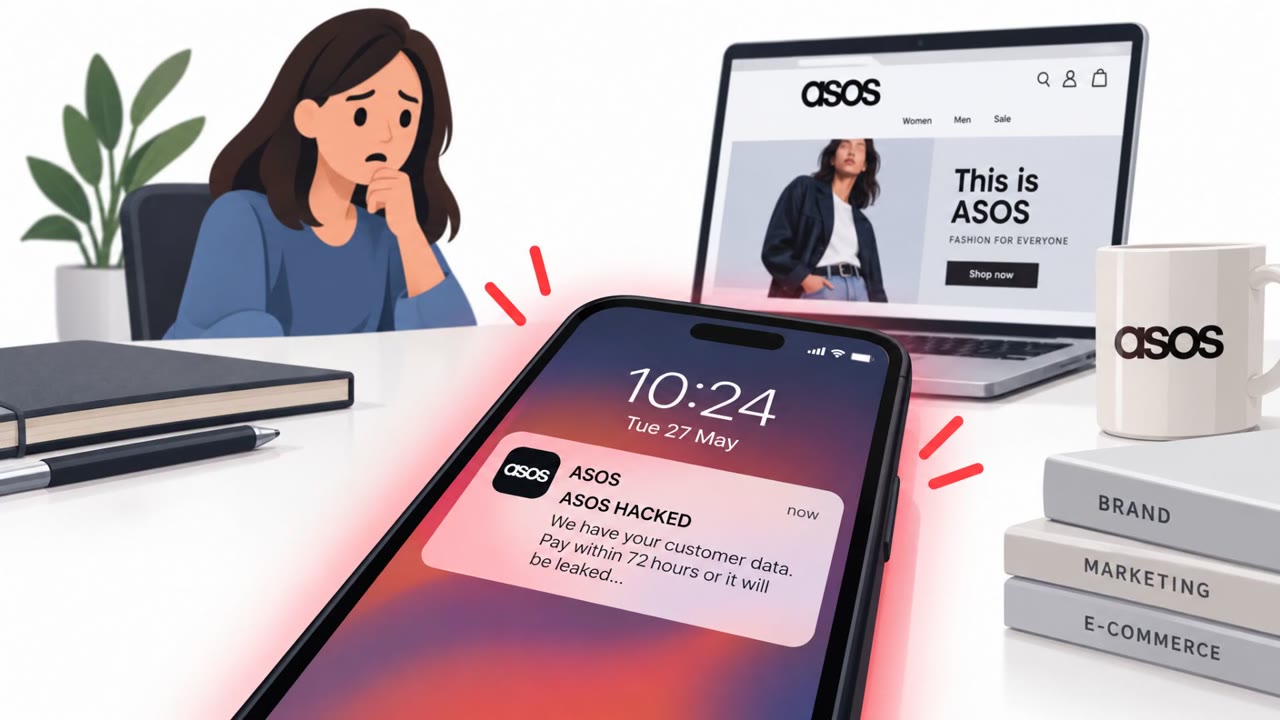
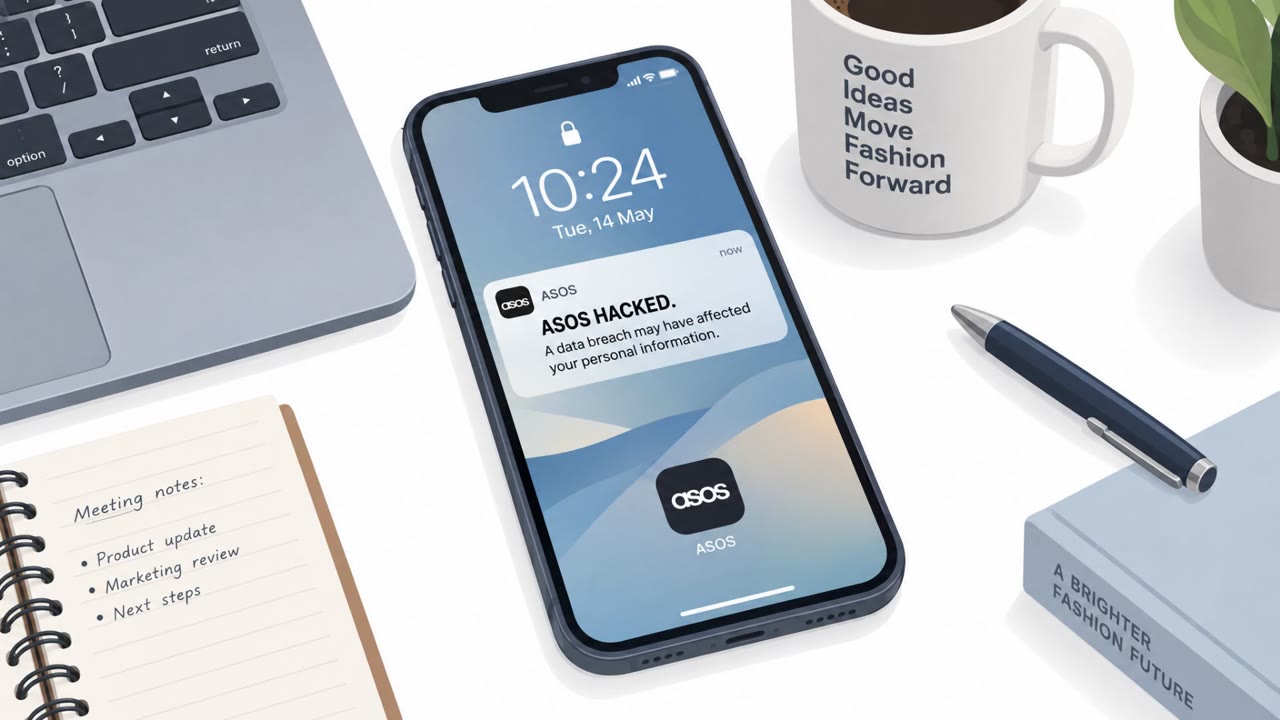
ASOS says an attacker got into an employee account by impersonating a trusted contact to steal login credentials. Those credentials were then used to access third-party platforms and send a legitimate-looking push notification to customers claiming a Snowflake hack and directing them to a Telegram channel. ASOS says payment information was not compromised.
Key findings
- ASOS says the attacker accessed an employee account by impersonating a trusted contact to obtain login credentials.
- Stolen employee credentials were used to access third-party platforms used to communicate with customers.
- The attacker used that access to send customers a legitimate-looking push notification claiming a Snowflake compromise and requesting engagement.
- The push notification linked to a new Telegram channel; the attacker used names 'Xuanyewen' and 'Xuanye group'.
- The attacker claimed the incident only involves “customer information,” but a BBC-reported sample allegedly included shopping searches and other details beyond basic contact info.
- Snowflake stated it found no compromise of the Snowflake platform.
Who’s being targeted
- Commonly targeted roles: Marketing, Customer Support, IT, Security, Privacy/Data Protection, Employees with access to third-party customer messaging platforms.
- Affected industries: Retail / e-commerce, Software / SaaS (third-party marketing and data platforms).
- Attack channels: email, website.
- Impersonated: Trusted contact (known partner/vendor/contact), Appears to be an internal message involving ASOS DPO/IT (delivered to customers via a trusted ASOS channel).
Awareness takeaways
- Train staff to never share passwords, especially when a request appears to come from a ‘trusted’ contact.
- Limit and monitor employee access to third-party customer-communication platforms because a single stolen account can be used to message customers at scale.
- Teach teams that real incident response will not ask them to ‘engage’ attackers via Telegram or other unofficial channels.
- Coach customer-facing teams to warn customers that legitimate-looking notifications can be abused, and to verify unusual security messages through official channels.
Red flags to watch for
- Unexpected request to share passwords/login details
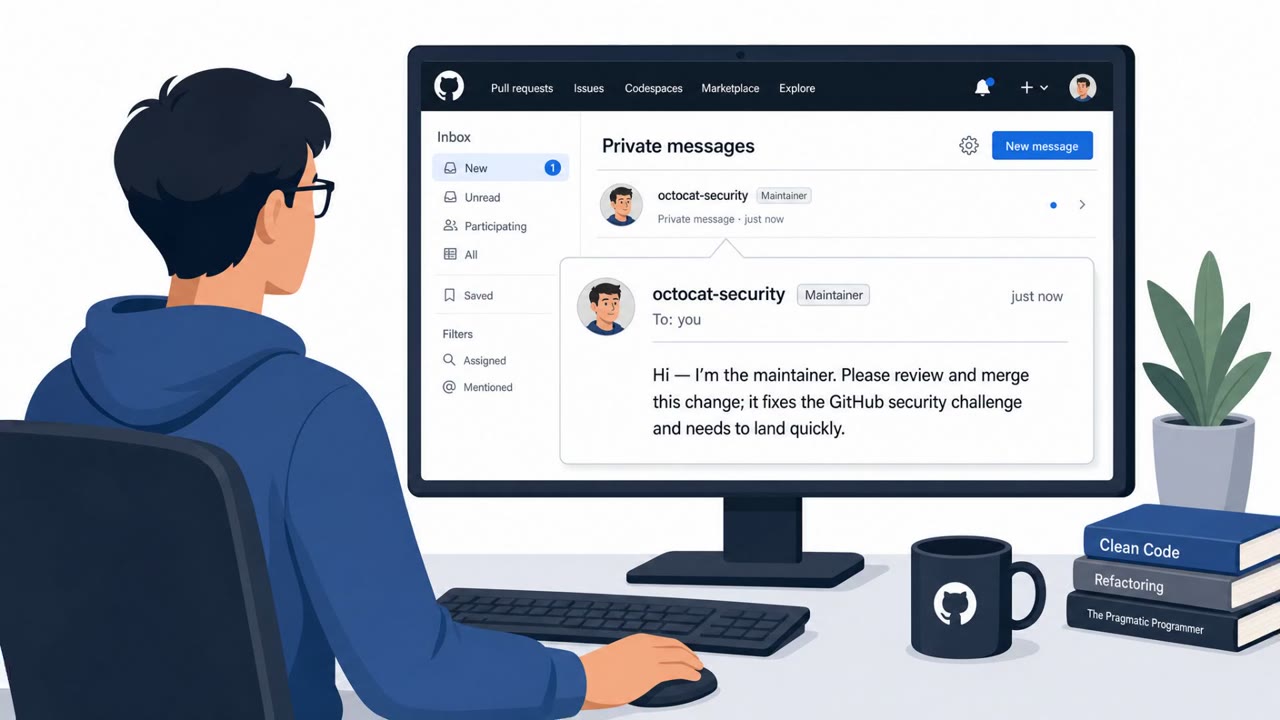
- Request comes from someone 'trusted' but is unusual or urgent
- The request bypasses normal secure access processes
- Message routes the recipient to Telegram to 'resolve' a security incident
- Security claims delivered via a marketing/push channel rather than official incident communications
- Unusual addressees (message seemingly addressed to DPO/IT but sent to customers)
Read the video transcript
ASOS got breached because someone did one thing: they handed their password to a “trusted contact.” Someone impersonated a trusted partner, asked for an employee’s login, got it, and used that one account to get into ASOS’s customer messaging tools. Then they pushed a legit-looking ASOS notification claiming a Snowflake hack, telling people to join a Telegram channel run by “Xuanyewen” and “Xuanye group.” Snowflake later said: no breach. Your move: if anyone, vendor, partner, even your boss, asks for your password, stop. Say, “We don’t share credentials. I’ll log in myself and help from there.”