Booking.com Scam Probe Targets Fake Stays

The Register Security · Medium sophistication
Last updated October 21, 2026

EU regulators are investigating whether Booking.com has done enough to stop criminals from posting fake properties and taking over real property-owner accounts. The reported scam workflow involves attackers posing as accommodation owners and sending guests messages demanding additional payments, including through SMS.

Key findings

  • Criminals allegedly post rental listings while falsely claiming to own the properties.
  • Scammers reportedly take over property-owner accounts and contact details, then impersonate the owner to message guests.
  • The messages ask travelers to pay additional amounts.
  • Booking.com reported a 500-900 percent increase in travel scams over the preceding 18 months, according to officials.
  • The European Commission said Booking.com's fraud controls were 'absolutely substandard' and opened a Digital Services Act investigation.

Who’s being targeted

  • Commonly targeted roles: Frequent business travelers, Executive assistants, Corporate travel coordinators, Employees who book accommodation, Finance teams that reimburse travel expenses.
  • Affected industries: Travel and hospitality, Online travel booking platforms, Short-term and vacation rental providers.
  • Attack channels: email, smishing, website.
  • Impersonated: The guest's booked property owner, The owner of a rental property.

Awareness takeaways

  • Treat unexpected requests for extra accommodation payments as suspicious, especially after a booking has already been confirmed.
  • Verify any payment request using a trusted contact method or the official booking record rather than replying to the message.
  • Be cautious of listings whose poster cannot demonstrate they are the genuine property owner.

Red flags to watch for

  • An unexpected payment request arrives after a booking is already confirmed.
  • The sender claims to be the property owner but requests payment through changed contact details.
  • The message creates pressure to make an extra payment outside the expected booking process.
  • The person posting the accommodation is not the real owner.
  • The listing may be removed or reported as fraudulent.
  • Verify property ownership and booking details through trusted channels before paying.
Try Mirage

Mirage safely runs attacks like this one against your own team, so you find out what happens before a real adversary does.

Get a demo
Read the video transcript

Your Booking.com stay is confirmed. Then this text arrives. It appears to come from your property owner. But scammers can take over owner accounts and contact details, then message guests asking for extra money. That’s the trap: a familiar property name doesn’t prove who sent the message. A confirmed booking, a new payment demand, and changed contact details? Stop. Don’t pay from that message. Open Booking.com yourself and check the payment details in your reservation.

Categories

Similar attacks

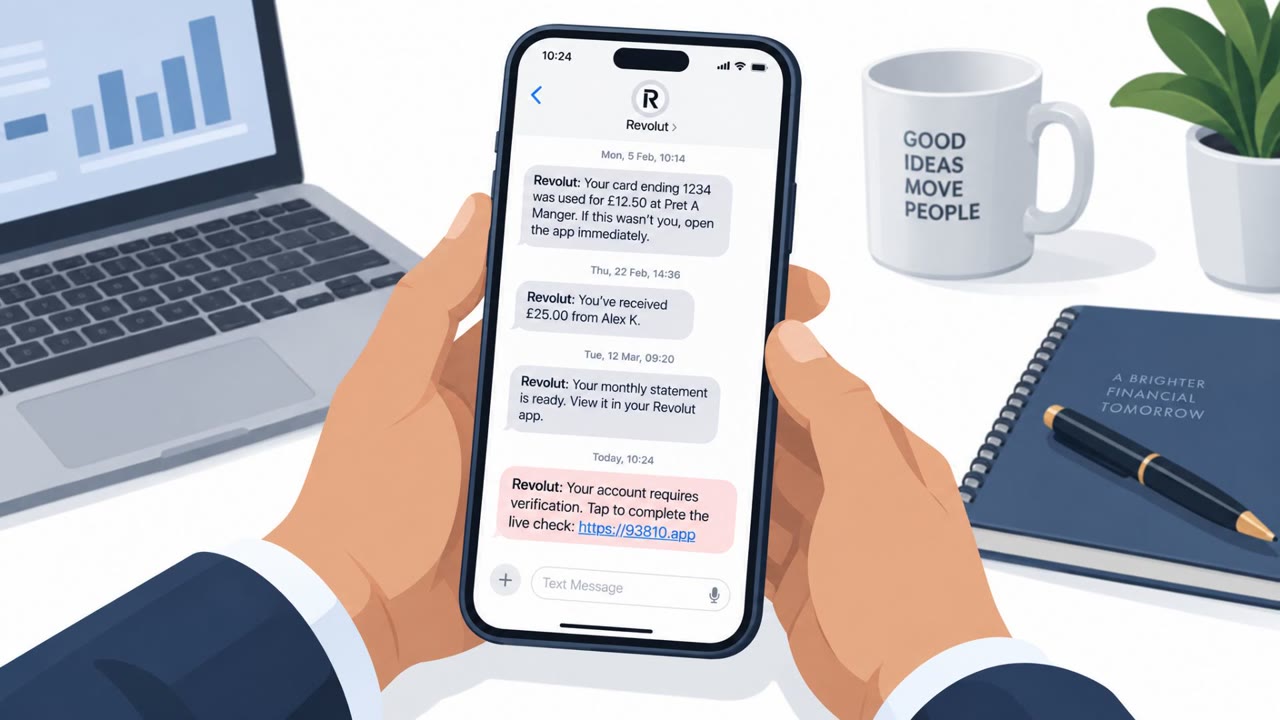
Revolut Users Hit With SMS Phish After Breach

Revolut Users Hit With SMS Phish After Breach

Days after Revolut disclosed that customer records were shared with an unauthorized party, some customers reported receiving phishing texts that appeared in the same SMS thread as real Revolut messages. The link led to a fake site that asked for camera access to mimic Revolut’s identity “liveness”…

September 17, 2026

Microsoft Takes Down Billion-Message Phish Supply Chain

Microsoft Takes Down Billion-Message Phish Supply Chain

Microsoft says it uncovered and disrupted an underground marketplace (“YAM Store”) that sold phishing kits and access to cloud accounts, enabling massive global phishing and SMS scam campaigns. The operation allegedly supported over a billion scam messages since January 2026 and targeted 75,000+…

October 15, 2026
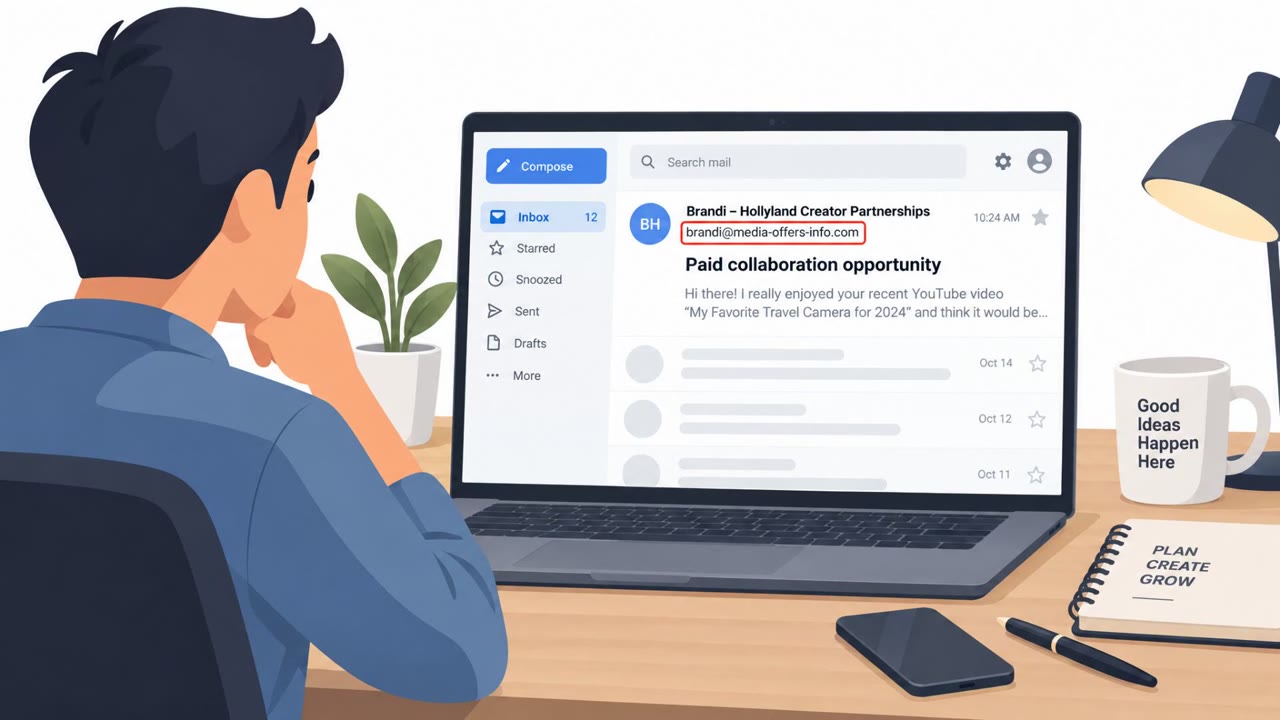
Fake Brand Deals Steal YouTubers’ Google Logins

Fake Brand Deals Steal YouTubers’ Google Logins

A recent scam targets YouTube creators with personalized “paid collaboration” emails that impersonate well-known brands and push victims to a fake collaboration platform. The site then routes victims to a Google sign-in step that can capture credentials or trick users into granting dangerous…

October 8, 2026
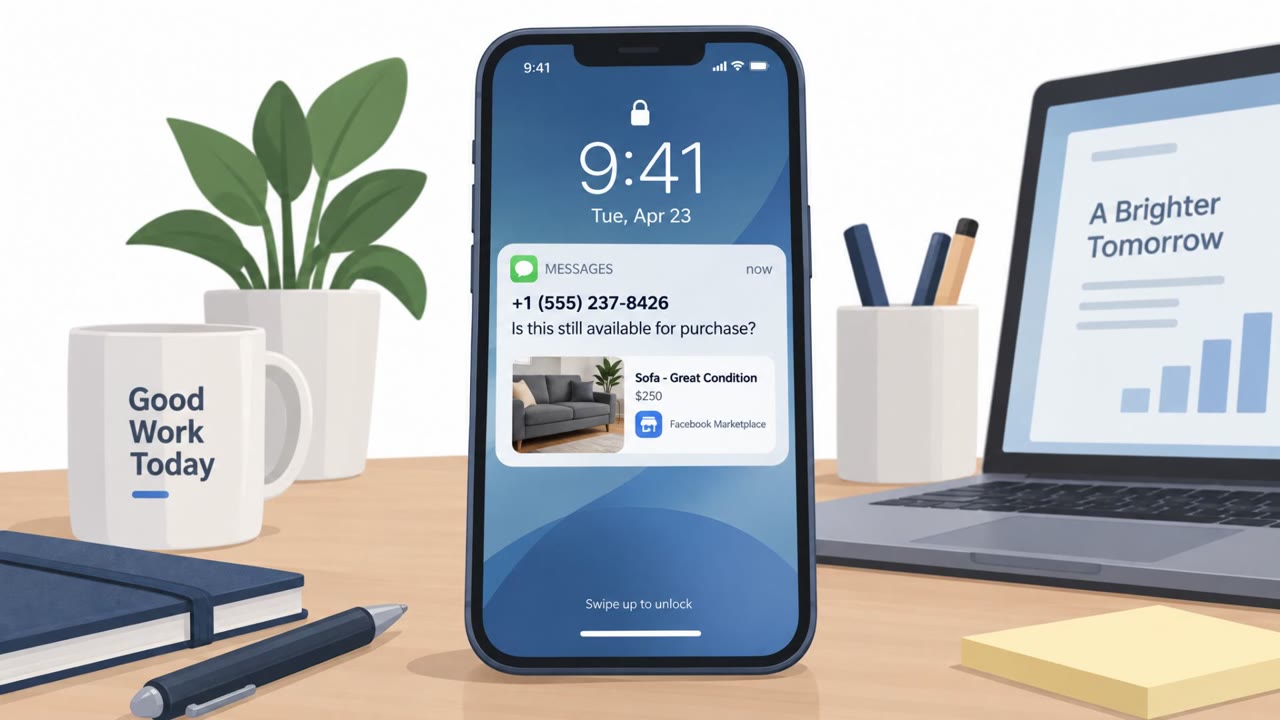
Marketplace Text Scam Uses Your Name as Seller

Marketplace Text Scam Uses Your Name as Seller

People are receiving iMessage texts that look like a buyer asking about a Facebook Marketplace item, but the attached listing is fake and shows the recipient’s own name as the seller. The personalization is designed to trigger a quick reply (“That isn’t me”), which confirms the phone number is…

October 6, 2026
Fake Google Play Pages Push Spyware at Logistics

Fake Google Play Pages Push Spyware at Logistics

A real campaign is targeting logistics firms with fake Google Play pages impersonating well-known logistics brands to trick employees into installing an Android spyware app. Once installed, the spyware can steal newly received SMS messages (including one-time passcodes) and enable call forwarding,…

September 24, 2026
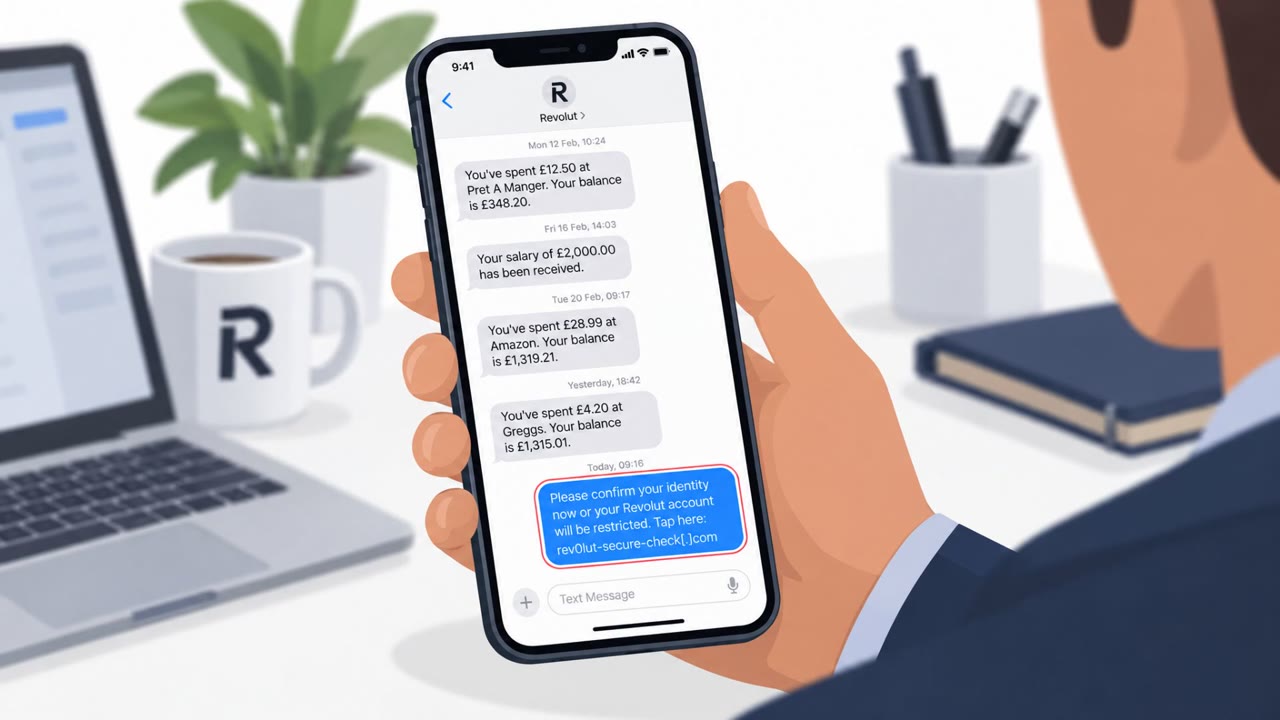
Revolut Smishing Uses Fake Identity Check

Revolut Smishing Uses Fake Identity Check

Following a Revolut data breach, scammers sent text messages that appeared to come from the same message thread as legitimate Revolut texts. The texts pushed victims to click a link for a fake identity “liveness check,” request camera access, and then capture passwords, information that could be…

September 21, 2026