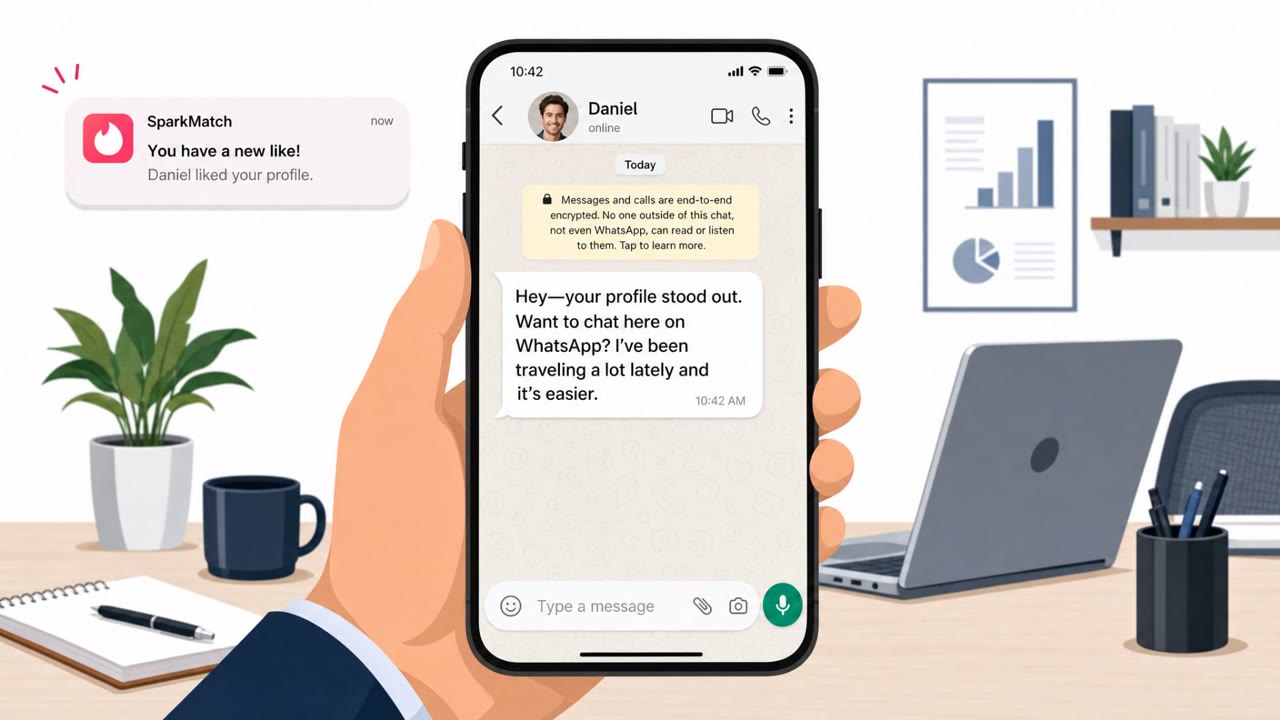
Flight Centre Travel Group reported that attackers accessed customer records in a third-party accommodation booking system. The article also describes a recent, real follow-on scam affecting RMS Cloud customers: travelers received convincing WhatsApp messages impersonating hotels they had booked and using their names and reservation details for financially motivated fraud.
What happened
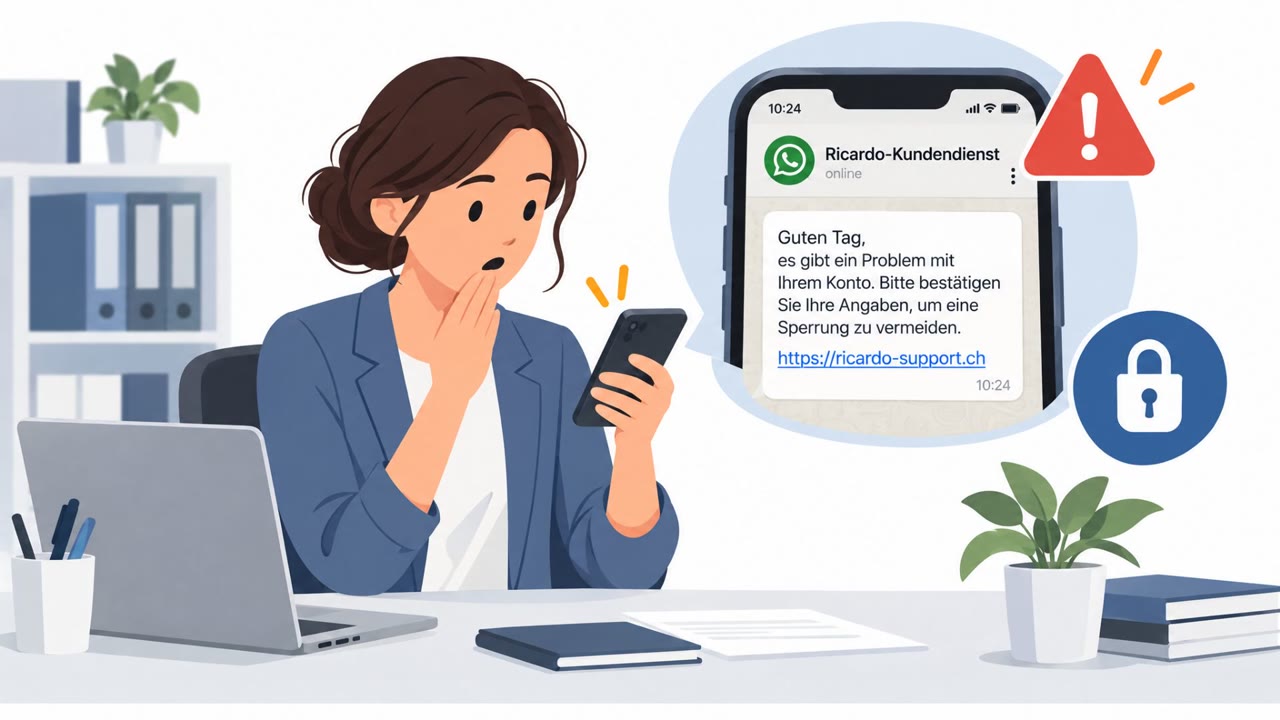
A travel booking data breach exposed customer records held in a third-party accommodation booking system, including names and travel details, and in a smaller number of cases, contact information or passport data. Separately, a breach affecting RMS Cloud customers was followed by a wave of financially motivated WhatsApp scams. Victims received messages that used their real names and reservation details, and the messages appeared to come from the hotel they had already booked.
Why the scam worked
The effectiveness of this scam came from accuracy, not technical sophistication. Because the messages referenced a real upcoming stay, a real hotel name, and the traveler's own name, recipients had little reason to doubt the sender's identity. This is a key pattern in post-breach social engineering: stolen personal data is reused to make an impersonation attempt feel personalized and legitimate, even though the channel (WhatsApp) and the request are not something the hotel would typically use for payment or verification.
Who is at risk
- Travelers with upcoming hotel reservations
- Employees who travel for work
- Executive assistants and travel coordinators who manage bookings on behalf of others
- Finance teams that approve travel-related expenses
- Customer service teams at hotels and travel agencies who may field related inquiries
Because travel and hospitality booking systems hold detailed personal and itinerary data, breaches in this sector can fuel highly targeted follow-on scams well after the original incident.
Red flags to watch for
- An unexpected message about a booking, even if it contains accurate details like your name or reservation
- A request for payment or personal information sent over WhatsApp rather than through official channels
- Pressure to act quickly on a "booking update" without being able to verify it independently
- Messages that appear to come from a hotel but cannot be confirmed through the hotel's known contact details
Building resistance
The core defense here is independent verification. Travelers should contact the hotel directly using contact details from the original booking confirmation or the hotel's official website, rather than replying to or clicking links in an unsolicited message. Organizations that manage employee travel should also remind staff and travel coordinators that having correct personal or itinerary details in a message is not proof of legitimacy, since that information can originate from a breach rather than from the hotel itself. This technique aligns with phishing via trusted relationship impersonation, as cataloged in MITRE ATT&CK technique T1566.003.
Key findings
- Flight Centre said unknown persons accessed customer records held in a third-party accommodation booking system.
- Potentially exposed information included customer names, travel details, and in a small number of cases email addresses, phone numbers, passport details, or health and mobility information.
- A separate RMS Cloud breach was followed by financially motivated WhatsApp scams that used travelers' names and booking details.
- The scam messages appeared to come from hotels that the travelers had booked, making the messages more convincing than generic phishing.
- Flight Centre advised customers to independently verify unexpected booking-related messages before clicking links, opening attachments, or sharing personal information.
Who’s being targeted
- Commonly targeted roles: Employees who travel for work, Executive assistants and travel coordinators, Finance teams that approve travel expenses, Customer service teams, Customers with upcoming hotel reservations.
- Affected industries: Travel agencies, Hotels and accommodation providers, Travel and leisure, Hospitality booking software providers.
- Attack channels: whatsapp.
- Impersonated: The hotel the traveler booked.
Red flags to watch for
- The message is unexpected, even though it contains accurate booking details.
- The sender asks for money or personal information through WhatsApp.
- The traveler has not independently confirmed the request with the hotel using known contact details.
Frequently asked questions
How did attackers make the WhatsApp scam messages convincing?
The messages used travelers' actual names and booking details obtained through a breach of accommodation booking data, and appeared to come from the hotel the traveler had actually booked.
What should travelers do if they get an unexpected booking message?
Independently verify the message through the hotel's official contact details before clicking links, opening attachments, or sharing personal information.
Were the WhatsApp scams financially motivated?
Yes, according to Australia's National Anti-Scam Centre, the scams that followed the breach appeared to be financially motivated.
Does having accurate personal details in a message mean it's legitimate?
No. Attackers used real names and reservation details obtained from a breach, so accuracy of personal details alone does not confirm a message is genuine.
Read the video transcript
A WhatsApp message knows your hotel and reservation. Real hotel? Not necessarily. After an RMS Cloud breach, travelers got messages seemingly from hotels they'd booked, using their names and booking details to make payment requests sound legitimate. Here's the catch: booking data can leak. Flight Centre reported access to records in a third-party accommodation system. Your name and itinerary aren't proof the sender is your hotel. Unexpected WhatsApp payment request? Call the hotel using the number on its official website.