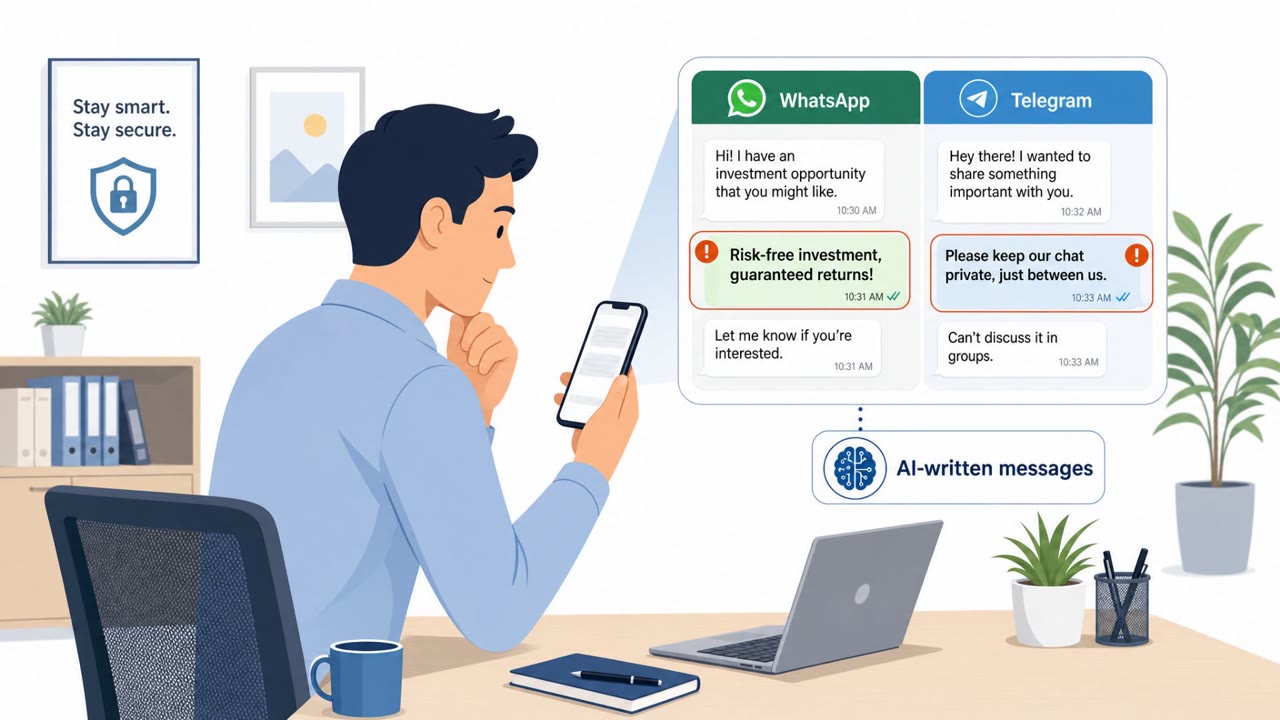
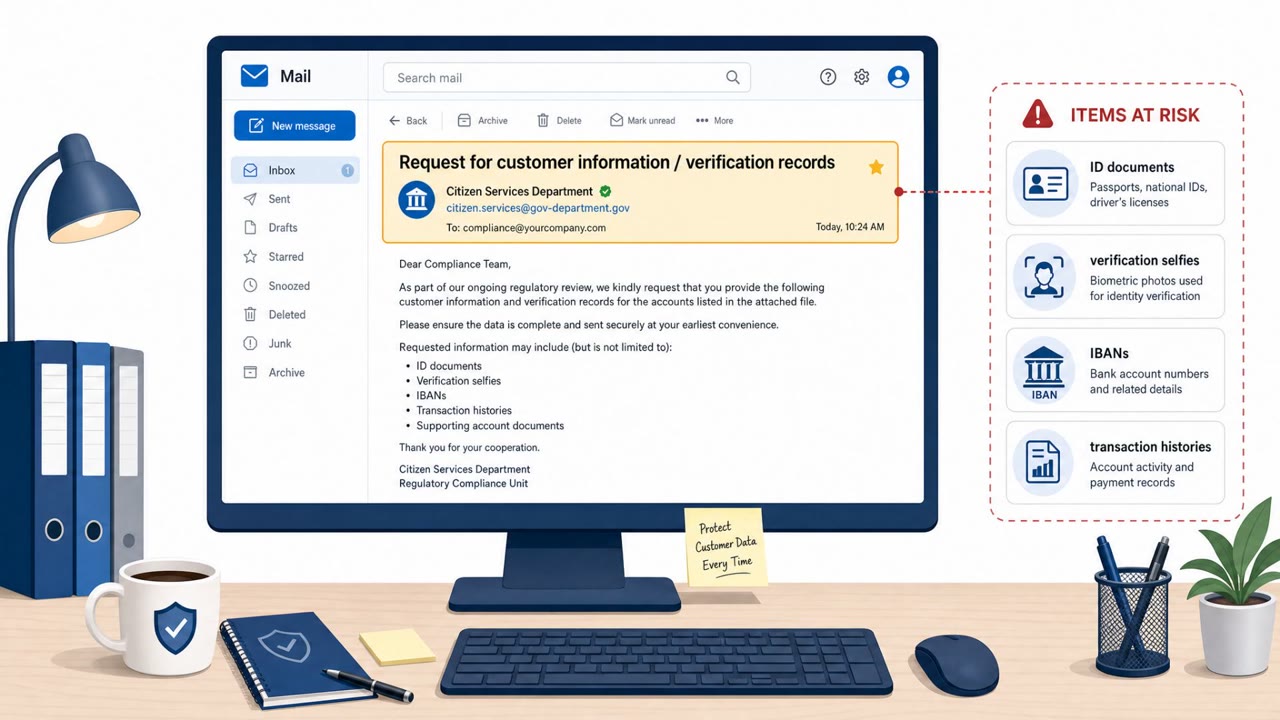
OpenAI says it disrupted a Cambodia-based scam network operating from Poipet that used ChatGPT to scale romance, investment, gambling, and law-enforcement impersonation scams. The group used messaging apps to build trust, then pressured victims to pay deposits, activation fees, or fake fines, backing the story with forged documents and screenshots.
Key findings
- OpenAI says it banned a coordinated network of accounts likely operating from Poipet, Cambodia, tied to multi-scam activity.
- The group used ChatGPT to create fake personas, write/translate scam messages, and generate promotional materials.
- Scams included romance/investment (“crypto” and “spot gold trading”), gambling-bonus scams, and law-enforcement impersonation demanding payments.
- OpenAI described a repeatable workflow: outreach on WhatsApp/Telegram, trust-building, then demands for deposits/fees/fines supported by fake screenshots and forged documents.
Who’s being targeted
- Commonly targeted roles: All employees, Executives, Finance, HR/Recruiting, Customer support.
- Affected industries: Consumers/individuals, Financial services (crypto/investment), Online dating, Online gambling, Social media and messaging platforms.
- Attack channels: whatsapp, telegram.
- Impersonated: Dating match using a synthetic identity (fake persona), Representative of an online gambling platform, Law enforcement agency.
Awareness takeaways
- Treat unexpected messages on WhatsApp/Telegram that build trust and then ask for money as high-risk, stop and verify via a trusted, offline method.
- Be skeptical of “proof” shown only as screenshots (payments, accounts, legal notices); screenshots are easy to fake.
- Watch for impersonation + urgency (especially law enforcement or compliance threats); real authorities don’t demand immediate fines via chat apps.
- Assume scammers can rapidly tailor and translate messages using AI, making messages look more polished and personal than older scams.
Red flags to watch for
- New online relationship quickly pivots to money/investments
- Pressure to deposit funds or pay fees to participate
- “Proof” provided only via screenshots or unverifiable account pages
- Unexpected message claiming winnings/bonuses
- Payment required to receive money
- Requests to continue only inside messaging apps
- Authority impersonation combined with urgency and threats
- Demand for payment to resolve legal issues via chat
- Legal “proof” provided as images/screenshots instead of verifiable case details
Read the video transcript
Imagine this: a perfect match from a dating app messages, “Hey, your profile stood out. Want to chat here on WhatsApp?” OpenAI just shut down a Poipet, Cambodia scam ring using ChatGPT to run romance, crypto and spot-gold “tips,” fake gambling bonuses, even law-enforcement fines over WhatsApp and Telegram. Their playbook is “ping–zing–sting”: first ping you on WhatsApp or Telegram, then zing you with long, friendly chat, and finally sting you with deposits, activation fees, or fake fines backed only by screenshots and forged documents. If any chat relationship suddenly pivots to deposits, activation fees, or fines, especially with screenshot “proof”–your move is simple: stop, don’t pay, and call the real person or organization using a number you already trust.