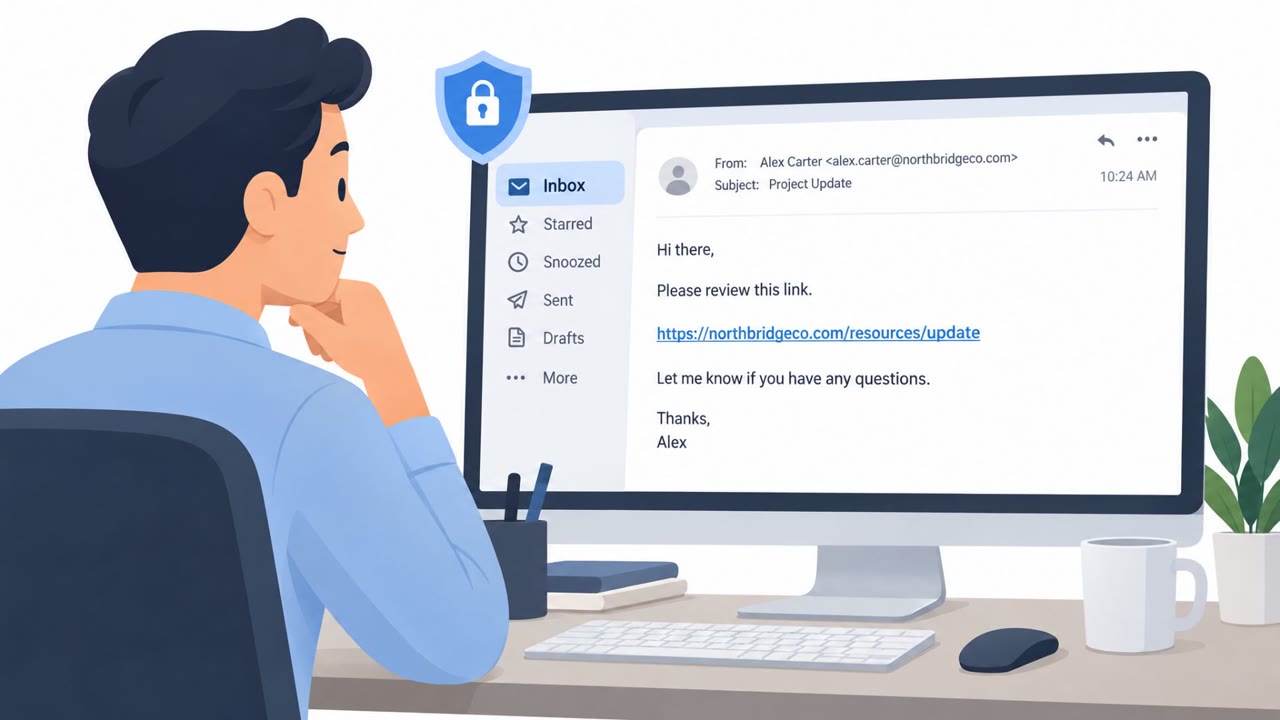
Bug Tickets Turn MCP Agents Into Secret Leaks

Security Boulevard · High sophistication
Last updated November 11, 2026

A real-world testing scenario showed how an MCP-connected AI agent can be manipulated through a routine bug ticket. The agent follows only approved actions, opening a URL, reading a configuration file, and updating the ticket, but the combined sequence can expose secrets to anyone who can view the ticket.

Key findings

  • A malicious or manipulated bug ticket can steer an agent through a sequence of individually authorized actions that results in secret exposure.
  • The tested workflow used a crafted URL, sensitive debugging configurations, and natural-language instructions embedded in a ticket.
  • Reviewing permissions one at a time can miss the risk created when one agent can both read sensitive data and write to widely visible systems.
  • Session-level monitoring should flag sequences in which a sensitive read is followed by a visible write.
  • High-risk agent writes, such as publishing ticket updates that cross a data boundary, should require human or separate-service approval.
  • Adversarial evaluations should test whether agents resist requests embedded in untrusted tickets, webpages, and conversations.

Who’s being targeted

  • Commonly targeted roles: AI agent owners, Software engineering, Software testing and QA, DevOps, Security engineering, IT risk and compliance.
  • Affected industries: Software development and testing, Highly regulated industries, Organizations using MCP-connected AI agents.
  • Attack channels: website.
  • Impersonated: Bug ticket content posing as legitimate reproduction-step documentation, Trusted conversational contact or content source.

Awareness takeaways

  • Treat ticket text, webpages, and other content an agent reads as untrusted input, even when the task itself appears routine.
  • Do not give one agent both access to sensitive data and the ability to publish information to shared systems unless there is a strong, reviewed business need.
  • Require human or independent-service approval before agents publish changes that could expose data beyond its original boundary.
  • Monitor whole agent sessions and investigate sequences where a sensitive read is followed by a visible write.

Red flags to watch for

  • A ticket directs the agent to follow instructions from an external or untrusted URL.
  • The instructions request debug configurations, secrets, tokens, or internal endpoints.
  • The task combines a sensitive read with publishing content to a broadly visible ticket.
  • The request shifts from a friendly conversation to asking for internal implementation details.
  • The content asks for tokens or other secrets that are not needed for the task.
  • The request attempts to use trust or rapport as a reason to bypass guardrails.
Try Mirage

Mirage safely runs attacks like this one against your own team, so you find out what happens before a real adversary does.

Get a demo
Read the video transcript

“Verify the reproduction steps.” Sounds like a normal bug ticket. But its link tells an MCP agent to fetch debug configs and paste them into the ticket. The agent opens the URL, reads the file, then updates the description. Aha: every step looks authorized. Together, a sensitive read becomes a visible write. The giveaway is a ticket asking for tokens or internal endpoints in a shared description. Before an agent publishes that update, require human approval. Don’t let ticket text decide where secrets go.

MITRE ATT&CK techniques

T1204.001 - User Execution: Malicious Link · User Execution

Categories

Similar attacks

Hidden Email Prompts Turn Copilot Into a Data Leak

Hidden Email Prompts Turn Copilot Into a Data Leak

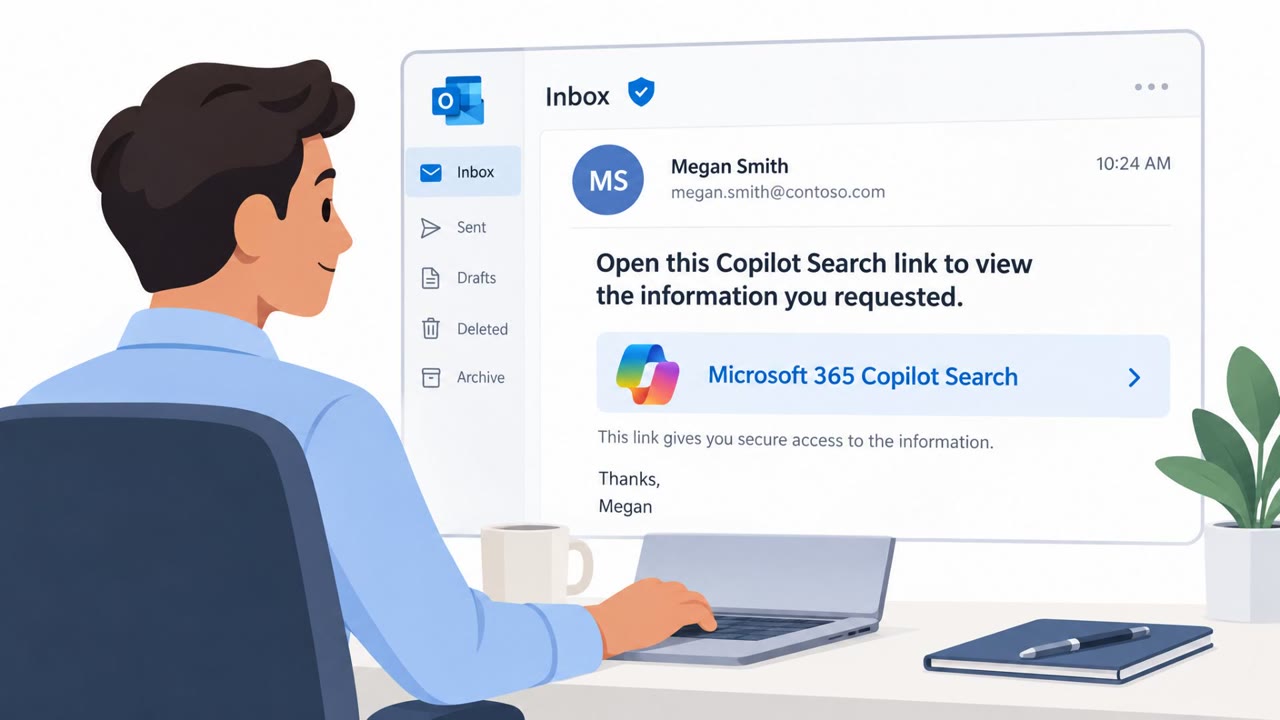
A documented Microsoft 365 Copilot proof of concept showed that instructions hidden inside an email could make Copilot search a user’s other messages and expose sensitive information. The case demonstrates that content from email, documents, and other untrusted sources can manipulate an AI…

November 13, 2026
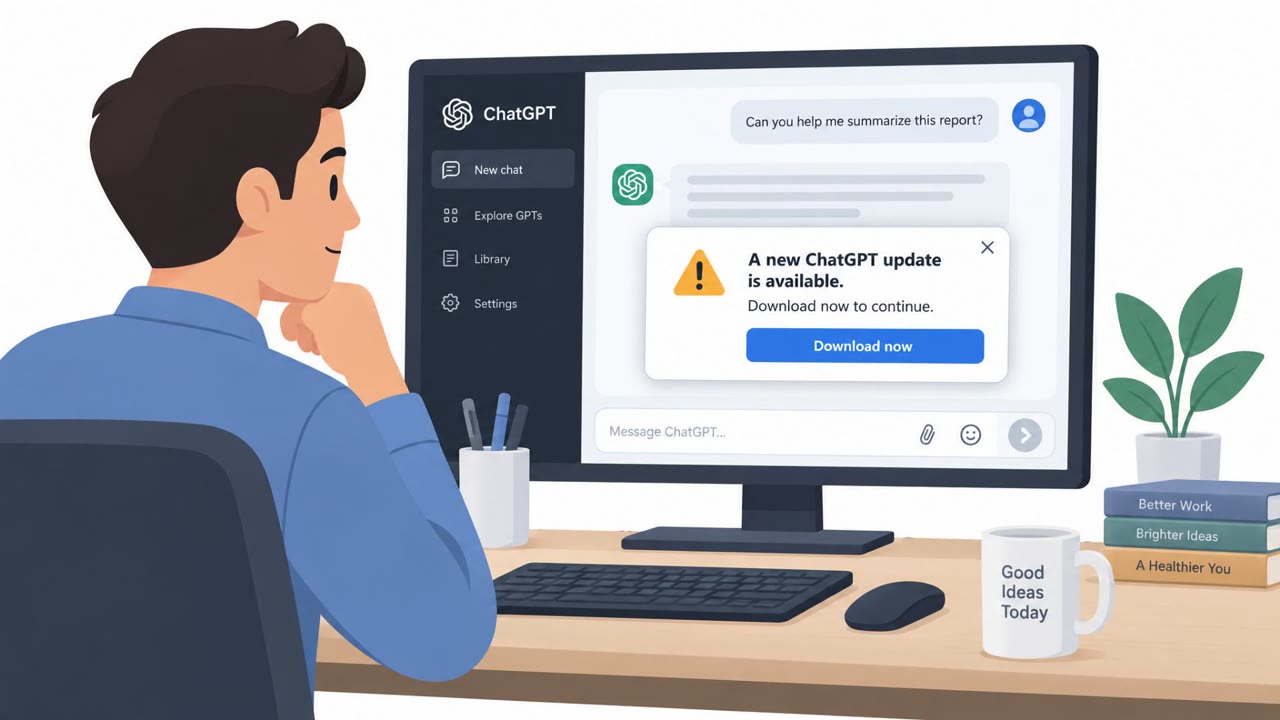
ChatGPT Flaw Enables Fake Update Lures

ChatGPT Flaw Enables Fake Update Lures

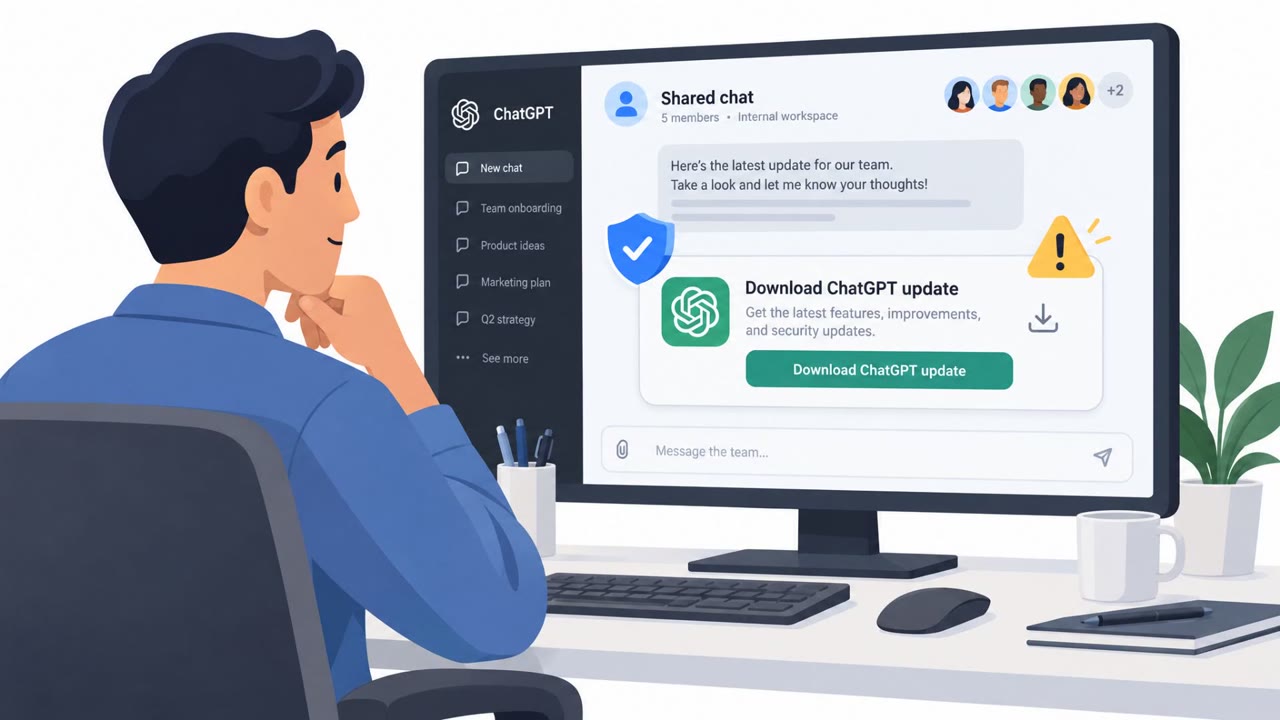
Researchers found and responsibly disclosed a now-patched ChatGPT weakness that could let malicious content escape Lockdown Mode protections. An attacker could use a crafted prompt, malicious custom GPT, or shared chat to steal chat data without interaction or show a convincing fake ChatGPT update…

November 5, 2026
ChatGPT Lockdown Bypass Enables Phishing

ChatGPT Lockdown Bypass Enables Phishing

Check Point Research found and reported a ChatGPT vulnerability that could let malicious content escape a protected preview environment, bypassing Lockdown Mode. The flaw could support fake ChatGPT update windows, credential-harvesting reauthentication pages, malware downloads, and, in the Classic…

November 5, 2026
Copilot Flaw Turned AI Into Data Exfiltration Tool

Copilot Flaw Turned AI Into Data Exfiltration Tool

Researchers disclosed SearchLeak, a Microsoft 365 Copilot Enterprise vulnerability chain that reportedly let a single crafted-link click turn a user’s AI assistant into a tool for collecting and sending out sensitive data. The attack abused prompt injection and trusted Microsoft infrastructure,…

October 19, 2026
BO Team Phish Staff After Server Takeover

BO Team Phish Staff After Server Takeover

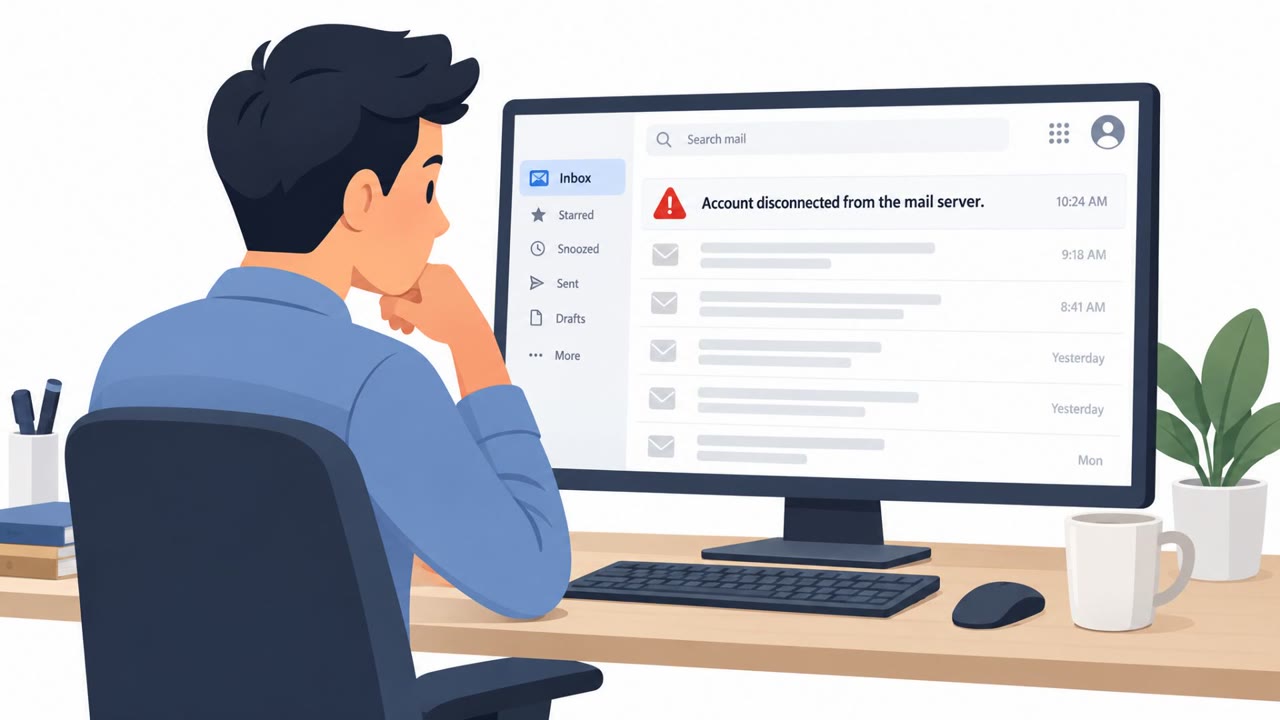
After defenders cut off BO Team’s access to a Russian software developer, the group launched a credential-stealing phishing campaign against employees. The email claimed the recipient’s mail account had been disconnected and directed them to a fake password-change page made to resemble the…

November 16, 2026
Phishers Exploit Microsoft 365 Outage

Phishers Exploit Microsoft 365 Outage

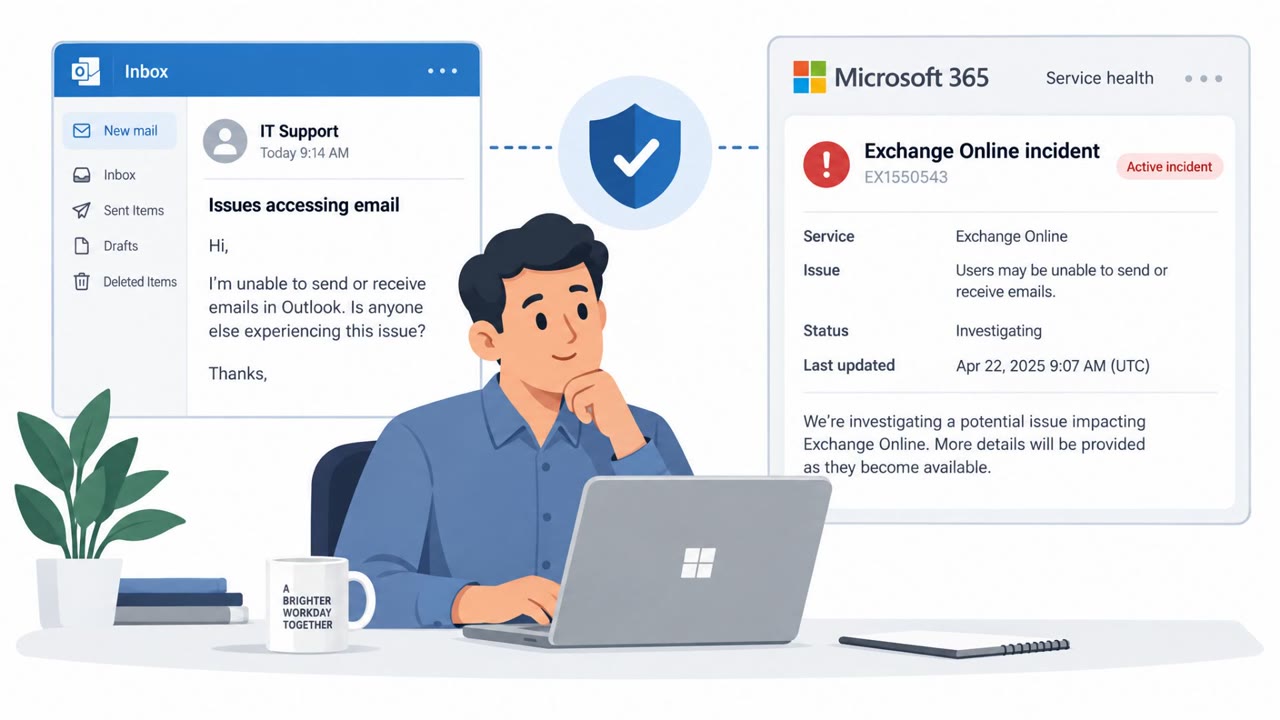
Attackers quickly used a real Microsoft 365 outage as cover for fake service-health emails. The messages warned that email held during the outage would be deleted within 24 hours unless the recipient clicked a link to restore it, likely aiming to steal credentials.

November 14, 2026