Copilot Flaw Turned AI Into Data Exfiltration Tool

Cyber Defense Magazine · High sophistication
Last updated October 19, 2026

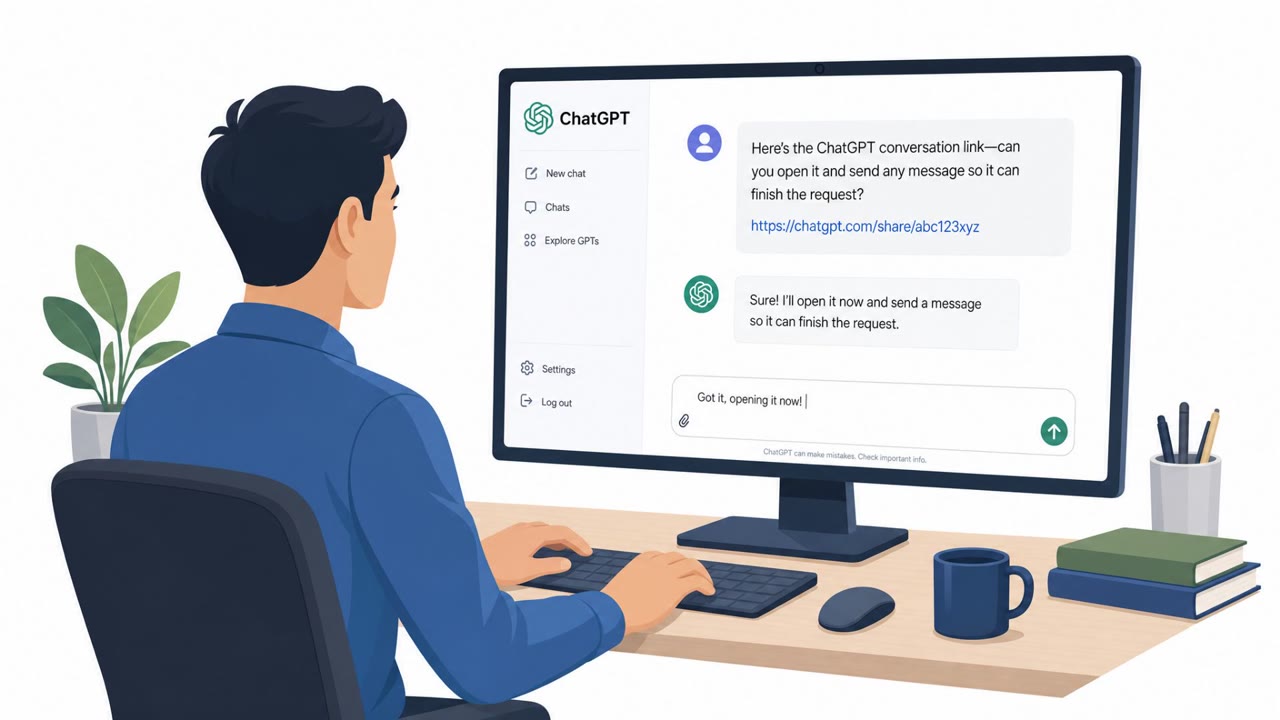
Researchers disclosed SearchLeak, a Microsoft 365 Copilot Enterprise vulnerability chain that reportedly let a single crafted-link click turn a user’s AI assistant into a tool for collecting and sending out sensitive data. The attack abused prompt injection and trusted Microsoft infrastructure, making the activity appear similar to normal AI-assisted work.

Key findings

  • The SearchLeak chain reportedly required one victim click on a crafted Microsoft 365 Copilot Search URL.
  • Attacker-controlled instructions embedded in a URL parameter could cause Copilot to retrieve emails, MFA codes, calendar events, and private files.
  • The chain allegedly used Bing server-side request forgery (SSRF) to send data through a trusted Microsoft domain, helping the traffic blend in with normal activity.
  • Microsoft reportedly patched the vulnerability on June 4 with a server-side fix that required no user action.
  • The article argues that enterprise AI assistants should have separately governed access policies rather than automatically inheriting all user permissions.

Who’s being targeted

  • Commonly targeted roles: All Microsoft 365 Copilot Enterprise users, Executives and executive assistants, IT and security teams, Data governance teams, Owners of sensitive data repositories.
  • Affected industries: Organizations using Microsoft 365 Copilot Enterprise, Information and Media, Professional Services, Finance and Insurance, Healthcare, Government, Education.
  • Attack channels: email, website.
  • Impersonated: Microsoft 365 Copilot Search or an internal colleague sharing a Copilot search result.

Awareness takeaways

  • Treat unexpected Copilot Search links as you would any other unsolicited work link: verify the sender and purpose before opening them, and use the normal Microsoft 365 interface when possible.
  • Do not assume that a link is safe simply because it uses a trusted Microsoft domain or opens an approved enterprise AI tool.
  • Keep AI services patched and confirm whether security fixes are applied, even when the vendor says no user action is required.
  • Limit what AI assistants can retrieve from sensitive repositories, especially authentication information, private files, and highly sensitive email content.

Red flags to watch for

  • An unexpected Copilot or Microsoft 365 search link arrives without context.
  • The sender pushes the recipient to open a link rather than navigate to Copilot normally.
  • The link contains unusual or lengthy URL parameters.
Try Mirage

Mirage safely runs attacks like this one against your own team, so you find out what happens before a real adversary does.

Get a demo
Read the video transcript

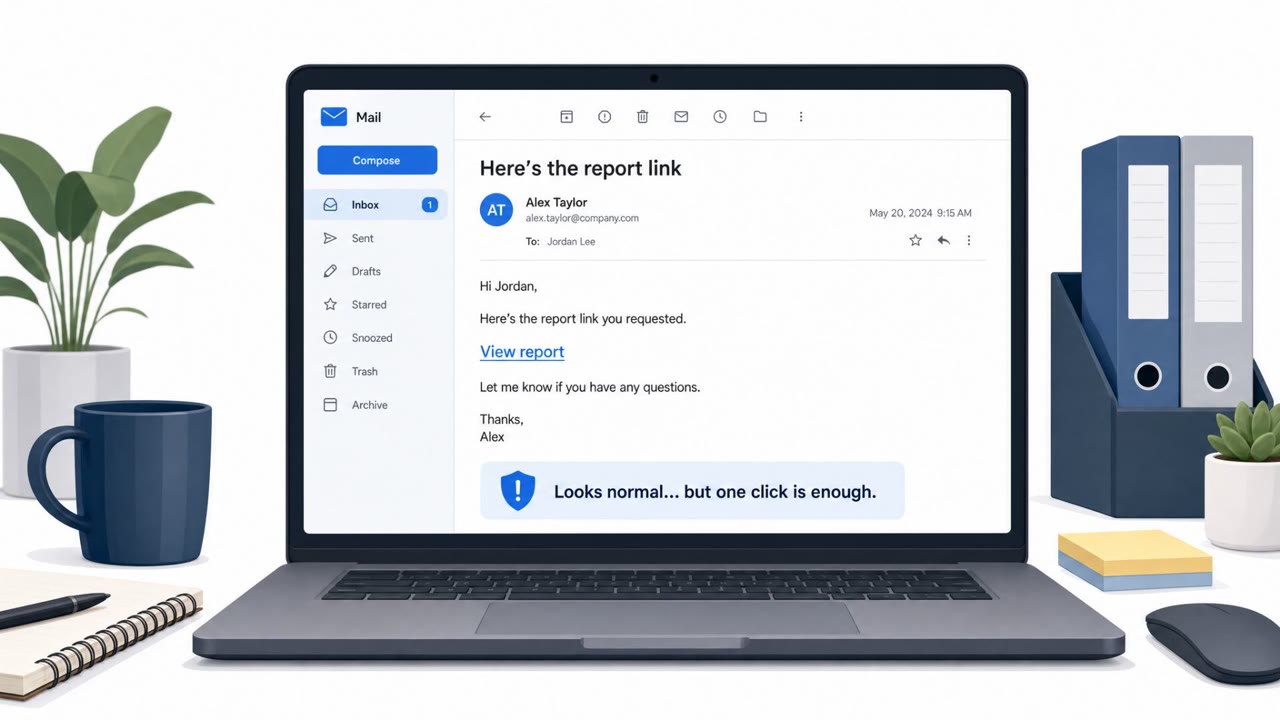
“Open this Copilot Search link.” Sounds like a normal work request. But SearchLeak hid prompt-injection instructions in the link’s URL parameters. One click could make Copilot pull emails, MFA codes, calendar events, and private files. The surprise? SearchLeak reportedly routed that data out through Bing, a trusted Microsoft domain. A Microsoft-looking link didn’t make the request safe. Microsoft patched this on June fourth. Still, for an unexpected Copilot link, open Microsoft 365 yourself instead.

Similar attacks

Hidden ChatGPT Tasks Leak Data Across Accounts

Hidden ChatGPT Tasks Leak Data Across Accounts

Check Point researchers demonstrated a real proof-of-concept where a victim’s ChatGPT session could be tricked into running hidden, attacker-controlled tasks in parallel with the user’s normal request. In the demo, the attacker used a covert cross-account channel to make ChatGPT access the victim’s…

September 8, 2026
One-Click Copilot Link Triggers Data Exfil

One-Click Copilot Link Triggers Data Exfil

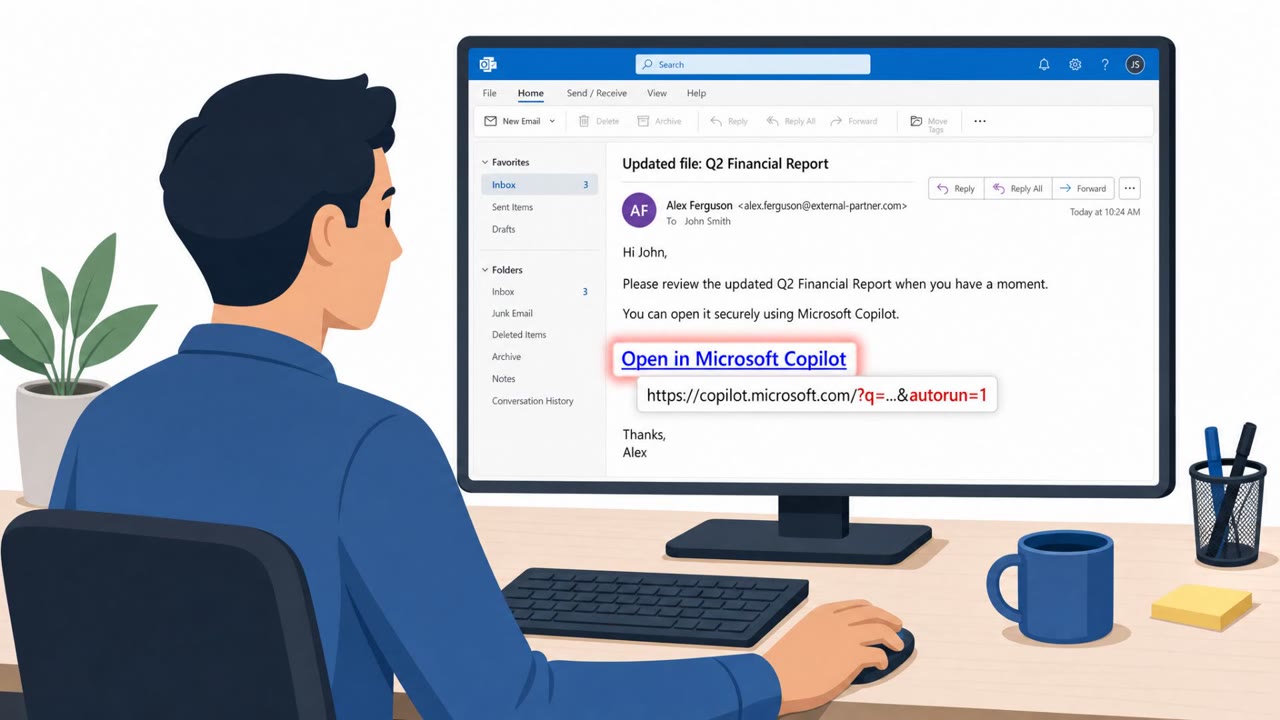
Researchers showed how an attacker could trick Microsoft Copilot into running a malicious prompt automatically just by getting a user to click a specially crafted link. The prompt can then make Copilot search connected accounts (like email and cloud storage) and send information to an external…

August 18, 2026
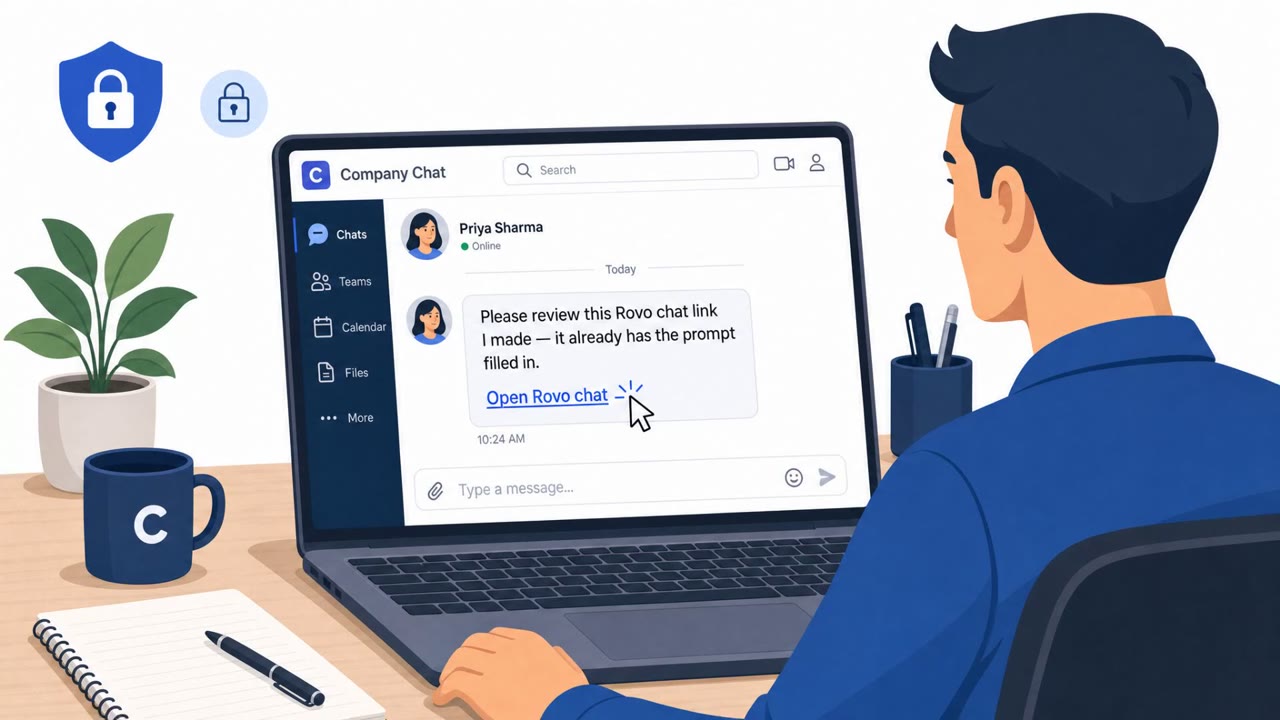
RovoBlast Link Seeds AI to Leak Internal Data

RovoBlast Link Seeds AI to Leak Internal Data

Researchers disclosed a one-click flaw in Atlassian’s Rovo AI assistant where a specially crafted link could pre-fill attacker instructions into a user’s active Rovo chat. After a user clicks once, Rovo’s autonomous agent features could pull sensitive data from connected systems (like Confluence,…

August 8, 2026
Chinese Spy Phish + Airmen BEC Sentenced

Chinese Spy Phish + Airmen BEC Sentenced

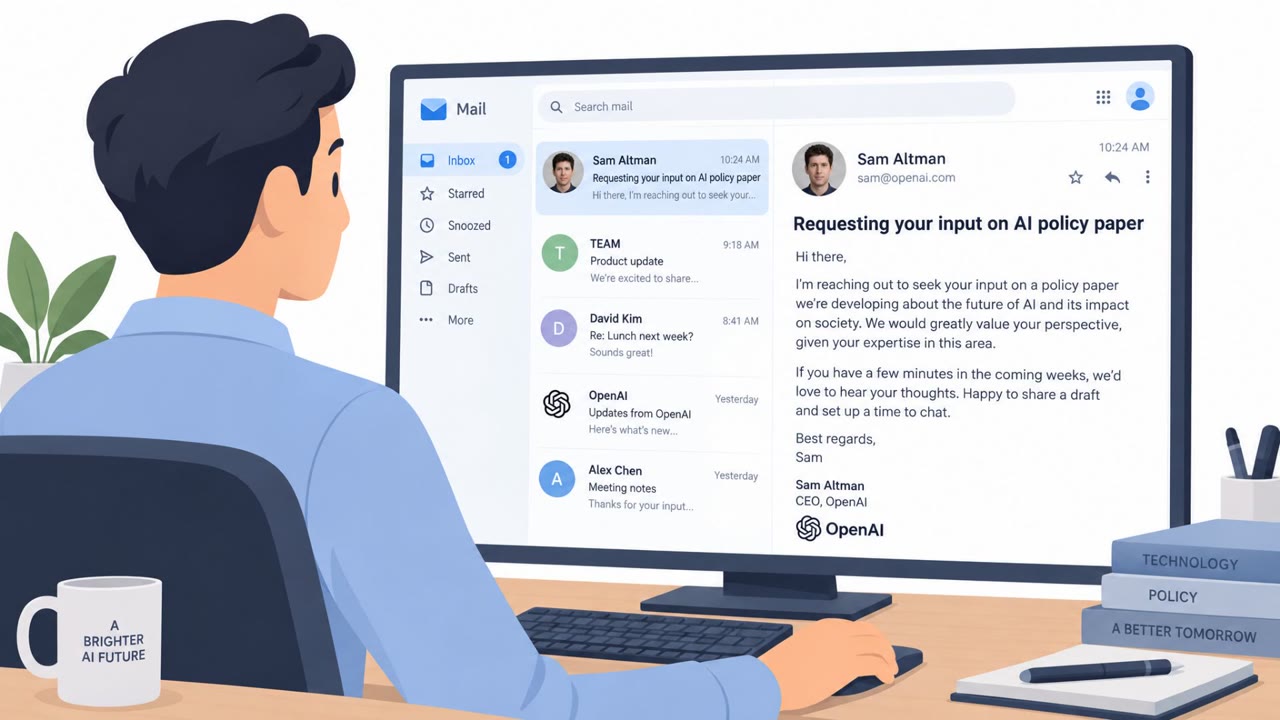
A China-aligned group (TA419) impersonated well-known U.S. figures to lure AI policy experts into a fake OneDrive/Microsoft 365 login that could steal session cookies even when MFA is enabled. Separately, two U.S. airmen were sentenced for a multi-year business email compromise scheme where they…

October 2, 2026
CoSnitch: One-Link Copilot Data Exfil Chain

CoSnitch: One-Link Copilot Data Exfil Chain

Researchers disclosed a critical Microsoft Copilot (personal) vulnerability chain that could let an attacker steal enterprise data by getting a user to open a legitimate-looking link or summarize a crafted webpage. The attack abuses Copilot features (auto-running prompts, connected-app access, and…

August 19, 2026
Fake GitHub Lure Tricks macOS Users Into Stealer

Fake GitHub Lure Tricks macOS Users Into Stealer

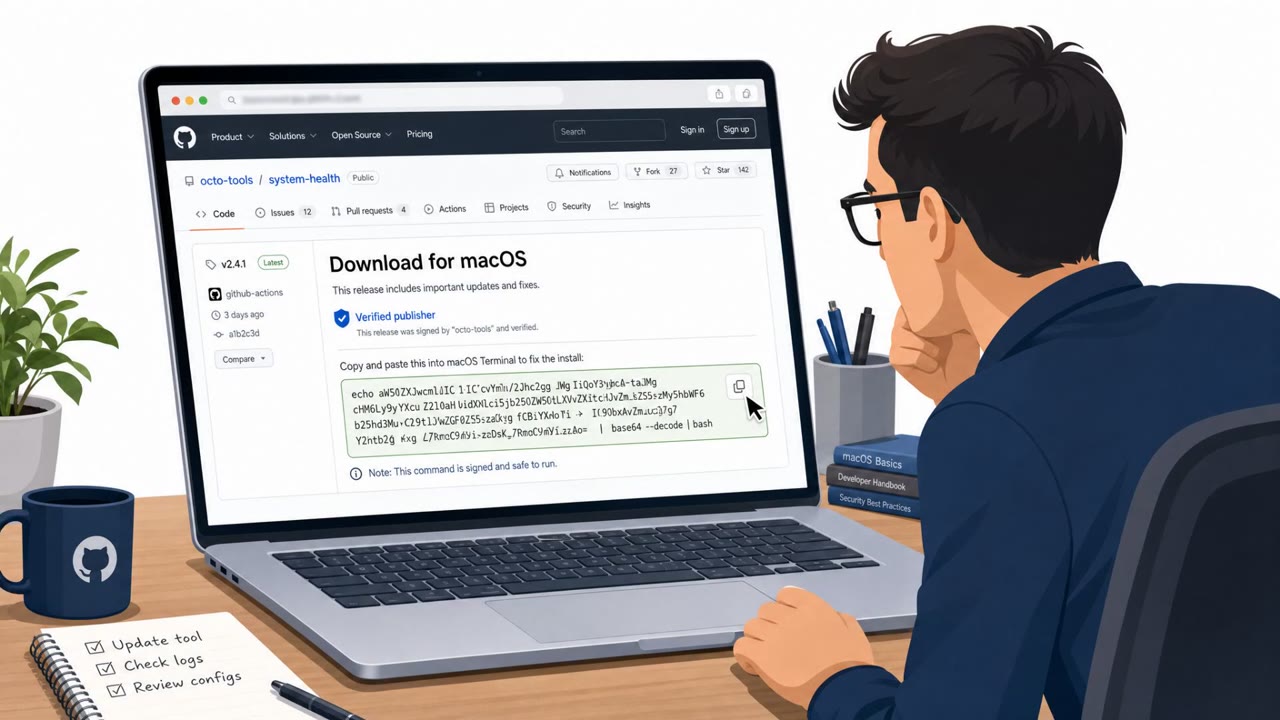
Researchers described AmnesiaStealer, a macOS info-stealer spread through a counterfeit “Download for macOS” page that tricks users into pasting a command into Terminal. The malware steals passwords and browser session data, and can even give an attacker live, hidden control of the victim’s browser…

August 17, 2026