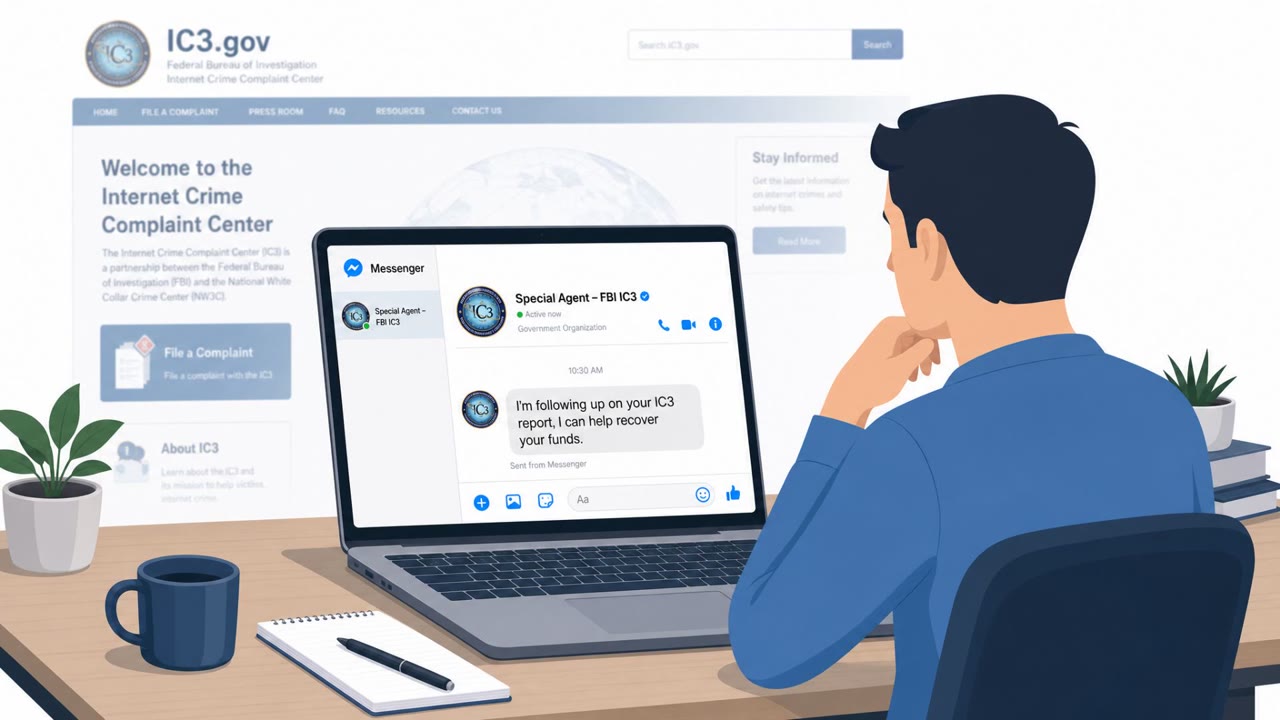
New Zealand’s intelligence service says a China-linked organization tried to install space ground infrastructure in New Zealand that could collect militarily useful intelligence, using a local partner that likely didn’t understand the capability or who would receive the data. The same assessment says PRC intelligence affiliates are also using professional networking sites and online job ads, posing as consultants, think tanks, or recruiters to vet and cultivate targets in sensitive government-related fields.
What Happened
New Zealand's intelligence service, NZSIS, disclosed two related concerns in the same assessment. First, a China-linked organization attempted to install Ground Based Space Infrastructure in New Zealand that could collect intelligence of military value. The activity was disrupted, and NZSIS noted the local partner involved was likely unaware of the equipment's capability or who would ultimately receive the collected data. Second, the assessment describes PRC intelligence affiliates using professional networking sites and online job platforms to identify and cultivate people with access to sensitive government-related information.
How the Job Lure Works
The recruitment pattern described follows a consistent structure:
- Intelligence officers or affiliates pose as consultants, think tank staff, or recruitment firm representatives.
- They post job ads seeking analysts in foreign policy, international relations, defence, or security.
- Interested candidates are vetted to determine what sensitive information they have accessed and whether they would be willing to share it.
- Offers are described as lucrative, but candidates are often encouraged to stay in their current government job.
That last point matters. Keeping the target employed in place preserves an ongoing information source and creates opportunities to recruit colleagues, rather than simply extracting one round of data.
Why This Approach Succeeds
This technique works because it exploits normal professional behavior. Job seeking on LinkedIn or job boards is routine, and an approach framed as a legitimate consulting or research opportunity does not look like a security incident. The vetting conversation can feel like standard interview due diligence rather than intelligence collection. Because the ask is gradual, information about access levels first, then a job offer, then a request to stay employed, there is no single dramatic moment that triggers suspicion.
What to Watch For
Defenders and individuals in sensitive roles should treat the following as escalation triggers:
- Unsolicited job outreach for policy, defence, or security roles from unfamiliar consulting firms, think tanks, or recruiters.
- Interview questions that probe what specific sensitive information you have had access to.
- An offer that encourages you to remain in your current government position rather than transition immediately.
- Foreign-linked partnerships involving technical infrastructure where the data destination or downstream recipients are unclear.
Building Resistance
Organizations in government, defence, space, and research sectors should train staff to verify recruiters and employers independently before engaging further, treat information-fishing questions during interviews as reportable events, and apply due diligence to any partnership involving advanced technical infrastructure to confirm what data is collected and where it goes.
Key findings
- NZSIS says a China-linked organization attempted to install Ground Based Space Infrastructure (GBSI) in New Zealand and that the activity was disrupted.
- The assessment says PRC intelligence services target professional networking sites and online job platforms by posing as consultants, think tanks, or recruitment firms.
- The lure involves lucrative job ads for analysts (foreign policy/international relations/defence/security), followed by vetting to determine what sensitive information candidates can access and whether they would divulge it.
- Targets are encouraged to keep their government jobs to maintain ongoing access and potentially recruit colleagues.
Who’s being targeted
- Commonly targeted roles: Government employees (policy, defence, security), HR and recruiting teams, Executives and senior leaders, Research staff in universities/think tanks, Space sector program and partnership managers.
- Affected industries: Government, Defense and national security, Space sector, Think tanks and policy research, Universities and research organizations.
- Attack channels: linkedin.
- Impersonated: Consultant or employee of a think tank / recruitment firm.
Red flags to watch for
- Recruiter pushes for details about what information you have had access to
- Offer is described as lucrative and encourages you to keep your government job
- Approach comes via professional networking sites or online job platforms with unclear employer legitimacy
Frequently asked questions
What did New Zealand's intelligence agency report?
NZSIS reported that a China-linked organization attempted to install Ground Based Space Infrastructure in New Zealand capable of collecting militarily useful intelligence, and that the activity was disrupted.
How are fake job ads used in this attack pattern?
PRC intelligence officers or affiliates pose as consultants, think tanks, or recruitment firms and post lucrative analyst job ads to identify and vet candidates with access to sensitive foreign policy, defence, or security information.
What is a red flag during a recruitment approach?
A recruiter pressing for details about what sensitive information you have accessed, or suggesting you keep your current government job after accepting an offer, are both notable warning signs.
Who is most at risk from this type of targeting?
Government employees in policy, defence, and security roles, along with think tank and university research staff and space sector partnership managers, are named as primary targets.
Read the video transcript
New Zealand’s intel service just called this out: China-linked groups using fake “dream jobs” to quietly recruit people with access to sensitive info. They pose as consultants, think tanks, or recruiters on LinkedIn, post high-paying analyst roles in foreign policy, international relations, defence or security, then start “vetting” you for what classified or sensitive material you’ve seen. Here’s the tell: the offer sounds lucrative, they push you to describe exactly what information you can access, and then they say, “you should keep your government job” so the information tap keeps running, and maybe they can reach your colleagues too. If any recruiter asks what sensitive information you can access, or suggests you keep your government job, stop and report it to Security before you reply again.