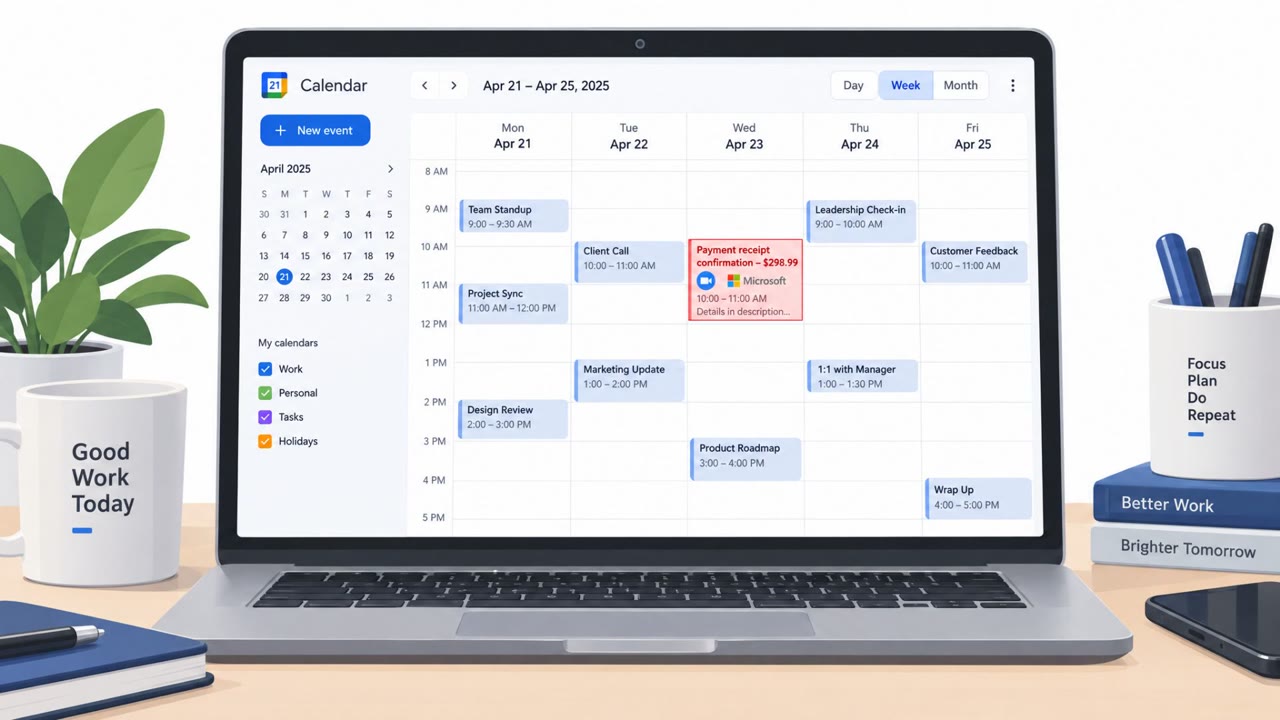
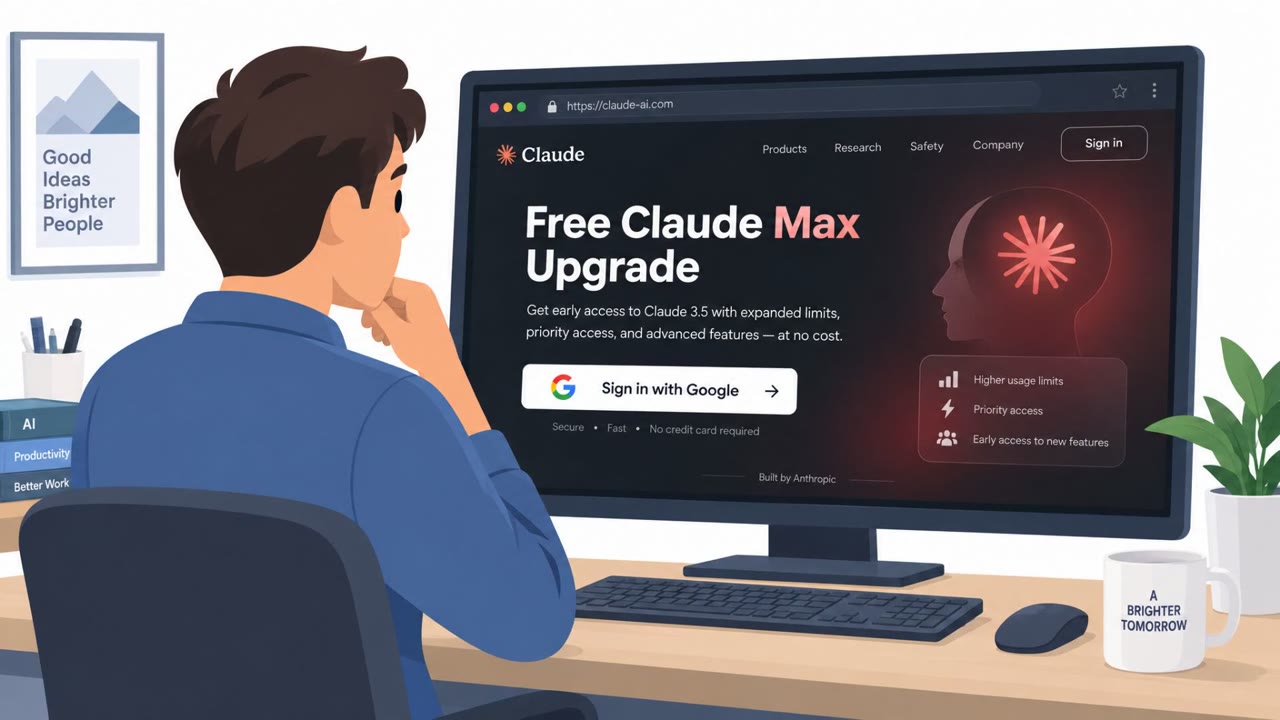
The FBI warns attackers are impersonating public figures on messaging apps and email to trick targets into approving a malicious OAuth app. Victims are sent links that lead to real Microsoft or Google login/consent screens, where approving access grants attackers ongoing access to emails and files. Because access is token-based, changing a password may not stop the attacker; the victim must revoke the app’s permissions.
How the Attack Worked
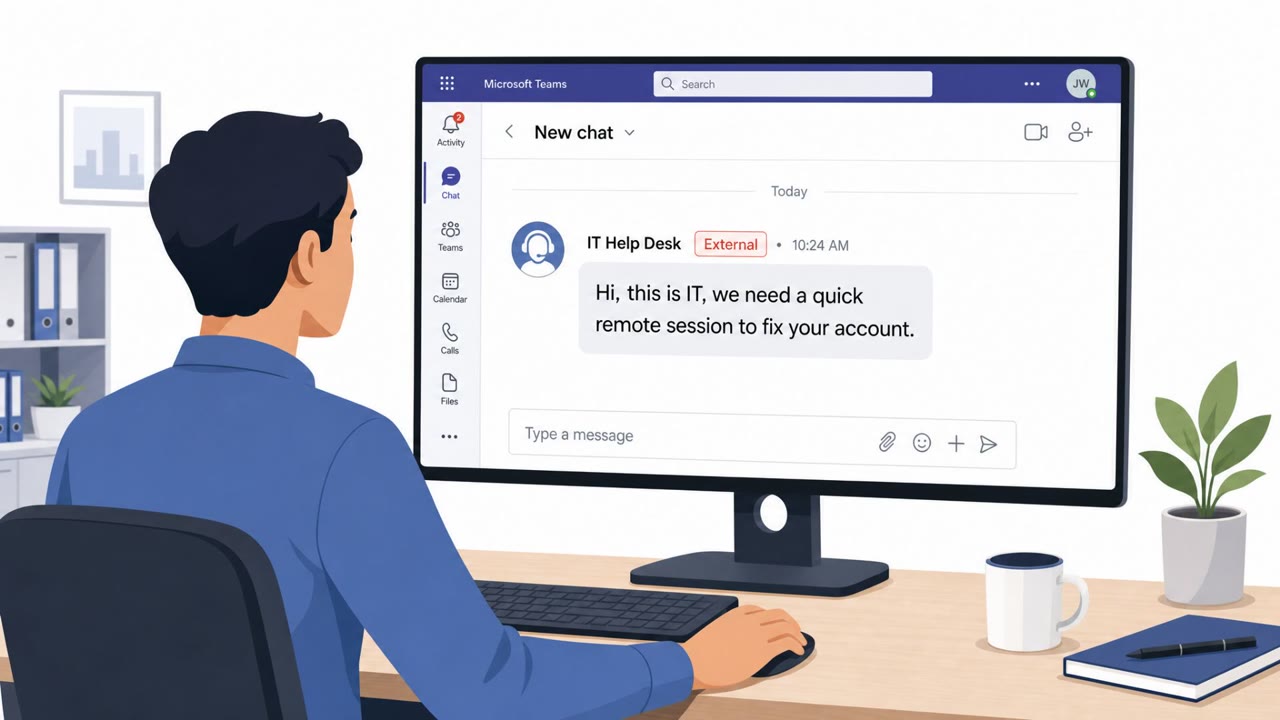
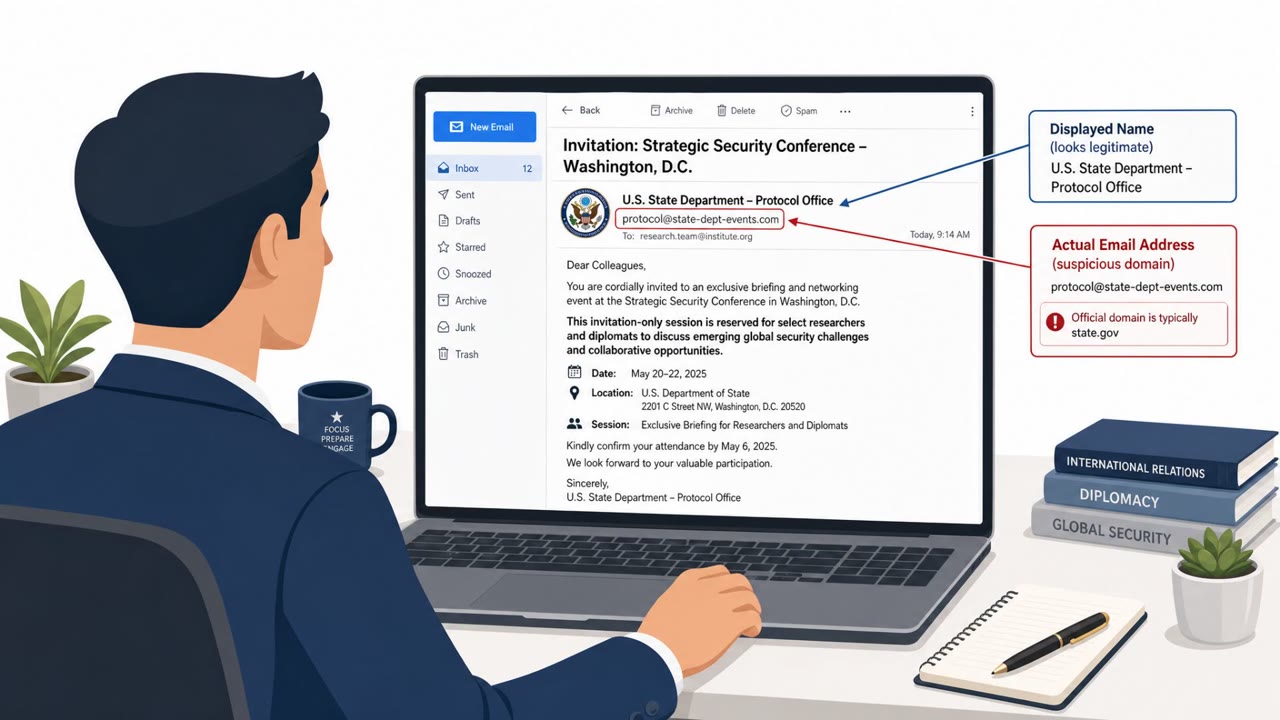
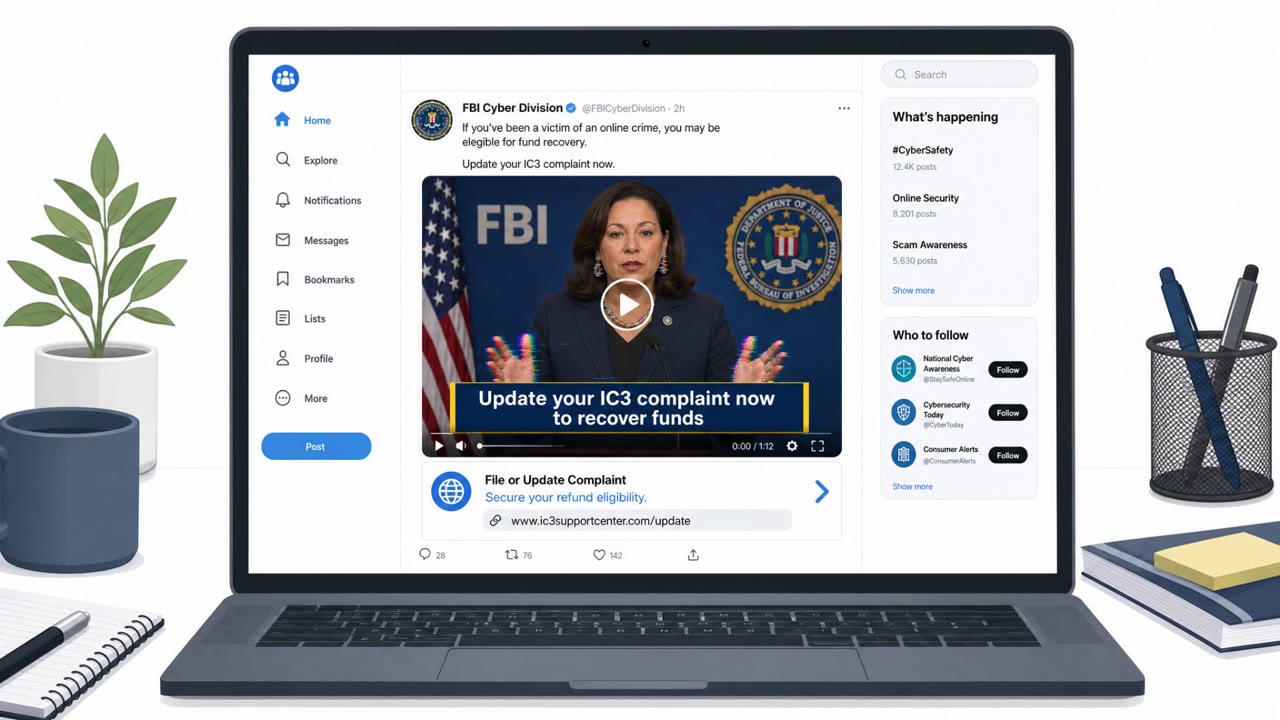
The FBI has warned since late 2025 about a technique called OAuth consent phishing. Attackers impersonate government officials, media figures, and other publicly known personalities, contacting targets through commercial messaging apps or email. The pretext is usually simple: review a document or confirm identity through a third-party application. The attacker registers a malicious OAuth application with a legitimate provider and names it to resemble a personal storage or identity verification service.
When the target clicks the link, they land on a genuine login page belonging to Microsoft, Google, or a similar provider. This is not a spoofed page; it is the real authorization screen. If the victim approves the permission request, the attacker's application gains access to the account within the scope granted, often covering email and files.
Why It Succeeded
This attack works because it exploits trust in real infrastructure rather than trying to fake it. Since the consent screen is genuine, many of the usual signs of phishing, such as a suspicious domain or fake login form, are absent. The social engineering layer, impersonating a journalist, official, or event organizer, adds urgency and legitimacy to the request, making the victim less likely to scrutinize the app name or requested permissions closely.
The technique also bypasses traditional defenses. Because access is token-based rather than password-based, standard credential protections like multi-factor authentication do not block it once the token is granted.
What to Watch For
- Unexpected requests to "confirm identity" or "review a document" through an unfamiliar third-party app
- App names that resemble storage or verification services but were never previously approved
- Messages from unfamiliar phone numbers or accounts claiming to be a known or public person
- Authorization prompts asking for broad access to email or files
Building Resistance
Defenders and high-profile individuals should verify a sender's identity independently, through a known phone number or separate channel, before clicking any link or approving an app. Only grant OAuth permissions to applications that are recognized and trusted, and review the scope of access requested before approving anything.
If consent phishing is suspected, a password change alone will not remove the attacker's access. The token or app permission must be revoked directly in the account's security settings. Organizations that support executives, government affairs staff, or communications teams should build this revocation step into their incident response procedures, since these are the audiences most frequently targeted by this technique.
Key findings
- Attackers have used “OAuth consent phishing” since late 2025 to gain persistent access to accounts without needing passwords.
- Attackers impersonate government officials, media, and other well-known personalities on commercial messaging apps (and also use email) to drive targets to a malicious link.
- The malicious link is presented as a file-sharing or identity verification request; the attacker registers a malicious OAuth application and names it to resemble a legitimate service.
- Victims may see genuine login/consent pages from providers like Microsoft or Google; approving permissions grants attacker access to emails/files within the approved scope.
- Changing a password may not remove attacker access; victims must revoke tokens/permissions in security settings.
- The FBI recommends verifying sender identity independently and only authorizing trusted applications.
Who’s being targeted
- Commonly targeted roles: Executive leadership, Executive assistants, Government affairs, Public relations/Communications, Anyone who manages high-profile accounts (personal and work).
- Affected industries: Government, Media, Public figures/High-profile individuals.
- Attack channels: email, smishing.
- Impersonated: Journalist, academic, or event organizer (or other publicly known personality), Government official, media figure, or other publicly known personality.
Red flags to watch for
- Unexpected request to ‘confirm identity’ or ‘review a document’ using an unfamiliar third-party app
- App name looks like a storage/verification service but is not recognized or previously approved
- Authorization request asks for broad access to email/files
- Message comes from an unfamiliar number/account but claims to be a known/public person
- Link claims to be a file-sharing service but routes to an authorization/consent prompt
- Pressure to quickly open a document or shared file
Frequently asked questions
What is OAuth consent phishing?
It is an attack where victims are tricked into approving a malicious OAuth application on a real Microsoft or Google login page, giving the attacker ongoing access to email and files within the granted permissions.
Does changing my password stop the attacker?
No. The FBI notes that a password change does not revoke this access; the victim must invalidate the token through their application security settings.
Who is being targeted in these attacks?
The FBI has observed attackers impersonating government officials, media figures, and other publicly known personalities to target executives, government affairs staff, and people who manage high-profile accounts.
How can I tell if a request is part of this scam?
Be suspicious of unexpected requests to review a document or confirm identity through an unfamiliar app, especially from unfamiliar phone numbers or accounts claiming to be a known person.
Read the video transcript
You get a message from a “journalist” asking you to review a document and confirm your identity through their app. You click, and it jumps to a real Microsoft or Google consent screen. This is OAuth consent phishing: the fake part is the app asking for access, not the login page. Here’s the trap: once you click Allow, that app can keep reading your emails and files by token, even if you change your password or have MFA on. If any ‘document review’ or ‘identity verification’ app feels off, stop and independently contact the person using a known number or channel before you approve anything.