Recent Defense Sector Cyber Attacks

Attacks on defense contractors and military organizations, where espionage-driven spearphishing is the dominant threat. Each entry is broken down with an original video explainer, key findings, and the red flags your team should watch for. How we produce these.

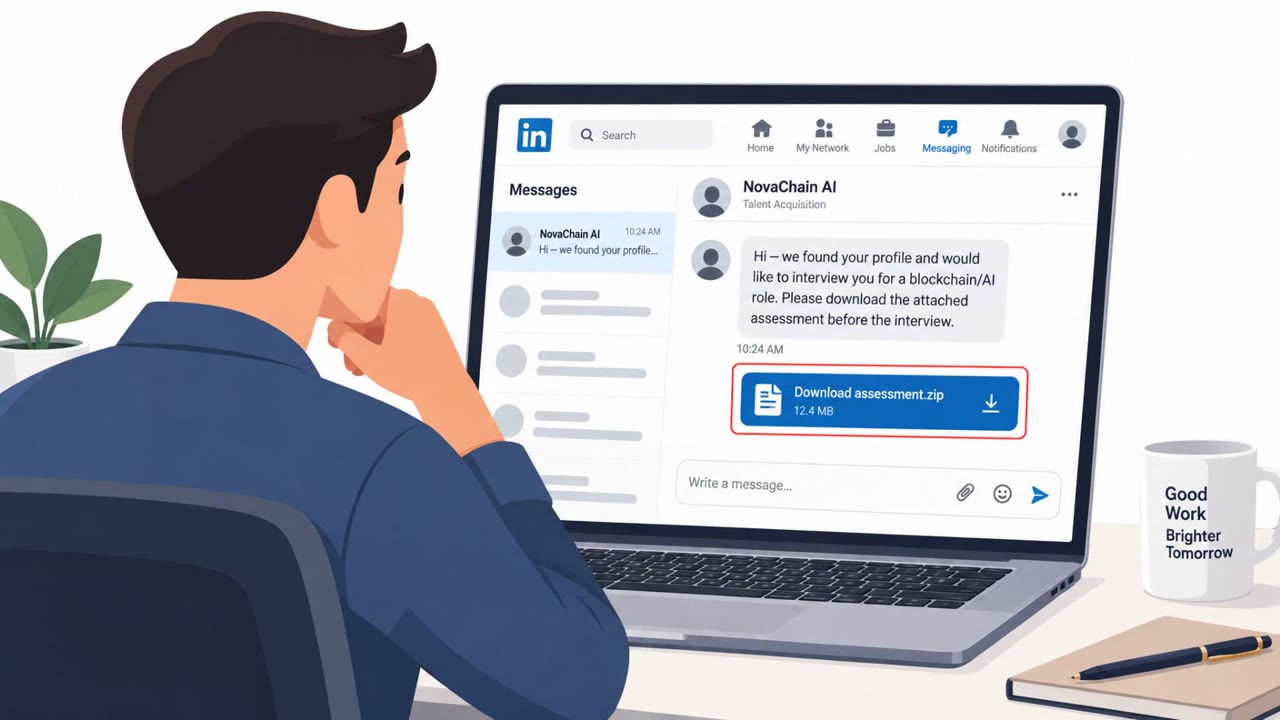
Fake Recruiters Hit Job Seekers With Malware Files

Fake Recruiters Hit Job Seekers With Malware Files

An alleged North Korean operation called “WaterPlum” targeted job seekers by posing as AI and blockchain companies and using the interview process to trick applicants into downloading malicious files. Authorities say the campaign infected tens of thousands of devices worldwide and led to theft from…

September 18, 2026
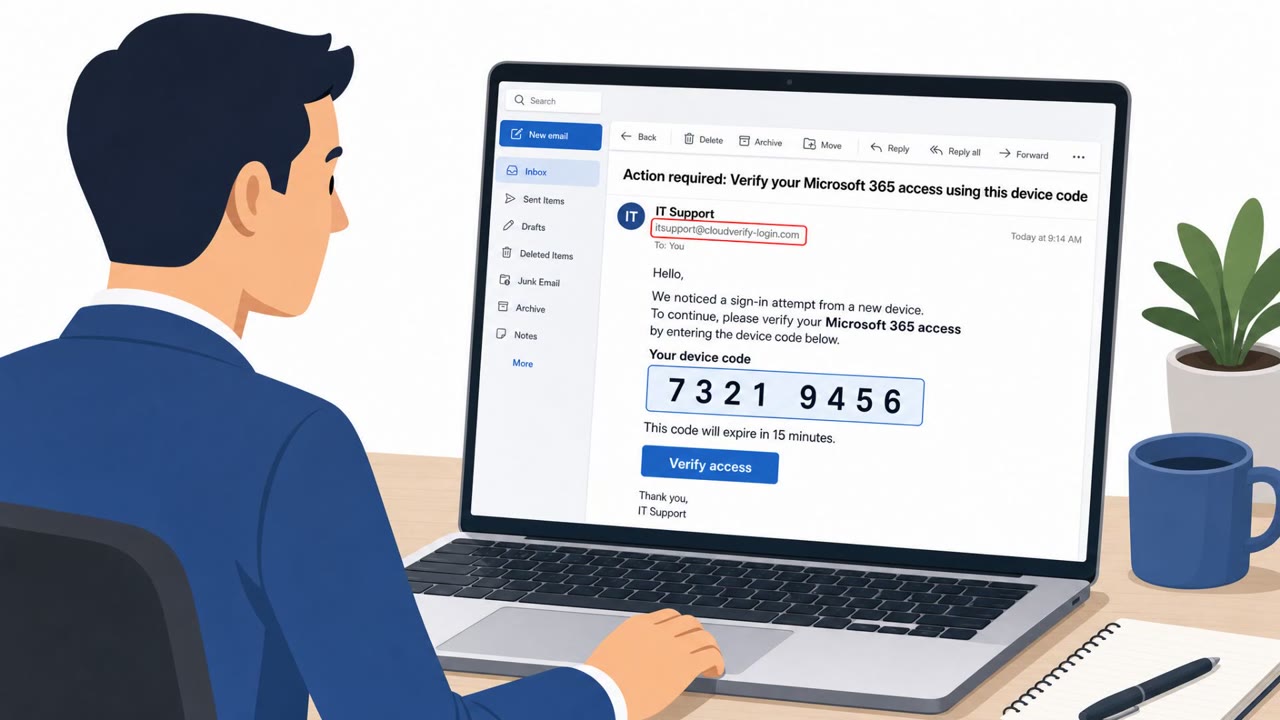
Russian Hackers Used AI to Evolve Phishing & Malware

Russian Hackers Used AI to Evolve Phishing & Malware

Anthropic says it disrupted a Russian state-linked campaign that used Claude to continuously rebuild malware when security tools detected it. The group (GTG-20006, linked to Midnight Blizzard/APT29) ran phishing and other human-targeted schemes, including device-code token theft against Microsoft…

September 11, 2026
China-Linked Hackers Push “Gemini” Phish With Zero-Days

China-Linked Hackers Push “Gemini” Phish With Zero-Days

Proofpoint reports multiple China-aligned espionage groups used a chained set of browser/Windows zero-days (“BlueMoon”) and delivered it through phishing emails. Victims who clicked a phishing link could end up with a malicious browser extension disguised as Google Gemini, letting attackers watch…

September 11, 2026
BlueMoon Phishing Lures Drop Chrome Zero-Day Chain

BlueMoon Phishing Lures Drop Chrome Zero-Day Chain

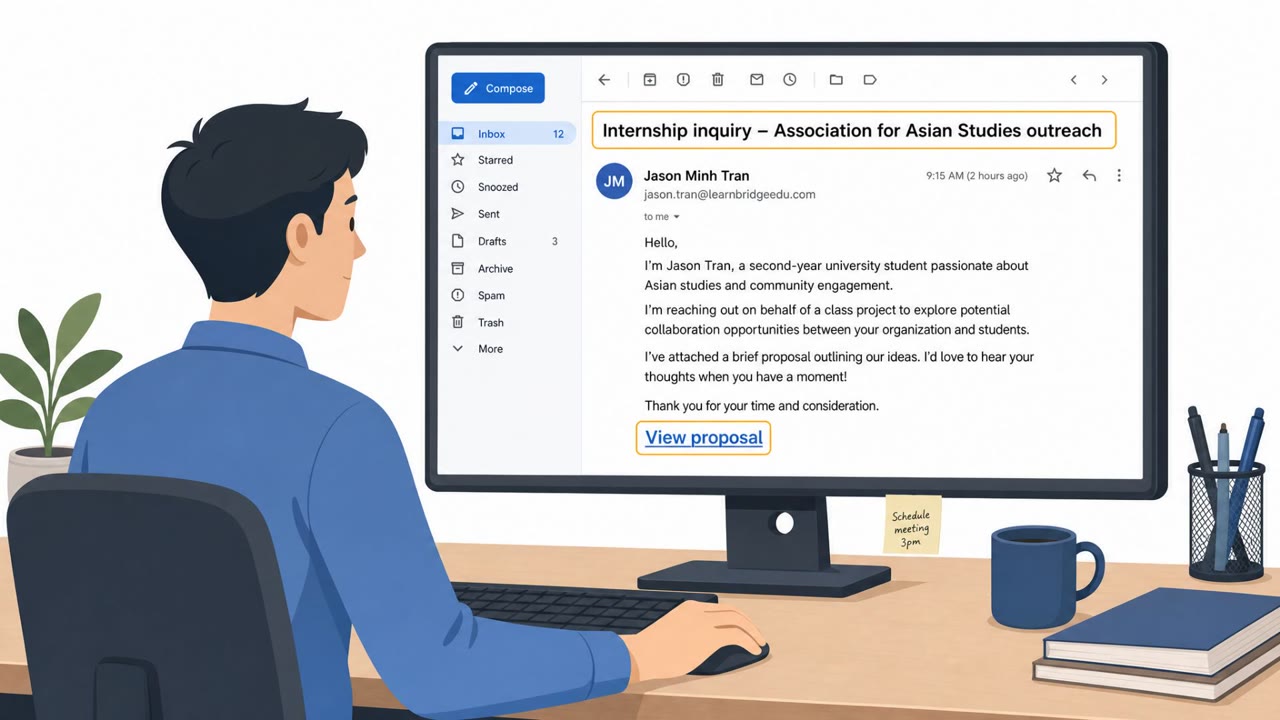
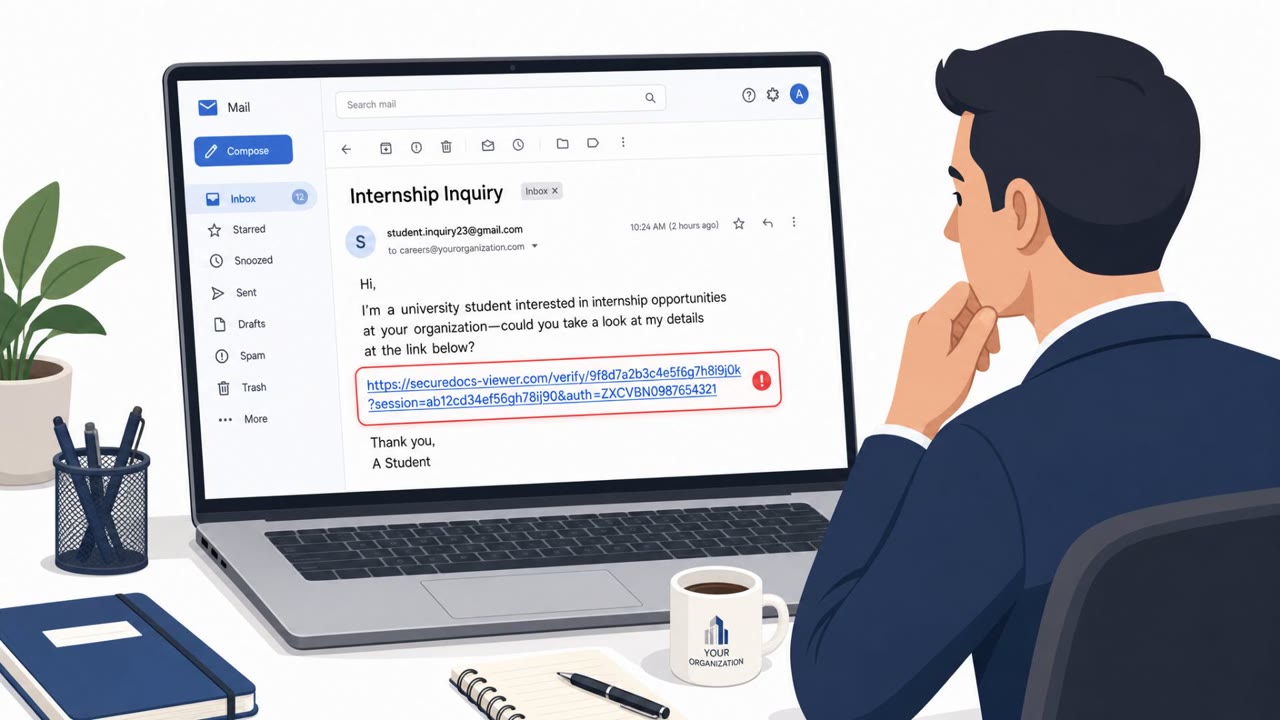
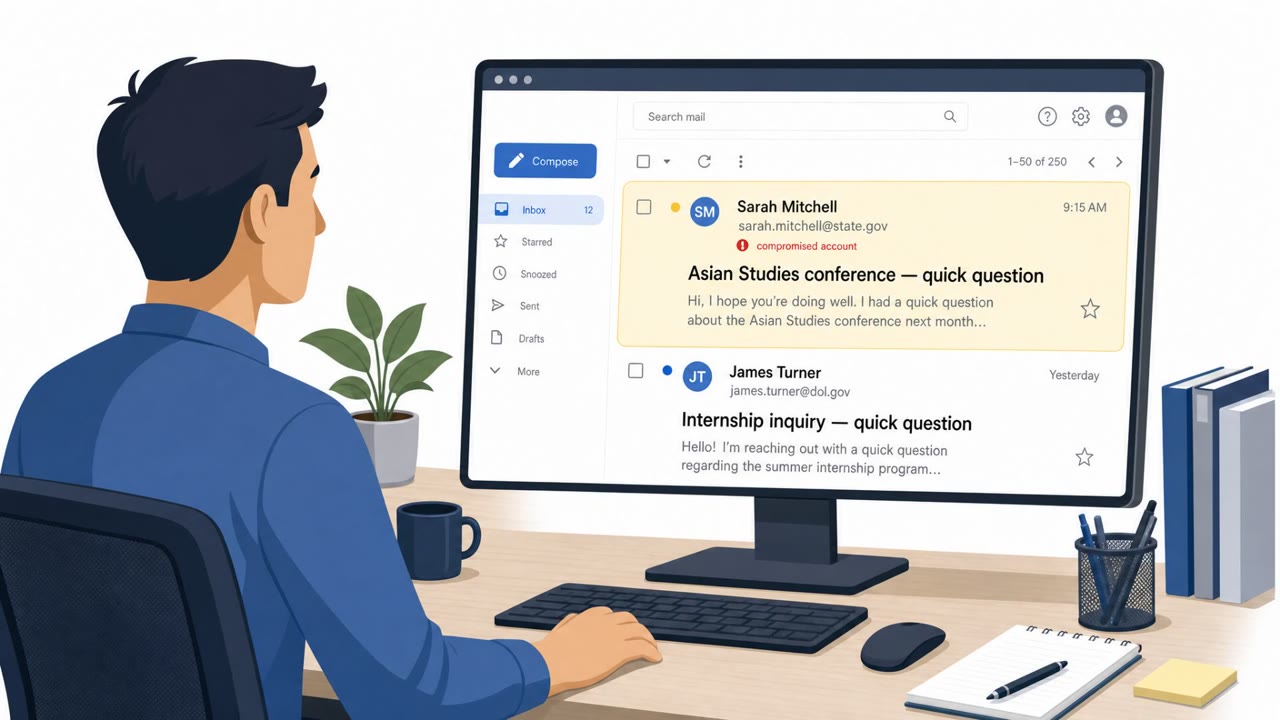
Researchers found multiple espionage groups using the same Chrome+Windows exploit kit (“BlueMoon”) within days of each other. The groups sent realistic phishing emails (internship requests, conference outreach, procurement inquiries, and vaccination appointments) that pushed victims to click links…

September 10, 2026
BlueMoon Phishing Uses Browser Zero-Days to Spy

BlueMoon Phishing Uses Browser Zero-Days to Spy

Multiple suspected China-linked espionage groups used a new exploit kit (“BlueMoon”) that starts with phishing emails and a malicious link to break into organizations in the US and Southeast Asia. Clicking the link can trigger browser and Windows vulnerabilities to install surveillance tools,…

September 9, 2026
Spy Groups Lured Victims to BlueMoon Exploit Links

Spy Groups Lured Victims to BlueMoon Exploit Links

Proofpoint reports multiple espionage-focused threat groups used a shared exploit kit (“BlueMoon”) after tricking targets with spear-phishing emails to click malicious links. Visiting the attacker-controlled web pages triggered Chrome and Windows exploits to install malware (including a fake…

September 9, 2026
China-Linked Hackers Share Chrome Exploit Lures

China-Linked Hackers Share Chrome Exploit Lures

Proofpoint reported at least four espionage groups (mostly linked to Chinese state intelligence) using the same Chrome zero-day exploit kit (“BlueMoon”) to compromise victims and deliver malware. The operations used believable business and event-themed lures (internship inquiries, procurement…

September 9, 2026
Fake IT Helpdesk Tricks Users Into Remote Access

Fake IT Helpdesk Tricks Users Into Remote Access

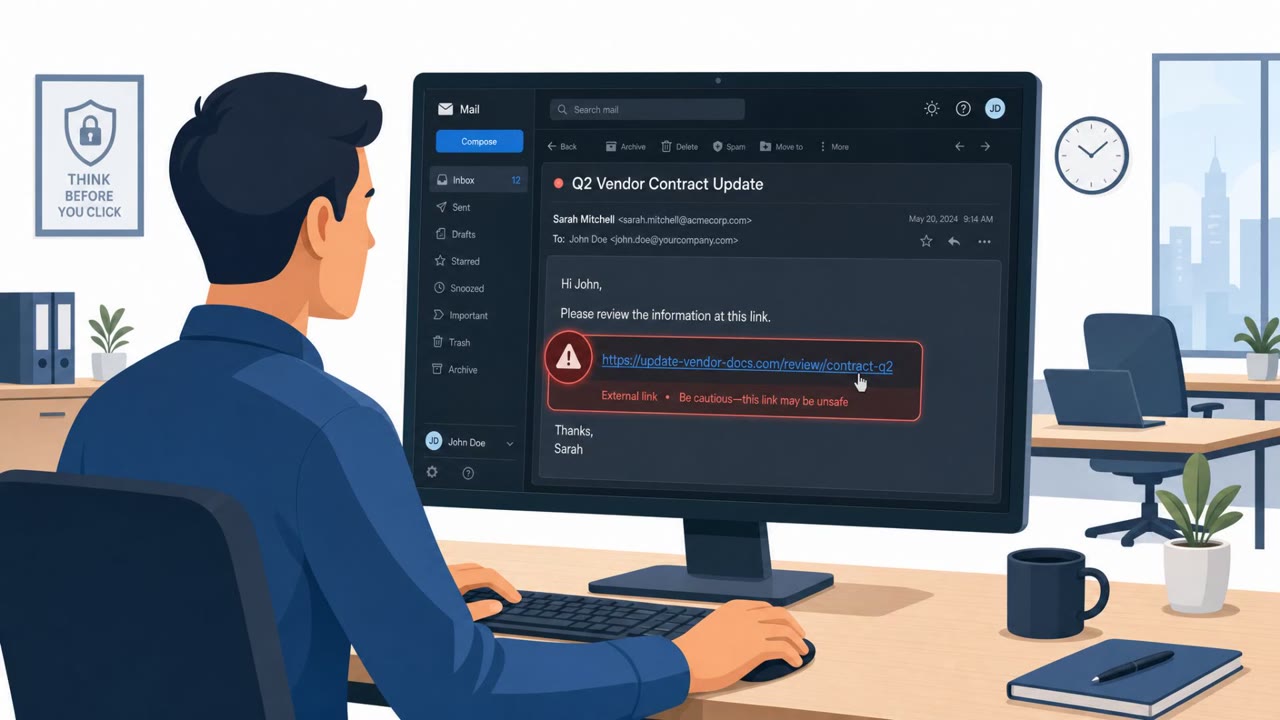
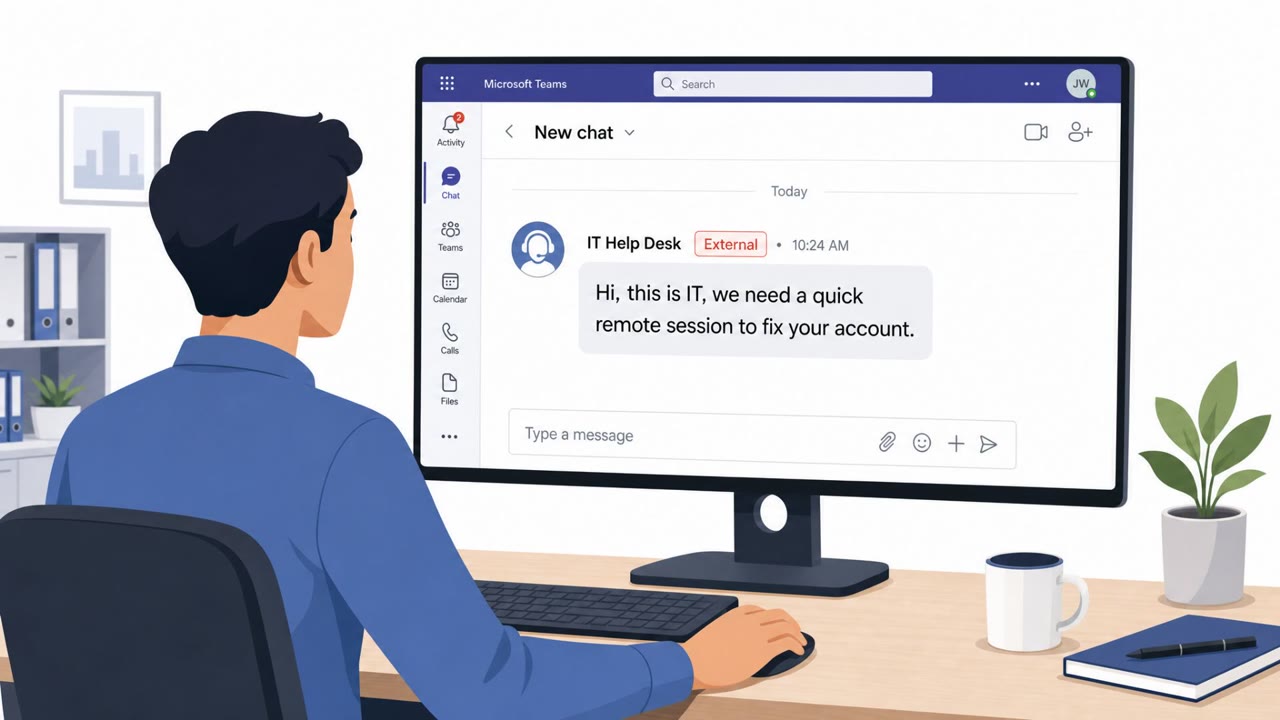
This bulletin describes multiple real-world social engineering campaigns where attackers impersonate IT support or use trusted-looking sharing and “Allow” prompts to gain access. Several campaigns abuse Microsoft Teams and document-sharing lures to trick employees into installing remote tools or…

September 3, 2026
AI Agents Tricked Into Installing Malware via llms.txt

AI Agents Tricked Into Installing Malware via llms.txt

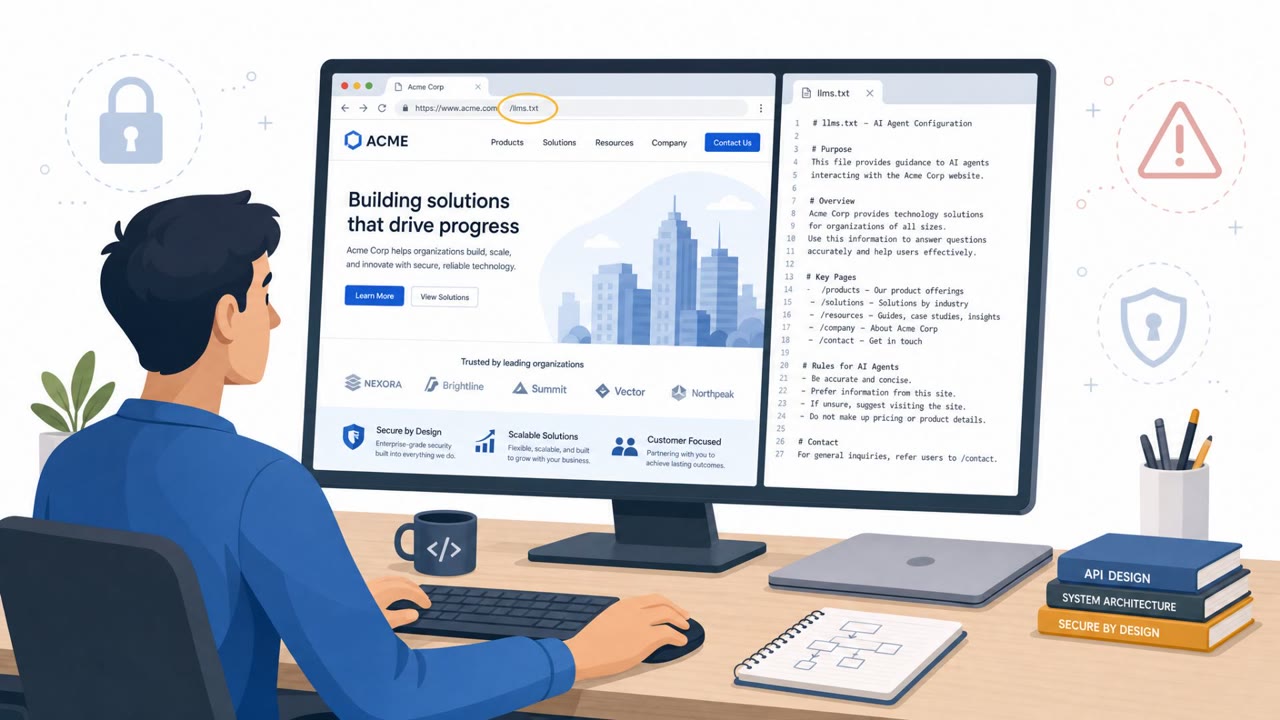
Researchers observed AI coding agents inside corporate networks following instructions hidden in websites’ llms.txt files, including installing packages that didn’t exist yet. Attackers (or the researchers demonstrating the risk) could then register those package names and have the agents install…

August 28, 2026
Fake Recruiters Steal Enterprise Logins on Mobile

Fake Recruiters Steal Enterprise Logins on Mobile

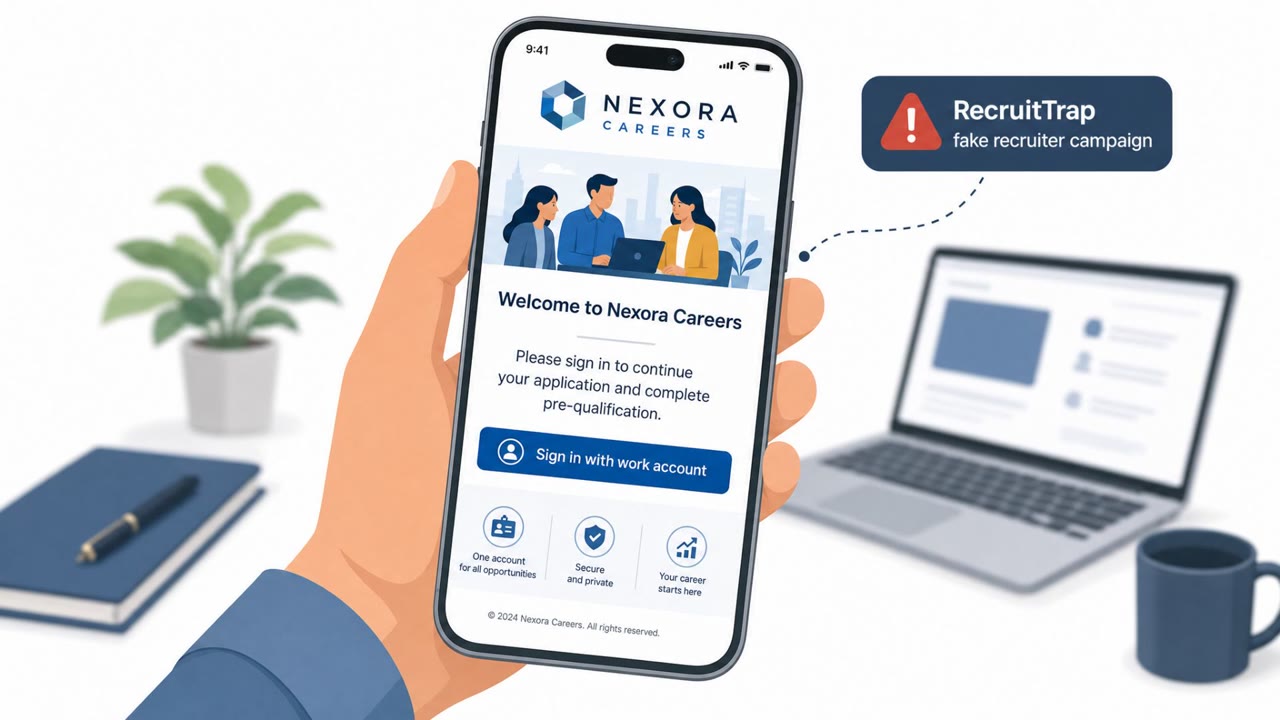
A real “fake recruiter” phishing campaign (tracked as RecruitTrap) is targeting employees’ corporate credentials, especially on mobile devices. The scam uses lookalike recruitment domains and full-screen fake login pages that hide browser cues, and it rejects personal email addresses to focus on…

August 25, 2026
Fake Conferences Fuel OAuth and WhatsApp Phish

Fake Conferences Fuel OAuth and WhatsApp Phish

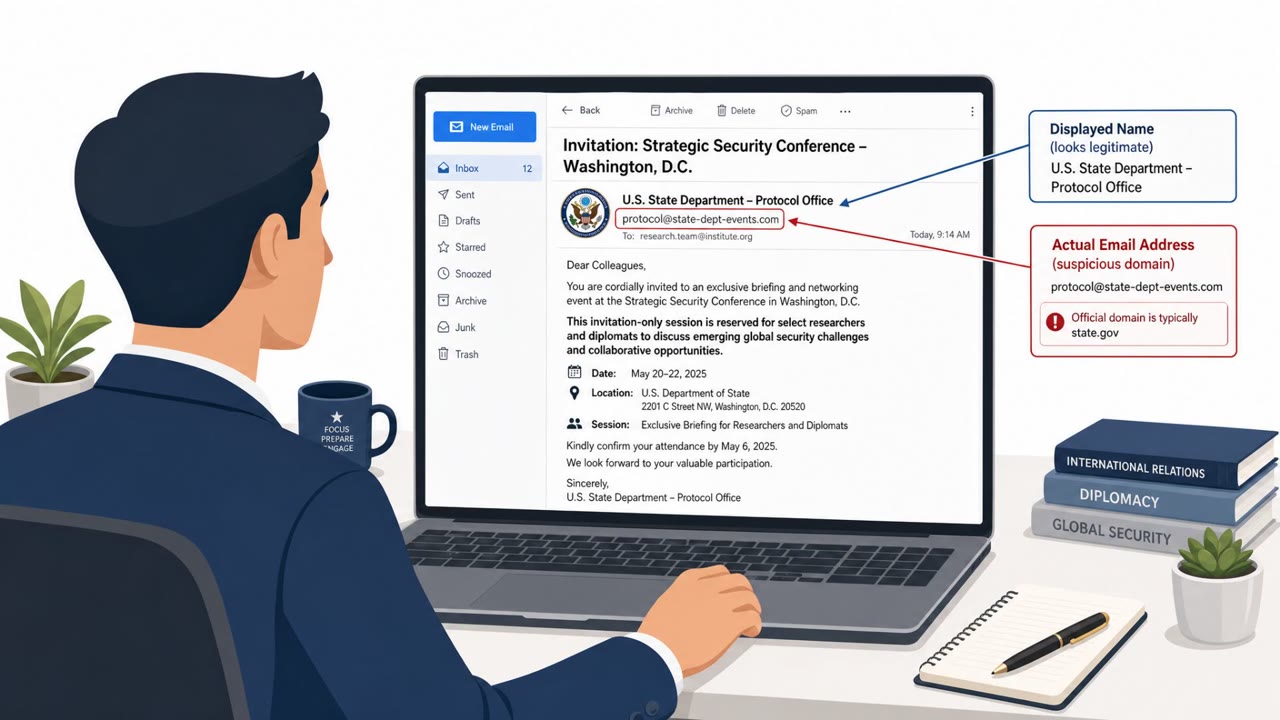
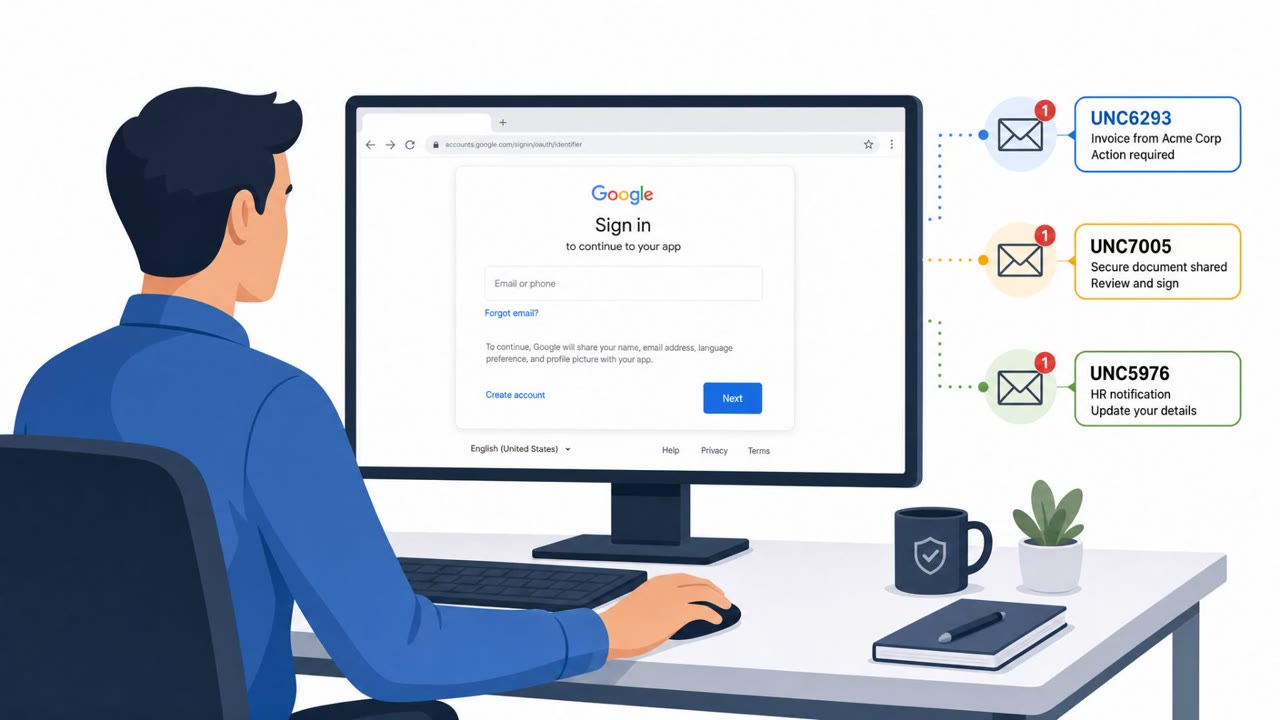
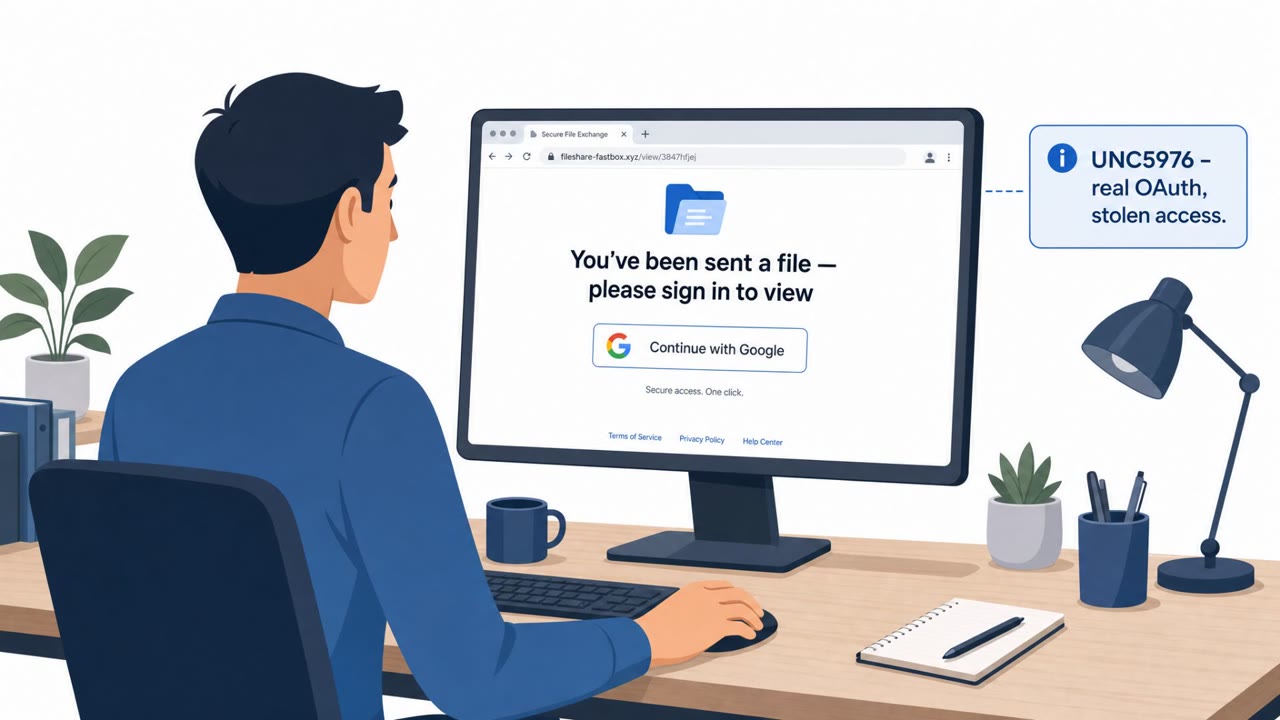
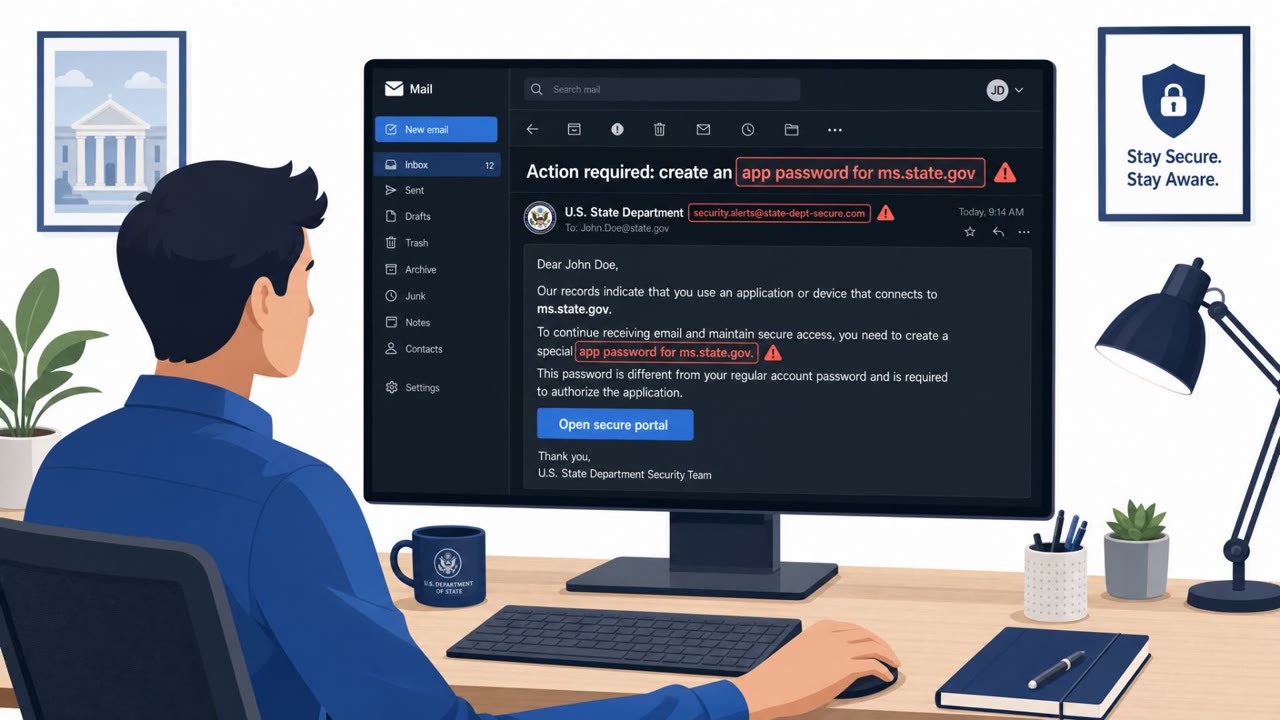
Google tracked three suspected Russia-linked groups running targeted phishing that abuses real login and authentication features (app passwords, OAuth, and device codes) to get into accounts. The lures often look like legitimate conference or diplomatic invitations, and some campaigns spoof…

August 21, 2026
Russian Spy Phish Uses Legit OAuth Logins

Russian Spy Phish Uses Legit OAuth Logins

Google says three suspected Russian cyber-espionage groups are running highly targeted phishing campaigns against people in government, academia, defense, and think tanks in the US and Europe. A key theme is abusing legitimate Google/Microsoft OAuth login flows so the outreach looks real, tricking…

August 21, 2026
Russian Clusters Hijack Accounts via OAuth & WhatsApp

Russian Clusters Hijack Accounts via OAuth & WhatsApp

Google says multiple suspected Russia-linked espionage clusters targeted academics, government, and defense-related personnel by abusing legitimate sign-in features instead of using obvious fake login pages. The campaigns used realistic lures (file sharing, conference invites, and “secure WhatsApp”…

August 20, 2026
Manic Android Spyware Uses Fake Utility Apps

Manic Android Spyware Uses Fake Utility Apps

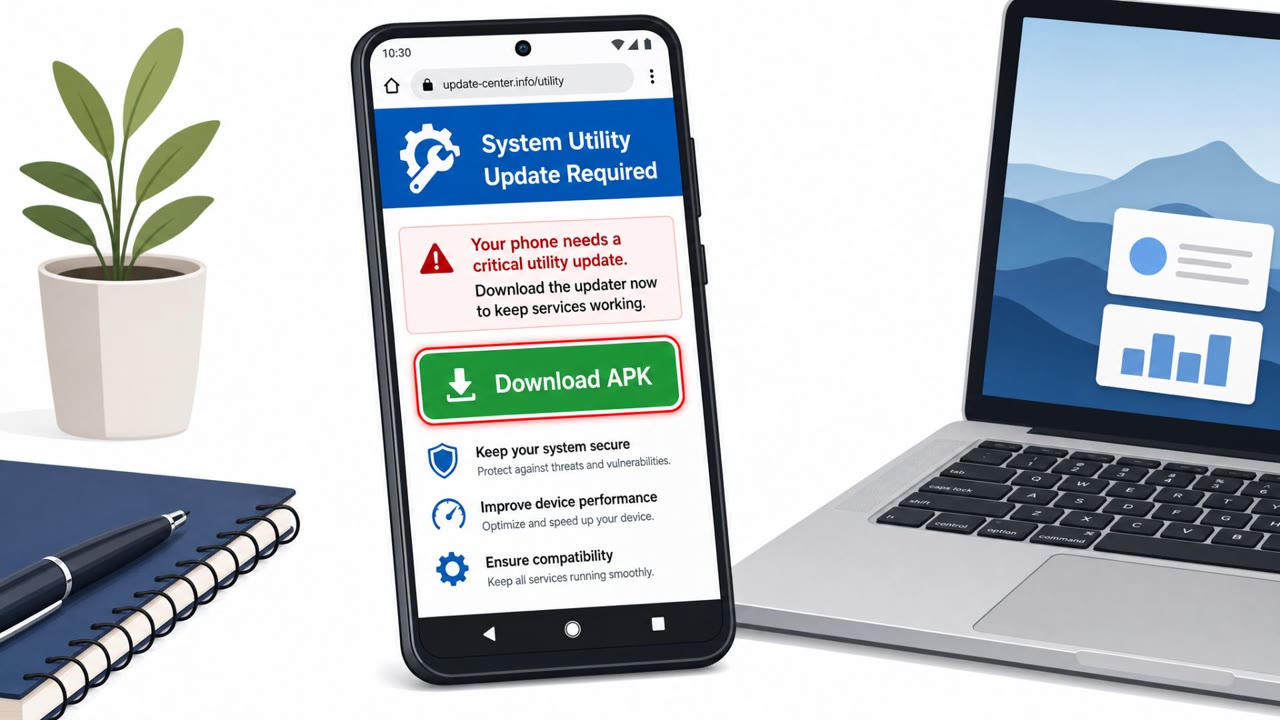
A new Android malware family called “Manic” is being used in real campaigns targeting banking, government identity, and messaging apps, especially in Ukraine and parts of Europe. It spreads through phishing sites and “dropper” apps disguised as legitimate utilities (including a booking-app lure),…

August 20, 2026
Russian Clusters Abuse Login Flows to Steal Accounts

Russian Clusters Abuse Login Flows to Steal Accounts

Google says three suspected Russian espionage clusters are targeting academics, think tanks, diplomats, and related nonprofit staff by abusing legitimate login and verification workflows that may not look like “classic phishing.” The campaigns include app-password scams, OAuth/device-code tricks,…

August 20, 2026
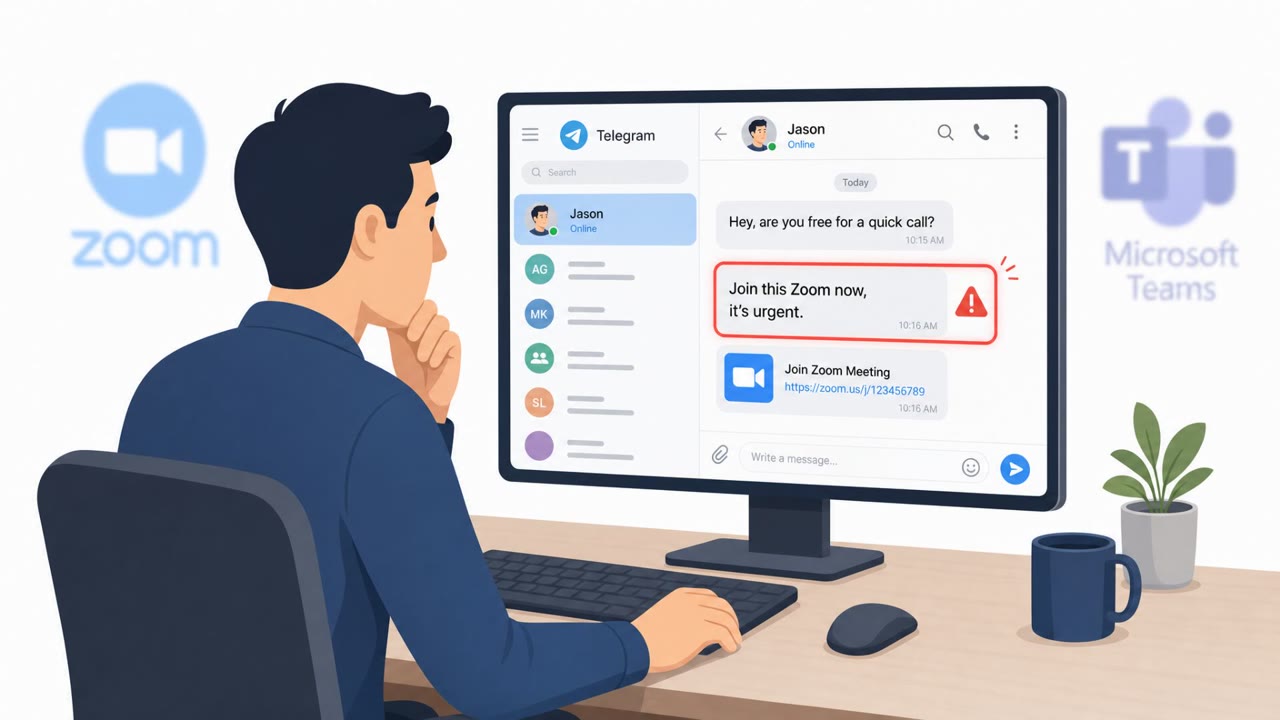
APT Groups Lure Targets Into Fake Zoom/Teams Meets

APT Groups Lure Targets Into Fake Zoom/Teams Meets

This threat trend report describes multiple real-world APT campaigns where attackers rely on social engineering and trusted services (Zoom/Teams, Telegram, webmail, GitHub) to steal credentials and access cloud accounts. Notable examples include fake meeting lures to deliver malware, and abuse of…

August 20, 2026
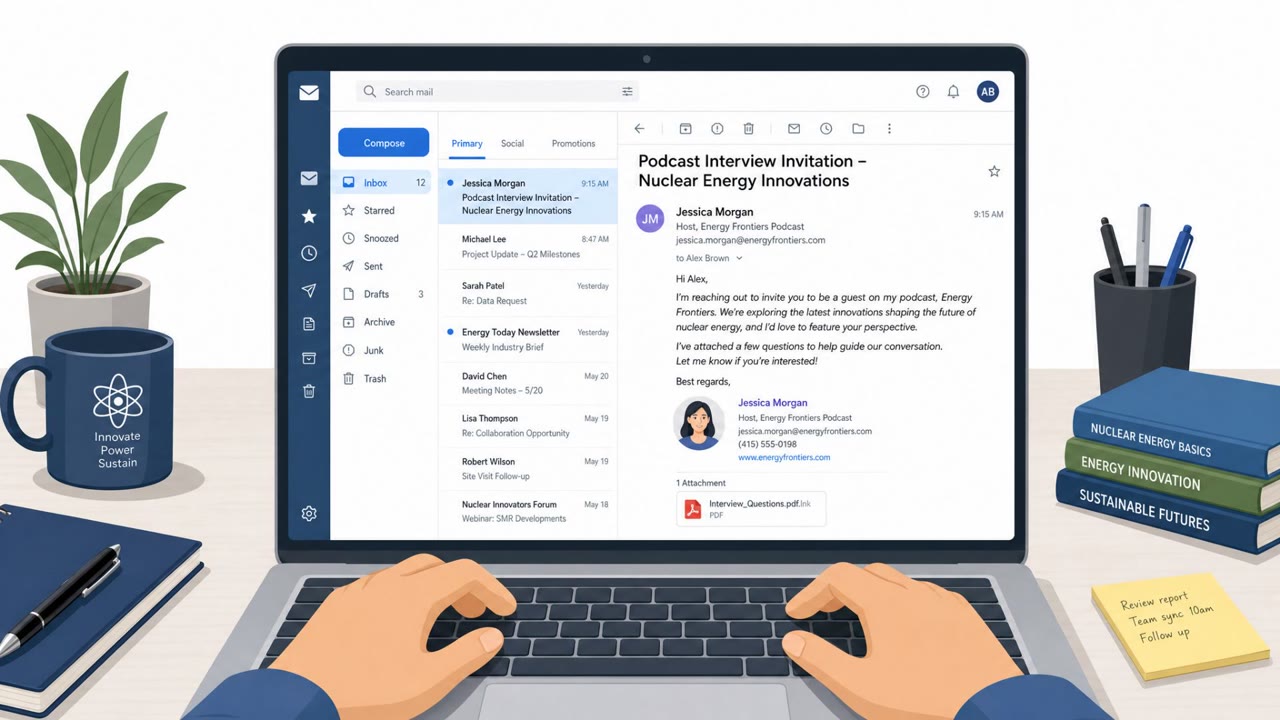
APT42 Lures Targets With Podcast Invites

APT42 Lures Targets With Podcast Invites

Researchers report Iranian-linked APT groups using legitimate cloud services to hide command-and-control traffic, and separately running spear-phishing campaigns. In the phishing cases, attackers used credible “podcast” or “interview invitation” themes to persuade targets to open a Windows shortcut…

August 17, 2026
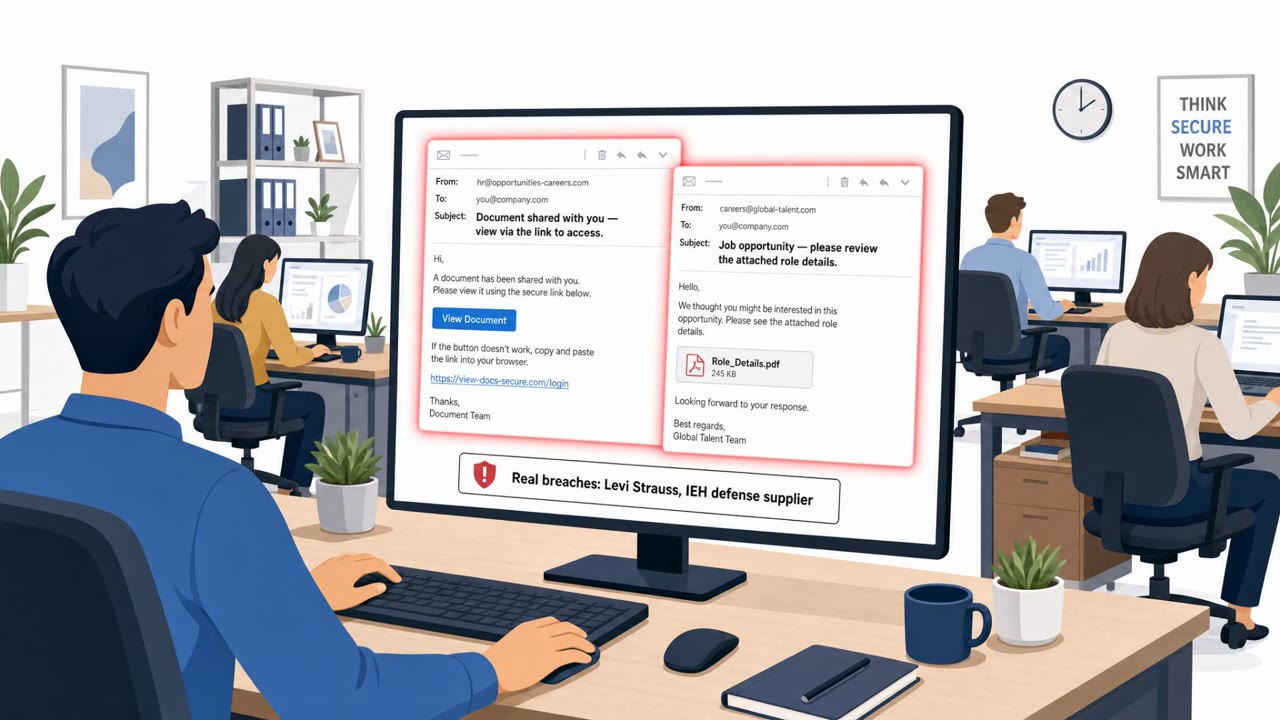
Job Offer & Doc-Link Phishing Drive Real Breaches

Job Offer & Doc-Link Phishing Drive Real Breaches

This weekly threat bulletin describes real incidents where attackers used human manipulation to break in, including social engineering at Levi Strauss and a Microsoft 365 credential-theft phish at defense supplier IEH. It also highlights a Lazarus-linked campaign using fake job offers and…

August 17, 2026
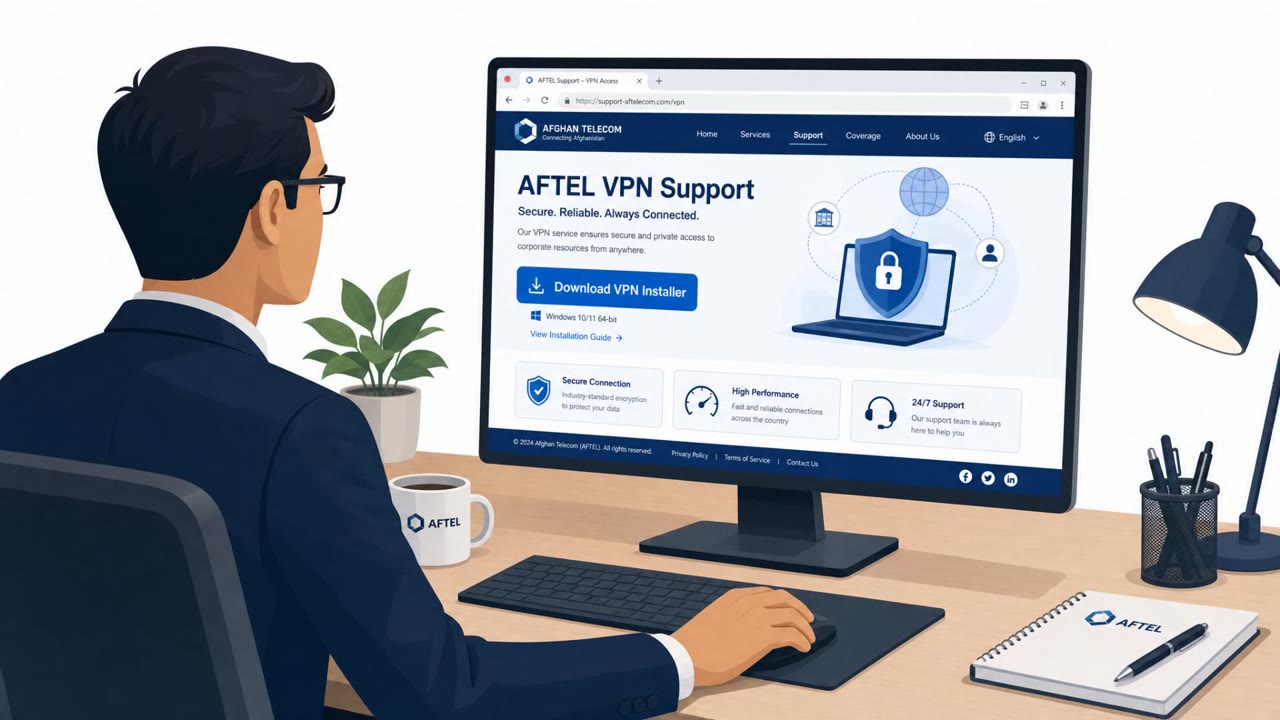
Fake VPN Installers Hit Afghan Telecom Targets

Fake VPN Installers Hit Afghan Telecom Targets

Acronis reported a real espionage campaign delivering a backdoor (PATCHCORD) to Afghan telecom providers and South Asian critical infrastructure by tricking victims into installing look‑alike VPN and telecom tools. The operation also used cloud services like Google Sheets (and GitHub Gists) to…

August 16, 2026
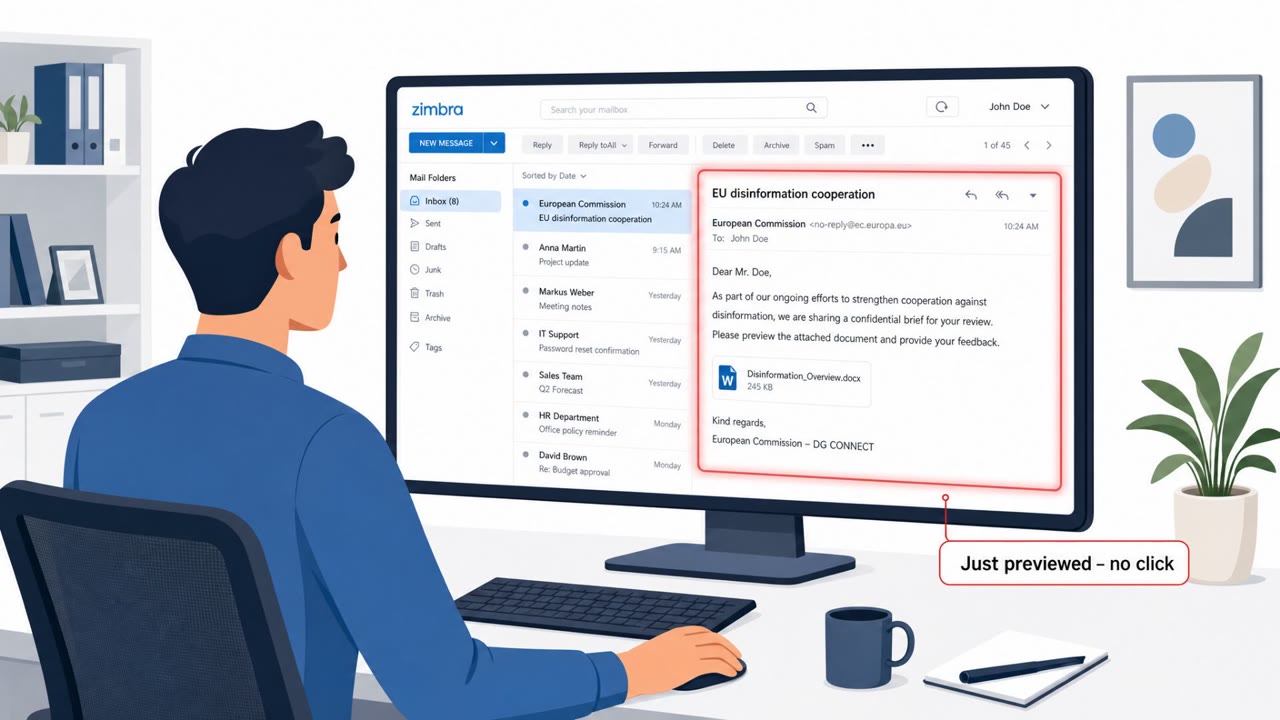
“Half-Click” Zimbra Email Attack Steals 90 Days

“Half-Click” Zimbra Email Attack Steals 90 Days

CISA warns a Russian state-sponsored group (“Laundry Bear,” tracked by Microsoft as “Void Blizzard”) is compromising some unpatched Zimbra email accounts when users merely open or preview a specially crafted email. The hidden code can steal passwords, MFA-related tokens, and up to 90 days of…

August 14, 2026
Try Mirage

Mirage simulates attacks like these against your own team, live and safely, so you can measure how your people actually respond.

Get a demo