Chrome Targets ClickFix Copy-Paste Scams

Help Net Security · Medium sophistication
Last updated October 20, 2026

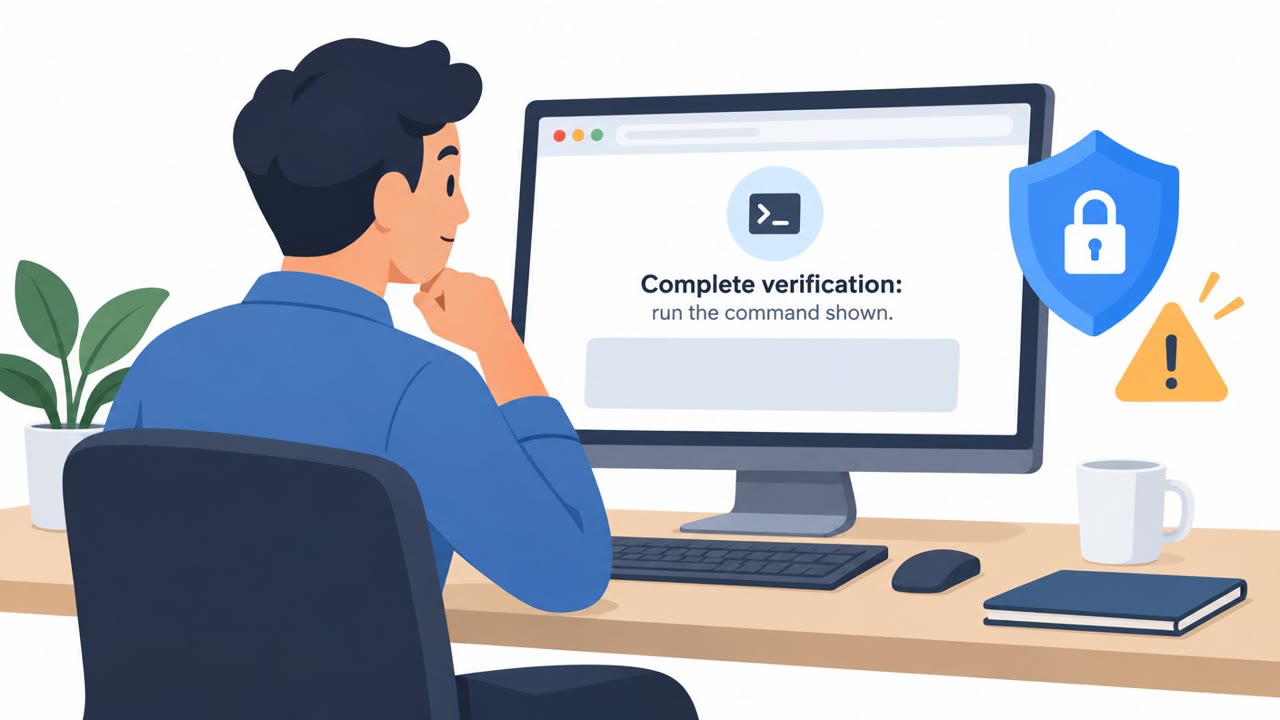
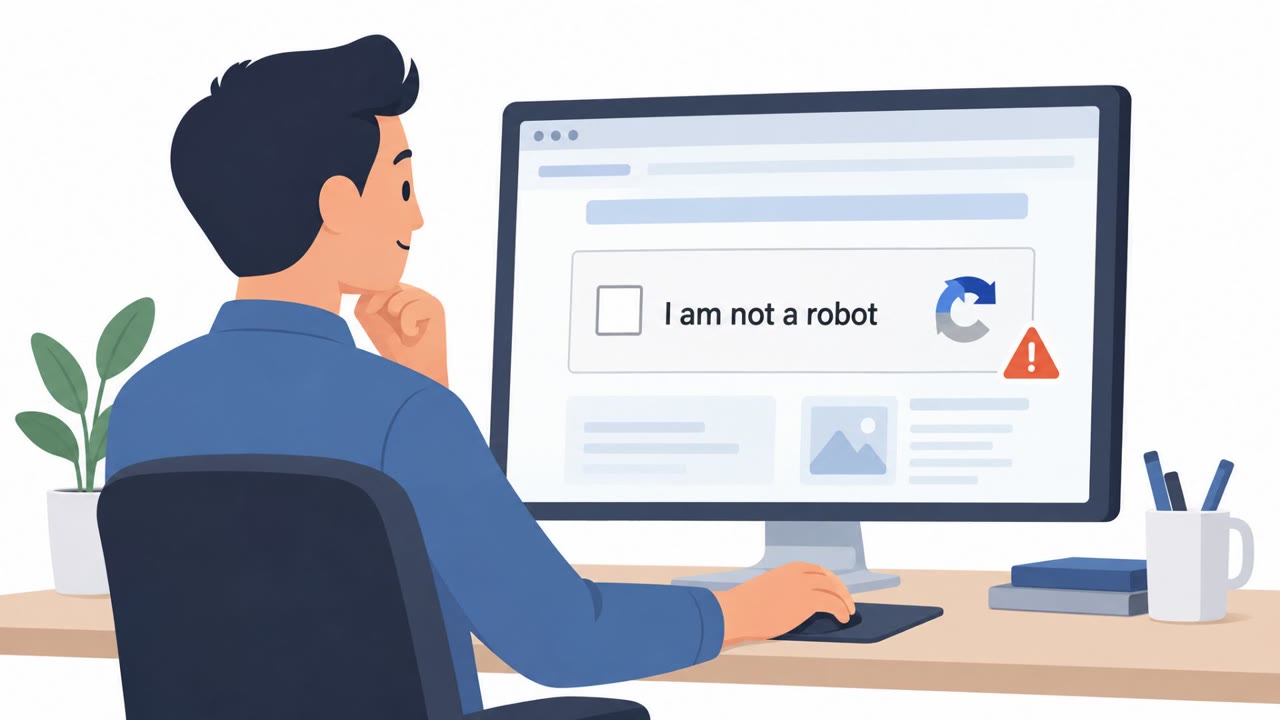
Google is updating Chrome Enhanced Protection to warn people when scam websites try to trick them into copying and running harmful commands. These ClickFix scams use fake computer problems, such as bogus browser or antivirus alerts, to move victims from the browser into a terminal where security download protections may be bypassed.

Key findings

  • ClickFix scams present a fake problem and instruct victims to copy and run a command as the supposed fix.
  • The command copied to the clipboard may not be the same command visibly displayed on the scam page.
  • Attackers commonly use trusted built-in tools such as PowerShell and cmd.exe to download or install malware.
  • Running the command through a terminal can move the malicious download outside Chrome's normal download protections.
  • Chrome Enhanced Protection will analyze suspicious copied commands and show a warning when a command is considered dangerous.

Who’s being targeted

  • Commonly targeted roles: All employees, Remote and hybrid workers, Executives, Finance personnel, IT support teams, Users with local administrative access.
  • Affected industries: All industries using Chrome on managed or personal work devices.
  • Attack channels: website.
  • Impersonated: Browser security, antivirus software, or technical support.

Awareness takeaways

  • Never copy and run commands from a website to fix a browser, antivirus, or computer problem; close the page and report it to IT or security.
  • Treat any website that directs you to open PowerShell, Command Prompt, or another terminal as suspicious, especially when it claims to solve an urgent technical issue.
  • Do not assume the command you see on screen is the same one that will be pasted onto your computer.
  • Enable Chrome Enhanced Protection where organizational policy permits, but treat browser warnings as a safety net rather than permission to proceed.

Red flags to watch for

  • A website asks the user to open a terminal or command prompt.
  • The alleged fix requires copying and running a command rather than using a normal browser or software update process.
  • The command shown on the page may differ from the command placed in the clipboard.
Try Mirage

Mirage safely runs attacks like this one against your own team, so you find out what happens before a real adversary does.

Get a demo
Read the video transcript

A website says your browser is broken. Its fix? Open PowerShell. That's ClickFix: a fake browser or antivirus alert tells you to copy a command. Here's the catch: what lands on your clipboard can differ from what the page shows. Paste it into PowerShell or cmd.exe, and it can download malware outside Chrome's normal download protections. Chrome Enhanced Protection may warn you, but that's a safety net. If a website asks you to run a command as a fix, close the page and report it to IT.

MITRE ATT&CK techniques

T1059 - Command and Scripting InterpreterT1059.001 - PowerShell · Command and Scripting InterpreterT1059.003 - Windows Command Shell · Command and Scripting InterpreterT1218 - System Binary Proxy Execution

Similar attacks

Siemens Users Hit by Romulus ClickFix Lure

Siemens Users Hit by Romulus ClickFix Lure

Attackers are using a fake “I am not a robot” style ClickFix prompt to persuade Siemens Software Center users to paste attacker-provided commands into Windows. If users comply, the attackers can exploit a DLL side-loading flaw to run malware alongside a genuine, signed Siemens application.

October 20, 2026
Fake Browser Errors Push ClickFix Commands

Fake Browser Errors Push ClickFix Commands

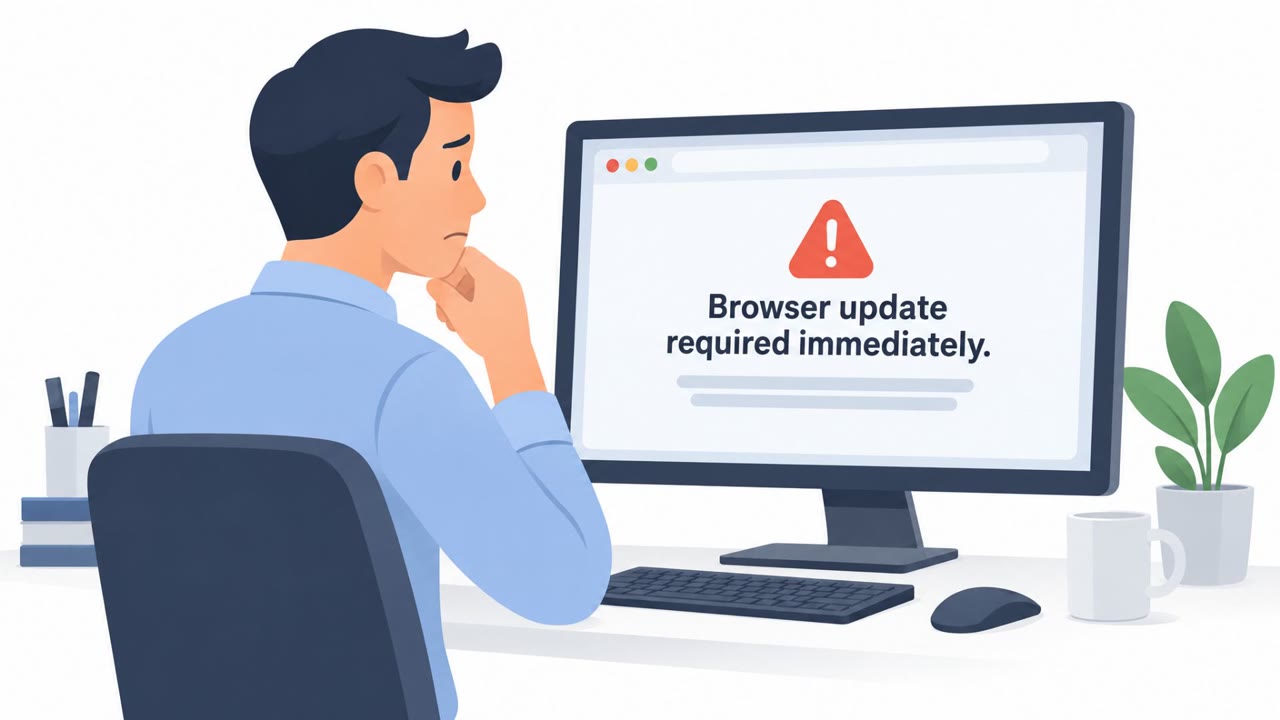
This article describes ClickFix attacks in which fraudulent or compromised websites display fake technical warnings and persuade visitors to copy and run harmful commands. The scam may claim a browser update, failed security check, or urgent technical repair is needed, then directs the user to use…

October 22, 2026
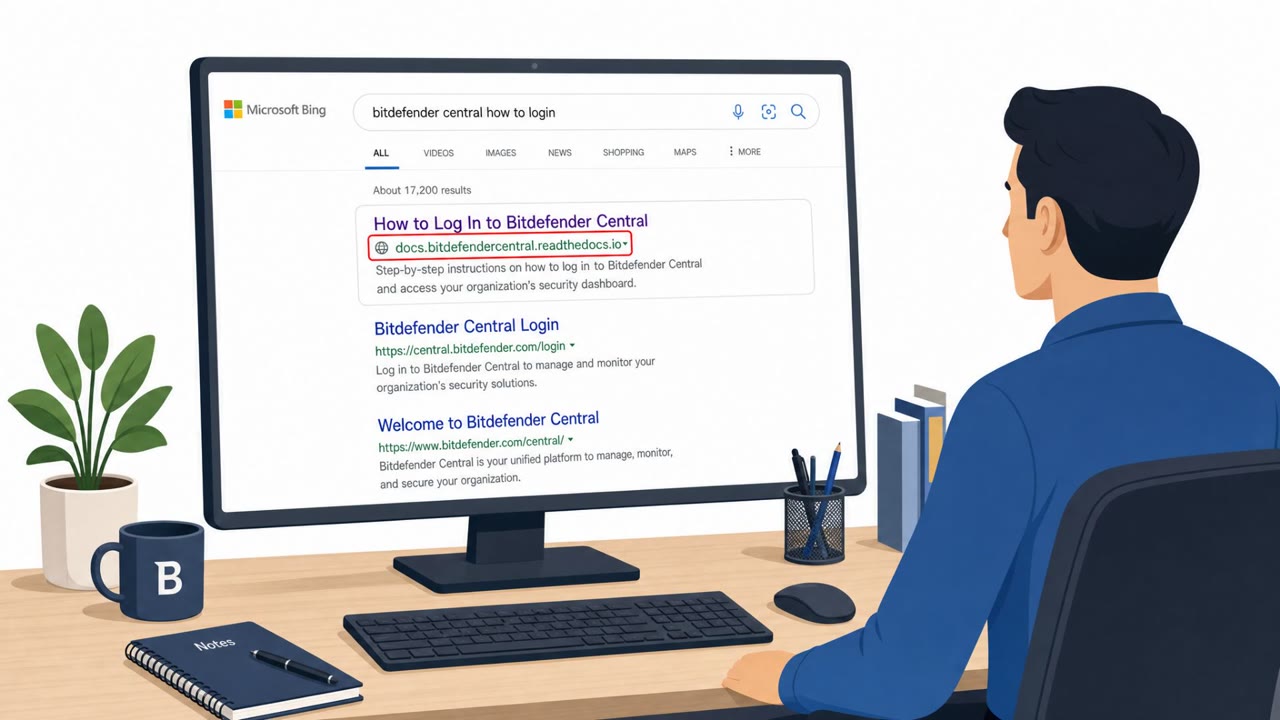
BengalSEO Tricks Bing Users Into Malware & Scam Calls

BengalSEO Tricks Bing Users Into Malware & Scam Calls

Researchers uncovered a long-running “SEO poisoning” operation that manipulates Bing search results to push people onto fake support and activation pages. Victims are steered through a chain of redirects to either download a malware-laced ZIP (MayaBot) or be pressured into calling a fake…

September 8, 2026
Chrome Warns Users About ClickFix Traps

Chrome Warns Users About ClickFix Traps

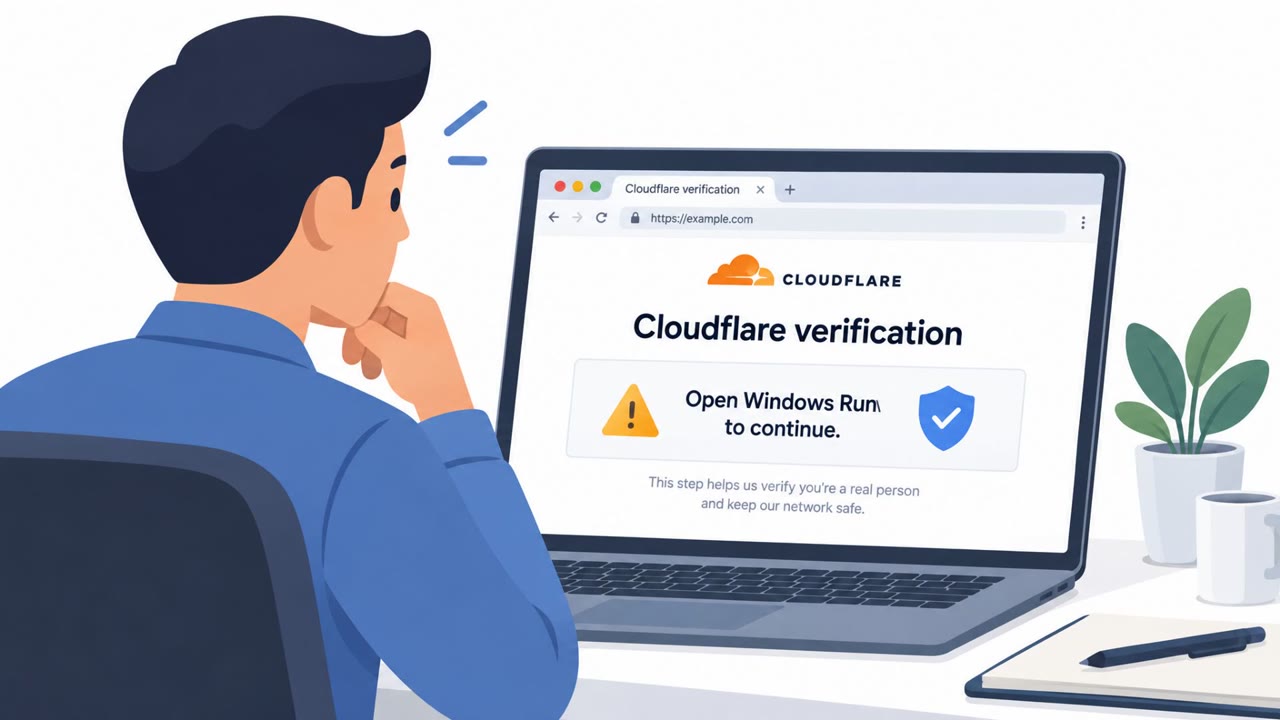
Google is adding Chrome warnings to help stop ClickFix scams, where criminals persuade people to copy and run harmful commands under the guise of fixing a routine browser or verification problem. The scams commonly use fake Cloudflare or Google reCAPTCHA pages, then direct victims to paste a…

October 21, 2026
Fake Calendar Invites Fuel Phishing Surge

Fake Calendar Invites Fuel Phishing Surge

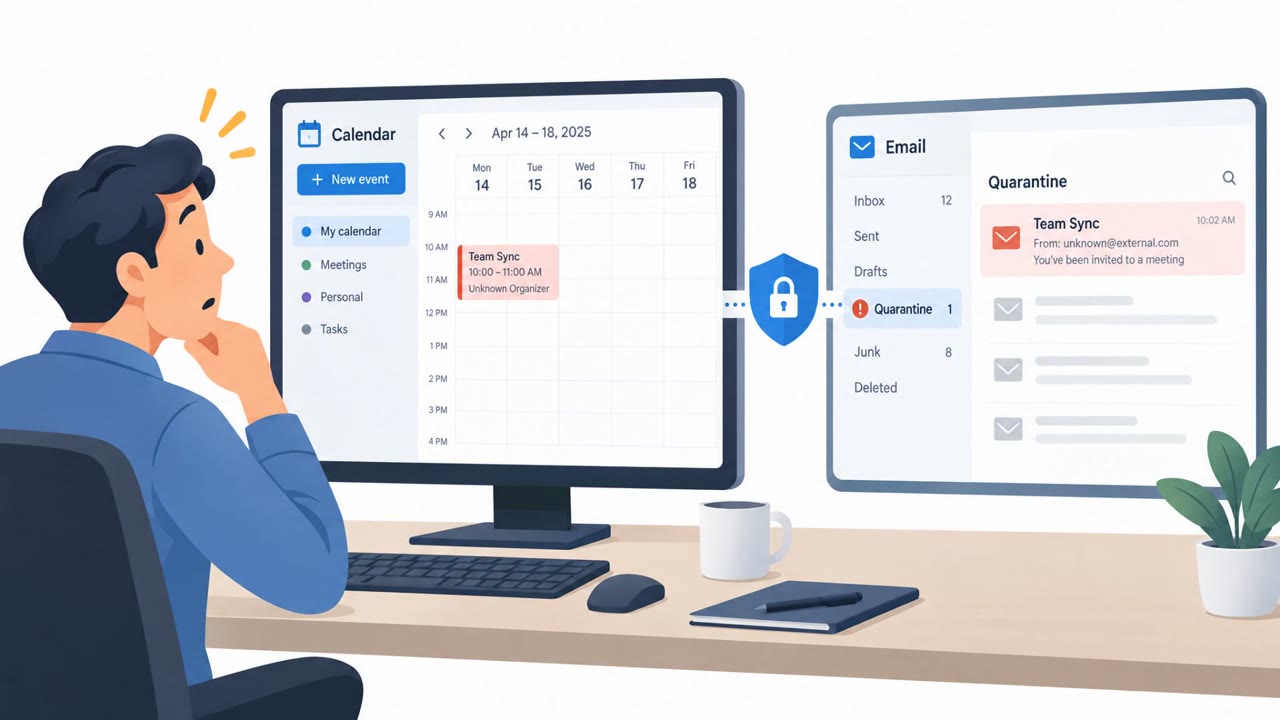
Attackers are using fake calendar invitations to bypass normal email defenses and lure people into credential theft or malware downloads. The invites may appear in a user’s calendar even when the related phishing email is quarantined, making unexpected meeting entries a new route for account and…

October 20, 2026
ROMULUS ClickFix Lures Deliver Legion Loader

ROMULUS ClickFix Lures Deliver Legion Loader

Researchers found ROMULUS, a malware-delivery platform that uses fake web pages and ClickFix-style prompts to persuade people to run harmful commands themselves. The platform can deliver Legion Loader and other malware through a PowerShell script, showing how a seemingly routine verification or fix…

October 20, 2026