Chrome Warns Users About ClickFix Traps

The Hacker News · Medium sophistication
Last updated October 21, 2026

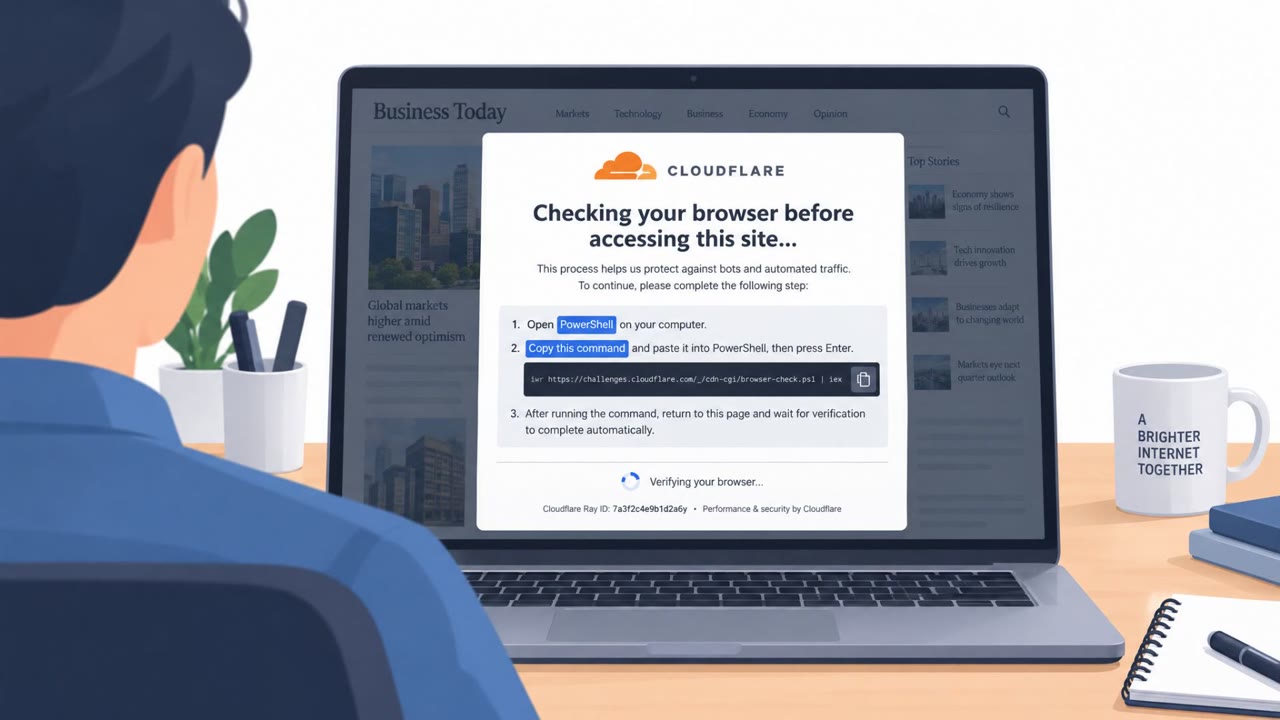
Google is adding Chrome warnings to help stop ClickFix scams, where criminals persuade people to copy and run harmful commands under the guise of fixing a routine browser or verification problem. The scams commonly use fake Cloudflare or Google reCAPTCHA pages, then direct victims to paste a command into Windows Run or Mac Terminal, which can install malware.

Key findings

  • ClickFix attackers use compromised websites or malicious advertisements to send victims to phishing pages.
  • The phishing pages impersonate verification services or display fake errors, then tell users to copy and paste a command into Windows Run or Mac Terminal.
  • Executing the pasted command can begin a multi-stage malware infection, including information stealers or remote-access trojans.
  • Attackers often use legitimate system tools such as PowerShell and cmd.exe to download later-stage malware.
  • Chrome Enhanced Protection can analyze suspicious copied commands and warn users before they execute them.

Who’s being targeted

  • Commonly targeted roles: All employees, Remote workers, Administrative staff, Help desk personnel, Users with access to sensitive business systems.
  • Affected industries: All industries.
  • Attack channels: website.
  • Impersonated: Cloudflare or Google reCAPTCHA.

Awareness takeaways

  • Never copy and run commands from a website to solve a CAPTCHA, browser error, security alert, or verification request.
  • Treat requests to open Windows Run, Terminal, PowerShell, or cmd.exe as a major warning sign when they originate from a web page.
  • Use browser security protections where available, but do not rely on them as the only defense against suspicious instructions.

Red flags to watch for

  • A verification or error page asks you to open Windows Run or Terminal.
  • A website asks you to copy, paste, and run a command.
  • The page claims a normal browser verification requires troubleshooting actions outside the browser.
Try Mirage

Mirage safely runs attacks like this one against your own team, so you find out what happens before a real adversary does.

Get a demo
Read the video transcript

A CAPTCHA wants you to open Windows Run? That’s not verification. That’s ClickFix. A compromised website or malicious ad sends you to a fake Cloudflare or Google reCAPTCHA page. It says: copy this command into Windows Run or Mac Terminal. Here’s the giveaway: real browser checks stay in the browser. Pressing Enter on that pasted command can launch PowerShell or cmd.exe and download information-stealing malware. Chrome Enhanced Protection may warn you, but don’t wait for it. Never run a command copied from a verification page.

Similar attacks

Malicious Calendar Invites Surge With Malware Links

Malicious Calendar Invites Surge With Malware Links

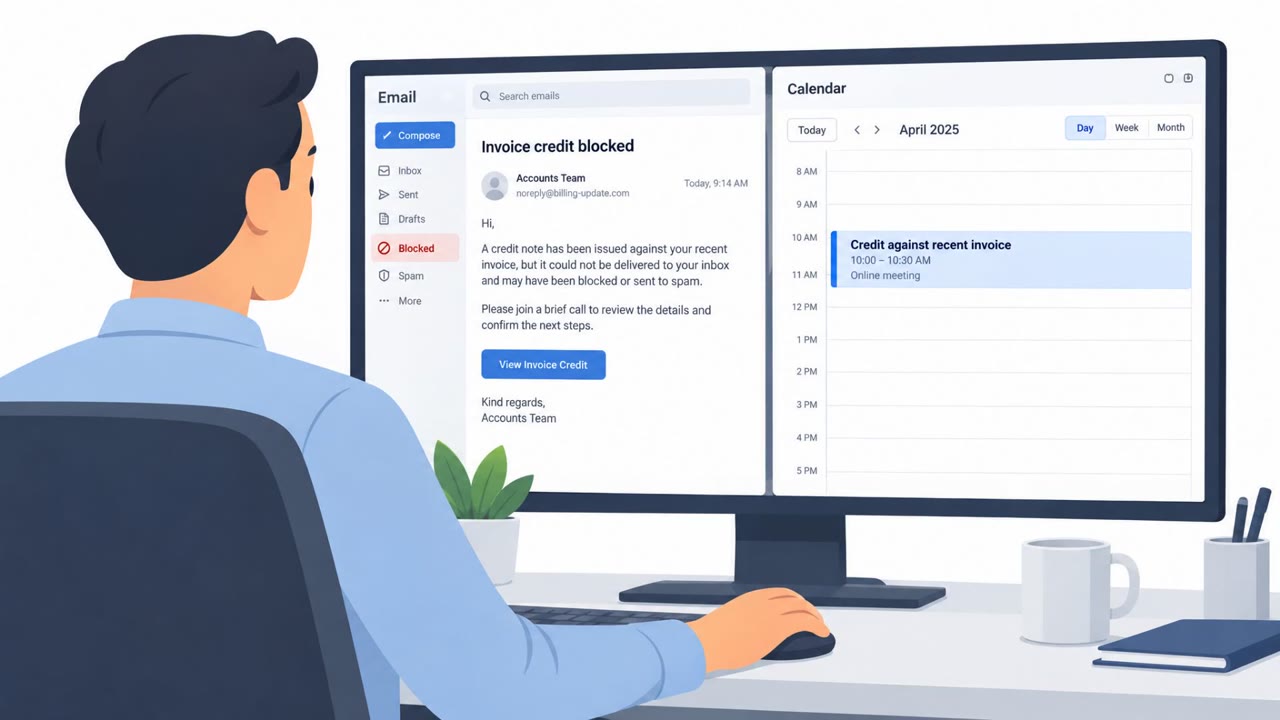
Attackers are sending fake calendar meeting invites that can be automatically added to a victim’s calendar, even if the email is blocked. A documented example used a Google Calendar invite with a financial “invoice credit” lure to drive victims to a hosted webpage and download a malicious…

September 18, 2026
Fake Browser Errors Push ClickFix Commands

Fake Browser Errors Push ClickFix Commands

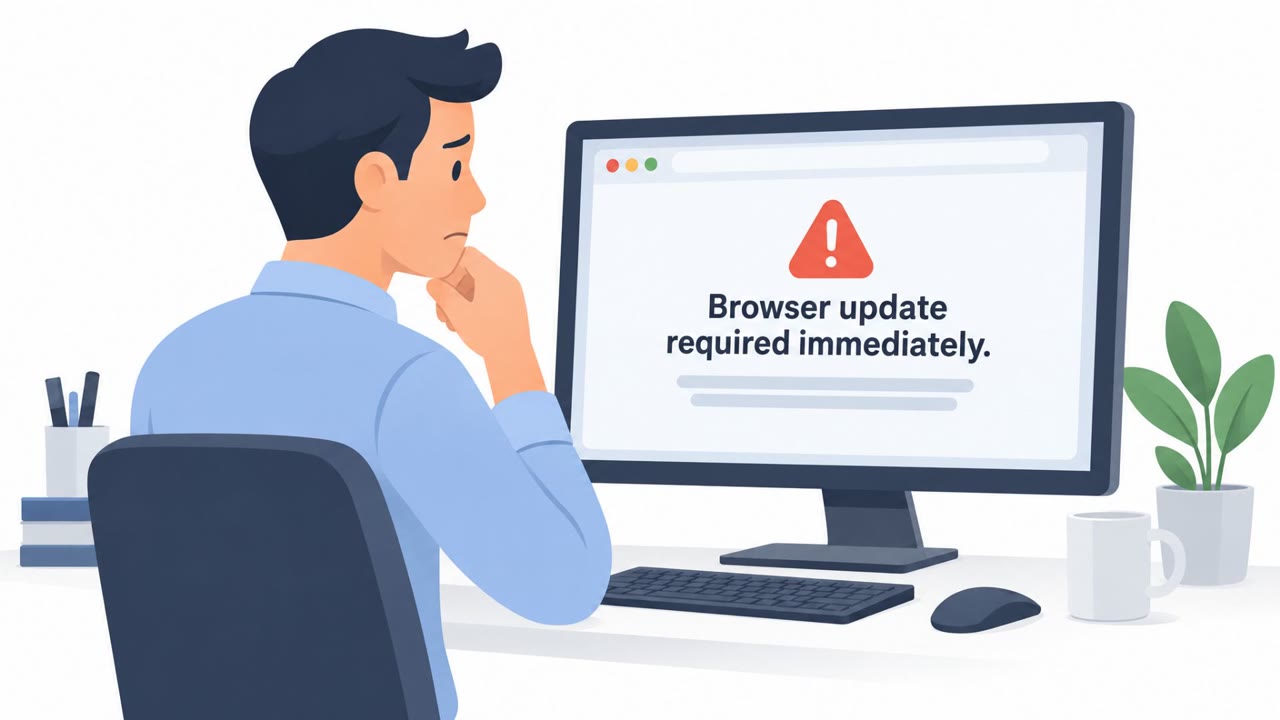
This article describes ClickFix attacks in which fraudulent or compromised websites display fake technical warnings and persuade visitors to copy and run harmful commands. The scam may claim a browser update, failed security check, or urgent technical repair is needed, then directs the user to use…

October 22, 2026
Fake Calendar Invites Fuel Phishing Surge

Fake Calendar Invites Fuel Phishing Surge

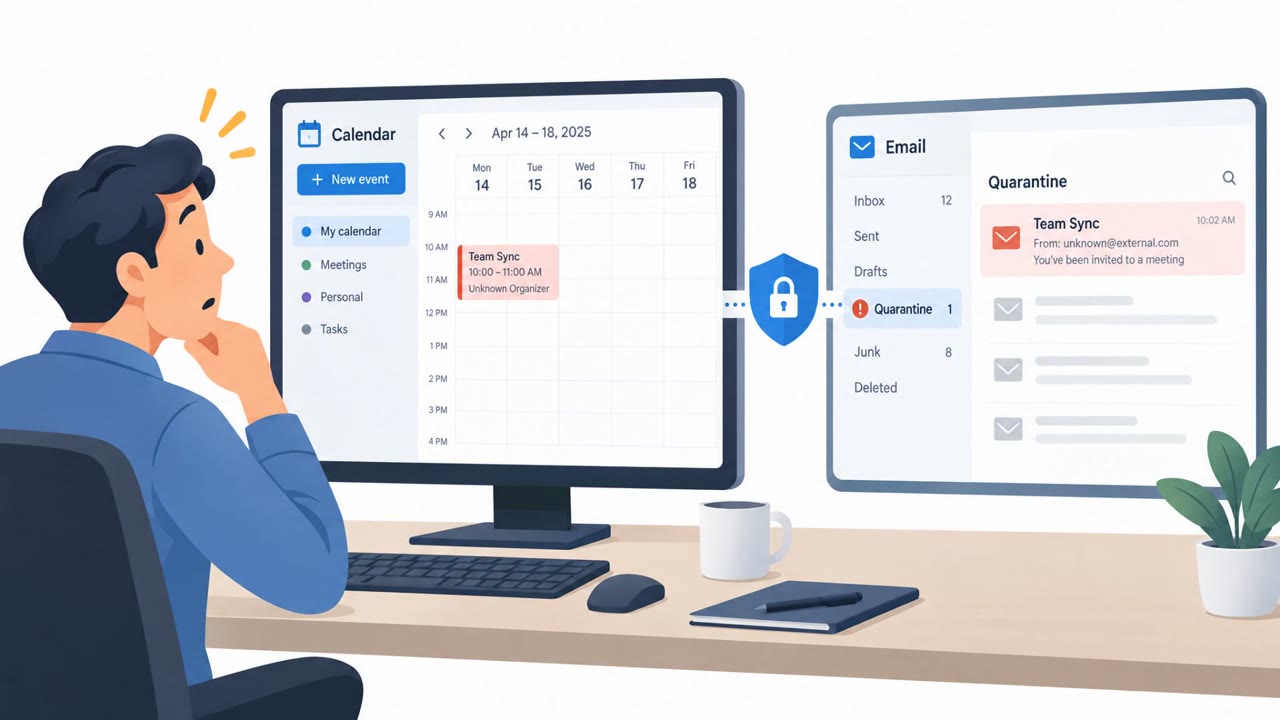
Attackers are using fake calendar invitations to bypass normal email defenses and lure people into credential theft or malware downloads. The invites may appear in a user’s calendar even when the related phishing email is quarantined, making unexpected meeting entries a new route for account and…

October 20, 2026
Fake Claude Payments and Updates Target Users

Fake Claude Payments and Updates Target Users

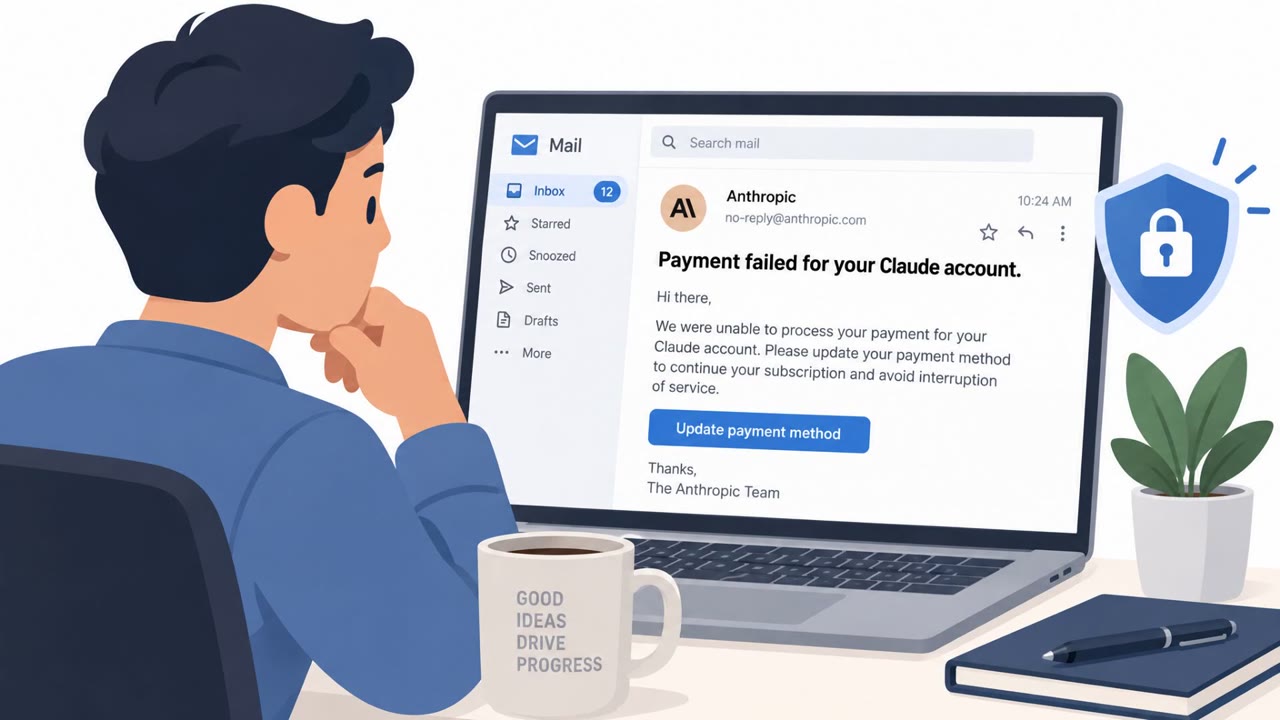
Cybercriminals impersonated well-known technology brands including Claude, Google, Apple, and Docusign to steal credentials, payment details, or gain access to devices. The lures used urgent payment failures, software-update prompts, and promised device-performance improvements to persuade people…

October 19, 2026
Fake Guest Complaints Deliver Hotel RAT Malware

Fake Guest Complaints Deliver Hotel RAT Malware

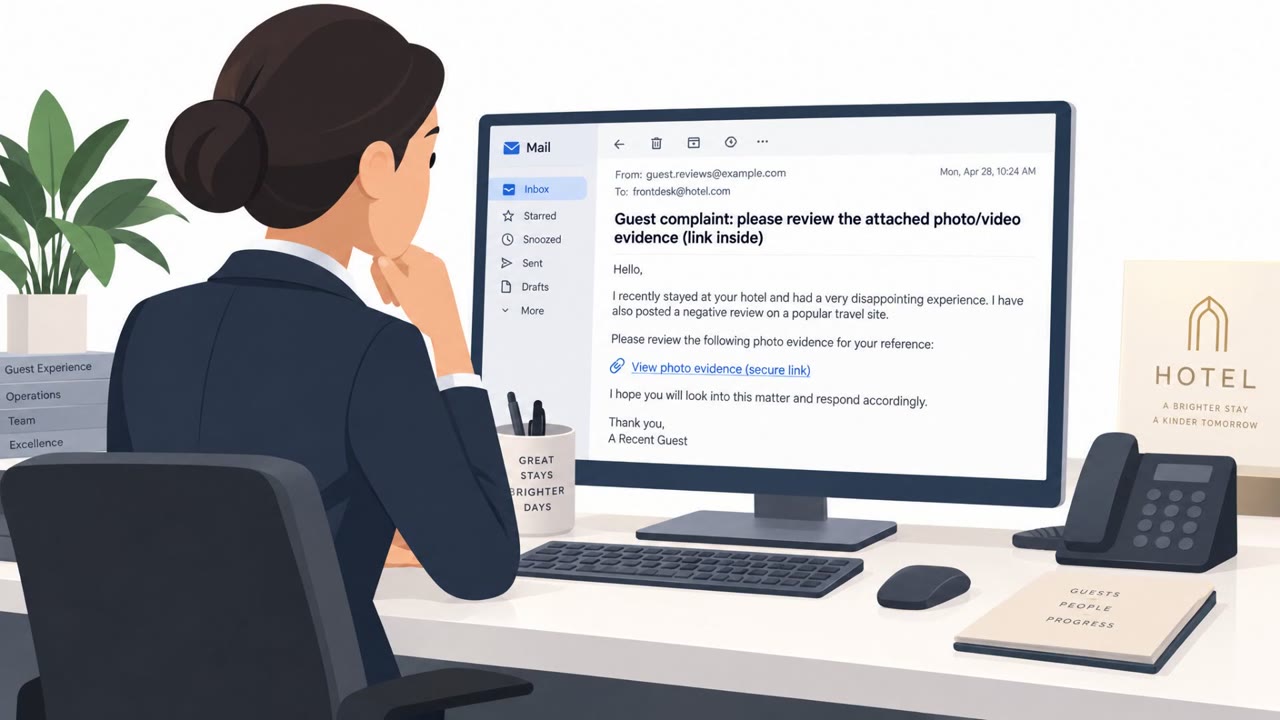
Cofense tracked real email campaigns targeting hotels with fake guest complaints, reviews, and inquiries. The emails push staff to click a link and open what looks like a photo or video, but it leads to a disguised Windows shortcut (LNK) that installs remote-access malware. The malware hides its…

October 7, 2026
Fake Cloudflare Check Spreads Lunex via ClickFix

Fake Cloudflare Check Spreads Lunex via ClickFix

Attackers compromised over 100 legitimate websites and showed visitors in Ukraine a fake Cloudflare verification page. The page instructed users to copy and run a PowerShell command, which instead installed Lunex Stealer to steal passwords, tokens, and crypto wallet data and enable remote access.…

October 6, 2026