Siemens Users Hit by Romulus ClickFix Lure

Infosecurity Magazine · High sophistication
Last updated October 20, 2026

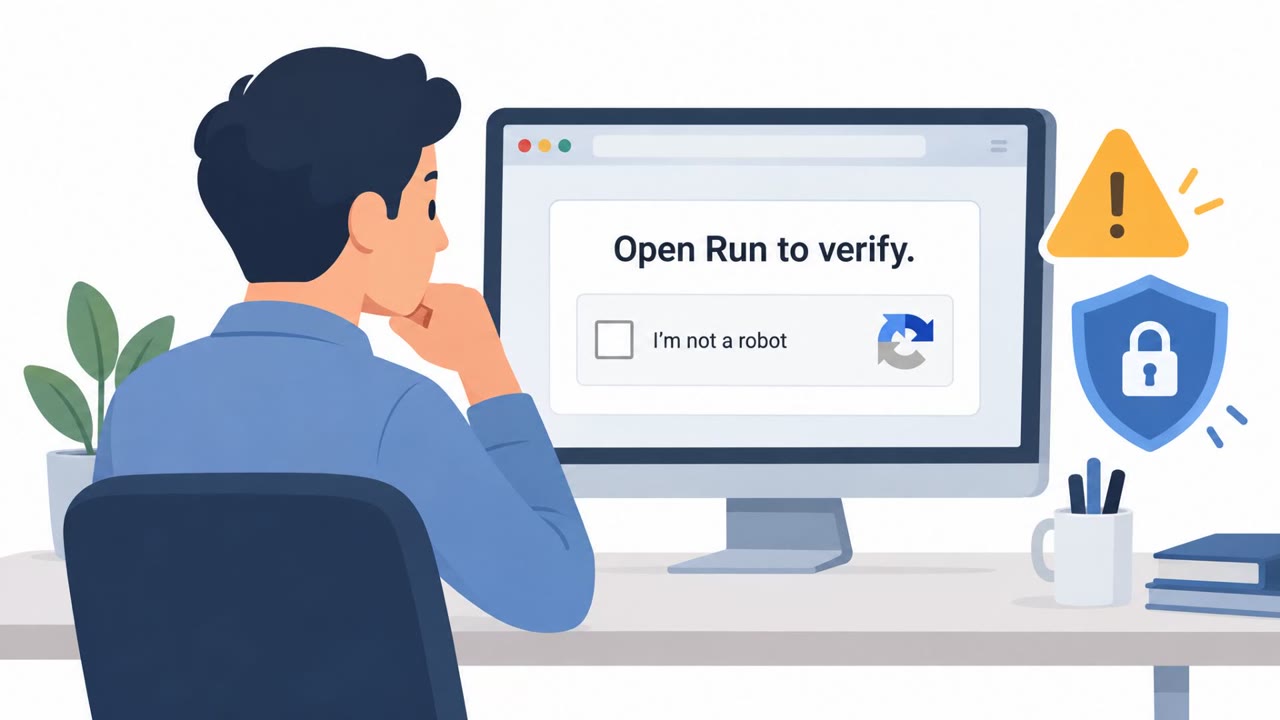
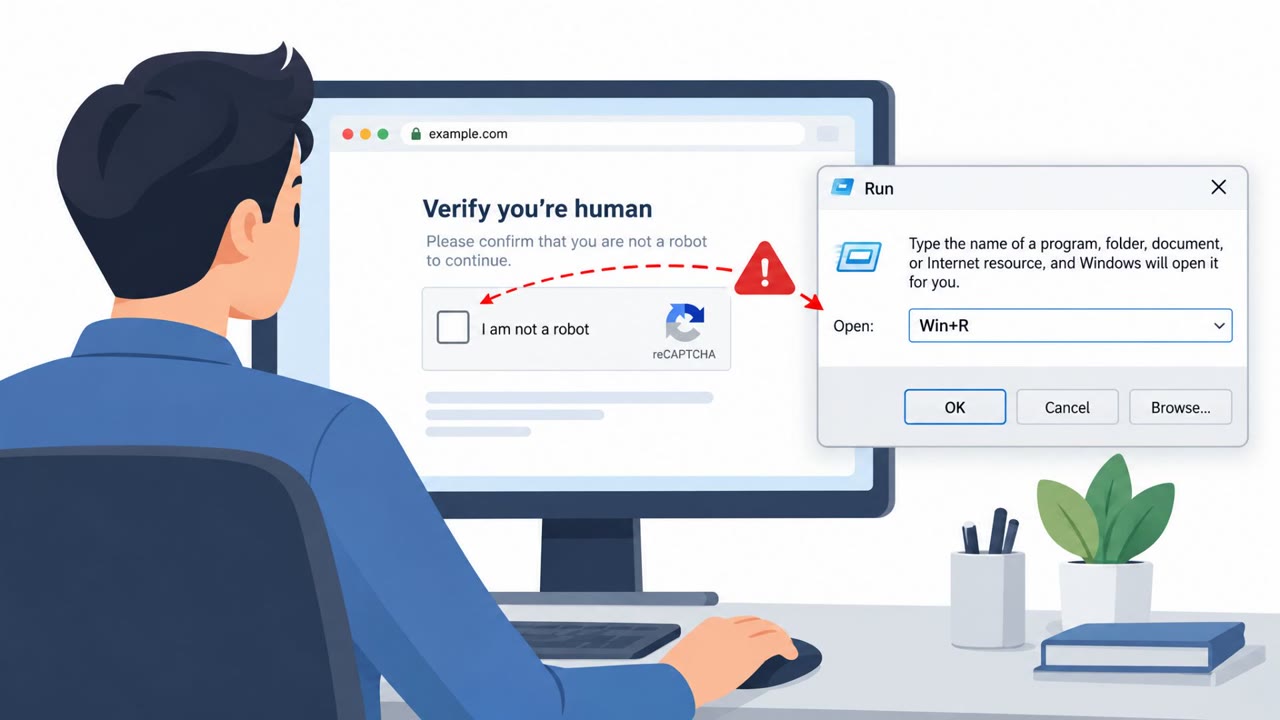
Attackers are using a fake “I am not a robot” style ClickFix prompt to persuade Siemens Software Center users to paste attacker-provided commands into Windows. If users comply, the attackers can exploit a DLL side-loading flaw to run malware alongside a genuine, signed Siemens application.

Key findings

  • Siemens said attackers are actively exploiting CVE-2026-110936 in Siemens Software Center.
  • The activity was attributed to the Romulus multi-platform ClickFix campaign.
  • Attackers use a genuine, validly signed Siemens Software Center application and place malicious DLL files beside it.
  • The ClickFix lure persuades victims to run attacker-supplied commands themselves.
  • Affected users should update Software Center to version 4.0.9.8 and isolate suspected compromised devices.
  • Indicators include unexpected Siemens Software Center startup entries, suspicious files beside SiemensSoftwareCenter.exe, and connections to 96.62.218[.]59.

Who’s being targeted

  • Commonly targeted roles: Siemens Software Center users, Engineering teams, Industrial operations teams, IT administrators, Help desk teams, Security operations teams.
  • Affected industries: Manufacturing, Industrial automation, Engineering, Software users of Siemens Software Center.
  • Attack channels: website.
  • Impersonated: A website presenting a fake human-verification check.

Awareness takeaways

  • Never paste commands from a website into Windows Run or PowerShell, even when the page claims this is needed to prove you are human.
  • Treat any website verification process that asks you to run a command on your computer as malicious and report it to IT or security.
  • Install Siemens Software Center updates promptly and obtain Siemens software only from official Siemens sources.
  • Escalate suspicious Siemens Software Center installations or unexpected startup items, especially on computers where the application was never installed.

Red flags to watch for

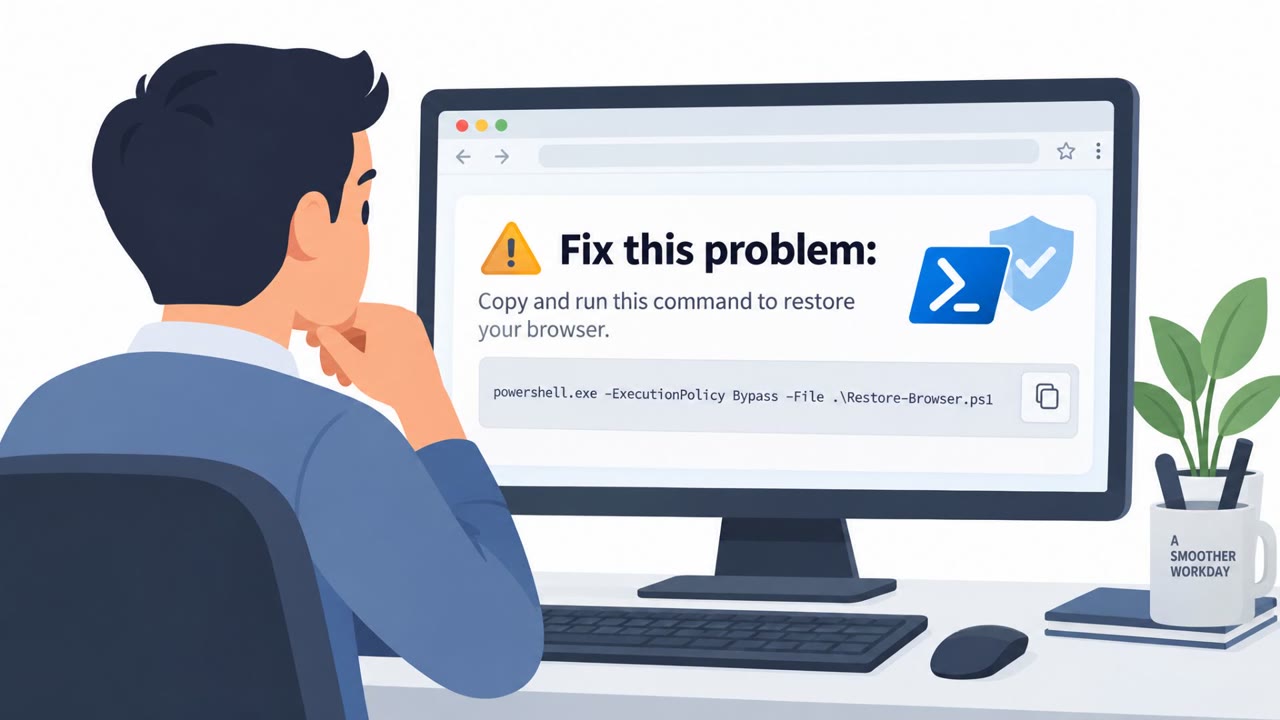
  • A supposed human-verification check asks the user to paste or run a command.
  • The prompt directs the user to Windows Run or PowerShell rather than completing verification in the browser.
  • The requested action would execute commands on the user's device.
Try Mirage

Mirage safely runs attacks like this one against your own team, so you find out what happens before a real adversary does.

Get a demo
Read the video transcript

Siemens Software Center users: this robot check is a trap. The Romulus ClickFix lure says to paste its command into Win+R or PowerShell. That's the trick: you run the command for it. A real robot check stays in the browser. This one can place malicious DLLs beside a genuine, signed Siemens app and exploit CVE-2026-110936. If a website asks you to paste a command into Windows, don't paste it.

MITRE ATT&CK techniques

T1204 - User ExecutionT1059 - Command and Scripting InterpreterT1574.002 - Hijack Execution Flow: DLL Side-Loading

Similar attacks

Romulus ClickFix Abuses Siemens Software

Romulus ClickFix Abuses Siemens Software

Attackers exploited a Siemens Software Center flaw as part of the Romulus ClickFix campaign. Victims were lured to fake CAPTCHA-style prompts that told them to paste and run malicious commands, while attackers used a legitimate signed Siemens program and malicious helper files to load malware.

October 19, 2026
ClickFix Campaign Abuses Trusted Siemens Tool

ClickFix Campaign Abuses Trusted Siemens Tool

Attackers are using a fake or trojanized Siemens Software Center installer to trick people into manually pasting malicious commands into Windows. The campaign abuses a familiar “I am not a robot” style prompt and a trusted, signed Siemens program to make the attack appear legitimate.

October 20, 2026
Fake Browser Errors Push ClickFix Commands

Fake Browser Errors Push ClickFix Commands

This article describes ClickFix attacks in which fraudulent or compromised websites display fake technical warnings and persuade visitors to copy and run harmful commands. The scam may claim a browser update, failed security check, or urgent technical repair is needed, then directs the user to use…

October 22, 2026
Hotel Wi‑Fi Hijack Pushes Fake Updates & Phishing

Hotel Wi‑Fi Hijack Pushes Fake Updates & Phishing

Microsoft reported a campaign where attackers abused hotel Wi‑Fi captive portals to manipulate DNS/HTTP traffic and redirect people to attacker-controlled phishing pages. Victims were tricked into installing malware disguised as browser/operating system updates, and some pages redirected users into…

August 3, 2026
Captive Portal Trick Hits Travelers With Fake Updates

Captive Portal Trick Hits Travelers With Fake Updates

Microsoft reports a real-world campaign where attackers tamper with Wi‑Fi captive portal traffic at hotels and similar venues to redirect travelers to attacker-controlled pages. Victims are pushed into fake Microsoft sign-ins (device code/OAuth phishing) or tricked into installing “browser/OS…

July 31, 2026
Chrome Targets ClickFix Copy-Paste Scams

Chrome Targets ClickFix Copy-Paste Scams

Google is updating Chrome Enhanced Protection to warn people when scam websites try to trick them into copying and running harmful commands. These ClickFix scams use fake computer problems, such as bogus browser or antivirus alerts, to move victims from the browser into a terminal where security…

October 20, 2026