A CTM360 report describes real-world “ClickFix” campaigns where attackers compromise legitimate websites and show fake error/verification messages that trick users into copying a command and pasting it into trusted system tools (Run box, PowerShell, Terminal). This approach avoids traditional malware indicators (no exploit, attachment, or obvious download) and can lead to credential theft/info-stealing malware such as Vidar Stealer.
How the attack worked
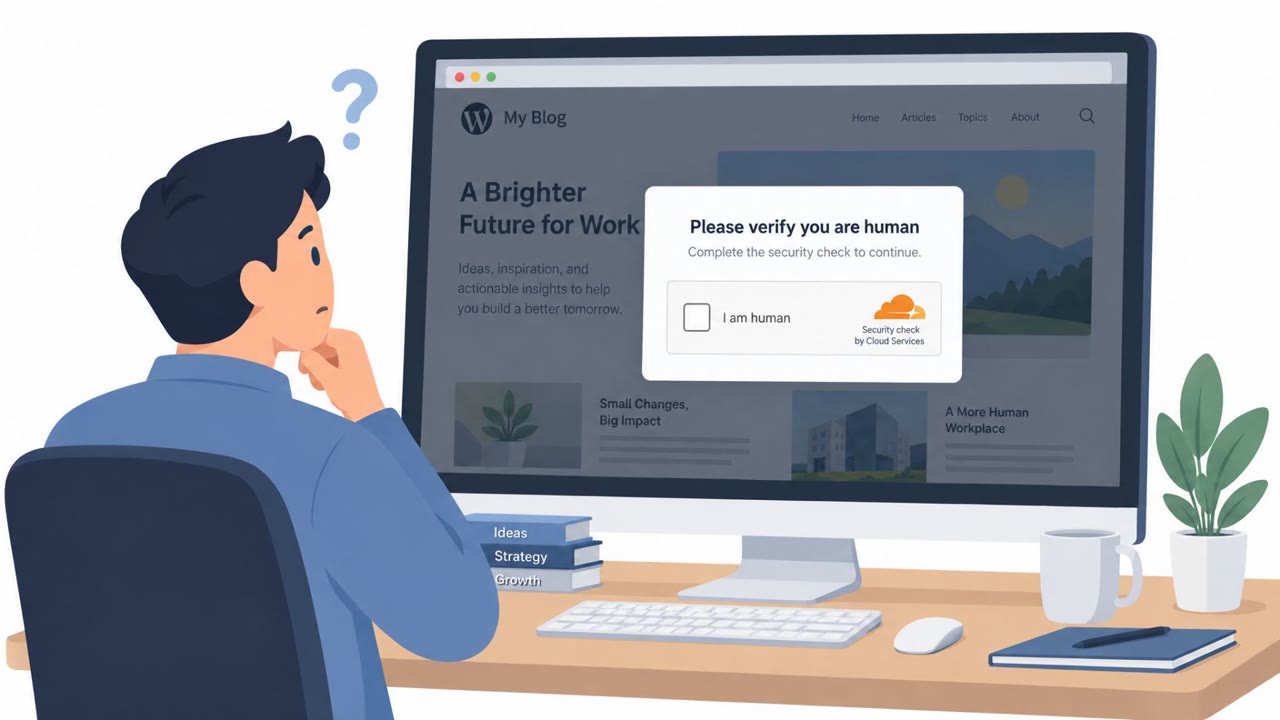
ClickFix campaigns start with a webpage, often on a legitimate site that has been compromised, that presents a fabricated problem the visitor believes is theirs to fix. Common pretexts include a Cloudflare-style human verification check that will not complete, or a macOS support article warning that a Mac is running low on storage. Instead of a normal fix, the page quietly writes a command to the clipboard and asks the visitor to open a trusted system tool, the Run box, PowerShell, Terminal, or a command prompt, and paste and press Enter. Because there is no exploit, attachment, or obvious file download involved, this approach avoids many traditional malware indicators. In at least one analyzed infection chain, the sequence ended with Vidar Stealer running inside a signed Microsoft binary through DLL side-loading.
Why it succeeded
The technique works because it borrows credibility from tools and sites people already trust. The victim, not an attacker-controlled file, performs the final execution step, which sidesteps download and attachment scanning. Microsoft attributed 47% of Defender Experts initial-access cases in 2025 to ClickFix, indicating this has become a major initial-access method rather than a fringe technique. Infrastructure resilience adds to the problem: lure hostnames rotate through blockchain-based systems on Polygon smart contracts, meaning domain blocklists are published too slowly to keep up.
What to watch for
- Any website, error message, verification check, or video call that asks you to copy something and paste it into Run, PowerShell, Terminal, a command prompt, or the File Explorer address bar.
- Instructions that rely on clipboard copy and paste rather than normal browser actions like clicking a button or downloading a file.
- Support-style pages, including ones styled like Apple support articles, that push a sense of urgency around a device problem before asking for terminal commands.
Building resistance
Security awareness efforts should treat any copy-paste-into-system-tool request as an attack, regardless of how trustworthy the surrounding site appears. Because the lure infrastructure can rotate faster than blocklists update, and because researchers and sandboxes may be shown a clean page while real visitors see the malicious instructions, organizations should not rely solely on domain blocking or the absence of a sandbox detonation as proof of safety. Training for all employees, IT helpdesk staff, and website administrators should reinforce a simple rule: if a page asks you to paste something into a system tool, the page itself is the attack.
Key findings
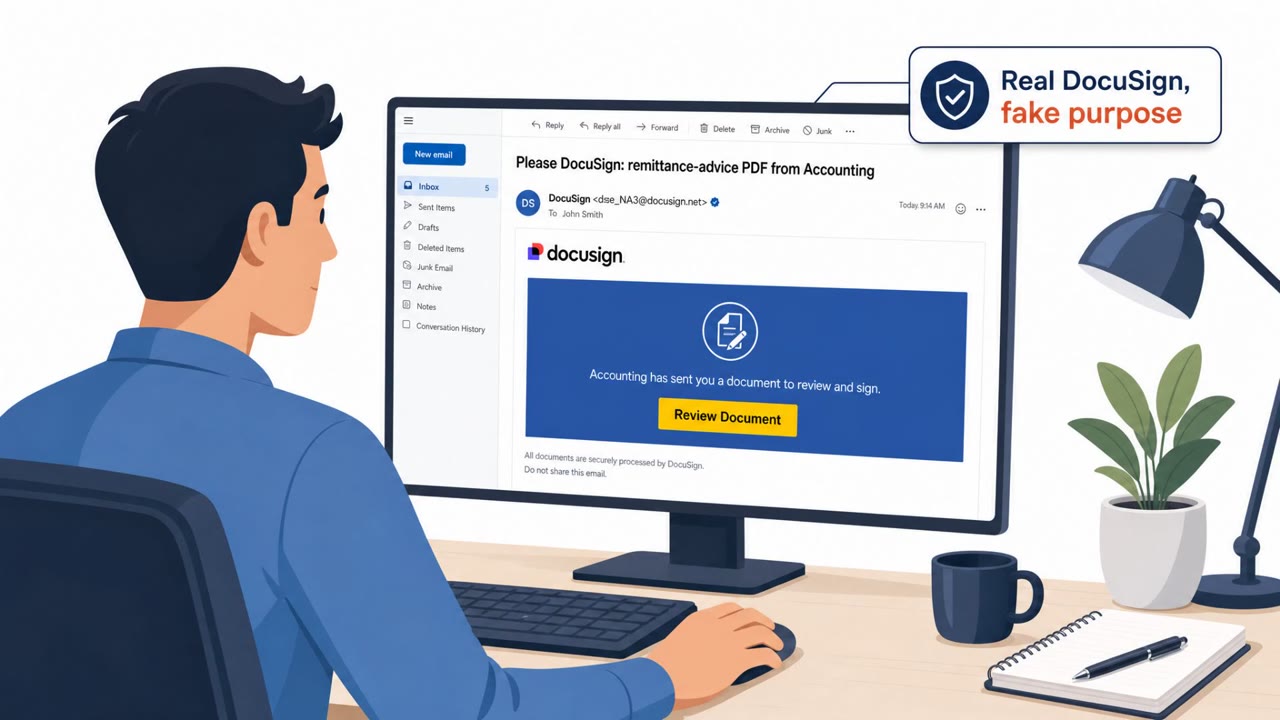
- Attackers use compromised legitimate websites to show fake problems (e.g., Cloudflare verification, document won’t open, low storage) and instruct users to copy/paste a command into trusted system interfaces.
- Microsoft attributed 47% of Defender Experts initial-access cases in 2025 to ClickFix, indicating it has become a major initial-access method.
- The campaign infrastructure uses blockchain-based “EtherHiding” (Polygon smart contracts) to rotate lure hostnames rapidly, making domain blocklists ineffective.
- Targeting is dynamic and per-visitor: the lure reports OS/version and only shows malicious instructions to intended victims while giving researchers/sandboxes clean pages.
- Payload delivery can be gated on machine identity (hardware/account fingerprinting), so sandbox results may not reflect real victim outcomes.
- One analyzed infection chain ended with Vidar Stealer running inside a signed Microsoft binary via DLL side-loading.
Who’s being targeted
- Commonly targeted roles: All employees, Executives, IT helpdesk, IT administrators, SOC/Incident Response, Web/Website administrators.
- Affected industries: Multiple industries (enterprise users broadly), Technology / IT, Organizations running public websites (e.g., WordPress).
- Attack channels: website.
- Impersonated: Cloudflare / website security verification page, Apple Support (styled support article).
Red flags to watch for
- A website asks you to paste a command into PowerShell/Terminal/Run.
- Instructions rely on clipboard copy/paste rather than normal browser actions.
- The ‘fix’ is executed in a system tool unrelated to web verification.
- A support-style page asks you to paste commands into Terminal.
- The page uses a scare/pressure problem statement (device issue) to rush action.
- The page’s ‘fix’ is delivered via clipboard without a normal installer/update flow.
Frequently asked questions
What is a ClickFix attack?
ClickFix is a social engineering technique where a compromised or fake webpage shows a fabricated error, such as a Cloudflare verification failure or low disk space warning, and instructs the visitor to copy a command and paste it into a trusted system tool like the Run box, PowerShell, or Terminal.
Why don't domain blocklists stop ClickFix?
Attackers use rapidly rotating lure hostnames, in some cases managed through blockchain-based infrastructure, so lure domains change faster than blocklists can be updated, making domain blocking an ineffective control on its own.
Can sandbox testing detect these lures?
Not reliably. The lures can be tailored per visitor based on OS and version, showing a clean page to researchers and sandboxes while delivering the malicious instructions only to intended targets, so a clean sandbox result does not prove a site is safe.
What malware has been linked to ClickFix campaigns?
One analyzed infection chain led to Vidar Stealer running inside a signed Microsoft binary via DLL side-loading, following the clipboard paste and execute steps.
Read the video transcript
You click a trusted site, see a Cloudflare-style check that never finishes… then it says, “To fix this, copy this code and run it.” That’s ClickFix. The page quietly copies a command, tells you to open Run or PowerShell, paste, hit Enter… and now Vidar Stealer is running inside a signed Microsoft app. They even use Apple-style support pages: 'A Mac that is running low on storage.' Then: 'Paste this into Terminal to clean it up.' Real sites, rotating hostnames, and only the real victim sees the lure. Here’s the rule: if any website tells you to copy and paste a command into Run, PowerShell, Terminal, or a command prompt, stop and report it to Security. Do not run it.