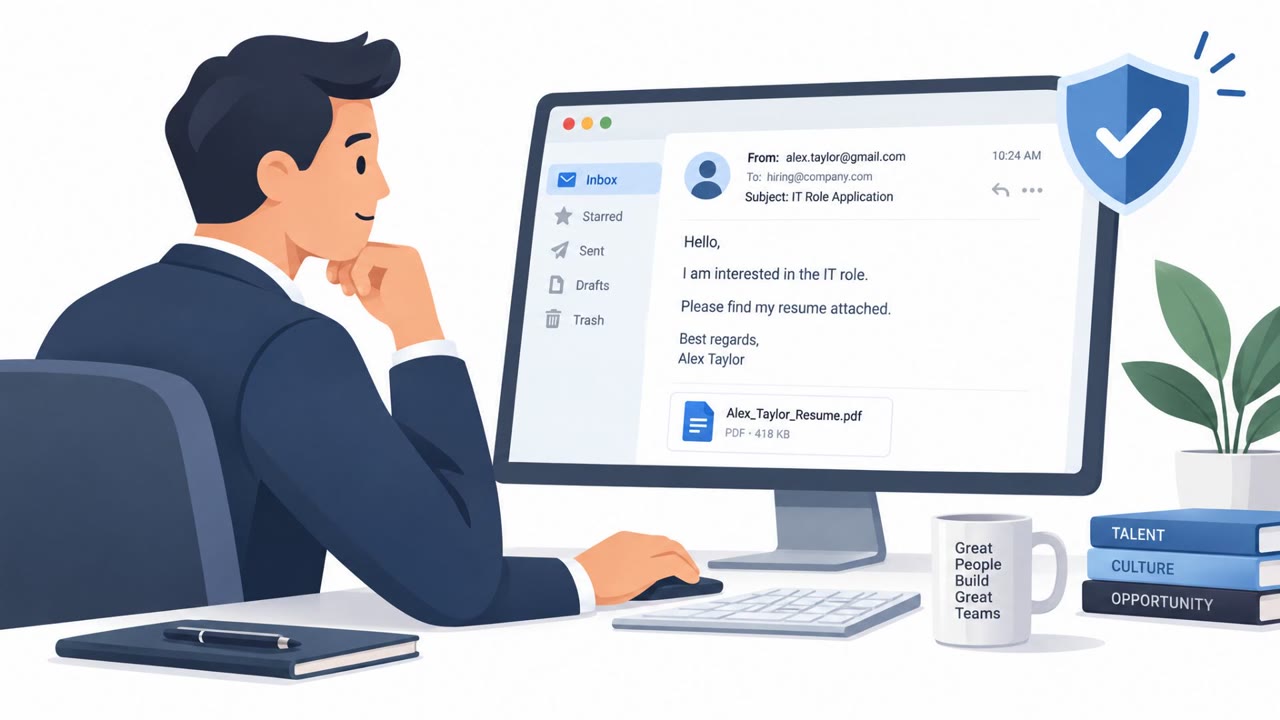
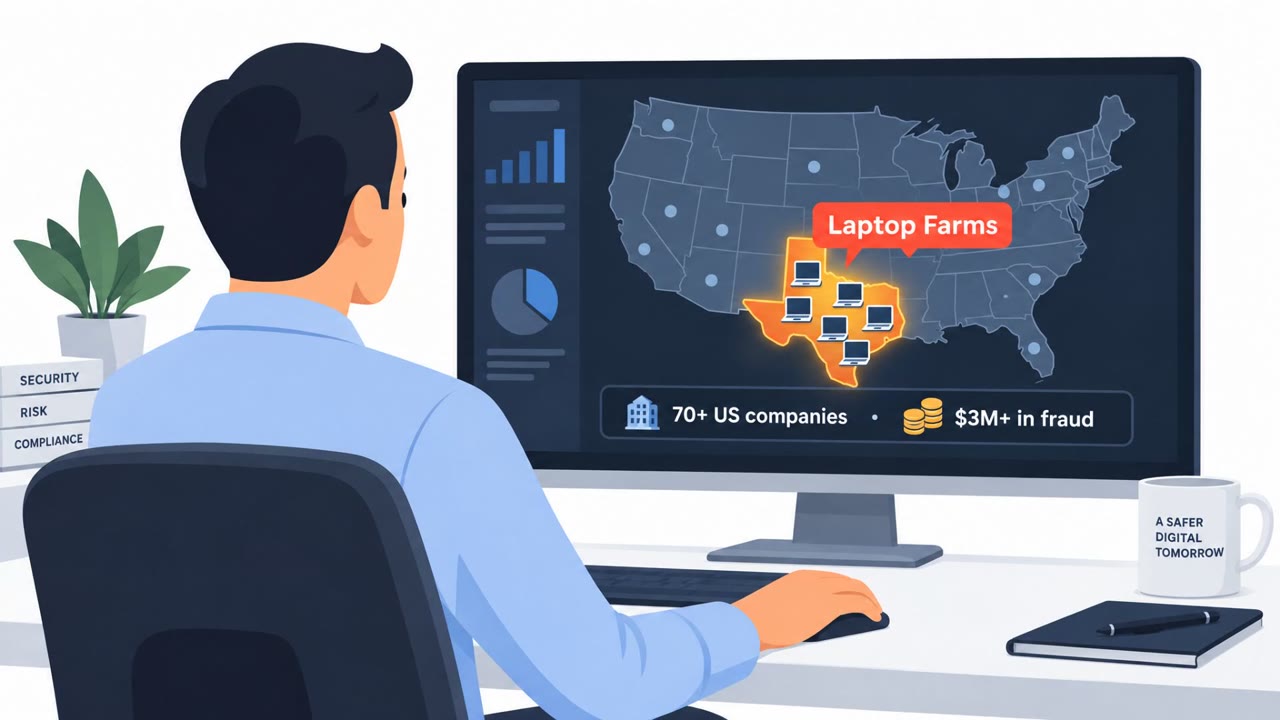
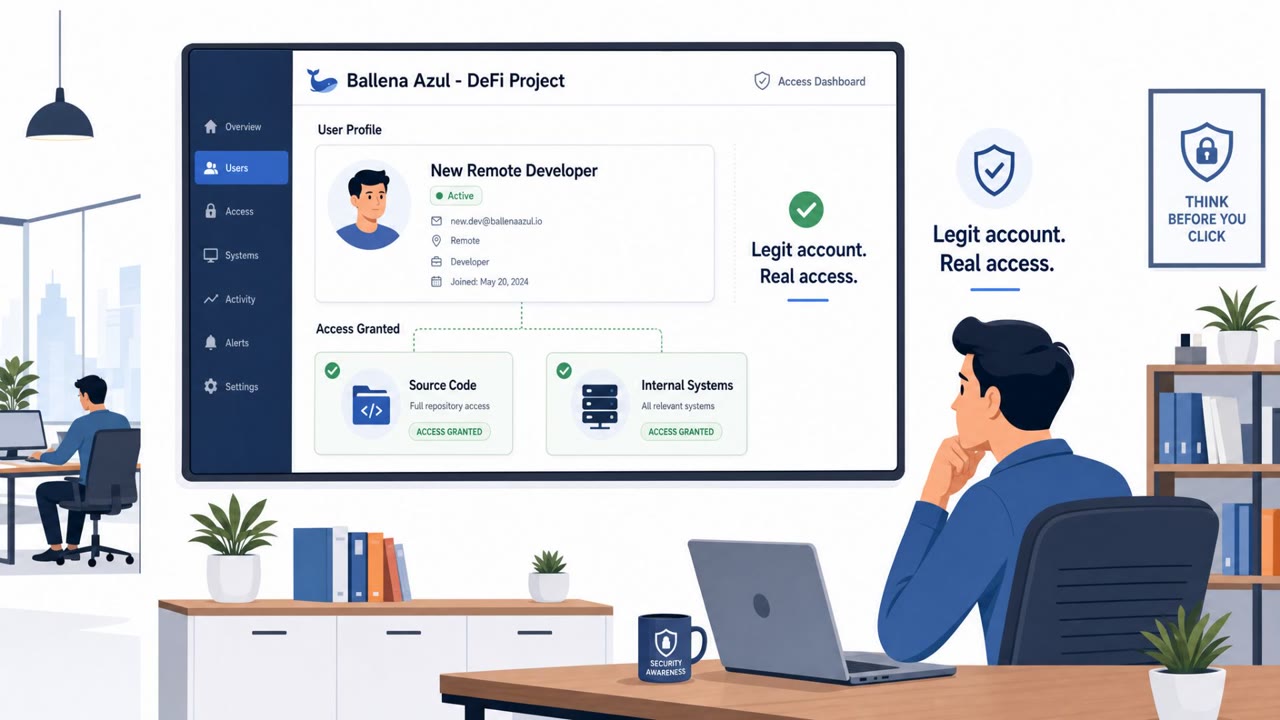
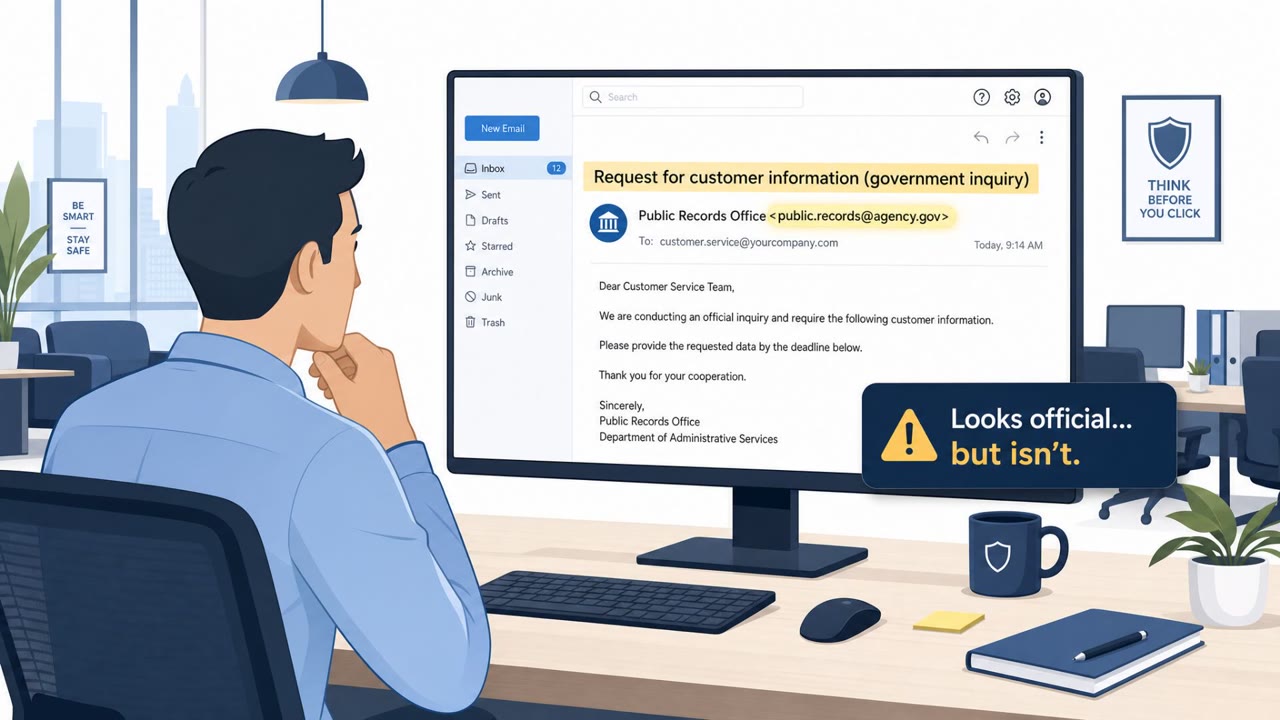
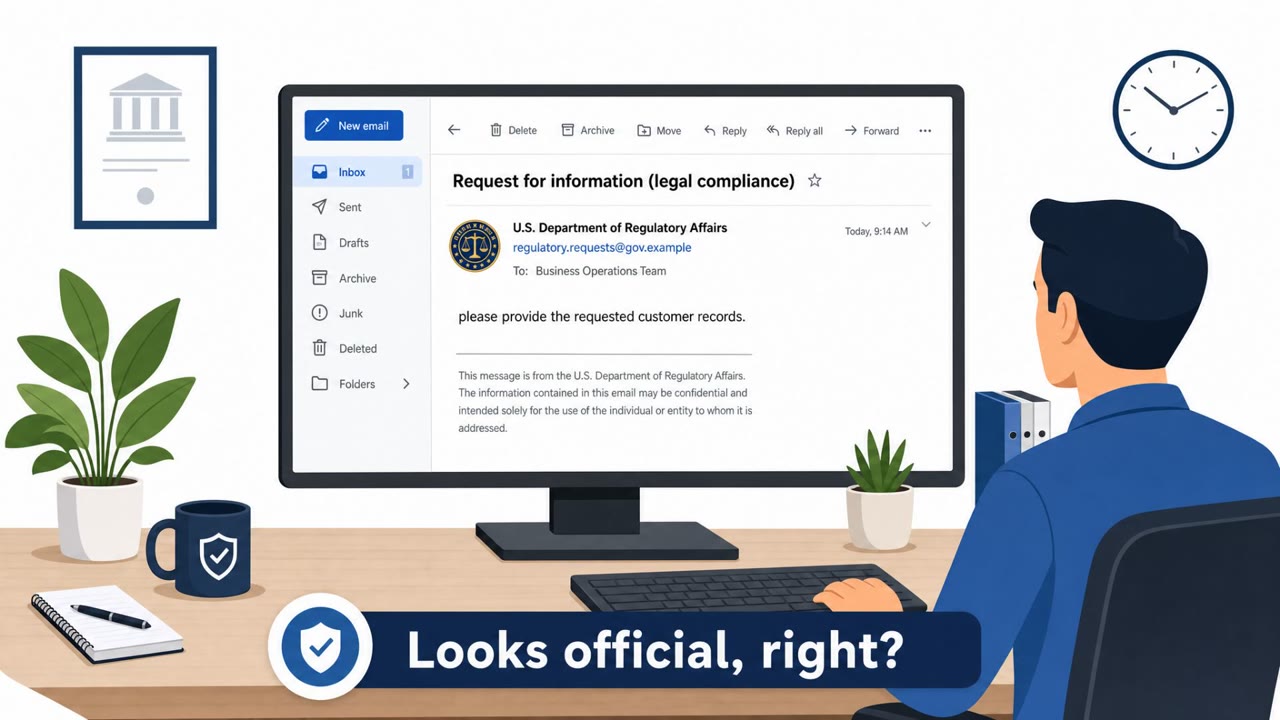
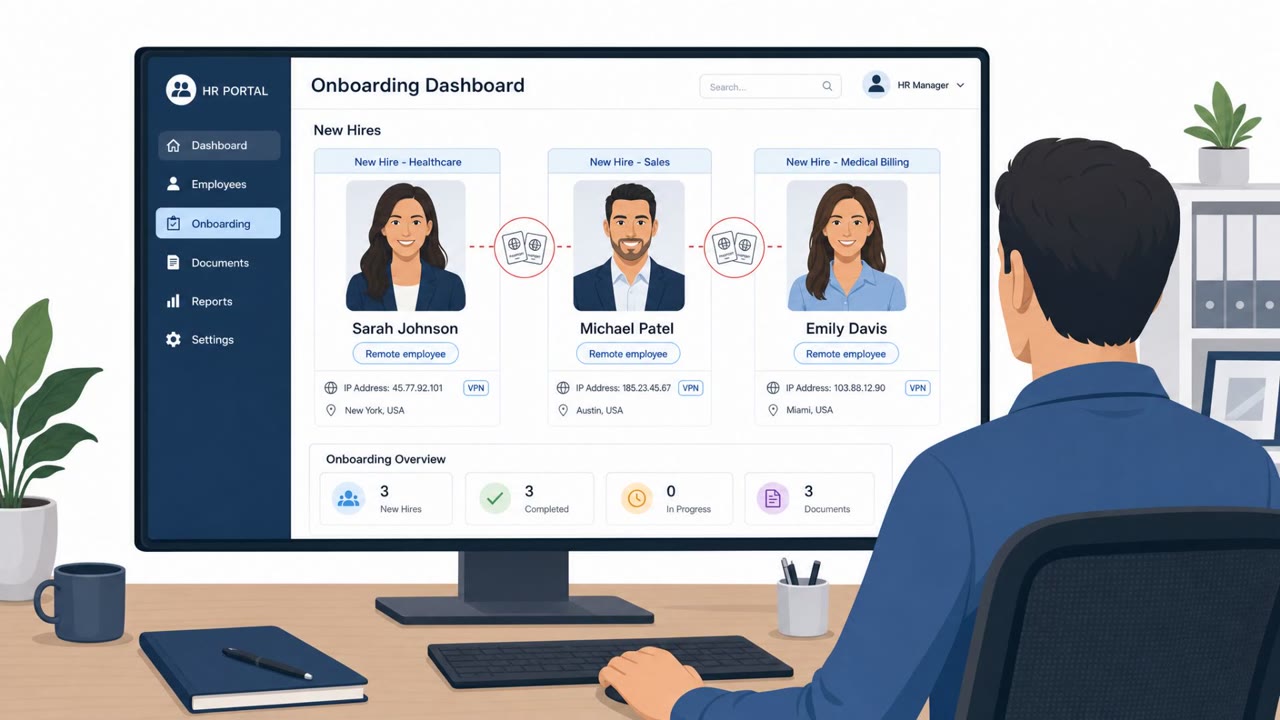
A U.S. defense contractor admitted that co-conspirators used his identity and security clearance to apply for remote jobs at U.S. companies, including work tied to a military AI project. The case shows how fraudulent remote-job applicants can use a trusted U.S. identity, receive company equipment at a local address, and try to access sensitive work from overseas.
Key findings
- Co-conspirators used John Allen Kurrle Jr.'s identity and government clearance in at least 88 applications to U.S.-based companies.
- The operation received nine job offers, including a software-engineering role on a generative-AI project for a U.S. military component.
- Victim companies shipped laptops to Kurrle's Virginia residence, where they could be accessed remotely by co-conspirators outside the United States.
- A company stopped one placement after a video employment-verification call showed that the person on screen did not match Kurrle's age or physical characteristics.
- The case reflects North Korean efforts to use fraudulent remote workers to obtain income and pursue access to strategically valuable contractor roles.
Who’s being targeted
- Commonly targeted roles: Recruiters, Human resources, Hiring managers, IT onboarding teams, Security teams, Government contractor program managers, Remote-work managers.
- Affected industries: Defense contracting, Government contracting, Technology and software development, Artificial intelligence, U.S. military support.
- Attack channels: website.
- Impersonated: A legitimate U.S. defense contractor employee with a government security clearance.
Awareness takeaways
- Require live identity verification for remote hires, especially for sensitive roles, and escalate discrepancies between the applicant and the verified identity.
- Independently validate claimed security clearances, work history, and identity before granting a remote worker access to sensitive projects.
- Treat company devices shipped to employee residences as a potential control point; confirm who possesses and uses the equipment before granting access.
Red flags to watch for
- The person on a live video verification call does not match the applicant's stated age or physical characteristics.
- A sensitive remote role relies on identity or clearance claims that cannot be independently verified.
- Equipment is shipped to a U.S. address but may be remotely accessed from outside the country.
Read the video transcript
Eighty-eight applications. One borrowed identity. Co-conspirators used defense contractor John Allen Kurrle Jr.’s identity and clearance. Nine offers followed, including a military generative-AI role. Laptops went to his Virginia home for remote access from overseas. Here’s what broke the spell: on a live verification call, the person on screen didn’t match Kurrle’s age or appearance. The company stopped the placement. Before shipping a laptop or granting access, require a live identity check, and escalate any mismatch.