U.S. authorities sanctioned people supporting a real North Korean scheme that placed workers in legitimate U.S. businesses using false identities and fabricated job applications. The workers reportedly used AI to tailor resumes and cover letters, create profile photos, and even conceal their identities in video interviews. Their earnings were routed through cryptocurrency to support the North Korean regime.
How the scheme worked
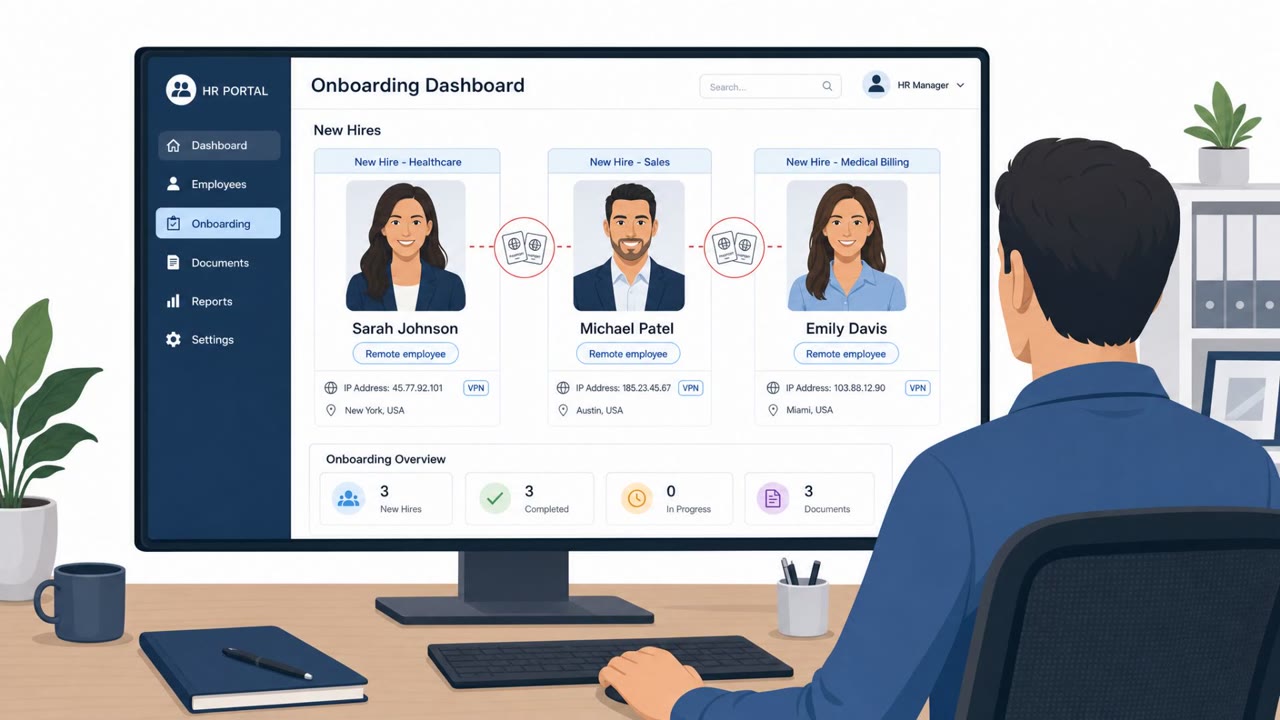
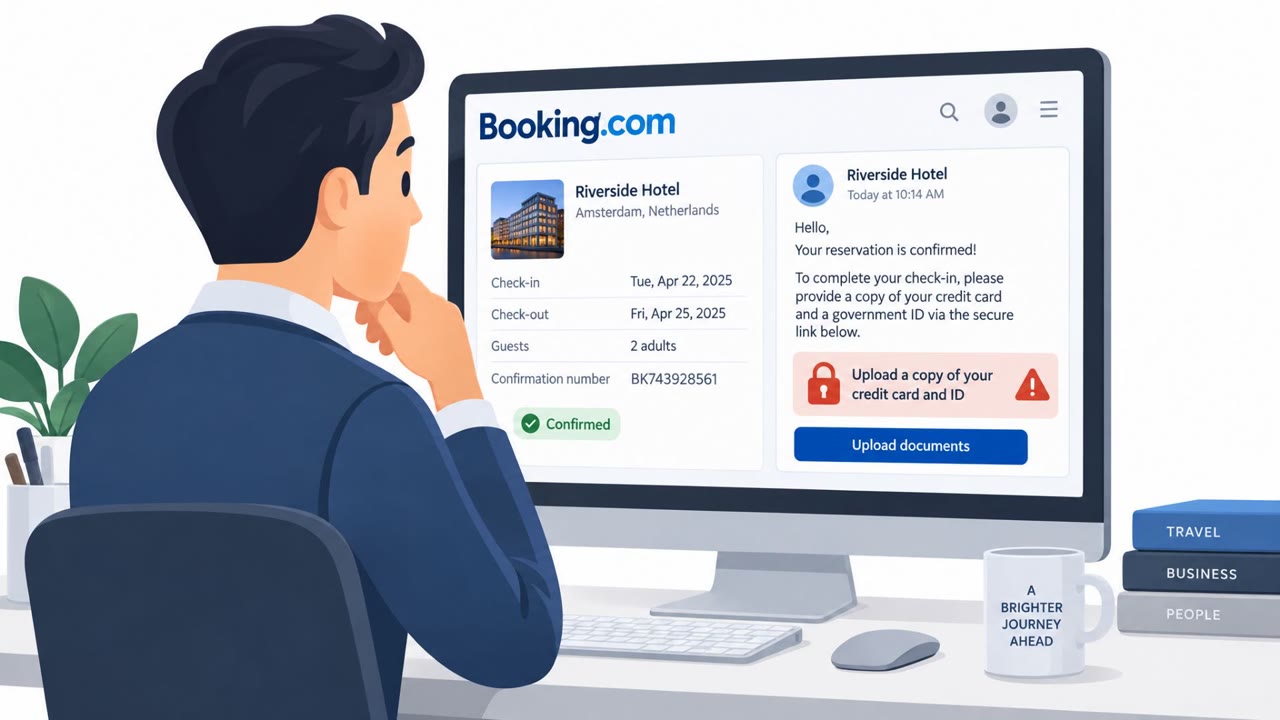
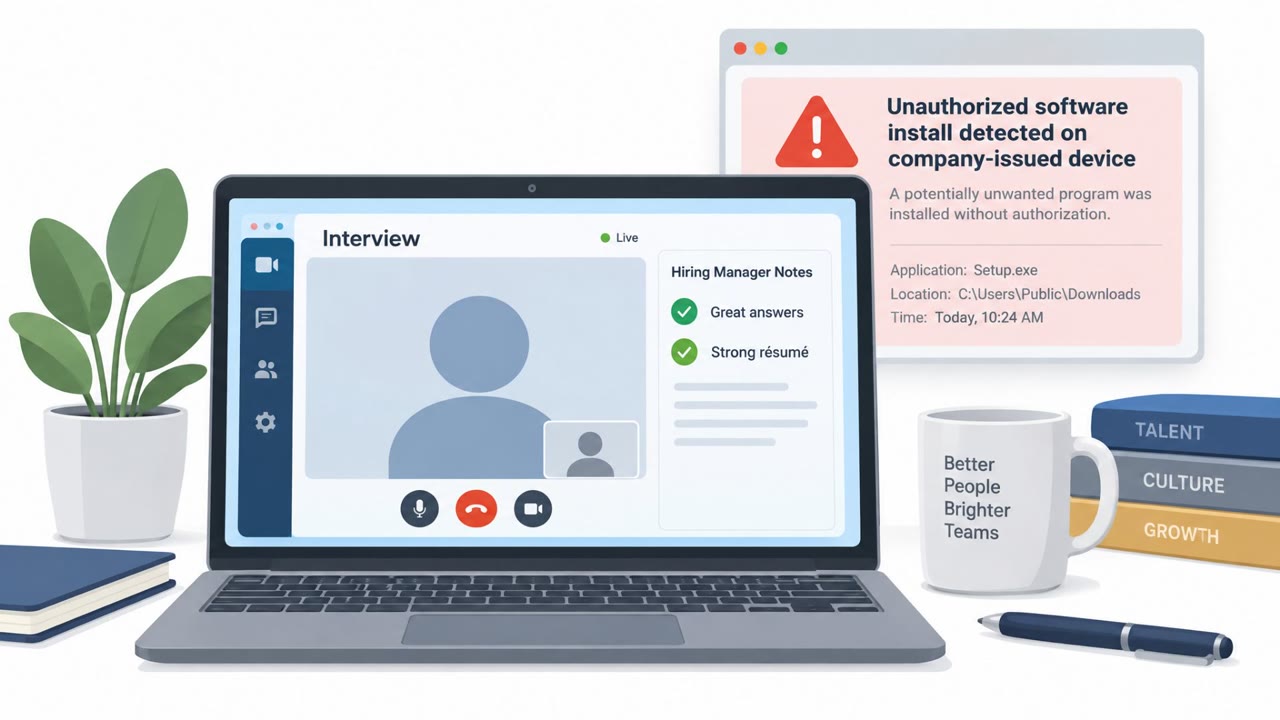
U.S. authorities sanctioned individuals and an entity for supporting a North Korean government-run scheme that placed workers inside legitimate U.S. businesses under false identities. Operatives applied for remote IT roles using fraudulent documents, stolen identities, and fabricated personas. Generative AI played a direct role: it was used to tailor resumes to specific job postings, draft convincing cover letters, and even help prepare for and conduct technical interviews. In some cases, workers used AI-generated profile photos and deepfake video during hiring calls to conceal their real identities.
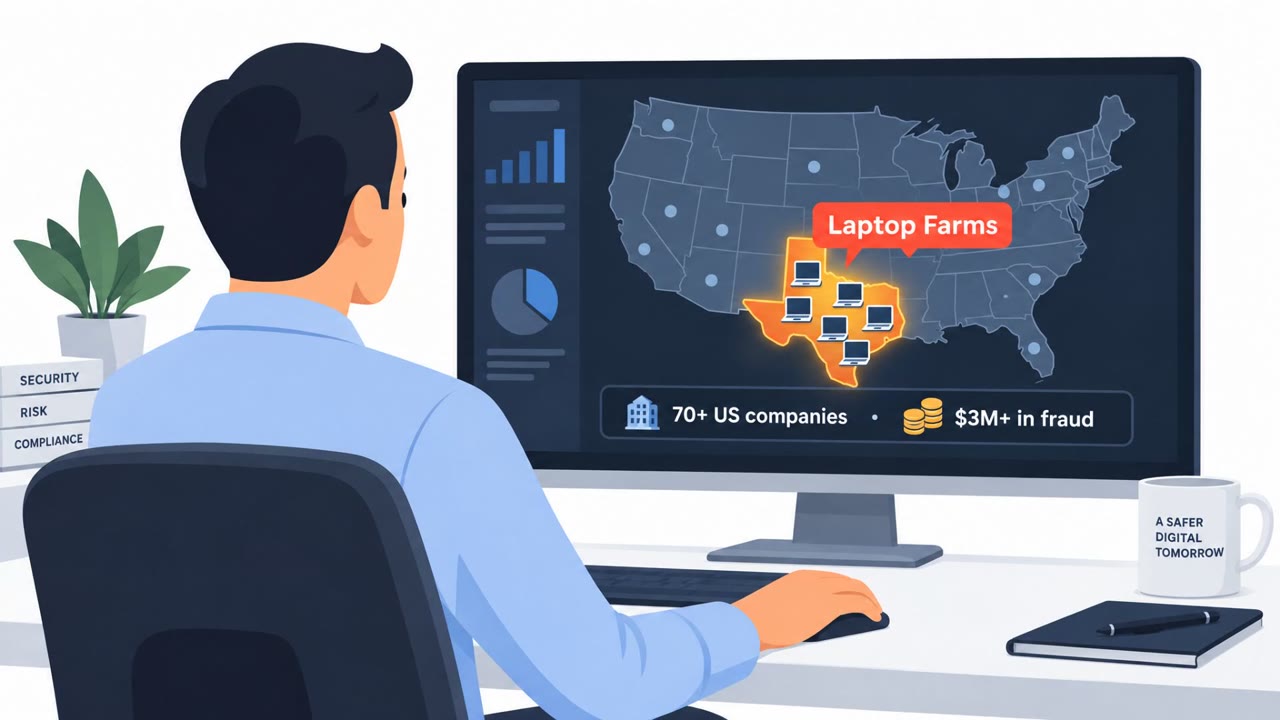
Once hired, workers relied on VPNs and proxy infrastructure to mask their true location, and U.S.-based facilitators operated laptop farms and forwarded equipment so the workers appeared to be working domestically. Earnings were converted through cryptocurrency and routed to support the regime.
Why it succeeded
The scheme exploited the normal remote hiring process, which often relies on self-reported identity, a polished application, and a single video interview. AI tools made fabricated materials and personas convincing enough to pass initial screening and even live technical interviews. Because the infrastructure (laptop farms, VPNs, proxy networks) was built specifically to mimic a legitimate domestic remote worker, there was no single obvious signal that distinguished these applicants from genuine candidates at the point of hire.
What to watch for
- Application materials that are unusually well-tailored to the job posting but whose employment history or identity cannot be independently verified.
- Profile photos or video interview appearances that may be AI-generated or manipulated.
- Technical interview answers that seem rehearsed or inconsistent with the candidate's claimed background.
- A worker's claimed location conflicting with network activity, shipping addresses, or payment details.
- Requests to ship company equipment to an address unrelated to the worker's stated location, which can indicate a laptop farm.
Building resistance
- Treat identity verification for remote hires as a security control, not just an HR formality: independently validate identity, work history, location, and right-to-work status.
- Avoid relying solely on a resume, profile photo, or video interview to confirm a candidate is genuine.
- Escalate and investigate mismatches in location, equipment delivery, payment setup, or network origin before granting system access.
- Limit new remote hires to least-privilege access and monitor for unusual activity, since fraudulent workers may misuse legitimate access to steal data or compromise systems after onboarding.
These takeaways apply broadly to recruiting, HR, hiring managers, technical interviewers, and IT and security teams responsible for onboarding remote workers.
Key findings
- OFAC sanctioned 10 individuals and one entity for supporting North Korean government-run IT worker schemes that fraudulently placed workers at legitimate businesses.
- DPRK operatives used fraudulent documents, stolen identities, fabricated personas, VPNs, and proxy infrastructure to appear to be non-North Korean job applicants or freelancers.
- The article reports use of generative AI to tailor resumes to job postings, write cover letters, and prepare for and conduct technical interviews.
- Some workers reportedly used AI-generated profile photographs and deepfake video in hiring calls to hide their real identities.
- U.S.-based facilitators operated laptop farms and forwarded equipment to help workers appear to be working domestically.
- The workers' cryptocurrency earnings were converted to cash through facilitators and sent to support the DPRK regime and weapons programs.
Who’s being targeted
- Commonly targeted roles: Recruiting, Human Resources, Talent Acquisition, Hiring Managers, Technical Interviewers, Remote Work Managers, IT Service Desk, IT Leadership, Security Teams, Procurement and Vendor Management.
- Affected industries: U.S. businesses hiring remote IT workers, Technology and software development, Financial services and cryptocurrency businesses, Professional services.
- Attack channels: email.
- Impersonated: A non-North Korean freelance IT applicant or job candidate, A U.S.-based remote IT worker.
Red flags to watch for
- Application materials appear unusually tailored but the candidate cannot independently validate their employment history or identity.
- The candidate's profile photo or video appearance may be AI-generated or manipulated.
- Technical interview responses may appear rehearsed or AI-assisted and conflict with the candidate's demonstrated identity or experience.
- The worker's claimed location conflicts with network, shipping, payment, or identity-verification information.
- A request to ship equipment to an address not associated with the worker may indicate use of a laptop farm.
- Use of VPNs or proxy infrastructure obscures the worker's actual location.
Frequently asked questions
How did DPRK IT workers get hired by U.S. companies?
They used fraudulent documents, stolen identities, and fabricated personas, aided by generative AI to tailor resumes, write cover letters, and prepare for technical interviews.
Did the workers use deepfakes during interviews?
In some cases, yes. Workers reportedly used AI-generated profile photos and deepfake video during hiring calls to conceal their real identities.
How did these workers appear to be based in the United States?
U.S.-based facilitators operated laptop farms and forwarded equipment, while workers used VPNs and proxy infrastructure to hide their actual location.
What should hiring teams watch for to catch this kind of fraud?
Mismatches between a candidate's claimed location, equipment shipping address, payment setup, and network origin, along with application materials or interview responses that seem rehearsed or AI-assisted.
Read the video transcript
That perfect remote IT applicant? Their identity could be fabricated. North Korean IT workers have used AI-tailored resumes, fake profile photos, and deepfake video interviews to get hired under stolen identities. Here’s the tell: they claim to work in the U.S., but their equipment ships elsewhere. Laptop farms and VPNs can make a remote worker look local. Before granting access, send any identity, location, or shipping mismatch to your hiring security team.