US authorities arrested two Americans accused of helping North Korean “fake IT workers” get hired remotely at US companies and route company laptops into US-based “laptop farms.” The scheme used stolen or fake identities and location-masking tools so overseas workers could appear to be working from inside the US, generating more than $3 million in fraudulent revenue.
How the scheme worked
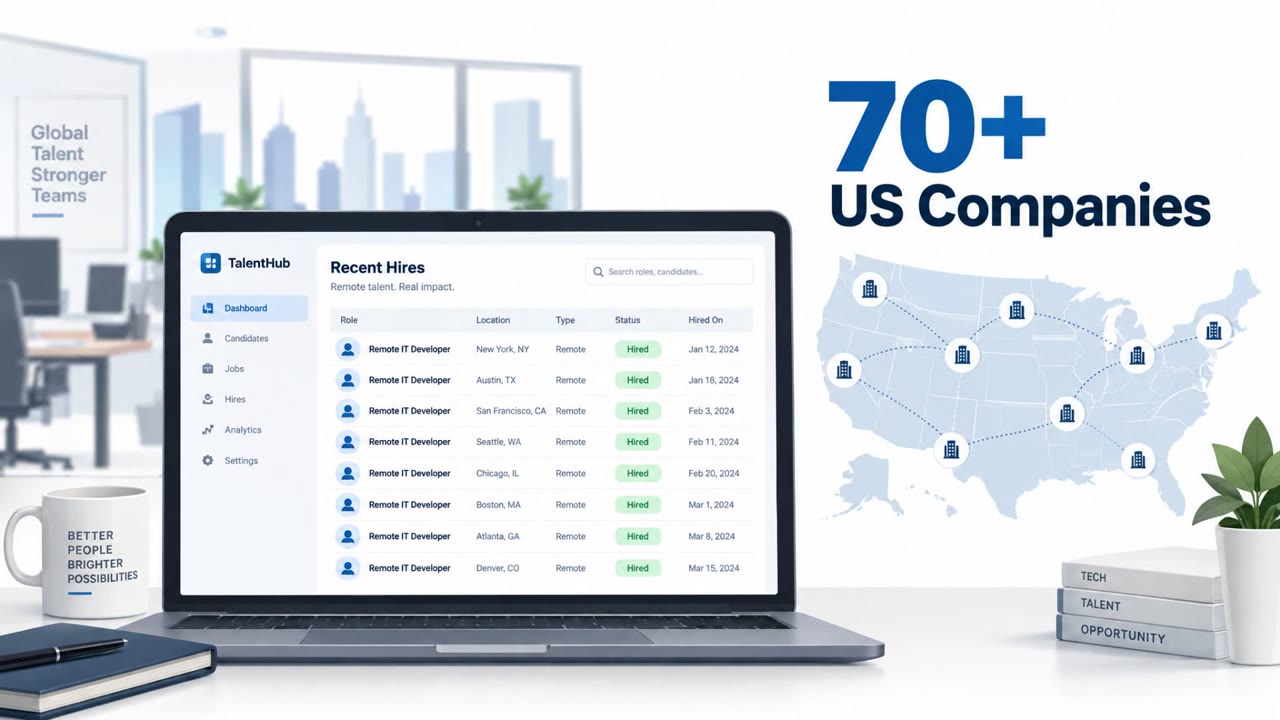
Two US nationals were arrested for allegedly supporting a North Korean IT worker fraud operation by housing and configuring company-issued laptops so overseas workers appeared to be working from inside the United States. The indictment alleges the scheme ran from 2019 to July 2025 and generated over $3 million in fraudulent revenue, allegedly impacting more than 70 US companies across sectors including communications, healthcare, manufacturing, and financial services.
The operation relied on fake or stolen identities combined with VPN and proxy infrastructure to mask the workers' true locations. The FBI's Operation Lonestar Roundup searched 40 Texas locations and seized 187 laptops and KVM devices suspected of supporting these laptop farms.
Why it succeeded
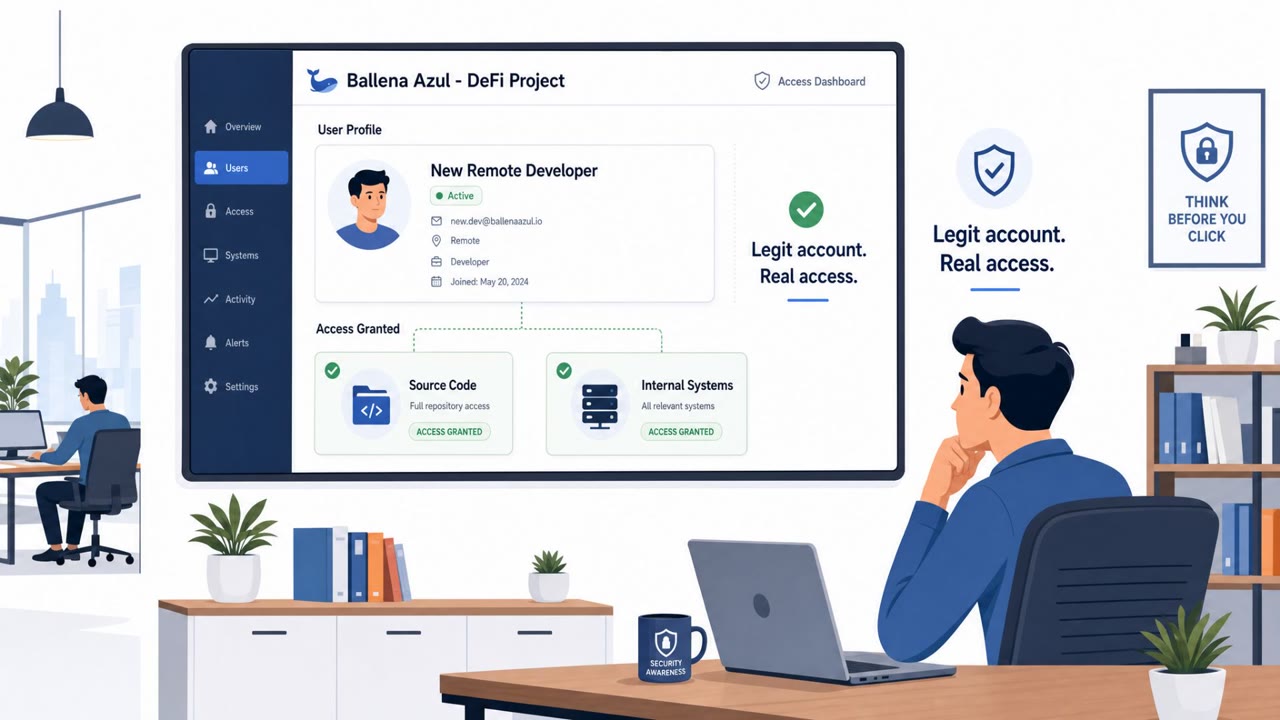
The scheme exploited routine HR and IT asset processes that are not typically treated as security controls. Shipping address changes for new hires, and replacement requests for lost or stolen devices, were used as cover to redirect company hardware to farm locations. CrowdStrike reports the group, tracked as Famous Chollima, used shipment diversion tactics such as relocation claims, rotating addresses, and staffing firm cover, along with replacement scams involving fake stolen-laptop police reports.
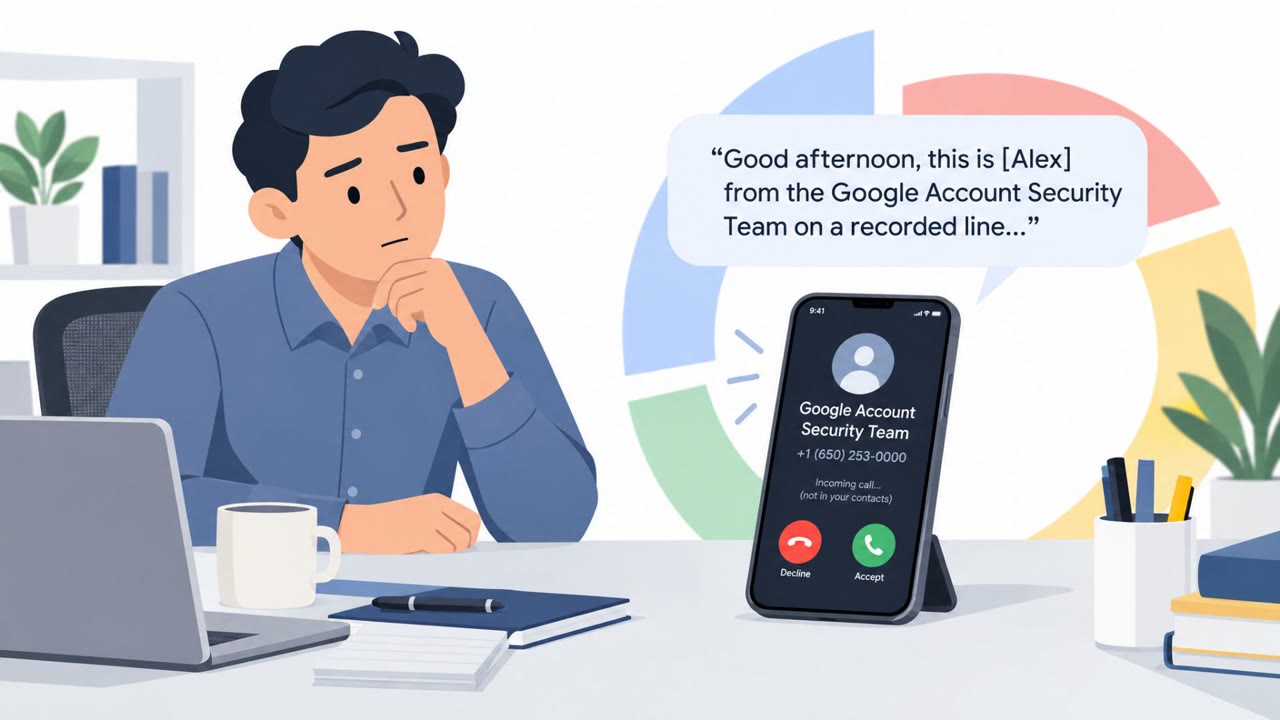
Facilitators were also reportedly paid to appear on camera during interviews or meetings, verify identities, share social accounts, ship packages, or keep devices connected to the internet from US residences, making it harder for a single verification step to catch the deception.
What to watch for
- Shipping or residential address changes that occur late in onboarding or occur repeatedly for the same employee
- Replacement laptop requests tied to a quickly filed police report with limited verifiable detail
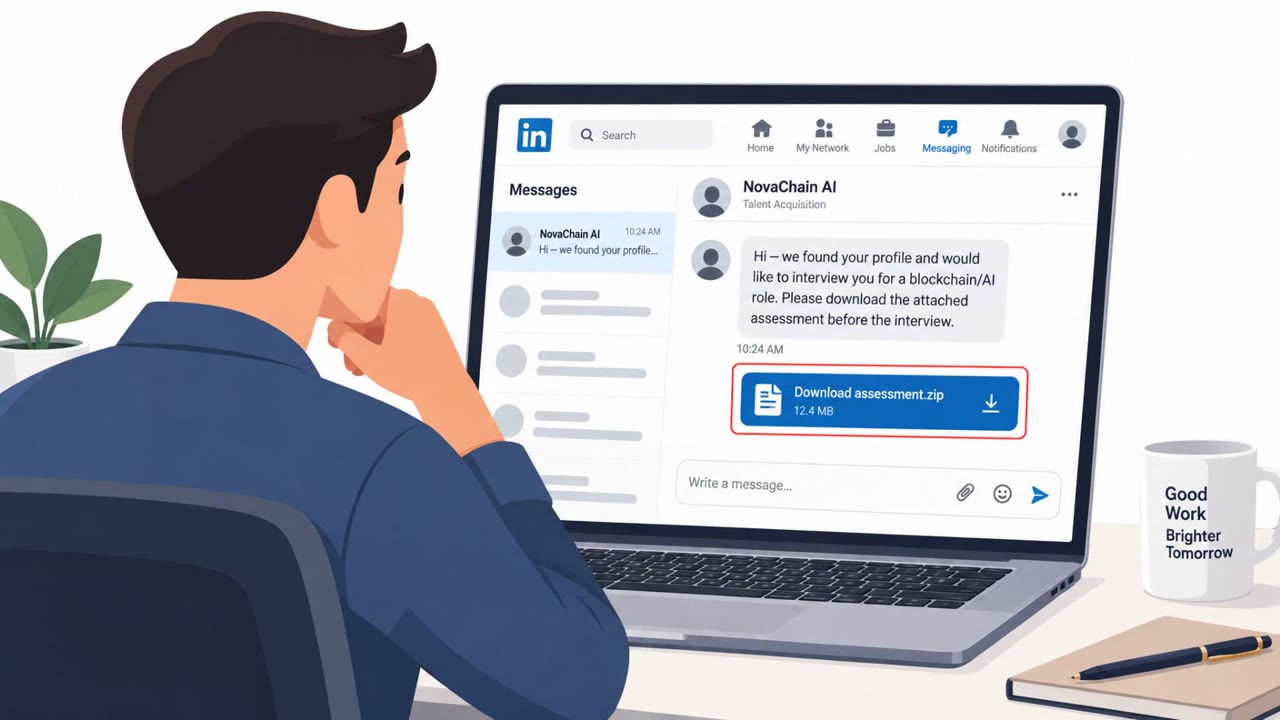
- Interview or meeting participants who resist standard identity checks or rely on someone else to complete identity-related steps
- Devices kept persistently online from residential addresses outside normal work patterns
How to build resistance
Organizations are encouraged to treat device shipping and address changes as a security control rather than an HR convenience, verifying changes out-of-band and documenting approvals. Replacement requests for lost or stolen hardware should require stronger verification before new devices are issued.
Because no single check reliably identifies these schemes, the recommended approach is "identity in depth," layering access controls and detection across the entire employment lifecycle, from application through interview, onboarding, and ongoing access. Training HR, recruiting, IT support, and asset management teams to recognize and escalate facilitator-style behavior, such as stand-ins for interviews or unusual shipping requests, helps close the gaps these schemes depend on.
Key findings
- Two US nationals were arrested for allegedly supporting North Korean IT worker fraud by housing/configuring company laptops in the US so overseas workers appeared domestic.
- The indictment alleges the scheme ran from 2019 to July 2025 and generated over $3 million in fraudulent revenue.
- Over 70 US companies were allegedly impacted across multiple sectors; the operation used fake IDs plus VPN/proxy infrastructure to mask true locations.
- FBI’s Operation Lonestar Roundup searched 40 Texas locations and seized 187 laptops and KVM devices suspected to support laptop farms.
- CrowdStrike reports the threat group (“Famous Chollima”) used shipment diversion tactics (relocation claims, rotating addresses, staffing firms) and replacement scams (fake stolen-laptop police reports).
- FBI warns facilitators may be paid to appear on camera/interviews, verify identities, share social accounts, ship packages, or keep devices online from US residences.
Who’s being targeted
- Commonly targeted roles: HR, Recruiting, Hiring Managers, IT Support / Service Desk, IT Asset Management, Security / Identity & Access Management (IAM), Procurement / Vendor Management.
- Affected industries: Communications, Cybersecurity, Healthcare, Manufacturing, Retail, Aerospace, Energy, Financial services, Defense engineering, Government technology, Consumer technology.
- Attack channels: email, vishing.
- Impersonated: New remote employee (fake IT worker persona), Remote employee (fake IT worker persona), Job candidate / newly hired remote worker.
Red flags to watch for
- Address changes late in the hiring/onboarding process
- Multiple shipping addresses used for a single employee/persona
- Urgency to reroute devices outside normal asset controls
- Police report provided quickly with limited verifiable detail
- Repeated “lost/stolen” device claims tied to the same persona/address cluster
- Request to ship replacement to a different address than the employee’s verified location
- Candidate resists standard identity verification steps and substitutes another person
- Inconsistencies between voice, camera appearance, and documented identity
- Unusual reliance on others to complete identity-related steps
Frequently asked questions
What is a laptop farm in the North Korean IT worker scheme?
A laptop farm is a US location where facilitators house and configure company-issued laptops so overseas North Korean IT workers can remotely access them and appear to be working from inside the US.
How did the fake IT workers get company laptops redirected?
Operatives used deception tactics such as claiming sudden relocation or filing fraudulent police reports about stolen laptops to get devices shipped or replaced at farm-controlled addresses.
How much fraudulent revenue did the scheme generate?
According to the indictment, the scheme ran from 2019 to July 2025 and generated over $3 million in fraudulent revenue, allegedly affecting more than 70 US companies.
How can organizations detect this kind of insider threat?
Security teams are advised to adopt an identity in depth approach with layered verification throughout the employment lifecycle, since no single check reliably catches these schemes.
Read the video transcript
North Korean fake IT workers have already used US “laptop farms” to hit over 70 companies and pull in more than three million dollars. Here’s the trick: an email from a “new remote hire” says, “Hi team, I’ve had a sudden relocation. Can you update my shipping address for the company laptop?” That laptop gets sent to a US house, plugged into a laptop farm, and remotely driven from overseas to look like a normal US worker. They’ll also say, “My company laptop was stolen. I filed a police report, please send a replacement as soon as possible.” The catch: the report is fake, and the replacement ships to another farm address. Red flags are last‑minute address changes, repeat “lost or stolen” claims, and replacement laptops going to a different address than HR has on file. If anyone asks to reroute or replace a laptop, treat it like a security event: pause the request, and out‑of‑band verify the person and the address with HR or IT before anything ships.