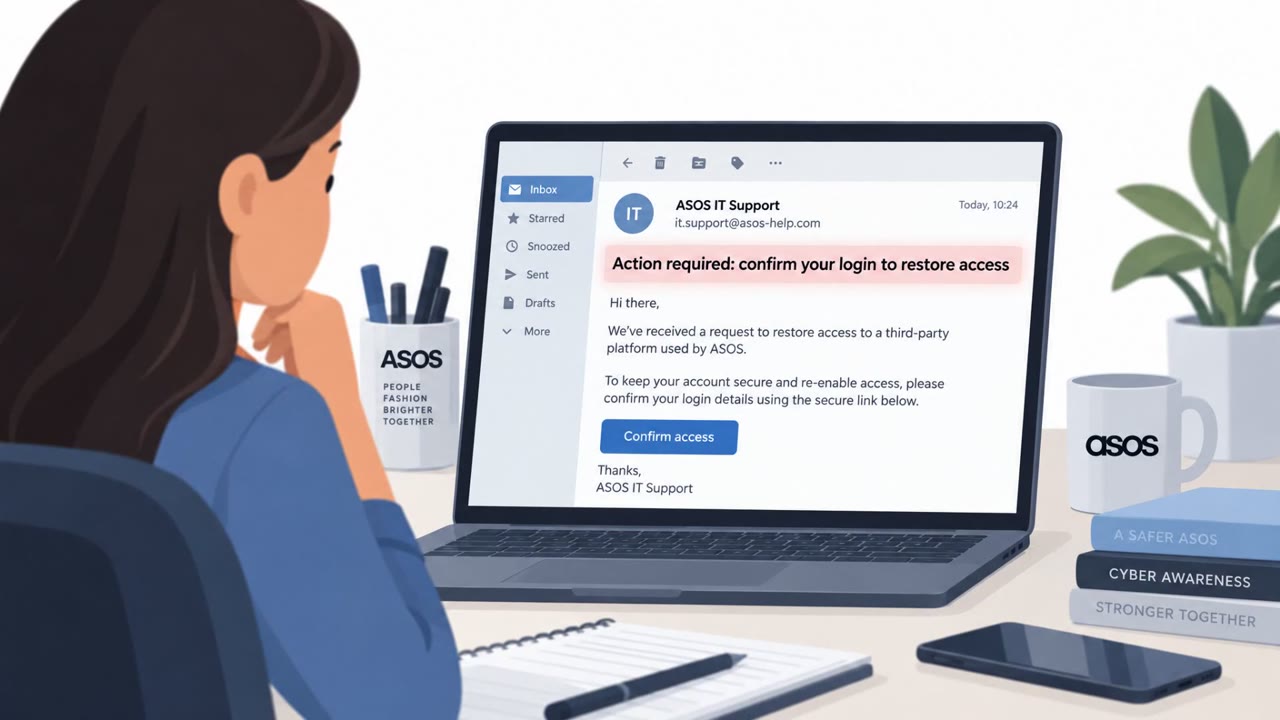
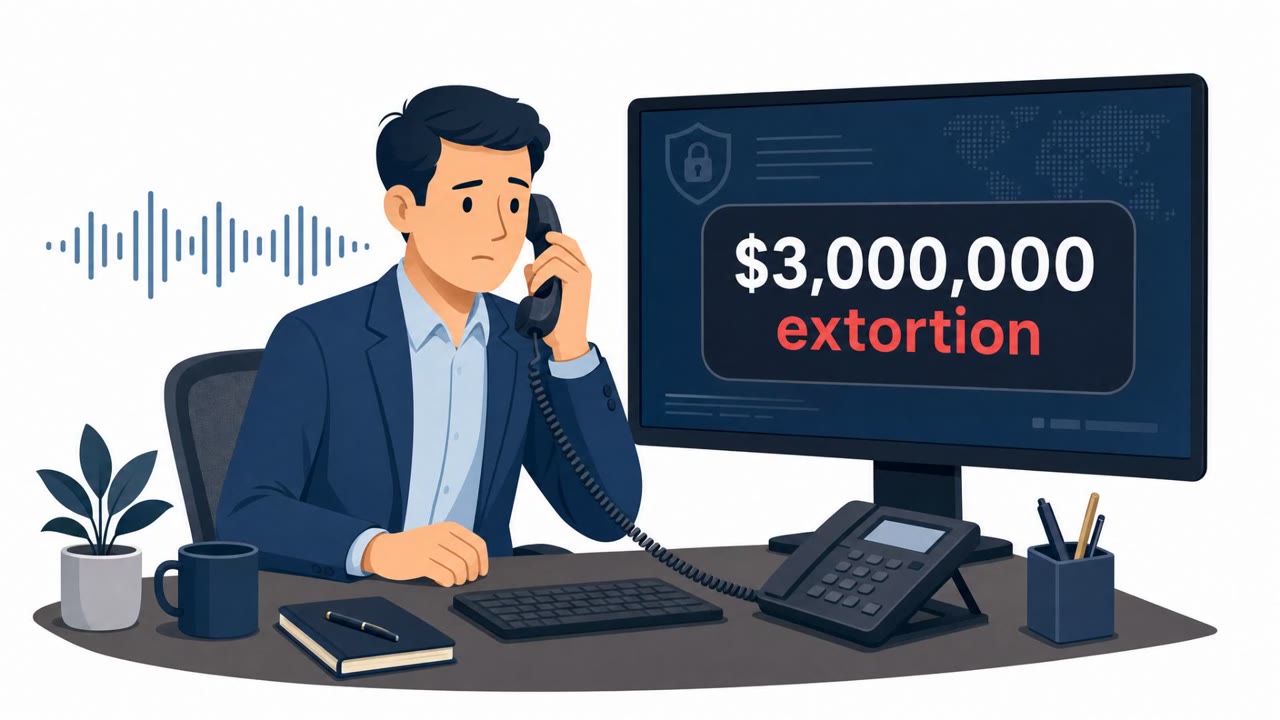
South Korean police say a suspected hacker breached 60 organizations and stole personal and business data, then used the threat of public disclosure to demand payment. The group reportedly sent extortion emails and escalated to calls and text messages to executives and employees when organizations did not comply. The reported campaign affected businesses, hospitals, and educational institutions.
What Happened
South Korean police allege that a suspected hacker breached 60 organizations over a 44-day span, compromising more than 8.2 million personal-information records across the broader campaign. The stolen data reportedly included resident registration numbers, contact details, employee records, internal documents, patient consultation details, and information about minors. Rather than deploying ransomware to encrypt systems, the group allegedly used the theft itself as leverage, threatening to publicly disclose the data unless organizations paid.
How the Extortion Escalated
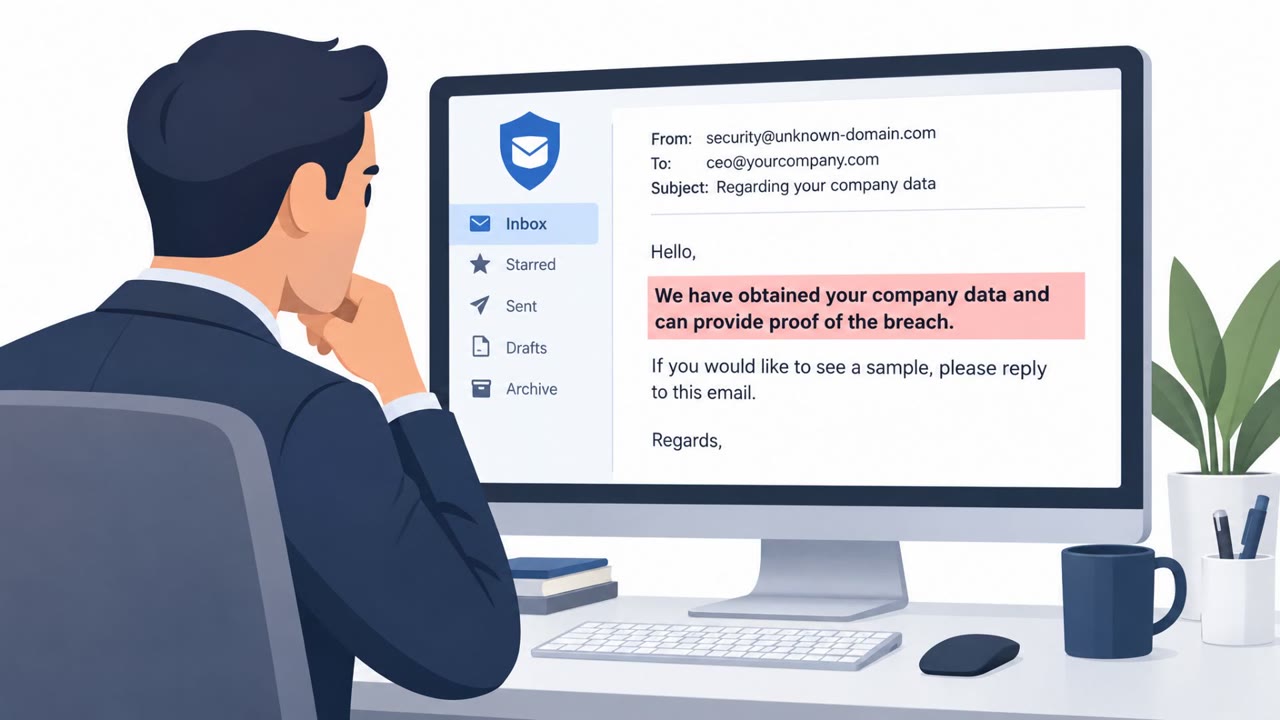
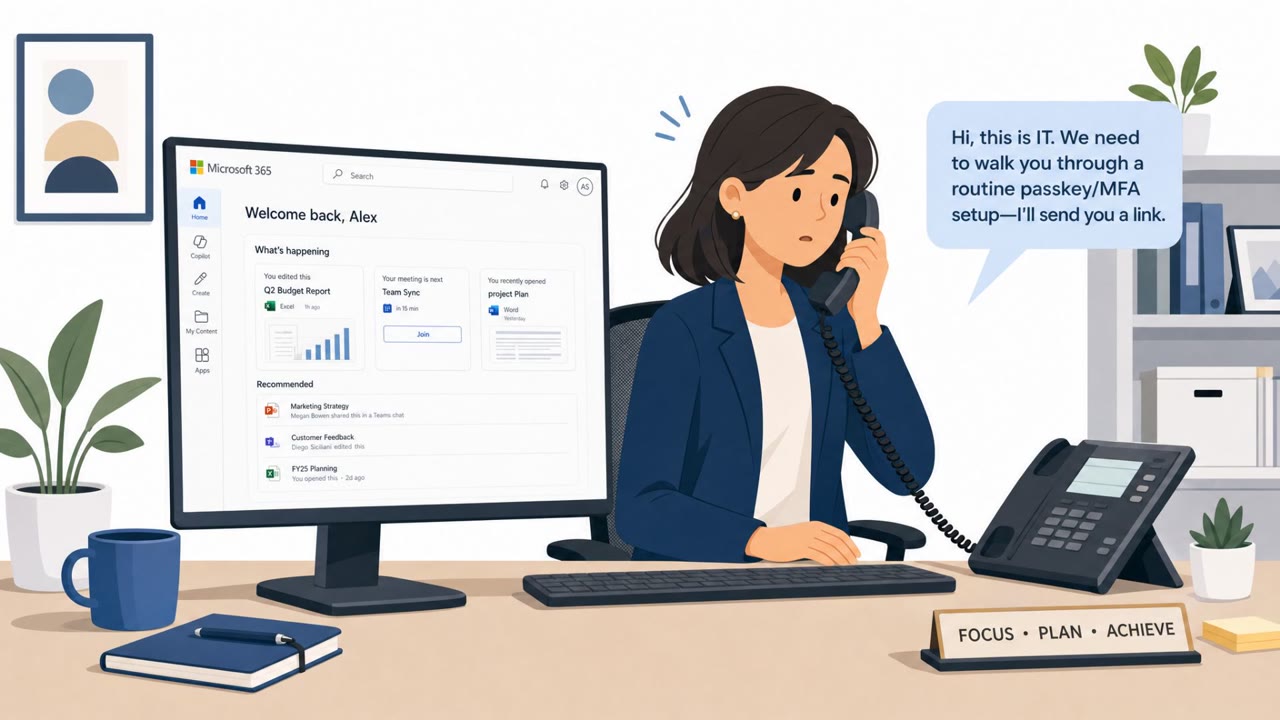
According to the reporting, extortion emails targeted 38 organizations and sought a combined 360 million won. These messages warned recipients that disclosure could damage their reputations and lead to regulatory penalties or customer lawsuits. When organizations did not comply, accomplices reportedly escalated by contacting executives and employees directly through phone calls and text messages. This multi-channel pressure, moving from email to vishing and smishing, was designed to increase urgency and bypass any single point of resistance within a targeted organization.
Why This Approach Succeeds
Data-theft extortion works differently than ransomware. Because no systems are encrypted, there is no outage to immediately signal an incident, and the threat instead centers on reputational harm, regulatory exposure, and potential lawsuits. Only one organization was confirmed to have paid, but the threat of disclosure alone can create pressure, especially when accomplices follow up through unexpected calls and texts to individual employees rather than through formal organizational channels.
Building Resistance
Organizations across sectors, including healthcare, education, and general business, should prepare for this kind of extortion rather than only accounting for traditional ransomware. Practical steps include:
- Treat any payment demand tied to alleged stolen data as an incident to verify through established legal, privacy, and security escalation channels, not through contact details provided by the sender.
- Train executives and employees to immediately report threatening calls and texts, especially when they follow an extortion email or claims about exposed company data.
- Recognize that restoring systems does not recover copied personal information, and that paying criminals provides no guarantee that stolen records will be deleted.
- Preserve any samples of allegedly stolen data provided by extortionists, and compare them against internal records and access logs to help establish the actual extent of unauthorized access, without assuming the samples represent everything taken.
Because this campaign combined email, vishing, and smishing (see T1566), awareness training should cover all three channels together rather than treating them as separate threats.
Key findings
- Police allege that one suspect breached 60 South Korean organizations in 44 days, with more than 8.2 million personal-information records compromised across the broader campaign.
- The group allegedly used stolen resident registration numbers, contact details, employee records, internal documents, patient consultation details, and information about minors as leverage.
- Extortion emails targeted 38 organizations and sought a combined 360 million won, warning of reputational harm, regulatory penalties, and customer lawsuits.
- If email recipients did not comply, accomplices reportedly followed up with phone calls and text messages to executives and employees.
- The campaign was data-theft extortion rather than encryption-based ransomware; only one organization was confirmed to have paid.
Who’s being targeted
- Commonly targeted roles: Executives, Employees, Legal and privacy teams, Security and incident-response teams, Healthcare staff, Education administrators.
- Affected industries: Healthcare, Education, Funeral services, Businesses.
- Attack channels: email, vishing, smishing.
- Impersonated: A criminal claiming possession of the organization's stolen data.
Red flags to watch for
- An unexpected demand for payment tied to a threat to expose data
- Pressure based on reputational damage, regulatory action, or customer lawsuits
- Unverified follow-up calls or text messages directed at executives and employees
Frequently asked questions
How did the extortion campaign work?
A suspected hacker allegedly breached 60 South Korean organizations and stole personal and business data, then sent extortion emails threatening public disclosure unless payment was made.
What happened if victims did not pay?
Police allege that when organizations did not comply with the email demands, accomplices followed up with phone calls and text messages to executives and employees.
Was this ransomware?
No, this was data-theft extortion rather than encryption-based ransomware. Only one organization was confirmed to have paid.
What industries were affected?
The reported campaign affected businesses, hospitals, and educational institutions, among other organizations.
Read the video transcript
“We have your records. Pay, or we’ll publish them.” That’s data-theft extortion, not ransomware. In South Korea, extortion emails hit 38 organizations. When recipients didn’t comply, calls and texts reached executives and employees. Here’s the tell: the pressure changes channels, but the demand stays the same. A caller claiming to have employee or patient records isn’t proof, and paying won’t erase stolen copies. Get that email, call, or text? Report it immediately through your company’s security incident channel.