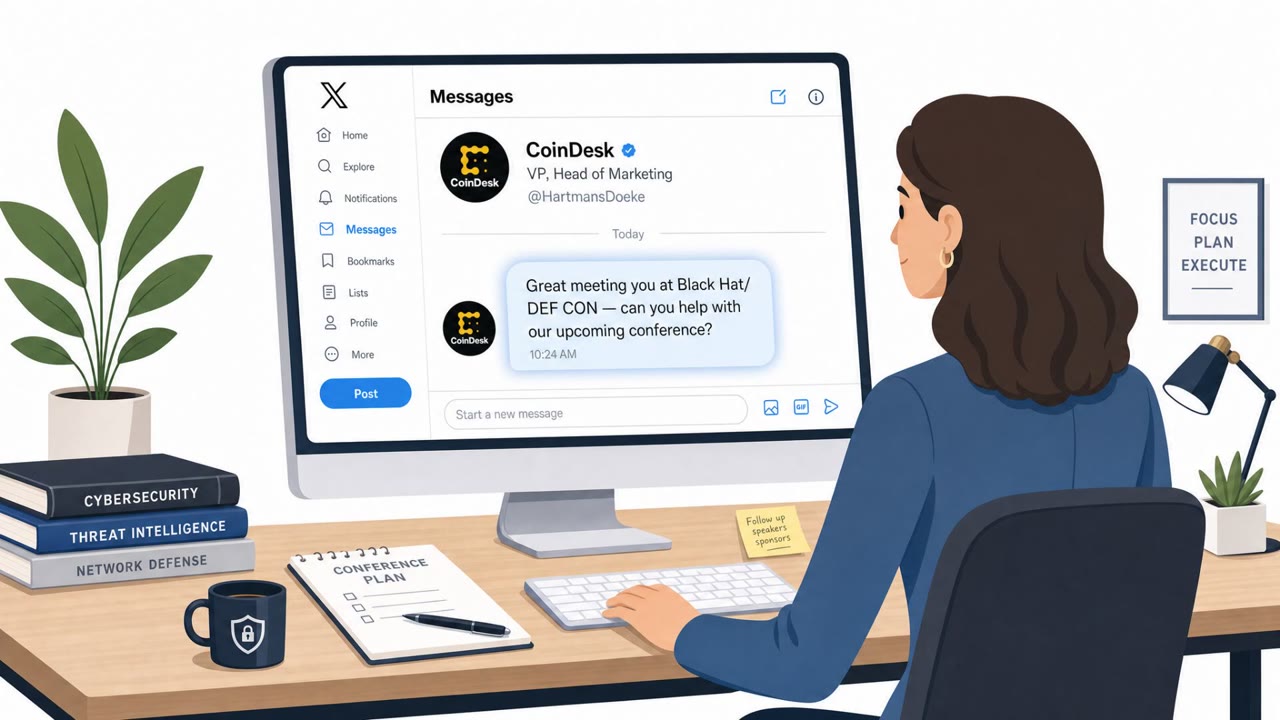
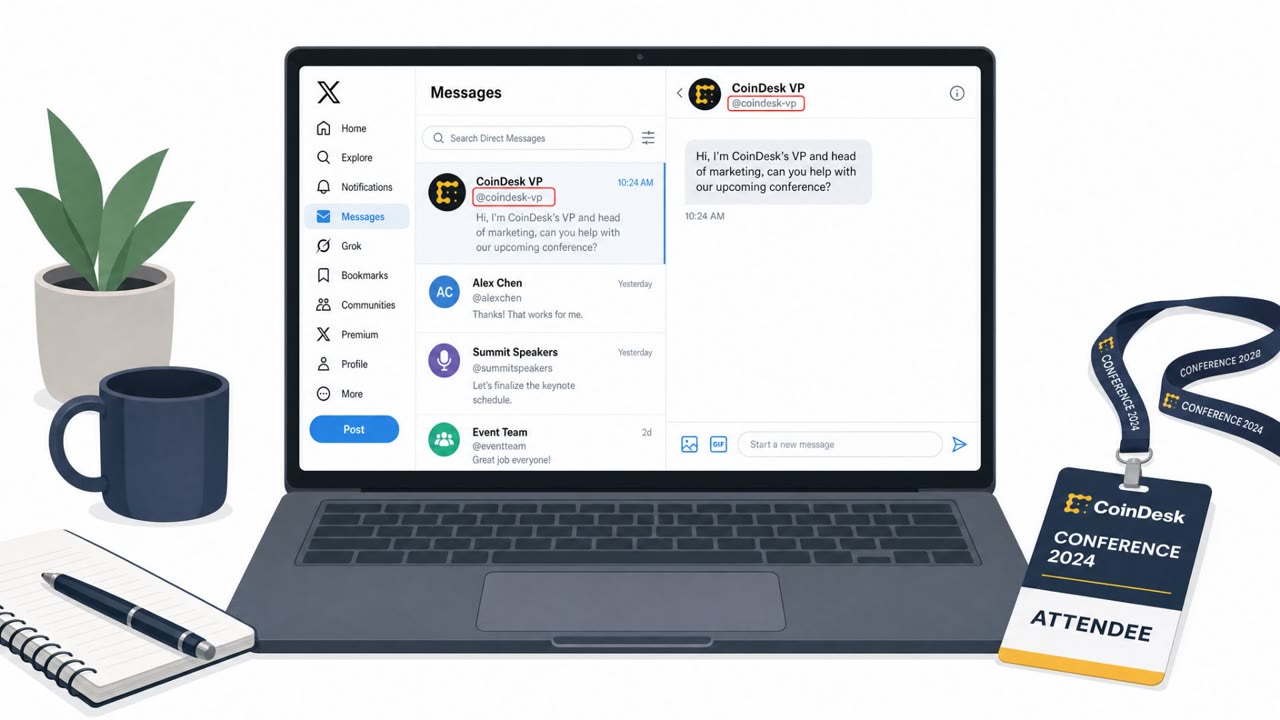
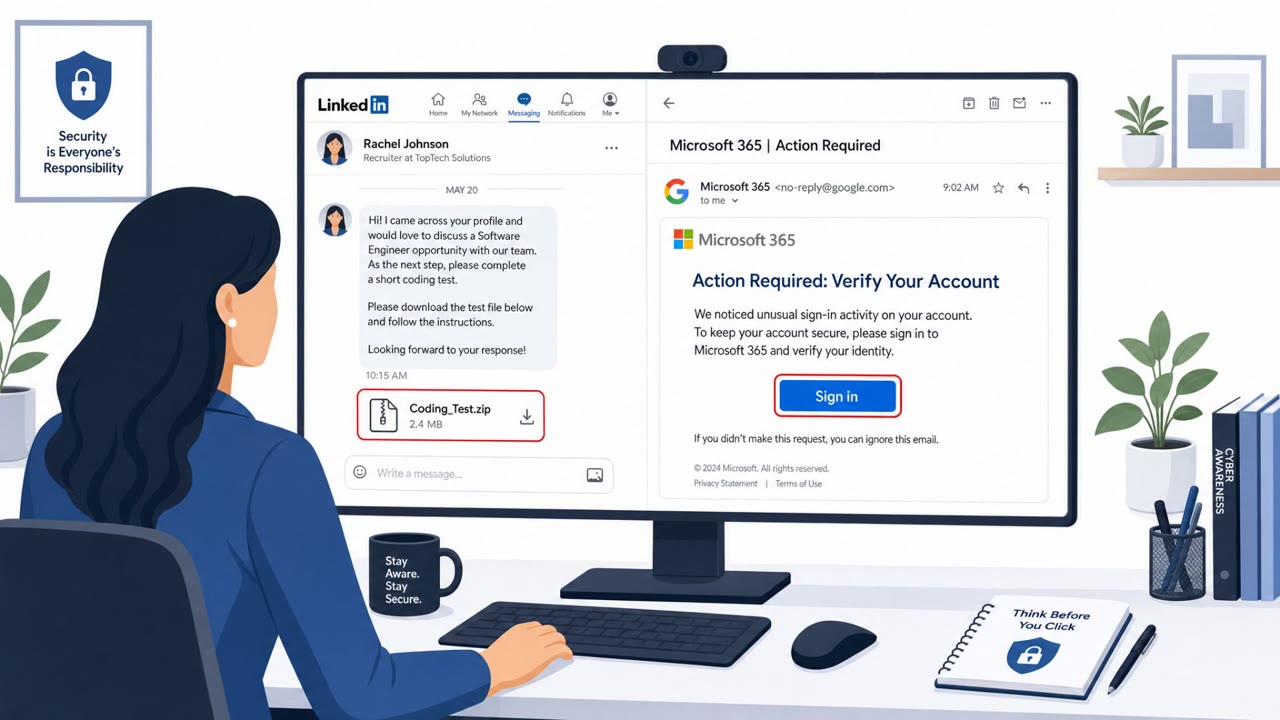
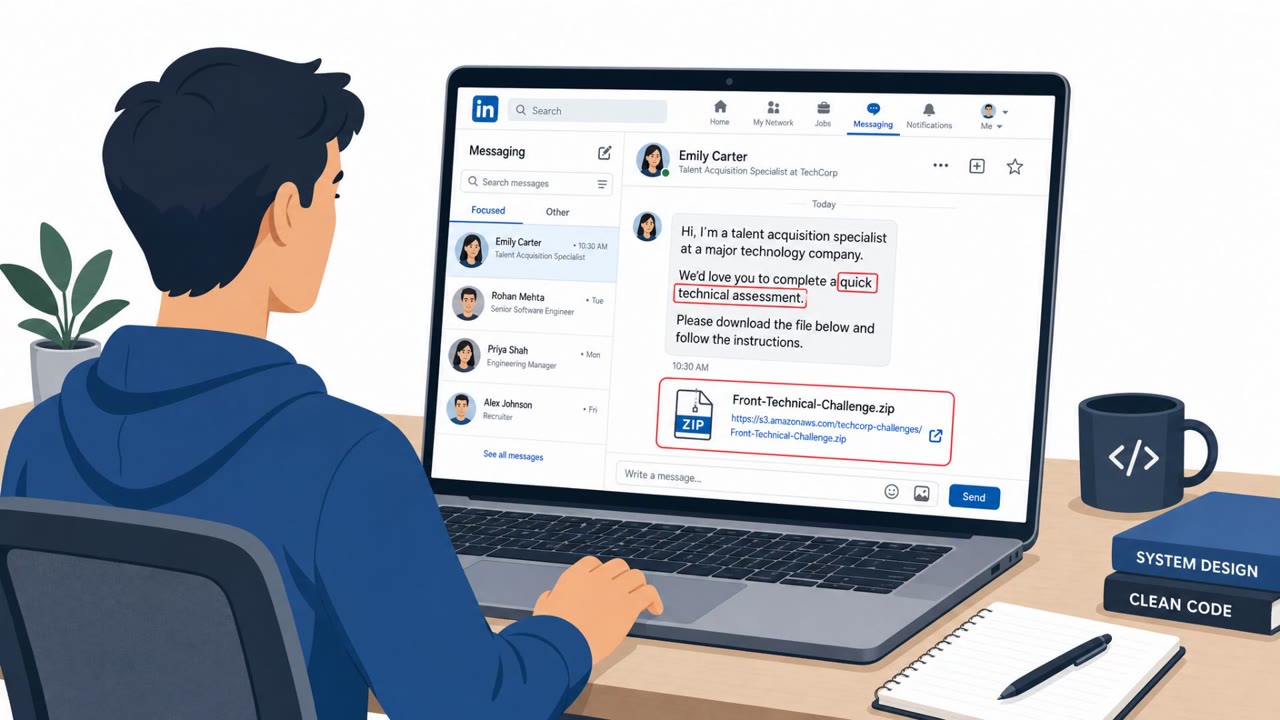
A real phishing campaign is targeting DEF CON speakers and attendees through X/Twitter messages pretending to be a Coindesk executive. Victims are sent to a Google document that attempts a “click-fix” trick to get them to paste malicious commands into a terminal or download malware. The goal is to steal crypto assets and sensitive credentials like authentication tokens and SSH keys.
How the Attack Worked
This campaign targets DEF CON speakers and attendees through direct messages on X/Twitter. The attacker poses as a vice president of Coindesk and proposes collaborating on a future conference, a pretext designed to feel plausible to people who regularly network at industry events. The message includes a link to a Google document that appears to contain collaboration details.
Once the target opens the document, it attempts a click-fix style attack. The victim is instructed to copy and paste a command into a terminal or command shell, framed as a step needed to view or access the content. If that fails to work, the document pushes a direct malware download instead. The resulting payload behaves differently depending on whether the victim is running Windows or macOS, and it can pull down additional stages after the initial infection.
Why It Succeeded
The pretext exploits a real pattern in conference culture: speakers and attendees regularly receive unsolicited outreach about collaboration opportunities, sponsorships, and future events. A message claiming to be from a recognizable media brand's executive fits naturally into that flow, lowering suspicion before the victim even opens the link.
The click-fix mechanic adds a second layer of manipulation. Instead of asking the victim to run an obviously suspicious file, it frames the terminal command as a routine troubleshooting step needed to view the document. That framing can bypass the instinct many people have to avoid downloading executables, since copying and pasting text feels lower-risk than running a program.
What to Watch For
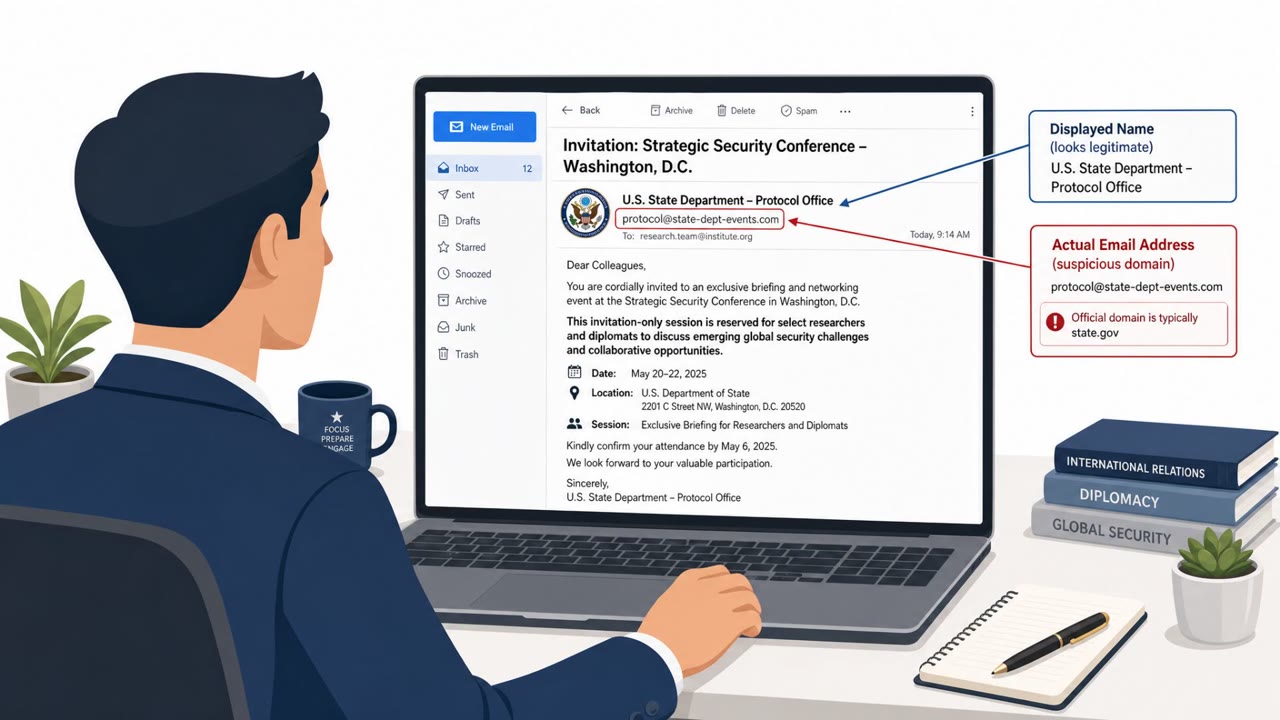
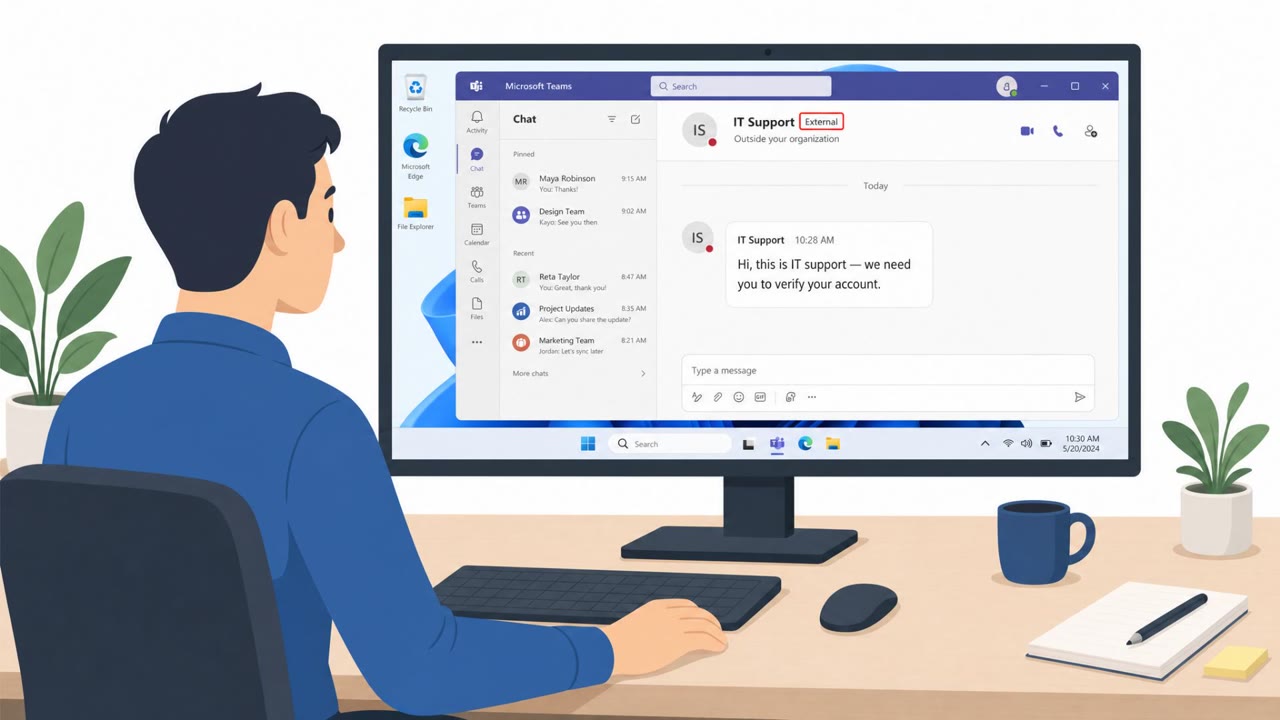
- Unexpected outreach on social media asking you to open a document or link, especially from someone claiming a notable title
- Any document or webpage that instructs you to copy and paste commands into a terminal or command shell to "fix" access or viewing issues
- Pressure to download and run a binary file from an untrusted source
- Vague or mismatched explanations for why terminal access is suddenly required
How to Build Resistance
Treat collaboration requests received through social media DMs as high-risk until verified through a separate, trusted channel, such as a known email address or a direct call. Never paste commands from a document or webpage into a terminal; escalate anything that asks for this to IT or security staff instead of trying to resolve it yourself.
Because the malware in this campaign focuses on stealing cryptocurrency data, authentication tokens, and SSH keys, minimizing stored credentials on endpoints and using strong account controls can limit the damage if a device is compromised. Conference speakers, staff, researchers, engineers, and executives attending industry events should be aware that impersonation of recognizable media or industry figures is part of this pattern, and that verifying identity before clicking is the most effective defense.
Key findings
- DEF CON speakers and attendees are being targeted with phishing messages on X/Twitter.
- Attackers impersonate a “vice president of Coindesk” and propose collaborating on a future conference.
- The lure leads to a Google document that attempts a “click-fix” style attack (copy/paste into a command shell) or pushes a direct malware download.
- The malware focuses on stealing cryptocurrency data and credentials including authentication tokens and SSH keys.
- Payload behavior differs depending on whether the victim is on Windows or macOS and can download additional stages.
Who’s being targeted
- Commonly targeted roles: Conference Speakers, Conference Staff, Security Researchers, Engineering/Developers, Executives attending industry events.
- Affected industries: Cybersecurity (conference speakers/attendees), Technology conferences and events, Media/Publishing (impersonated brand).
- Attack channels: website.
- Impersonated: Vice President of Coindesk, Conference collaborator (via Google Doc instructions).
Red flags to watch for
- Unexpected social-media outreach asking you to open a document/link
- A document instructing you to copy/paste commands into a terminal
- Pressure to download a binary from an untrusted source
- Any document telling you to run commands to ‘fix’ viewing/access
- Instructions that bypass normal security prompts (“just paste this”)
- Vague or mismatched reason for needing terminal access
Frequently asked questions
What is the DEF CON Coindesk phishing campaign?
It is a phishing operation on X/Twitter where attackers impersonate a vice president of Coindesk and invite DEF CON speakers and attendees to collaborate, sending them to a Google document.
What is a click-fix attack?
It is a social engineering technique where a document or webpage instructs the victim to copy and paste commands into a terminal or command shell, which actually runs malware instead of fixing an access problem.
What does the malware in this campaign steal?
The malware payload targets cryptocurrency data, authentication tokens, and SSH keys, and behavior can differ depending on whether the victim is using Windows or macOS.
Who is being targeted by this phishing campaign?
Conference speakers, conference staff, security researchers, engineers and developers, and executives attending industry events are the primary targets.
Read the video transcript
Imagine you’re a DEF CON speaker and get this DM on X: “Hi, I’m the VP at Coindesk. We’d like to collaborate on a future conference. Here’s a Google Doc with details.” You click, and the Google Doc doesn’t pitch content. It tells you: “To view the file, run this command in Terminal or Command Prompt and try again,” or download a file and run it. That’s the whole scam. That “click-fix” command is malware. On Windows or macOS it quietly hunts for crypto wallets, authentication tokens, and SSH keys, basically the keys to your kingdom, then can pull down even more payloads. Here’s the move: if any Google Doc or message tells you to copy and paste a command into Terminal or Command Prompt to ‘fix’ access, stop and send it to IT or Security, do not run it.