Event Invites Used for Real-Time Google AitM Phish

Cisco Talos · High sophistication
Last updated October 8, 2026

Cisco Talos observed an APT spear-phishing campaign targeting people affiliated with Taiwan research organizations using credible-looking public event invitations. Attackers impersonated well-known academic/policy institutions, used mismatched “safe-looking” registration links, and in some cases altered event posters by swapping in malicious QR codes. The phishing infrastructure then redirected victims to a spoofed Google sign-in flow designed to capture credentials and MFA in real time (AitM).

Key findings

  • Targets were individuals affiliated with Taiwan research organizations using “legitimate public event themes” and impersonation of “reputable academic and policy institutions.”
  • Emails used a consistent three-part template with “polished (but overly elaborate)” geopolitical context, targeted flattery, and event logistics to build trust.
  • Registration links were deceptive: “one hyperlink displays a legitimate-looking Google Forms URL, while its underlying href redirects the recipient to a deceptive phishing site.”
  • Attackers extended the lure beyond email by altering real event posters: “the embedded QR codes were maliciously altered,” enabling QR-code phishing (“quishing”).
  • Phishing infrastructure used an “adversary in the middle (AitM)” approach to “interception of credentials and multi-factor authentication (MFA) challenges” via real-time synchronization.

Who’s being targeted

  • Commonly targeted roles: Research staff, Faculty/academics, Executive leadership at research institutes, Administrative assistants / coordinators, Communications and office management teams (poster handling).
  • Affected industries: Research organizations, Higher education / academic institutes, Public policy / think tanks.
  • Attack channels: email, website, physical.
  • Impersonated: Taiwan European Union Centre / NCCU Institute of International Relations / Taiwan Research Institute (impersonated senders), Legitimate event organizers (poster scraped from real websites).

Awareness takeaways

  • Treat event invitations as high-risk: verify the sender identity and the event registration page via official websites, not links inside the email.
  • Hover and verify: a link that *looks* like a trusted service (e.g., Google Forms) can still send you somewhere else.
  • Be cautious with QR codes on posters and printed materials; treat them like clickable links and validate the destination before proceeding.
  • If an “event registration” flow unexpectedly forces a Google login, stop and confirm with the organizer through trusted contact methods.

Red flags to watch for

  • Visible link text looks trustworthy, but the click destination is different (mismatched URL).
  • Overly grand, generic policy language and broad flattery rather than specific knowledge of the recipient.
  • Unexpected Google sign-in prompt during “event registration.”
  • Poster looks authentic but the QR code has been altered.
  • Unsolicited request to print/post materials in the workplace.
  • QR code leads to a login flow that resembles Google sign-in, not an event registration confirmation.
Try Mirage

Mirage safely runs attacks like this one against your own team, so you find out what happens before a real adversary does.

Get a demo
Read the video transcript

You get an invite from a big-name institute to a Taiwan policy event, with a Google Forms registration link. Looks legit, right? Here’s the trick: the text says Google Forms, but the actual link goes to a phishing site that impersonates a form, then forces a fake Google login to steal your password and MFA in real time. They even swap QR codes on event posters, so a printed invite on your bulletin board can send you into the same fake Google sign-in. One overly grand, generic pitch plus an unexpected Google login is your red flag. If any event invite pushes you into a Google login, stop. Don’t log in there, go to the organizer’s official site or known contact and confirm the event first.

Similar attacks

Fake Advisors, ClickFix, and Chrome Sync Spying

Fake Advisors, ClickFix, and Chrome Sync Spying

This roundup describes several real-world social-engineering and human-abuse techniques, including trojanized “installer” lures (ClickFix), large-scale phone-based investment fraud, and stalkers misusing Chrome Sync after brief physical access. The items include clear workflows that can be turned…

July 16, 2026
Fake “AI Ads” Sites Use Browser-in-Browser Login Trap

Fake “AI Ads” Sites Use Browser-in-Browser Login Trap

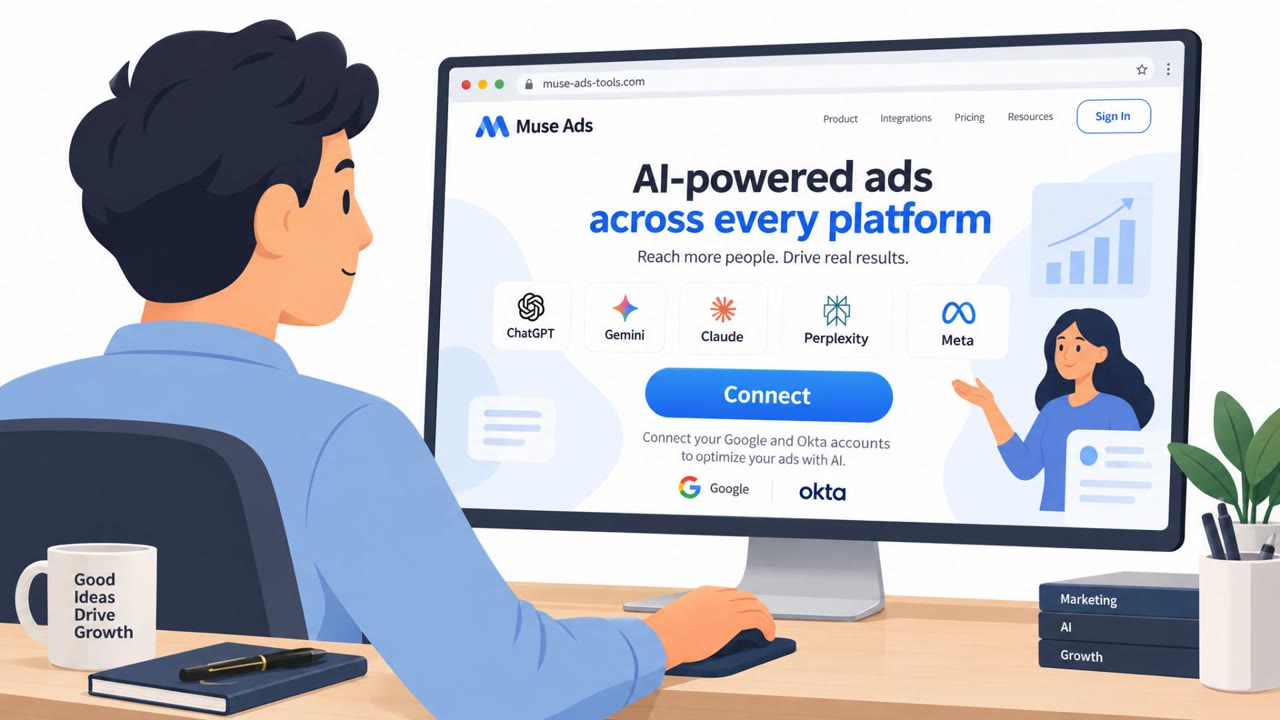
Researchers found a real phishing operation that pretends to offer AI marketing tools (e.g., “Muse Ads”) and prompts users to click “Connect” to log in. The login pop-up looks like Google or Okta, but it’s a fake browser window embedded inside the webpage, designed to steal passwords and MFA codes,…

October 8, 2026
Chinese Spy Phish + Airmen BEC Sentenced

Chinese Spy Phish + Airmen BEC Sentenced

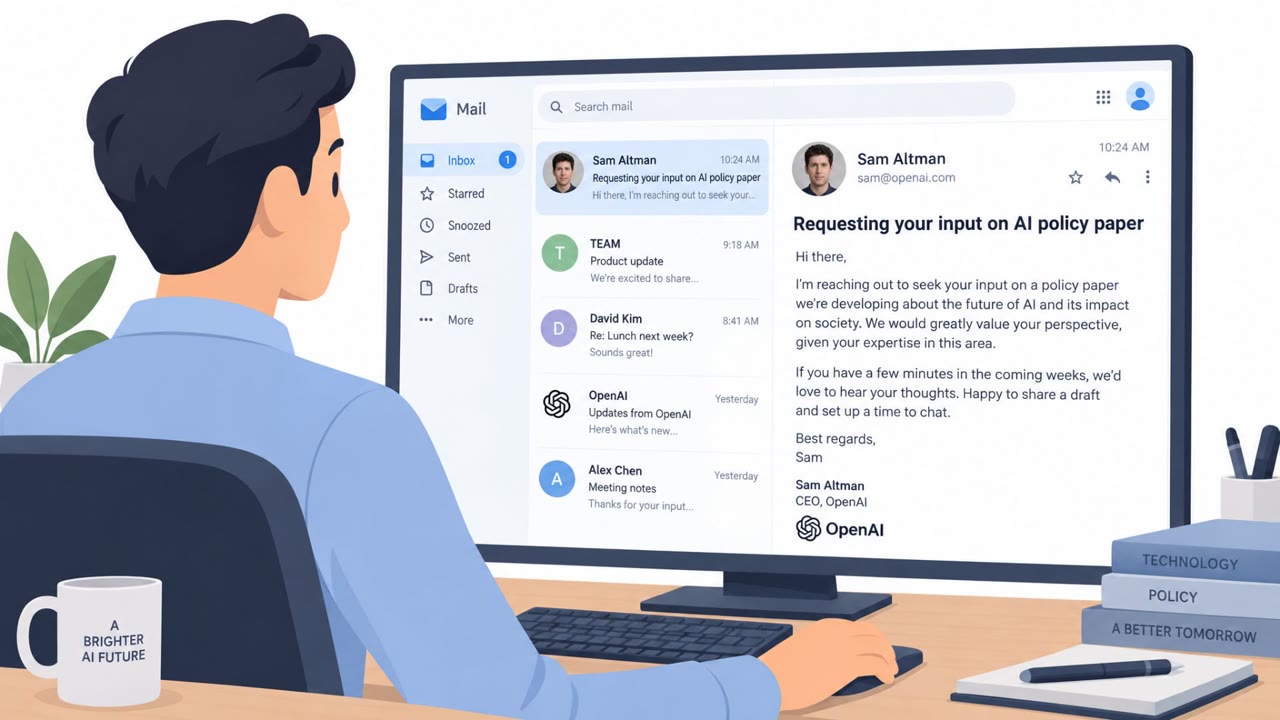
A China-aligned group (TA419) impersonated well-known U.S. figures to lure AI policy experts into a fake OneDrive/Microsoft 365 login that could steal session cookies even when MFA is enabled. Separately, two U.S. airmen were sentenced for a multi-year business email compromise scheme where they…

October 2, 2026
Fake ChatGPT Invoice Email Steals Logins

Fake ChatGPT Invoice Email Steals Logins

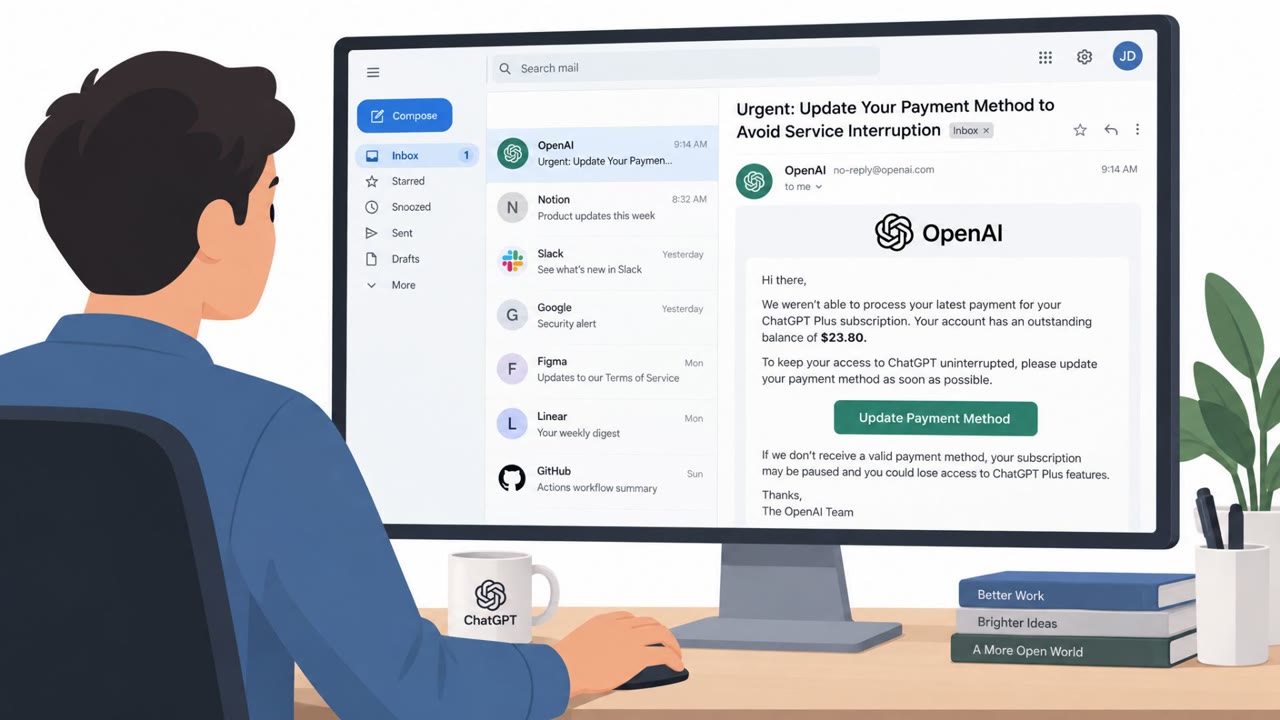
Attackers are sending fake ChatGPT billing emails that pressure people to “update payment” within 48 hours to avoid service interruption. The message links to a convincing look‑alike ChatGPT login page via a Google redirect, aiming to steal OpenAI credentials.

September 18, 2026
DocuSign Share Lure Steals Microsoft 365 Sessions

DocuSign Share Lure Steals Microsoft 365 Sessions

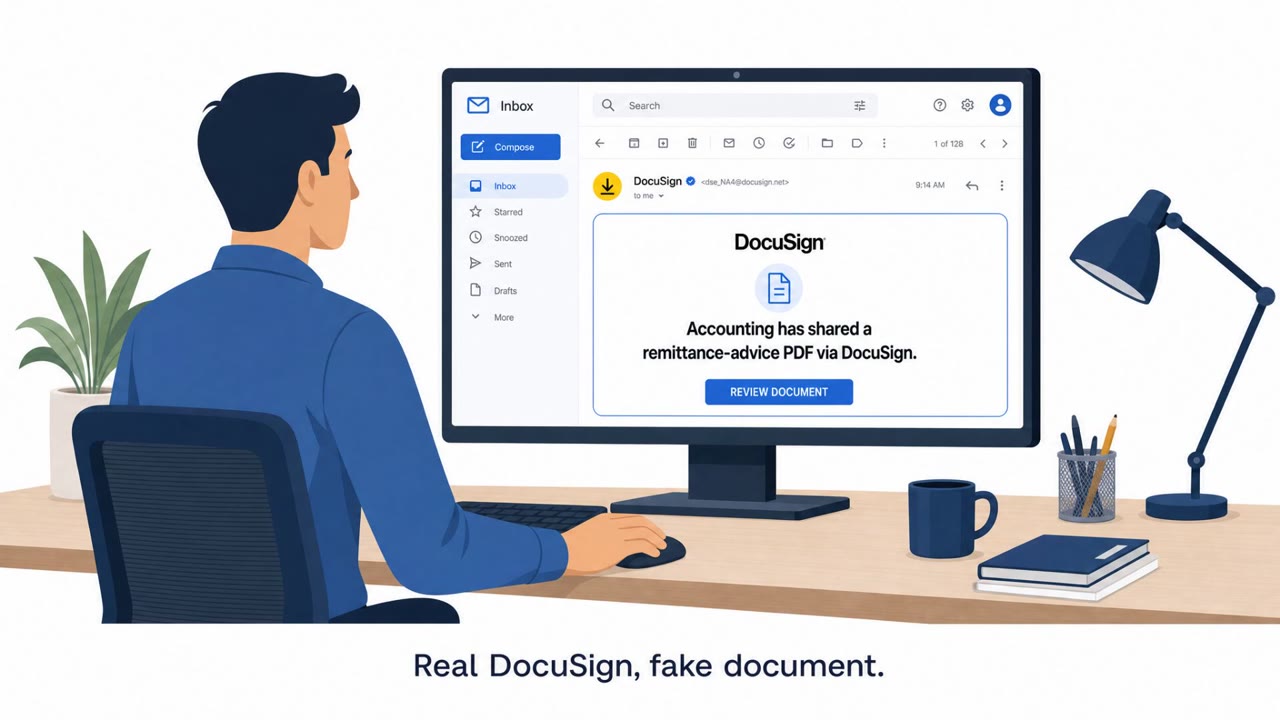
Researchers described an active phishing operation using real DocuSign notifications to trick employees into opening a fake “remittance-advice” document and clicking a hidden malicious link. The attack routes victims through legitimate Microsoft/Google pages before landing on an…

August 28, 2026
Recruitment Emails Hide BitB Google/Facebook Traps

Recruitment Emails Hide BitB Google/Facebook Traps

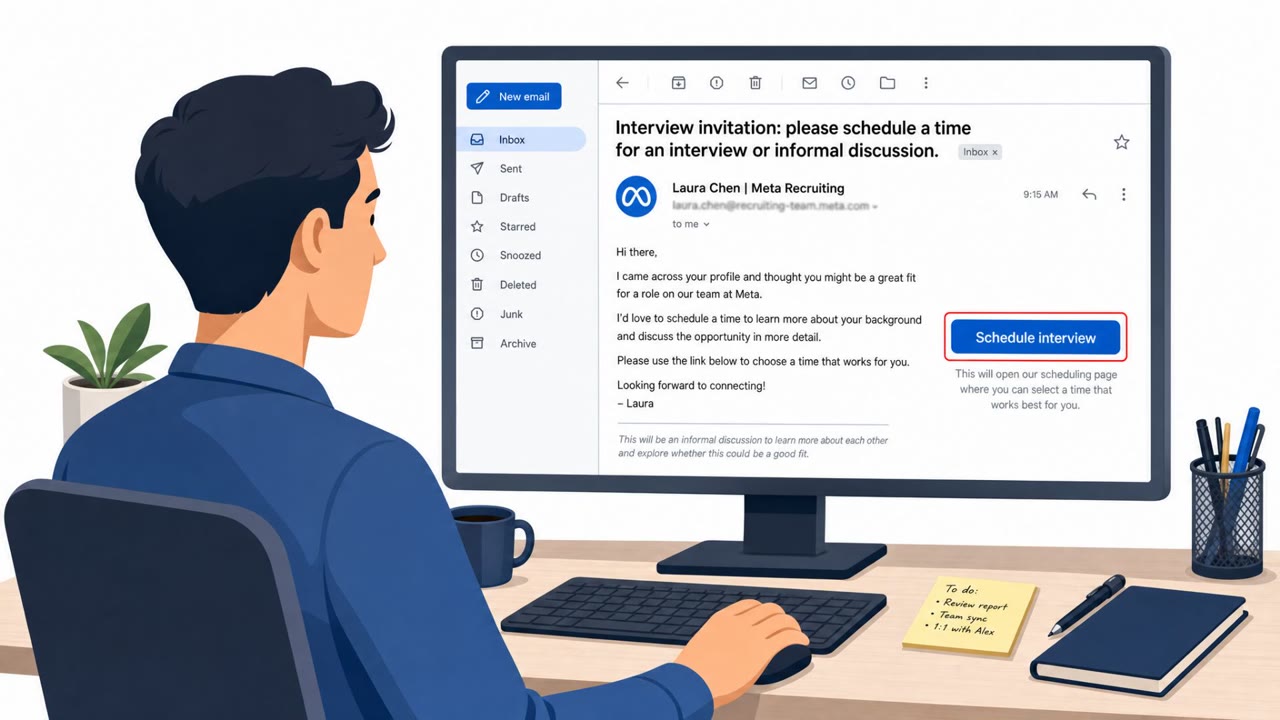
Researchers found a large recruitment-themed phishing campaign where victims receive unsolicited interview invites and are sent to fake scheduling or recruitment pages. The pages use “Browser-in-the-Browser” fake login popups to steal Google/Facebook passwords and, in some cases, capture MFA codes…

August 17, 2026