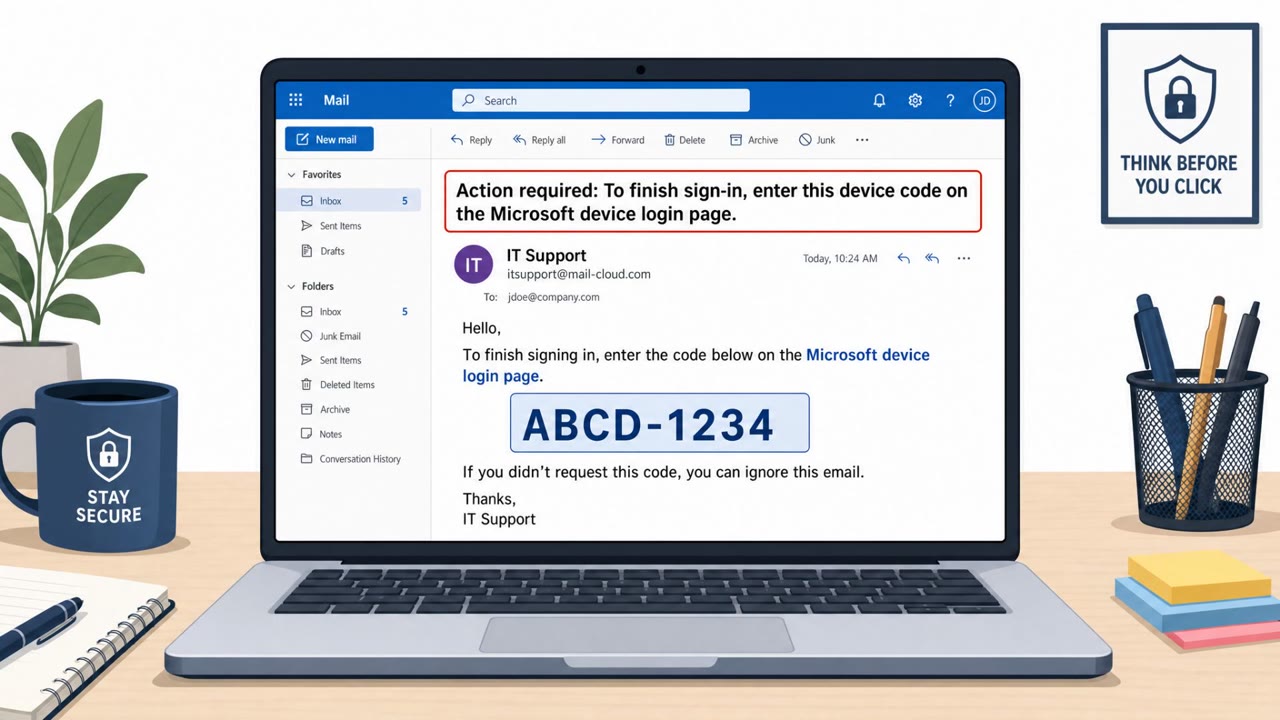
EvilTokens Uses AI to Speed Up Fraud

CSO Online · High sophistication
Last updated October 26, 2026

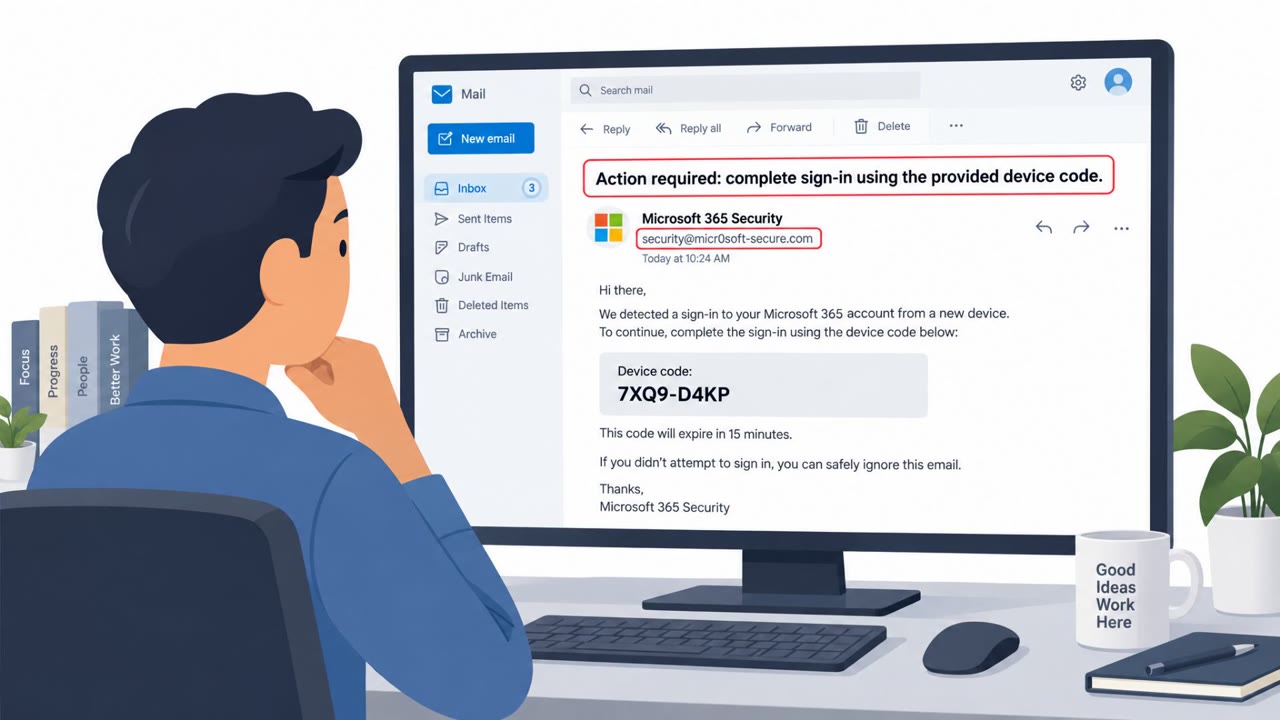
EvilTokens is a real phishing-as-a-service operation that abuses Microsoft’s device-code sign-in process to persuade victims to grant access to their Microsoft 365 accounts. After access is granted, its AI analyzes inboxes and business relationships, identifies people involved in payments, and drafts fraud messages based on real conversations.

Key findings

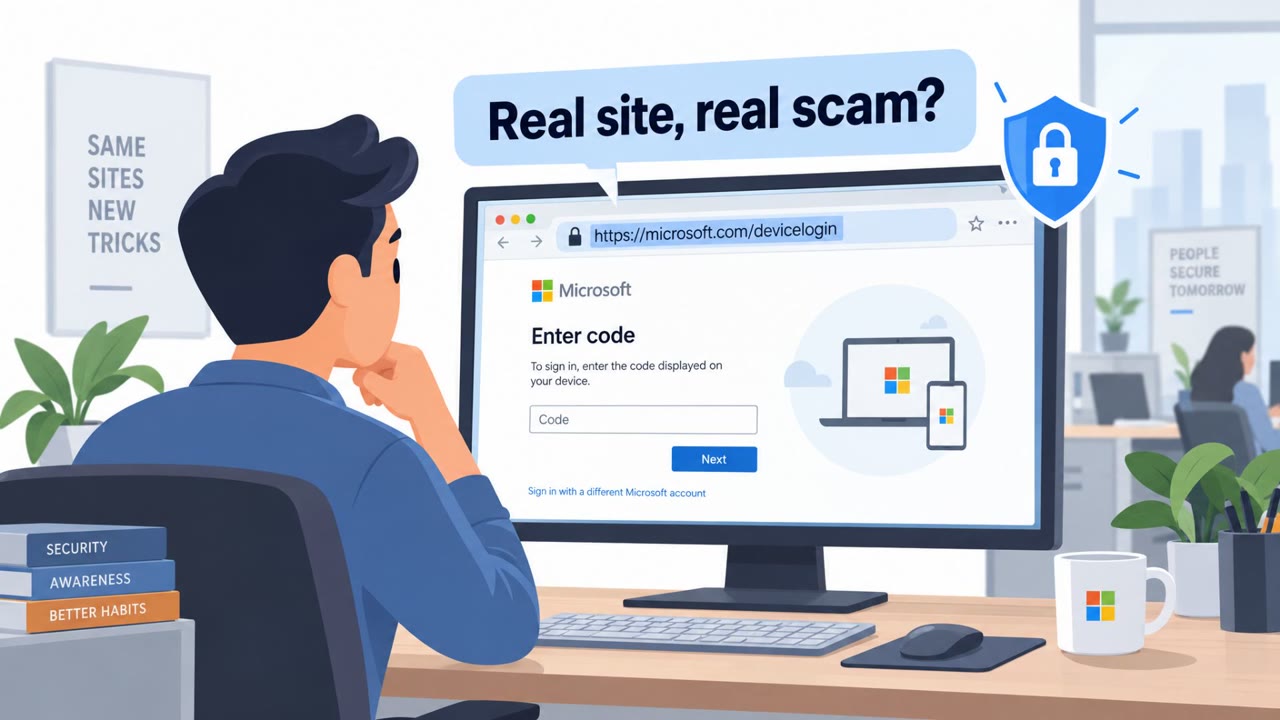
  • EvilTokens abuses the legitimate OAuth 2.0 device authorization grant flow rather than relying on a fake login page.
  • Victims are persuaded to authorize attacker access to Microsoft accounts without providing their passwords.
  • Once inside a mailbox, AI can identify payment owners, trusted business relationships, and invoice or transaction opportunities.
  • The service can recommend impersonation targets and draft fraud messages based on genuine business conversations.
  • Microsoft attributed the operation to Storm-2992 and said AI was used at every stage of the attack chain.

Who’s being targeted

  • Commonly targeted roles: All Microsoft 365 users, Finance and accounts payable teams, Payment approvers, Executives, IT and identity teams.
  • Affected industries: Organizations using Microsoft 365, Finance and accounts payable functions, Organizations with invoice-based supplier relationships.
  • Attack channels: website, email.
  • Impersonated: Microsoft account sign-in or device authorization service, A trusted business contact or payment-related contact.

Awareness takeaways

  • Treat unexpected device-authorization prompts as suspicious, especially if you did not start a sign-in or connect a device yourself.
  • Do not assume a payment or invoice email is safe just because it appears within an existing business conversation; verify sensitive requests through a known, independent contact method.
  • Finance teams should use established verification procedures for payment changes, invoices, and unusual transaction requests.
  • Report suspected account-authorization activity quickly, because AI-assisted attackers can rapidly expand what they can access after gaining an initial foothold.

Red flags to watch for

  • The request authorizes a device or application the employee did not initiate.
  • The user is asked to approve access rather than sign in through their normal work process.
  • Approval could grant mailbox access without requiring the employee to share a password.
  • The message requests payment action or changed transaction details unexpectedly.
  • It relies on trust from an existing supplier or business conversation.
  • The wording may appear highly convincing because it is based on real mailbox content.
Try Mirage

Mirage safely runs attacks like this one against your own team, so you find out what happens before a real adversary does.

Get a demo
Read the video transcript

“Authorize this device to access your Microsoft account.” Didn’t start that sign-in? EvilTokens exploits Microsoft’s real OAuth device-code flow. Approve a device you don’t recognize, and someone else can access your Microsoft 365 mailbox, without your password. Here’s the twist: its AI reads real conversations, finds who handles payments, then drafts an invoice email that sounds like your trusted supplier. The giveaway isn’t a bad password page. It’s a device request you never started. Don’t approve it.

MITRE ATT&CK techniques

Similar attacks

Device Code Phishing: MFA Bypass at Scale

Device Code Phishing: MFA Bypass at Scale

This article describes real-world “device code phishing” campaigns where victims are tricked into approving an OAuth device login, granting attackers access without stealing passwords. It highlights rapid criminal adoption via phishing-as-a-service kits and notes heavy targeting of Microsoft…

July 31, 2026
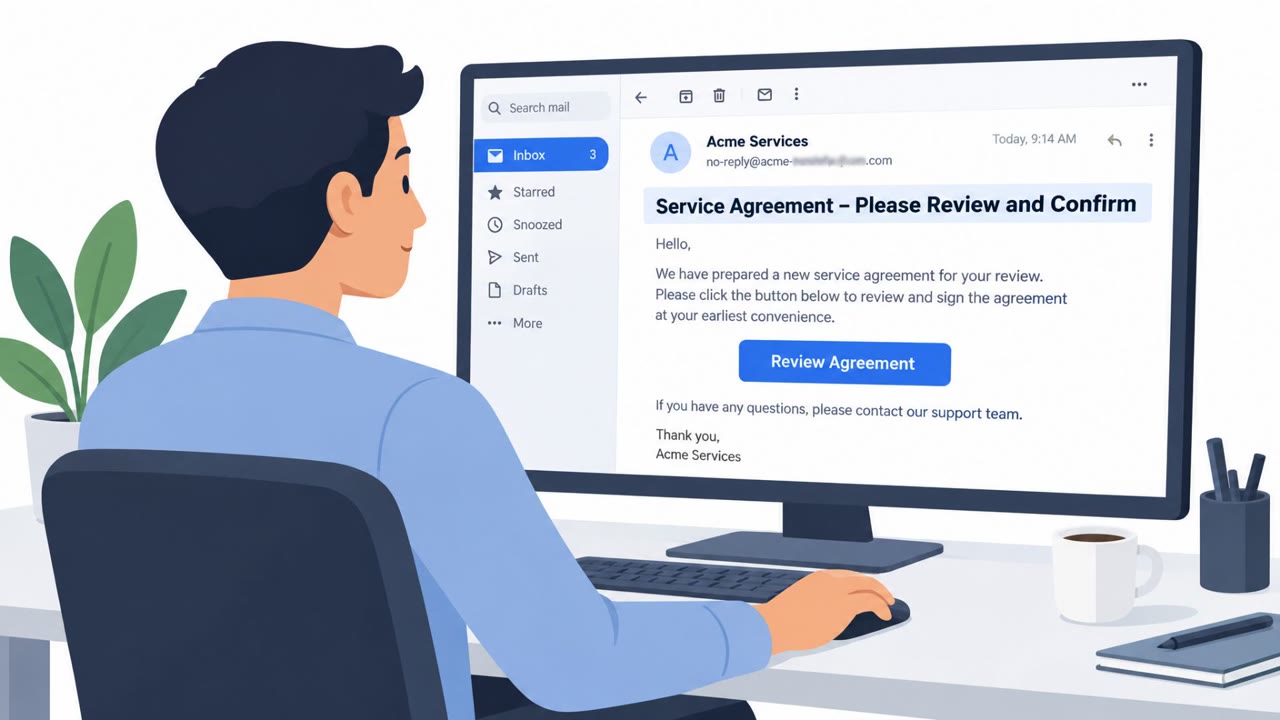
Fake Agreements Hide RMM Backdoors as “Normal IT”

Fake Agreements Hide RMM Backdoors as “Normal IT”

Huntress reports attackers are increasingly installing legitimate remote monitoring and management (RMM) tools after a phishing click, giving them persistent remote control that can blend in with normal IT activity. The article also describes common identity-focused schemes like hidden mailbox…

October 5, 2026
Phishing Gets Smarter: QR Codes, Tokens, Deepfakes

Phishing Gets Smarter: QR Codes, Tokens, Deepfakes

The article describes how real-world phishing and social engineering are evolving to bypass the checks employees are trained to use (bad grammar, suspicious URLs, obvious fake login pages). It highlights specific, observed attack workflows including QR-code “device hop” phishing, OAuth token theft…

September 29, 2026
EvilTokens Device-Code Phishing Hits 12K Inboxes

EvilTokens Device-Code Phishing Hits 12K Inboxes

Microsoft says it disrupted “EvilTokens,” an AI-powered phishing-as-a-service operation used to break into email accounts at scale. The service automated device-code login phishing end-to-end, helping criminals steal authentication tokens and enable business email compromise across more than 10,000…

September 25, 2026
EvilTokens MFA Phish Hijacked 12,000 Inboxes

EvilTokens MFA Phish Hijacked 12,000 Inboxes

Microsoft and partners disrupted “EvilTokens,” a phishing service that helped criminals break into more than 12,000 mailboxes across 10,000+ organizations. Victims were tricked into entering an authentication code on a real Microsoft sign-in page, letting attackers capture access tokens and get…

September 23, 2026
Device-Code Phishing Service Hit After 12K Breaches

Device-Code Phishing Service Hit After 12K Breaches

Microsoft and partners disrupted “EvilTokens,” a phishing-as-a-service platform Microsoft links to over 12,000 compromised inboxes across more than 10,000 organizations. The service used deceptive emails to trick people into pasting a “device code” into Microsoft’s real sign-in page…

September 22, 2026