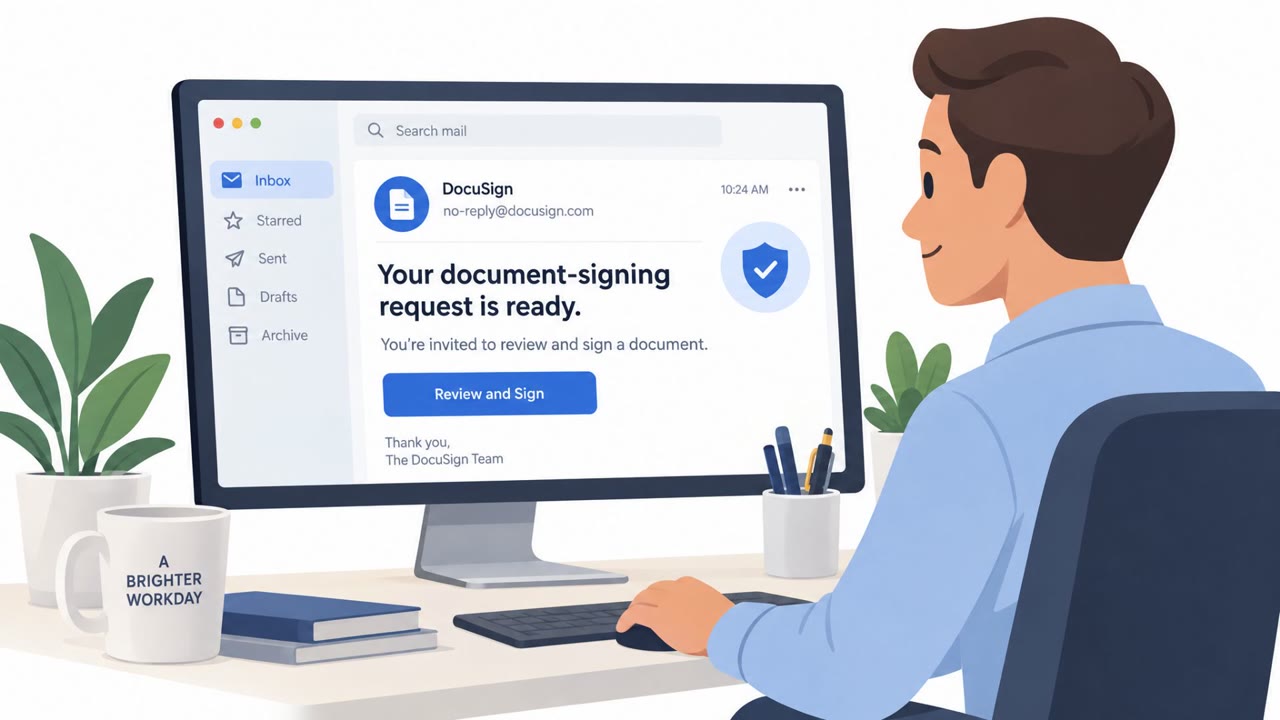
Fake Calendar Invites Steal Microsoft Logins

Check Point Research · Medium sophistication
Last updated October 19, 2026

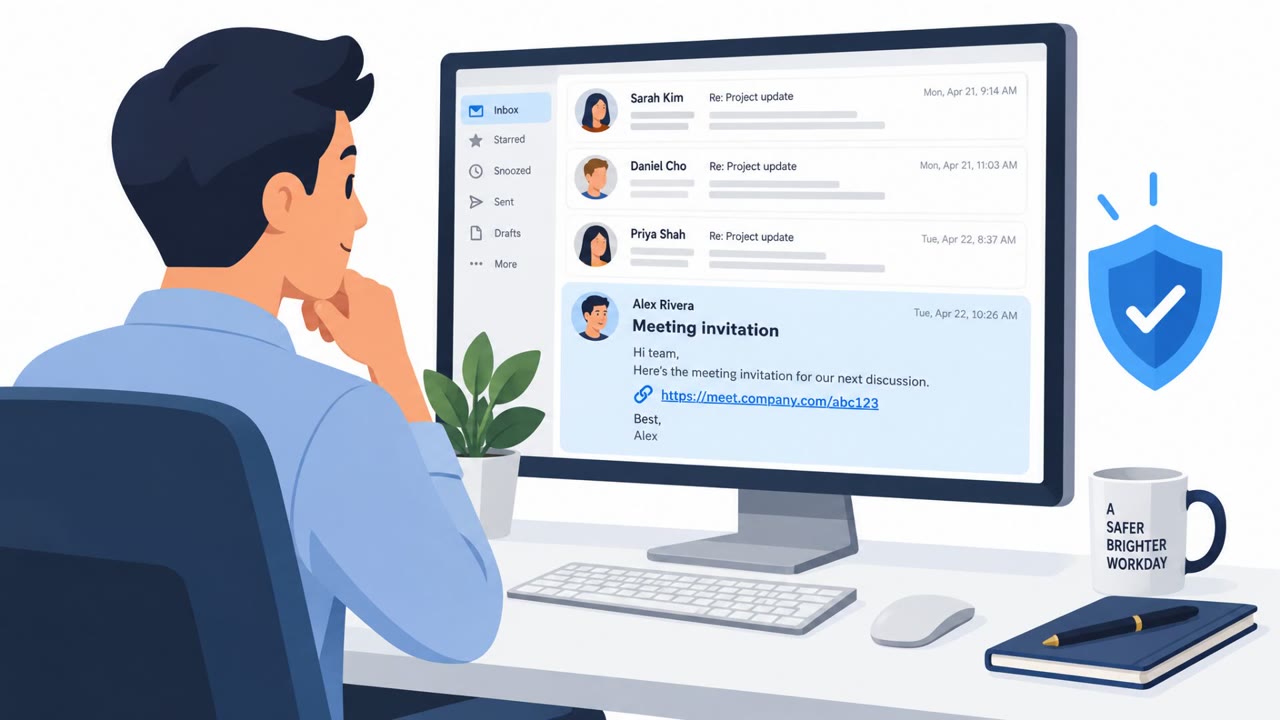
Check Point researchers identified a large credential-phishing campaign that used counterfeit calendar invitations to send people to fake Microsoft sign-in pages. The campaign used calendar attachments and deceptive meeting links, and targeted more than 40,000 organizations with over 302,000 phishing emails.

Key findings

  • Counterfeit calendar invitations were used to direct recipients to credential-harvesting pages.
  • The invitations contained either calendar attachments or deceptive meeting links.
  • Researchers identified more than 302,000 unique phishing emails targeting over 40,000 organizations.

Who’s being targeted

  • Commonly targeted roles: All employees, Executive assistants, Administrative staff, Executives, Microsoft 365 users.
  • Affected industries: Multiple industries.
  • Attack channels: email.
  • Impersonated: Microsoft meeting or calendar service.

Awareness takeaways

  • Treat unexpected calendar invitations like other suspicious messages: confirm the organizer and purpose before opening an attachment or following a meeting link.
  • Do not enter Microsoft credentials after following an unexpected meeting link; instead, navigate to Microsoft services using a known bookmark or trusted application.
  • Train all staff, not only technical teams, to recognize calendar invitations as a potential phishing delivery method.

Red flags to watch for

  • An unexpected calendar invitation or meeting request.
  • A meeting link sends the user to a sign-in page instead of a normal meeting page.
  • The invitation asks for Microsoft credentials when the user did not expect to reauthenticate.
Try Mirage

Mirage safely runs attacks like this one against your own team, so you find out what happens before a real adversary does.

Get a demo
Read the video transcript

That unexpected meeting invite? It could be a Microsoft login trap. It says, ‘You have been invited to a meeting.’ Open the calendar attachment or click the meeting link, and a fake Microsoft sign-in page asks for your password. Here’s the giveaway: you expected meeting details, not a login. Check Point found over 302,000 phishing emails targeting more than 40,000 organizations. Unexpected invite asking you to sign in? Skip that link. Open your trusted calendar app to check the meeting.

MITRE ATT&CK techniques

T1566.002 - Phishing: Spearphishing Link · PhishingT1566.001 - Phishing: Spearphishing Attachment · PhishingT1204.001 - User Execution: Malicious Link · User ExecutionT1204.002 - User Execution: Malicious File · User ExecutionT1056.003 - Input Capture: Web Portal Capture

Similar attacks

AI-Crafted Emails Hide the Usual Warning Signs

AI-Crafted Emails Hide the Usual Warning Signs

Proofpoint described real campaigns where attackers used highly tailored, AI-style messages to make phishing and payment fraud requests appear routine. Examples included property enquiries that led to malicious meeting invitations, device-code phishing pages disguised as business services, and fake…

October 21, 2026
OAuth Phishing Turns MFA Into a Bypass

OAuth Phishing Turns MFA Into a Bypass

Attackers are using real OAuth sign-in and consent flows to steal access tokens or trick users into authorizing malicious apps. Because the victim signs in through a legitimate identity provider and completes MFA, attackers can gain durable access that may survive password resets. The article…

October 22, 2026
Attackers Hide Malware in Trusted Email Threads

Attackers Hide Malware in Trusted Email Threads

Threat actors are hijacking existing email conversations, or patiently starting new ones, to build trust before sending a malicious reply. The final message commonly poses as a meeting invitation, secure message, shared file, or important document and leads to credential theft or remote-access…

October 21, 2026
Fake Bid Emails Abuse Microsoft Device Codes

Fake Bid Emails Abuse Microsoft Device Codes

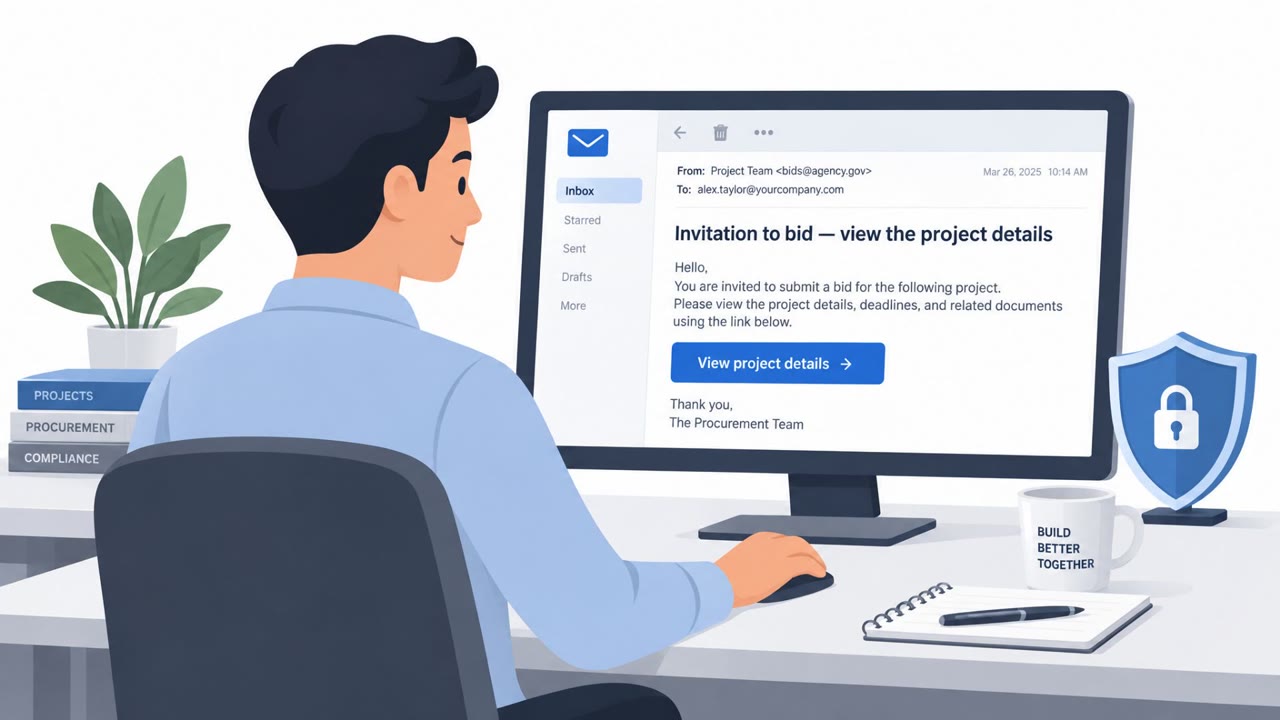
Cofense analyzed real phishing emails disguised as bidding invitations. The emails send recipients to fake, branded login and device-enrollment pages, then trick them into entering a device code in a genuine Microsoft prompt. Doing so can authorize an attacker’s session without giving them the…

October 20, 2026
Hijacked CDU Mailbox Sends 6,500 Phishing Emails

Hijacked CDU Mailbox Sends 6,500 Phishing Emails

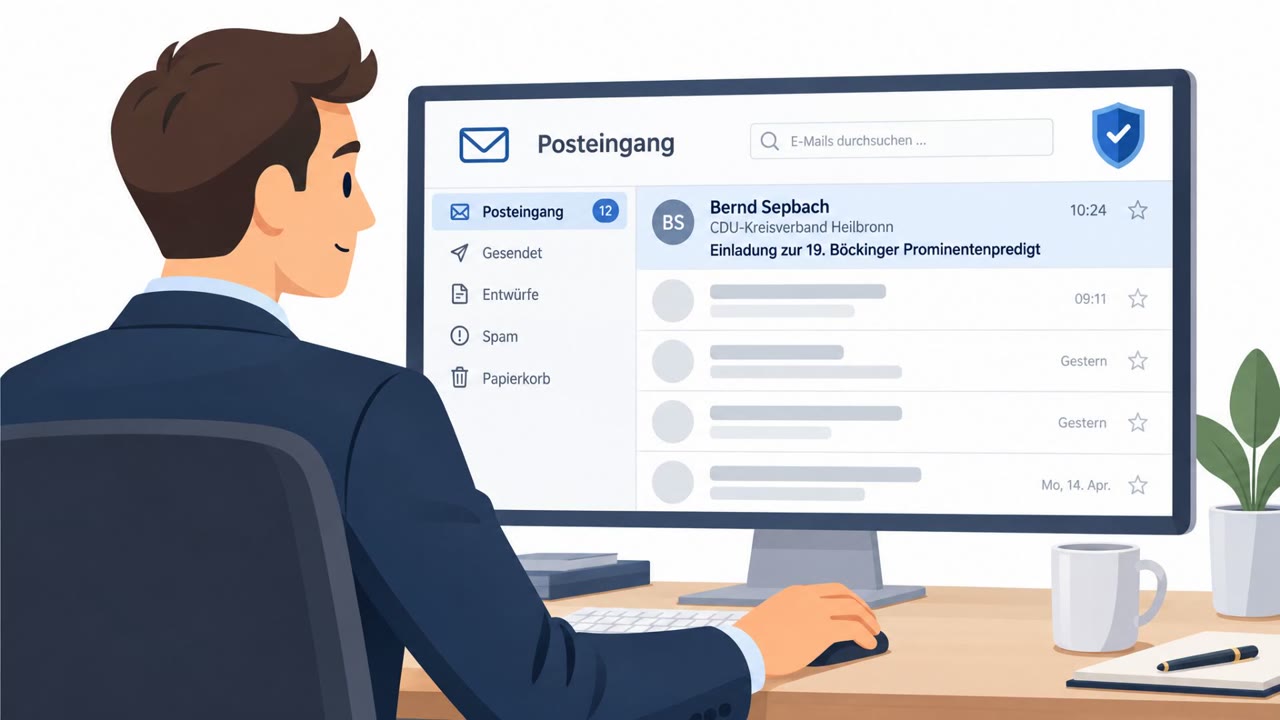
Attackers broke into the email account of a CDU Heilbronn district executive and used the trusted mailbox to send roughly 6,500 fake messages. The emails used an event invitation as a lure and directed recipients to a link for a supposed document, making this a credible internal-email phishing…

October 17, 2026
Russian Hackers Wipe Ukrainian Grain Firm

Russian Hackers Wipe Ukrainian Grain Firm

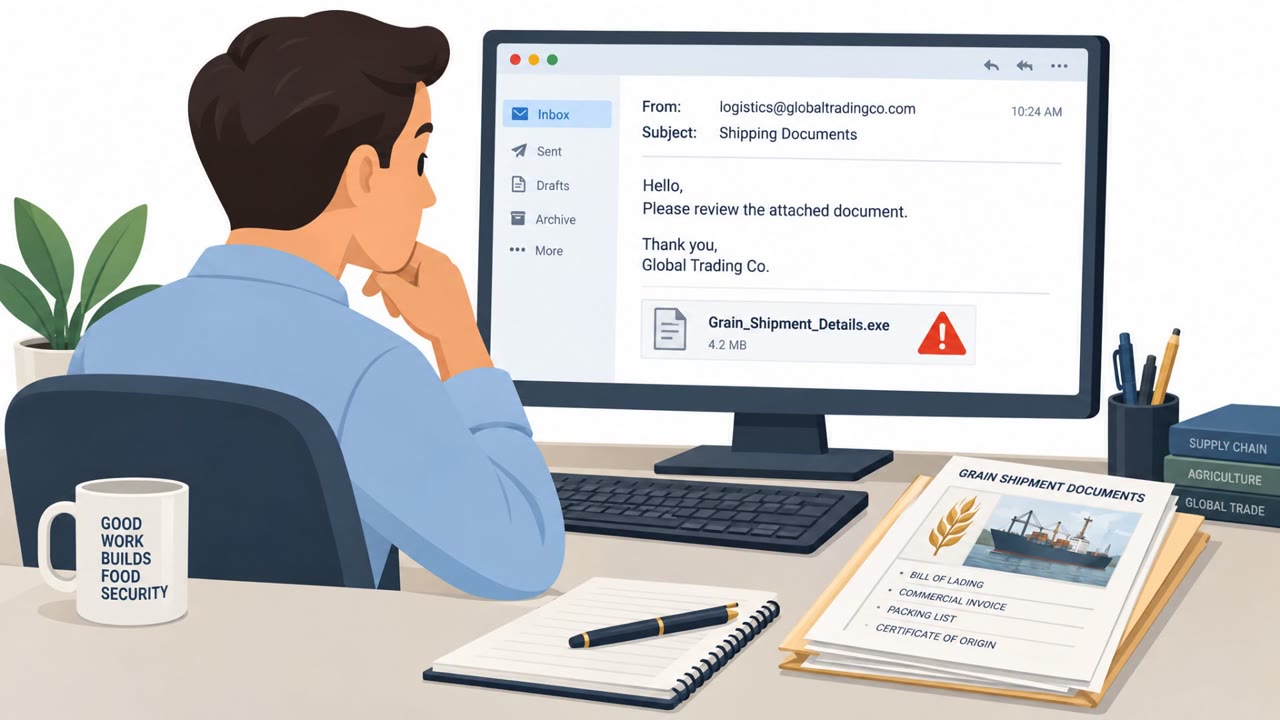
Russian-linked group UAC-0099 reportedly used a phishing email with a malicious attachment to enter the network of an unnamed Ukrainian grain logistics company. Researchers believe the group then handed access to Sandworm, which carried out a data-wiping attack two months later, disrupting the…

October 22, 2026