Russian Hackers Wipe Ukrainian Grain Firm

The Record · High sophistication
Last updated October 22, 2026

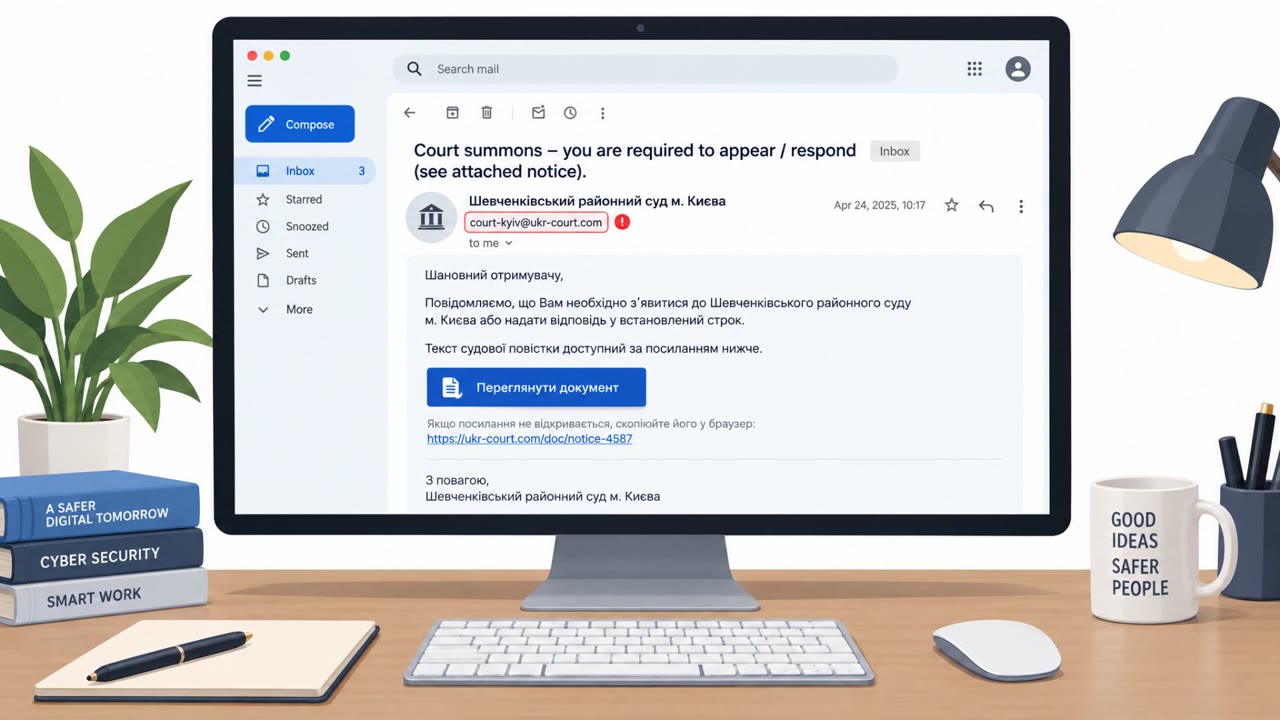
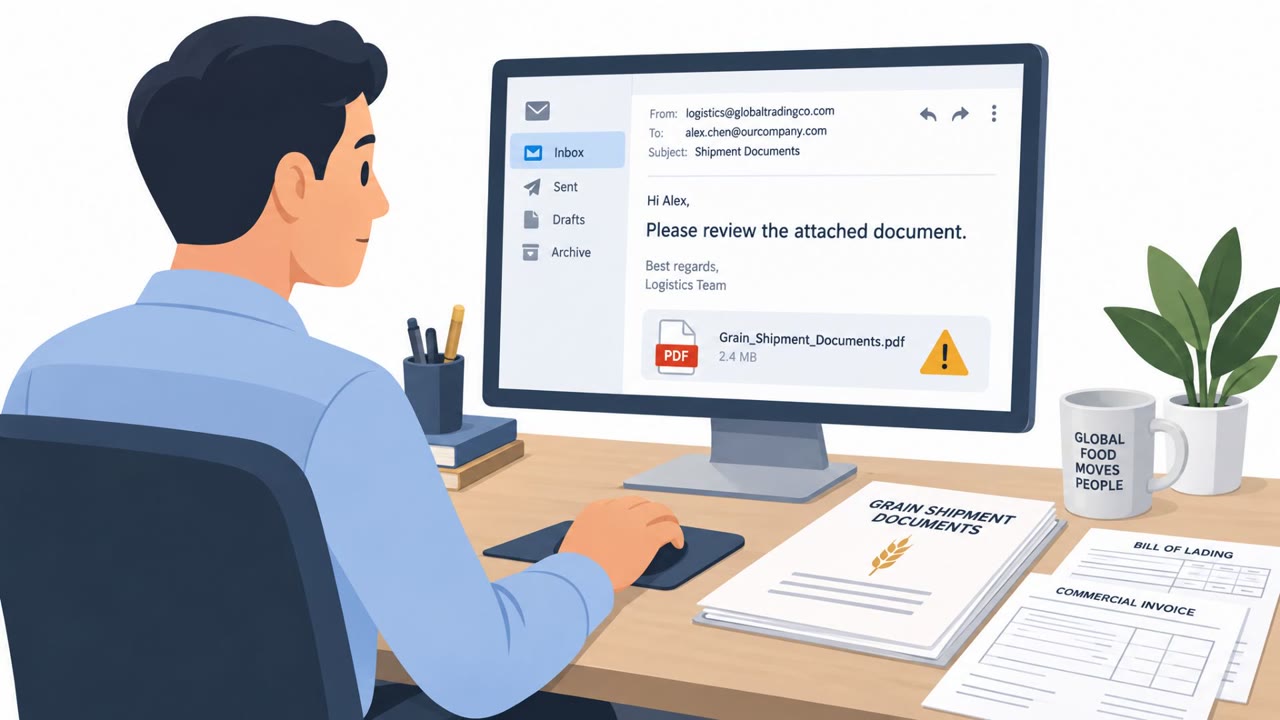
Russian-linked group UAC-0099 reportedly used a phishing email with a malicious attachment to enter the network of an unnamed Ukrainian grain logistics company. Researchers believe the group then handed access to Sandworm, which carried out a data-wiping attack two months later, disrupting the victim rather than seeking a ransom.

Key findings

  • UAC-0099 reportedly gained access to an unnamed Ukrainian grain logistics company through a phishing email carrying a malicious attachment.
  • The attackers installed the MatchWok backdoor, then deployed the previously unknown MythicRatatoskr tool for remote commands, file theft, and screenshots.
  • Researchers believe UAC-0099 handed access to Sandworm, which conducted a data-wiping operation approximately two months later.
  • The malware used the decentralized Yggdrasil network for encrypted communications, making the attackers' infrastructure harder to trace.
  • The incident illustrates a reported handoff between Russian-aligned espionage and destructive-attack groups.

Who’s being targeted

  • Commonly targeted roles: Logistics and operations staff, Employees who receive external documents, IT and security teams, Business leaders responsible for operational continuity.
  • Affected industries: Grain logistics, Agriculture, Transportation and logistics.
  • Attack channels: email.
  • Impersonated: Not specified in the article.

Awareness takeaways

  • Treat unexpected email attachments as potentially dangerous, even when they appear related to normal business activity.
  • Verify unexpected documents using a known contact method before opening them, especially in logistics and operational workflows.
  • Report suspicious emails promptly; a single opened attachment can provide attackers a foothold that enables later disruption.

Red flags to watch for

  • An unexpected attachment
  • The sender or business context cannot be independently verified
  • The message asks the recipient to open a file without a clear, expected business reason
Try Mirage

Mirage safely runs attacks like this one against your own team, so you find out what happens before a real adversary does.

Get a demo
Read the video transcript

“Please review the attached document.” That’s how this started. At a Ukrainian grain logistics firm, a phishing attachment let UAC-0099 in. MatchWok kept access; MythicRatatoskr enabled remote commands, file theft, and screenshots. Here’s the twist: researchers believe that access passed to Sandworm. About two months later, it wiped data. One routine-looking file became a delayed disruption. Unexpected document, even about a shipment? Before opening it, call the sender using a number you already know.

MITRE ATT&CK techniques

T1566.001 - Phishing: Spearphishing Attachment · PhishingT1204.002 - User Execution: Malicious File · User Execution

Similar attacks

Fake Calendar Invites Steal Microsoft Logins

Fake Calendar Invites Steal Microsoft Logins

Check Point researchers identified a large credential-phishing campaign that used counterfeit calendar invitations to send people to fake Microsoft sign-in pages. The campaign used calendar attachments and deceptive meeting links, and targeted more than 40,000 organizations with over 302,000…

October 19, 2026
Phishing Opened Door for Sandworm Wiper Attack

Phishing Opened Door for Sandworm Wiper Attack

A Ukraine-based grain logistics company was breached through a spearphishing email carrying a malicious attachment. UAC-0099 used the access to install backdoors, then handed access to Sandworm, which later deployed a data-wiping attack. The initial email attachment is a realistic…

October 23, 2026
ClickFix CAPTCHA Lures Users Into Running Malware

ClickFix CAPTCHA Lures Users Into Running Malware

This article describes a real and growing social-engineering technique called ClickFix, where attackers disguise malicious instructions as a familiar CAPTCHA or verification step. In one documented case, a fake free image-editing tool prompted victims to run code that installed malware designed to…

October 19, 2026
Fake Court Summons Phish Drops MatchBoil Malware

Fake Court Summons Phish Drops MatchBoil Malware

Researchers say the Russia-aligned group UAC-0099 has been phishing Ukrainian organizations with malicious links that install a data-harvesting malware called MatchBoil. The emails have included lures like fake Ukrainian court summonses, and clicking the link leads to downloading an archive that…

October 8, 2026
Lazarus Uses Fake Résumés to Target South Korea

Lazarus Uses Fake Résumés to Target South Korea

Lazarus targeted South Korean organizations with spear-phishing emails that linked to fake, tailored résumé, portfolio, and interior-design websites. Visiting the sites likely triggered an infection through commonly required financial-security software, allowing the attackers to install malware…

October 21, 2026
Fake Job Offers Spread Lazarus Zero-Day Attack

Fake Job Offers Spread Lazarus Zero-Day Attack

Researchers describe a real, ongoing Lazarus-linked campaign where targets are lured with attractive job offers and tricked into downloading a PDF viewer and “job description” documents. Opening the files installs backdoors and, in at least one wave, attackers used a Windows zero-day to gain deep…

August 11, 2026