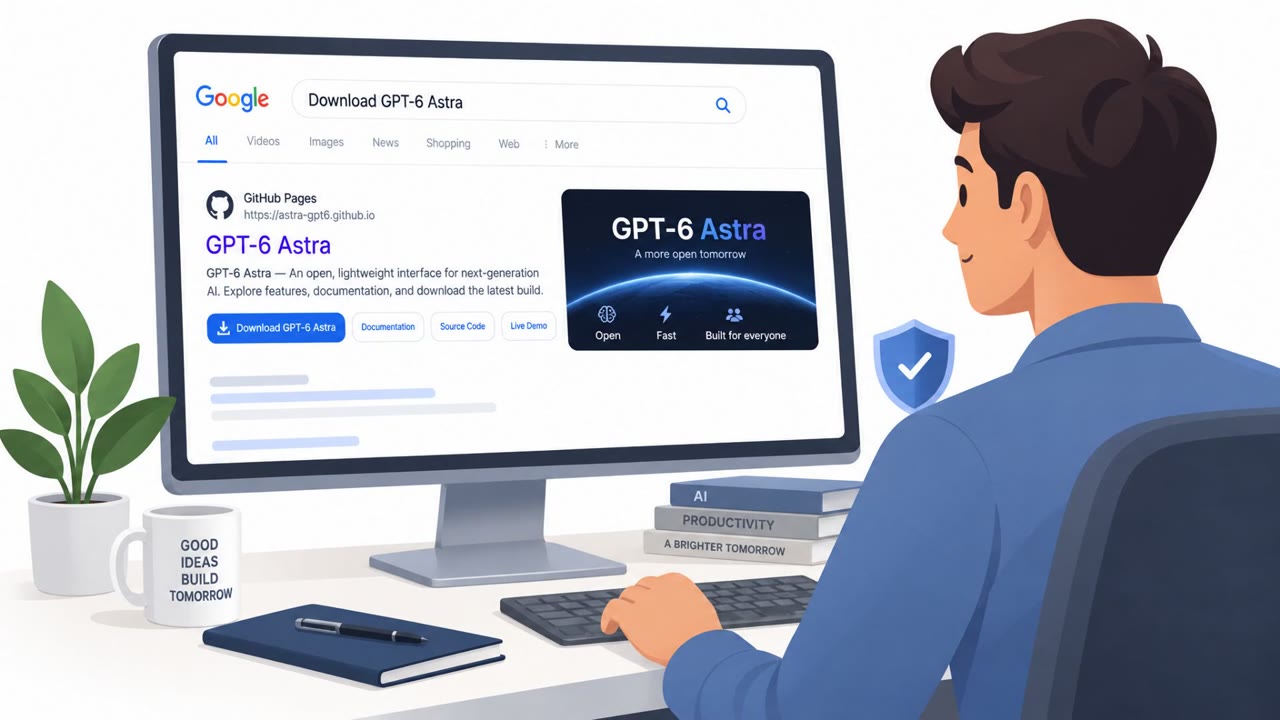
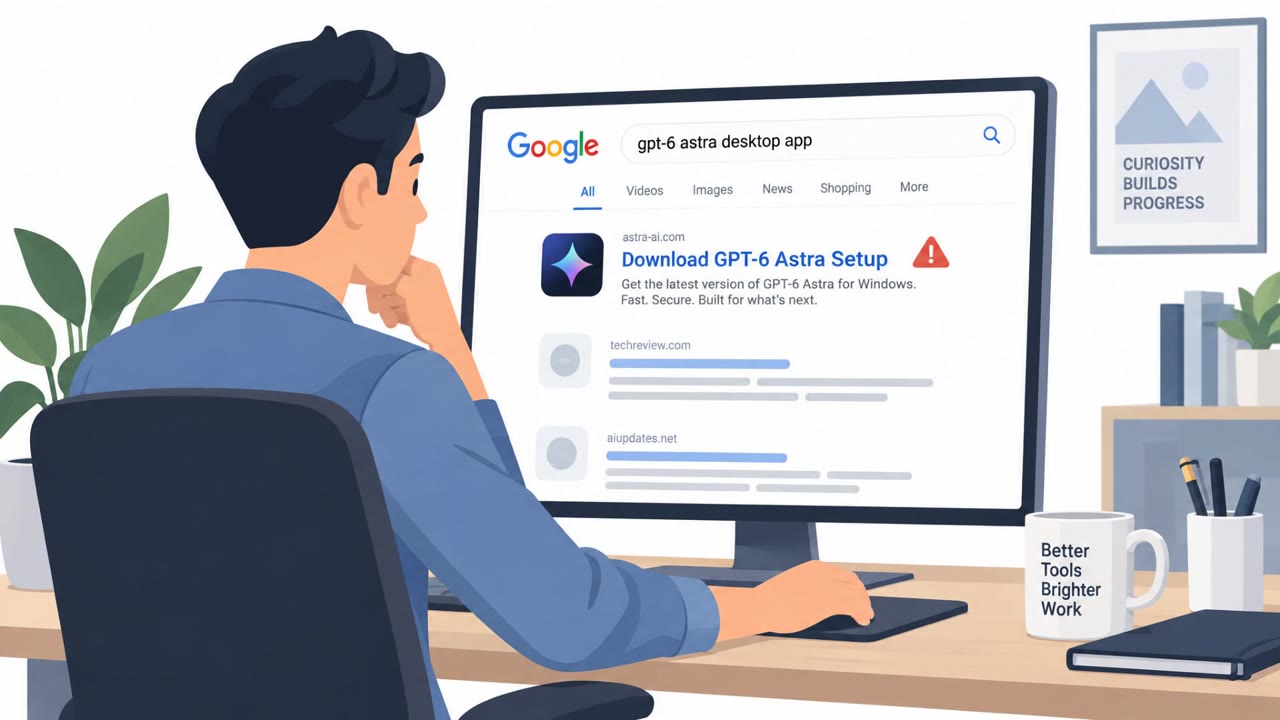
The article describes real malware-delivery operations that use fake open-source download sites, advertising redirects, and device profiling to decide who receives malicious content. Attackers hide the final payload behind ordinary-looking pages and scripts, while sending researchers, bots, and some devices to harmless decoys. For awareness teams, the practical lure is a convincing software-download page that leads users into a hidden redirect chain.
Key findings
- Check Point Research described fake open-source download sites that loaded a staging script from Amazon CloudFront and passed visitors to a traffic distribution system (TDS).
- The Coruna exploit framework fingerprinted visitors, including their device model and iOS version, before serving a matching exploit; researchers, scanners, Lockdown Mode devices, and private-browsing sessions were excluded.
- ADEX identified about 50 advertiser accounts using a similar qualify-first setup, despite presenting unrelated social offers, finance pages, brands, and formats.
- The linked campaigns used hidden iframes, operating-system checks, bot and crawler filtering, IP checks, and ordinary-looking '.min.js' files to conceal device-specific scripts.
- The article reports that messenger phishing is part of the changing abuse mix, while malicious iOS scripts accounted for about 20% of suspensions in ADEX's Q3 2026 dataset.
Who’s being targeted
- Commonly targeted roles: All employees, Developers, IT staff, Mobile device users, Security awareness teams, Advertising platform trust and safety teams.
- Affected industries: Online advertising platforms, Ad technology, Software and open-source communities, Mobile device users.
- Attack channels: website.
- Impersonated: An open-source software download site.
Awareness takeaways
- Only download work software from verified vendor or official project sources, and treat lookalike download pages with caution.
- Do not assume a site is safe just because its first page looks normal; hidden redirects can send a visitor elsewhere after the initial click.
- Keep mobile devices updated, especially older devices that may remain exposed after newer versions receive fixes.
- Report suspicious ads, downloads, and redirecting websites promptly, including the full path or links involved when possible.
Red flags to watch for
- The download page uses redirects or loads content from unexpected domains.
- The page behaves differently depending on the device, browser, IP address, or browsing mode.
- The site loads hidden iframes or scripts that do not appear related to the advertised software.
Read the video transcript
That open-source download page looks real. The Download button is the trap. One reported chain loaded a staging script from Amazon CloudFront, then handed visitors to a traffic distribution system. The page could look harmless while that happened. Here's the twist: a hidden iframe can check your OS version. Bot and IP filters may show someone else a harmless page, while your device gets a matching .min.js script. Need work software? Skip the lookalike page. Download it from the verified vendor or official project site.