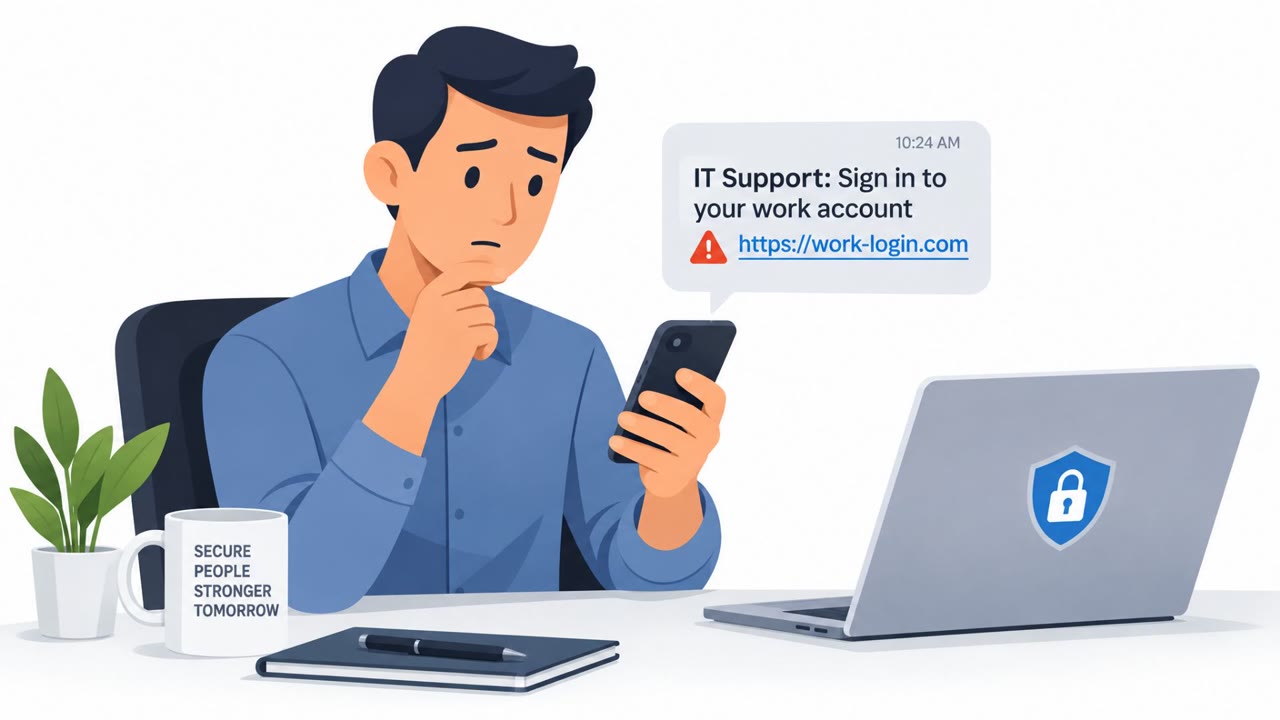
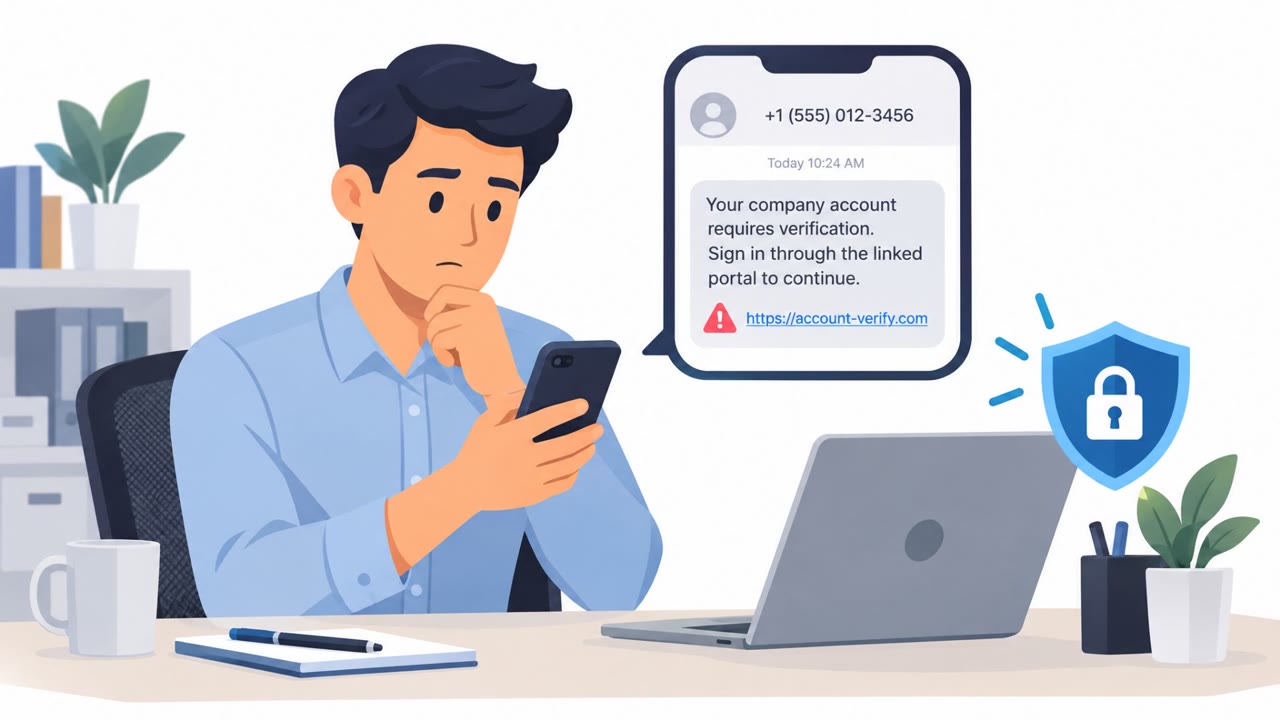
A fraudulent text message impersonating Croatia’s Ministry of the Interior claimed the recipient had an unpaid speeding fine and threatened consequences. The article also describes a cloud-storage renewal phishing message that used a payment-failure warning and possible service interruption to pressure recipients into acting quickly.
How the Attack Worked
This breakdown covers two separate but related scams that rely on impersonation and urgency rather than technical sophistication. The first was a text message written in Croatian, impersonating Croatia's Ministry of the Interior. It claimed the recipient owed an unpaid speeding fine, cited legal provisions, and warned of further consequences if payment was not made. The second was an email claiming a cloud storage subscription renewal had failed due to a payment problem, warning that the account's service could be interrupted unless the issue was resolved quickly.
Both messages followed the same basic structure: an authoritative-sounding sender, a claim of an existing problem, and pressure to act immediately through a link or payment prompt rather than independent verification.
Why It Succeeded
Neither message required advanced technical tricks. Instead, both leaned on psychological pressure:
- The fine message used official-sounding legal language and references to legislation to appear legitimate.
- Both messages created a sense of urgency, implying that delay would lead to escalating penalties or loss of service.
- The renewal message relied on generic branding, never naming a specific cloud storage provider, which makes it harder for a recipient to confirm or deny the claim at a glance.
- An unverifiable subscription ID added a surface-level sense of authenticity without providing anything a recipient could actually check.
This combination of fear, authority, and urgency is a common pattern designed to short-circuit careful review.
What to Watch For
Key warning signs identified across both scenarios include:
- An unexpected fine or payment demand delivered by text or email rather than through an official channel
- Legal-sounding language or references to specific laws used to create fear
- Escalating threats of "further consequences" or "service interruption"
- Generic branding that does not name a specific government agency or service provider
- Account, subscription, or case identifiers that cannot be independently verified
How to Build Resistance
Recipients should treat urgency and legal-sounding language as a signal to slow down and verify, not a reason to act quickly. For a fine notice, this means checking outstanding fines directly through the relevant government agency's official website rather than any link in the message. For a subscription or payment alert, it means opening the provider's own app or typing its known web address manually instead of using a link from the message. Avoiding replies, payments, or clicks in unexpected messages, and instead verifying claims through a trusted, independently accessed channel, removes the pressure these scams depend on.
Key findings
- A Croatian-language text impersonated Croatia’s Ministry of the Interior and alleged an unpaid speeding fine.
- The fake fine message used official-sounding legal language, references to legislation, and escalating urgency to pressure the recipient to pay.
- A separate cloud-storage renewal message claimed a payment failure and threatened service interruption.
- The renewal lure used generic branding, an unverifiable subscription ID, and pressure to resolve an alleged payment problem.
- Recipients should avoid links in unexpected messages and verify fines, subscriptions, and payment status through official websites or apps.
Who’s being targeted
- Commonly targeted roles: All employees, Mobile device users, Finance and procurement staff, Cloud storage users.
- Affected industries: Government, Cloud storage and software services, Consumers.
- Attack channels: smishing, email.
- Impersonated: Croatia’s Ministry of the Interior, An unspecified cloud storage provider.
Red flags to watch for
- Unexpected fine delivered by text message
- Official-sounding legal language used to create fear
- Escalating urgency and threatened consequences
- The message does not name a specific cloud storage provider
- Urgency around payment failure and service interruption
- An official-looking subscription ID cannot be verified
Frequently asked questions
How did the fake fine text scam work?
A Croatian-language text message impersonated Croatia's Ministry of the Interior, claimed the recipient had an unpaid speeding fine, referenced legislation, and threatened further consequences to pressure quick payment.
What made the cloud storage renewal message suspicious?
It used generic branding without naming a specific provider, warned of a payment failure and possible service interruption, and included a subscription ID that could not be verified.
What should I do if I get an unexpected fine or payment notice by text?
Avoid clicking links, replying, or paying directly from the message. Instead, verify the claim independently through the official agency website or the service provider's own app.
Why do these scams use urgency and legal language?
Scammers use official-sounding language, legal references, and escalating urgency to pressure recipients into paying before they take time to verify the claim.
Read the video transcript
A speeding fine from Croatia’s Ministry of the Interior, by text? It says you owe money, cites legal provisions, then threatens further consequences. That official language is the trick: it pushes you toward the payment link before you check the fine. Same pressure in a cloud-storage email: 'Renewal failed, service may stop.' But it names no provider, and that official-looking subscription ID proves nothing. Don’t use either message’s link. Open the agency’s official website or your cloud provider’s app yourself to check.