A Scattered Spider member was sentenced to six years in prison for a campaign that used SMS phishing sites impersonating victim companies and their IT or business-process suppliers. Employees who entered credentials on the fake sites gave the group access to company systems; the stolen information was then used for SIM swaps and theft of victims’ cryptocurrency accounts.
How the Attack Worked
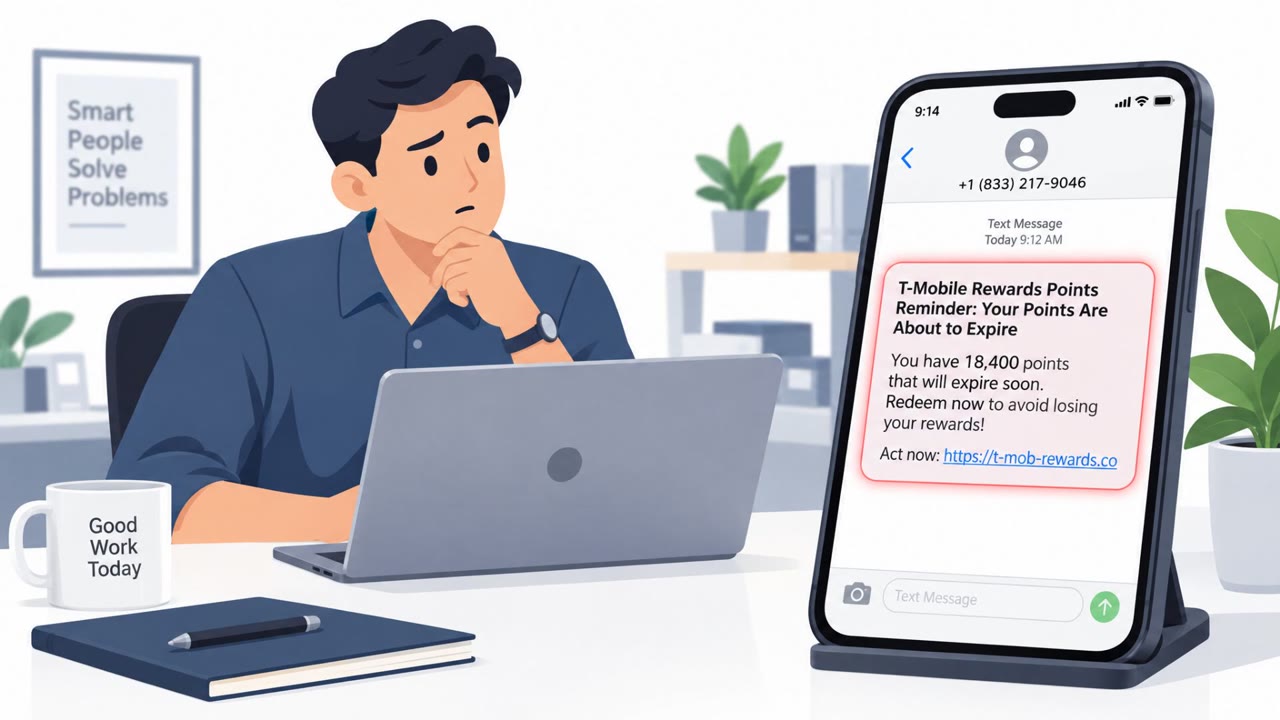
Between 2021 and 2023, a member of the group known as Scattered Spider ran a large-scale SMS phishing operation. Text messages impersonated victim companies or the IT and business-process outsourcing (BPO) suppliers those companies relied on. Each message linked to a fake sign-in page built to resemble a legitimate company portal.
Employees who clicked through and entered their credentials unknowingly handed over usernames, passwords, and other personal identifying information. A phishing kit automatically forwarded this captured data to a Telegram channel the attackers controlled, giving them a steady stream of stolen access to company systems.
From Credential Theft to Cryptocurrency Loss
Stolen company access was not the end goal. The group used the data from these intrusions to identify individuals with cryptocurrency accounts. They then carried out SIM swap attacks, fraudulently inducing mobile carriers to reassign a victim's phone number to a SIM card under the attacker's control.
This gave them the ability to intercept SMS or voice-based two-factor authentication codes, letting them bypass account security and fully take over cryptocurrency holdings. The combination of phishing and SIM swapping ultimately resulted in the theft of more than $11.6 million in virtual currency.
Why It Succeeded
The campaign worked because it exploited trust at two different layers. First, employees trusted a text message that appeared to come from their own company or a known supplier, and followed an unfamiliar link rather than using a known company portal. Second, SMS-based two-factor authentication, widely treated as a secure safeguard, was defeated entirely once attackers controlled the victim's phone number through a SIM swap.
What to Watch For
- An unsolicited text message asking for company credentials or personal information.
- A login page reached through an SMS link instead of a bookmarked or approved company portal.
- A caller claiming to represent a mobile carrier and requesting account details or a SIM replacement.
- Sudden, unexplained loss of mobile phone service, which can indicate a SIM swap in progress.
Building Resistance
- Always access company systems through a known bookmark or approved app, never through a link in an unsolicited text.
- Verify unexpected credential or information requests from a company or supplier through a separate, known contact channel.
- Move away from SMS-based authentication for sensitive and high-value accounts in favor of an authenticator app or hardware security key.
- Report any unexpected SIM or mobile account changes immediately, since this can be an early sign of an account takeover attempt.
Key findings
- Tyler Robert Buchanan was sentenced to 72 months in federal prison after pleading guilty to wire-fraud conspiracy and aggravated identity theft.
- Between 2021 and 2023, the group sent large-scale SMS phishing campaigns impersonating victim companies and contracted IT or BPO suppliers.
- The phishing sites collected usernames, passwords, personal information, and other confidential data from employees.
- A phishing kit forwarded captured credentials to a Telegram channel administered by Buchanan and another conspirator.
- The group used data taken from company intrusions to identify people with cryptocurrency accounts, perform SIM swaps, intercept SMS or voice-based two-factor authentication codes, and steal more than $11.6 million in virtual currency.
Who’s being targeted
- Commonly targeted roles: All employees, IT helpdesk and identity-access teams, Finance and cryptocurrency account holders, Executives and other high-value targets, Employees who use SMS-based multi-factor authentication.
- Affected industries: Information and media, Software and cloud services, Business process outsourcing, Food delivery platforms, Cryptocurrency and financial services.
- Attack channels: smishing, website, vishing.
- Impersonated: Victim company or contracted IT/BPO supplier, Mobile carrier customer-support representative.
Red flags to watch for
- An unsolicited text asks for company credentials.
- The login site is reached through an SMS link rather than a known company portal.
- The sender claims to be a trusted company or supplier but the link destination is unfamiliar.
- An unexpected request to transfer a phone number or replace a SIM card.
- The caller requests account details or verification codes.
- The request would interrupt mobile service or change account security settings.
Frequently asked questions
How did the Scattered Spider phishing campaign work?
The group sent large-scale SMS phishing messages that impersonated victim companies or their IT and business-process outsourcing suppliers. Employees who clicked the links and entered credentials on the fake sites gave attackers access to company systems and personal data.
What is SIM swapping and how was it used in this case?
SIM swapping is when a criminal tricks a mobile carrier into reassigning a victim's phone number to a SIM card the criminal controls. The group used this technique to intercept SMS or voice-based two-factor authentication codes and take over cryptocurrency accounts.
How much was stolen in this attack?
The group used stolen credentials and SIM swaps to steal more than $11.6 million in virtual currency.
What is the best defense against SIM-swap based account takeovers?
Avoid relying on SMS-based authentication alone for high-value accounts and use an authenticator app or hardware security key instead, since these are not vulnerable to SIM swapping.
Read the video transcript
A text says your company account needs verification. Sound familiar? Scattered Spider sent texts like this. The link opened a fake company or IT-supplier sign-in page. Enter your password, and a phishing kit forwarded it to a Telegram channel. Here's the twist: stolen company data helped them target crypto accounts. SIM swaps let them intercept texted security codes. The giveaway comes earlier: a surprise text asking for work credentials. Got that text? Skip its link. Open your company portal from your saved bookmark instead.