A fake Tesla YouTube livestream used an AI-generated Elon Musk impersonation to promote a fraudulent cryptocurrency giveaway. Viewers were told to send cryptocurrency to a displayed wallet address or QR code in return for double the amount; Coinbase says it blocked about $4.7 million in attempted customer transfers.
How the Attack Worked
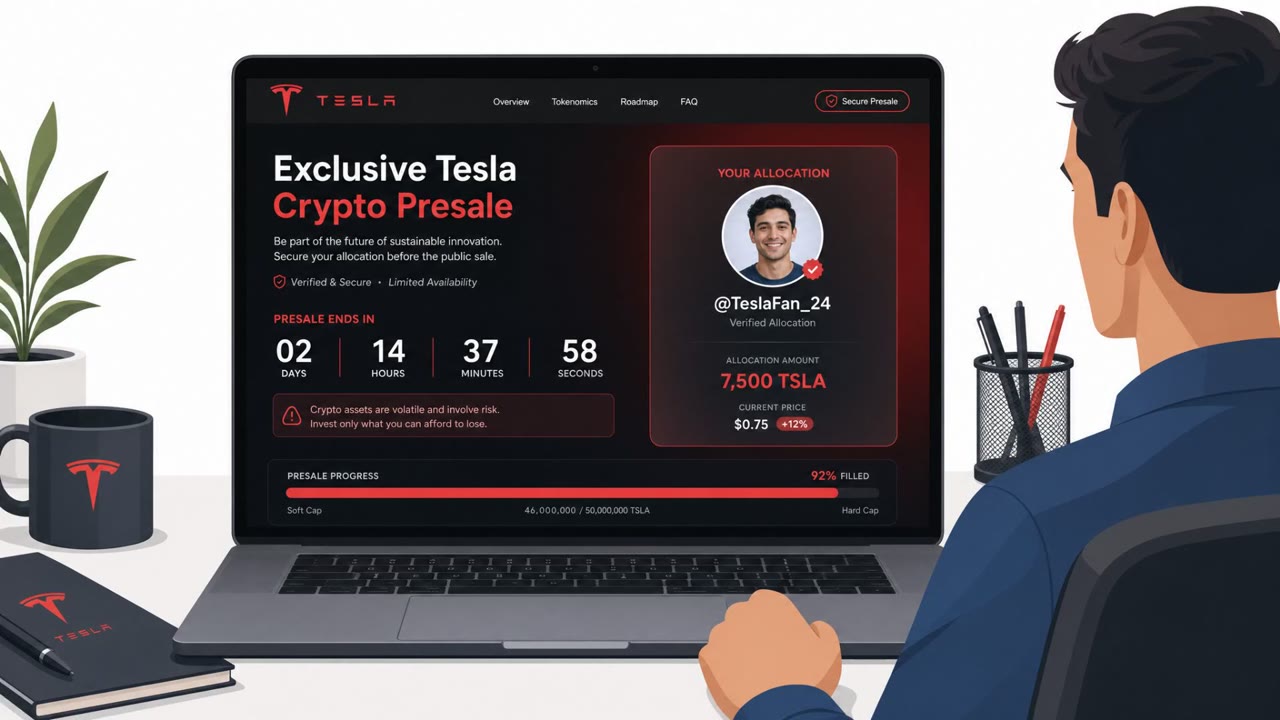
The scam centered on a fake Tesla event livestream on YouTube that featured an AI-generated, deepfake version of Elon Musk. The fake Musk announced a limited-time cryptocurrency giveaway, telling viewers that any crypto sent to a displayed wallet address would be returned doubled. A QR code on screen made it simple to send a payment immediately, and the livestream format created a sense of urgency, pressuring viewers to act before the supposed offer disappeared.
According to Coinbase, the ruse prompted hundreds of its customers to attempt payments to the scammers. Coinbase says its defenses stopped approximately $4.7 million, about 91% of attempted transfers, before the funds left customer accounts.
Why It Succeeded
This attack combined several pressure points that made it effective:
- A recognizable, trusted public figure was impersonated using deepfake technology, lending false credibility to the offer.
- The livestream format mimicked a legitimate corporate event, which can lower a viewer's guard.
- The promise to double any crypto sent played on greed and the appeal of an easy, fast return.
- A visible QR code and wallet address gave the appearance of a real, trackable transaction system.
- Time pressure discouraged viewers from pausing to verify the offer before sending funds.
Notably, the transfers that Coinbase blocked were ones customers logged in and approved themselves, which shows how convincing the pretext was even though the payments were technically self-authorized.
What to Watch For
Employees and consumers should treat the following as warning signs of this type of scam:
- Any offer that requires sending cryptocurrency before a reward or payout is received.
- Promises to multiply or double the amount of crypto sent.
- A wallet address or QR code displayed in a video, livestream, or message, used as supposed proof of legitimacy.
- Urgency cues suggesting an offer will disappear if you do not act immediately.
Building Resistance
Organizations and individuals can reduce exposure to this kind of social engineering by reinforcing a few habits. Never send cryptocurrency to unlock a larger payout, since legitimate giveaways do not require an upfront transfer. Do not treat an on-screen wallet address or QR code as proof an offer is real. When evaluating a promotion, close it and navigate independently to the organization's official website or verified account rather than following links or instructions supplied by the promotion itself. Finally, if a payment platform shows a warning before a transfer, pause, read it carefully, and discuss the situation with someone you trust before proceeding. These habits are especially relevant for employees who hold or trade cryptocurrency, finance and treasury teams, and executives who may be specifically targeted by convincing impersonation content.
Key findings
- A fake Tesla livestream impersonated Elon Musk with a deepfake to promote a cryptocurrency giveaway.
- The lure promised viewers that cryptocurrency sent to the displayed address would be returned at double the amount.
- A QR code and apparent time pressure made it easy for victims to act quickly.
- Coinbase says its defenses stopped roughly $4.7 million, about 91% of attempted transfers, before the funds left customer accounts.
- The transfers appeared authorized because victims logged in and approved the payments themselves.
Who’s being targeted
- Commonly targeted roles: Employees who hold or trade cryptocurrency, Finance and treasury teams, Executives, General employees, Customer support and fraud teams.
- Affected industries: Cryptocurrency exchanges, Financial services, Technology and social media platforms, Consumer investing.
- Attack channels: website.
- Impersonated: Elon Musk / Tesla.
Red flags to watch for
- The promotion requires payment before a reward can be received.
- It promises to double the cryptocurrency sent.
- A QR code or wallet address shown in a livestream is presented as proof of legitimacy.
- The livestream creates urgency to act before the offer disappears.
Frequently asked questions
How did the deepfake Elon Musk crypto scam work?
A fake Tesla livestream used an AI-generated Elon Musk to promote a giveaway promising to double any cryptocurrency sent to a displayed wallet address or QR code, with urgency pushing viewers to act quickly.
How much money did the scam attempt to steal?
Coinbase says it blocked roughly $4.7 million, about 91% of attempted customer transfers, before funds left accounts.
Why did victims approve the fraudulent payments themselves?
The transfers appeared authorized because victims logged into their own accounts and approved the payments, which made the activity harder to automatically flag as fraud.
What is the main red flag in this type of scam?
Any offer that requires sending cryptocurrency first in order to receive a larger payout back is a scam indicator, since legitimate giveaways never require an upfront payment.
Read the video transcript
Elon Musk on a Tesla livestream, promising to double your crypto? That was a deepfake. The fake livestream said, 'Send cryptocurrency to the address shown, and you’ll get twice as much back.' A QR code and countdown pushed viewers to pay fast. Here’s the catch: the transfers looked authorized because viewers logged in and approved them. Coinbase says it blocked about $4.7 million in attempted payments. A QR code isn’t proof. If a giveaway asks you to send crypto first, don’t send it.