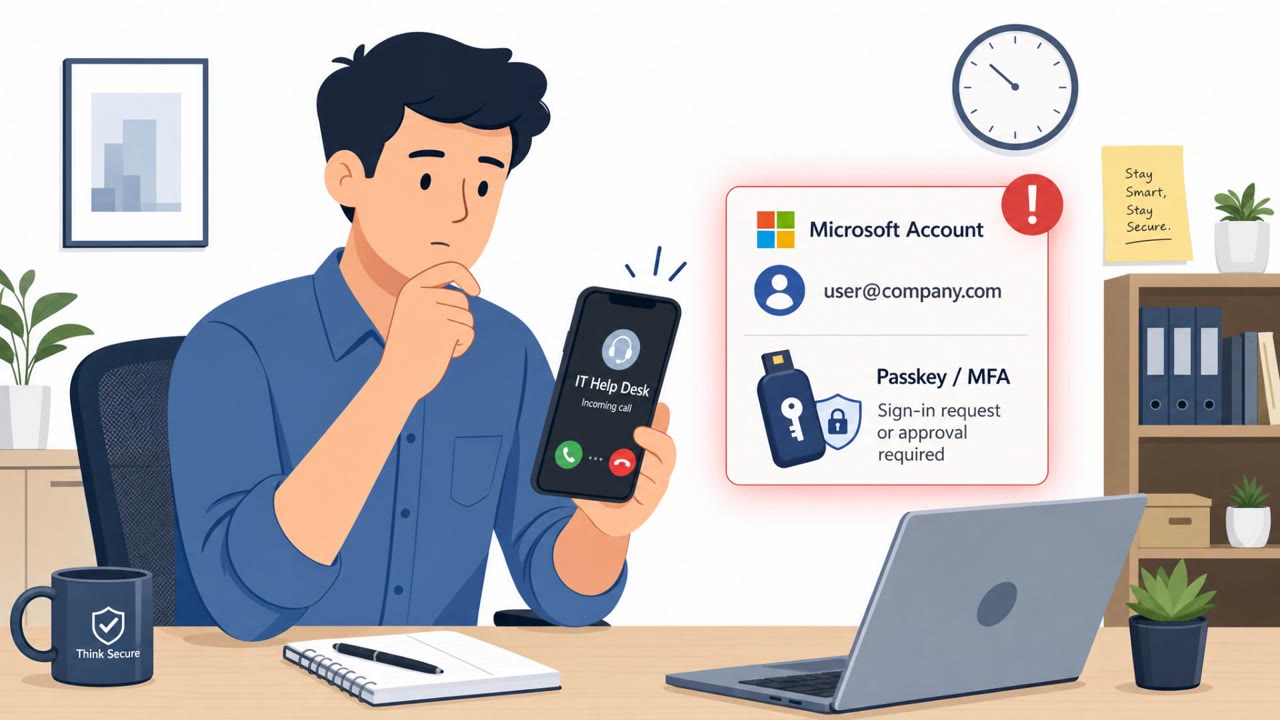
This weekly roundup describes several real social-engineering campaigns, including fake government-payment posts that compromised thousands of Bluesky accounts and mobile scams disguised as community activities. It also documents AI-generated bank-helpdesk calls that persuaded victims to install an app and scan their payment cards, enabling fraud.
How the attacks worked
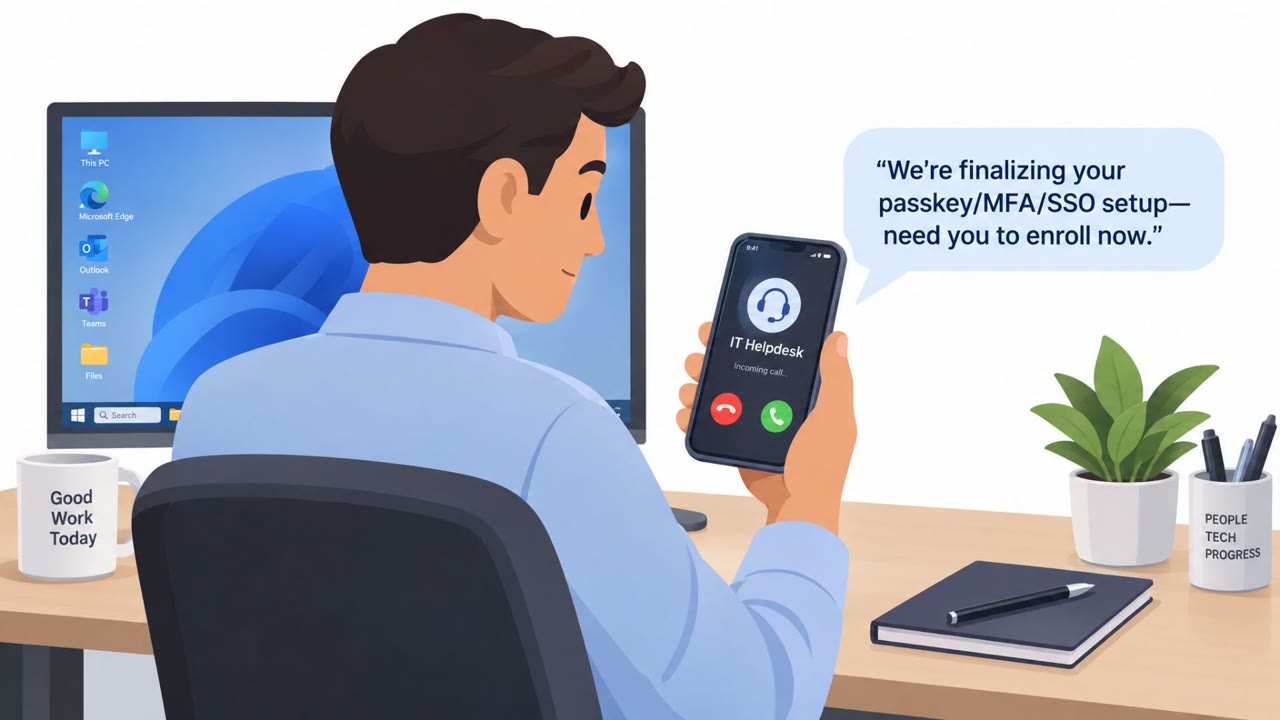
This roundup covers three related social-engineering patterns rather than a single incident. In the first, fake posts promoting a government payment offer spread across a social media platform, compromising thousands of accounts before the platform suspended them. In the second, advertisements for community activities such as senior programs, water-based fitness, or recycling services pushed victims toward downloading an Android APK file outside official app stores. Once installed, victims received unsolicited calls from people impersonating government officials or bank representatives, claiming the victim's device or account had been compromised or that they were implicated in a crime. In the third pattern, AI-generated voice clips impersonated banks and companies, warning of suspicious account activity and instructing victims to install an app and scan their bank card by holding it against their phone.
Why these scams succeeded
Each scenario relies on a believable pretext paired with urgency. A promise of free government money, a convenient community service, or an urgent bank-security warning all push victims to act quickly instead of verifying. The use of AI-generated voices adds a layer of realism, since scammers could produce dozens of distinct audio clips featuring different banks and scenarios, making the calls sound varied and credible rather than obviously scripted or robotic.
What to watch for
- An unexpected social-media post or ad offering a government payment or service that requires installing an app
- A request to download an APK file instead of using an official app store
- An unsolicited call claiming your device or bank account has been compromised
- A recorded or artificial-sounding voice referencing suspicious account activity
- Any instruction to scan a bank card against a phone, disclose banking credentials, or transfer money
Building resistance
Organizations and individuals can reduce exposure by treating unsolicited calls and social-media offers with skepticism by default. Key habits include never installing apps from links in ads or social posts, independently verifying any bank or government contact through an official number, and refusing to scan payment cards or share credentials because a caller requests it. Since the fraudulent card data in these campaigns was forwarded to criminals for unauthorized withdrawals, the final safeguard is simple: legitimate banks do not ask customers to scan a card against a phone during an unsolicited call. Recognizing that single red flag can stop the entire chain of fraud before any money or data changes hands.
Key findings
- Bluesky said a phishing campaign using posts advertising a fake government payment compromised more than 4,500 accounts.
- Singapore police reported at least 62 cases in which social-media advertisements for activities or services pushed victims to download an Android APK, followed by scam calls impersonating government officials or banks.
- Dutch authorities said AI-generated voice clips impersonated banks and companies, warned of suspicious bank-account activity, and directed victims to download an app and scan their bank card.
- The NFC card data was forwarded to criminals, who used it to make unauthorized withdrawals.
- A separate criminal tax-fraud case involved spear-phishing emails used to gain access to U.S. tax-preparation businesses.
Who’s being targeted
- Commonly targeted roles: All employees, Finance and treasury teams, Employees with corporate payment cards, Customer-facing staff, Senior employees, Mobile-device users.
- Affected industries: Financial services and banking, Social media platforms, Government services, Tax preparation businesses, Community and recreational programs.
- Attack channels: website, vishing.
- Impersonated: Government payment program, Government official or bank representative, Bank helpdesk.
Red flags to watch for
- An unexpected government-payment offer appears in a social-media post.
- The offer is promoted by an untrusted or compromised account.
- The post creates urgency around claiming money.
- The advertisement asks the user to download an APK rather than use an official app store.
- An unsolicited caller claims a device or bank account is compromised.
- The caller asks for banking credentials, money, personal information, or valuables.
- An unsolicited bank call uses a recorded or artificial-sounding voice.
- The caller asks the recipient to install an app.
- The caller instructs the recipient to scan or tap a bank card against a phone.
Frequently asked questions
How did the fake government payment scam spread on social media?
Bluesky said the attack spread through posts promoting a fake offer of a government payment, which compromised more than 4,500 accounts before they were suspended.
What happens after a victim installs the fake Android app?
According to Singapore Police, after installing the APK victims would receive unsolicited calls from scammers impersonating government officials or bank representatives claiming their device or account was compromised.
How are AI voice clips used in bank impersonation calls?
Dutch authorities said scammers created dozens of AI-generated audio clips featuring different voices, banks, and companies to warn victims of suspicious account activity and direct them to install an app and scan their bank card.
What should someone do if a caller asks them to scan a bank card?
Treat it as a major red flag, end the call, and contact the bank through a verified number or official app rather than following instructions from the caller.
Read the video transcript
Your bank calls: ‘Suspicious activity on your account.’ Sounds helpful, right? Dutch authorities found AI-generated bank voices telling people to download an app and scan their payment card. The app forwarded the card’s NFC data, enabling unauthorized withdrawals. That’s the giveaway: a real-sounding voice isn’t proof it’s your bank. The same playbook starts with Facebook activity ads pushing Android APK downloads, then a call claiming your account’s compromised. If a caller asks you to install an app or scan your card, hang up and call your bank using the number on your card.