Fake Amazon Music Deal Steals Creator Logins

Malwarebytes · High sophistication
Last updated October 21, 2026

A phishing campaign targets YouTube creators with a fake, invite-only Amazon Music advertising deal. The fraudulent site uses each creator’s real public channel statistics to appear legitimate, then places a fake Google sign-in screen over the page to capture Google passwords and multi-factor authentication codes.

Key findings

  • Attackers created a fake “Amazon Artists Music, Creator Portal” offering invite-only Amazon Music advertising collaborations.
  • The phishing site uses real public YouTube channel data, including subscriber counts, views, uploads, playlists, and thumbnails, to make the offer appear personalized.
  • Victims are told to verify their channel using a fake “Continue with Google” flow before they can view a personalized collaboration offer.
  • The fake Google sign-in form is loaded from a separate domain while the browser address bar continues to show the Amazon-themed lure domain.
  • The second-stage page was built to collect email addresses, passwords, and multi-factor authentication codes.
  • After credentials are submitted, victims may see a convincing unlocked offer and “Request received” message, delaying suspicion.

Who’s being targeted

  • Commonly targeted roles: YouTube creators, Content creators, Influencers, Social media managers, Digital marketing teams, Brand partnership managers, Employees who manage Google Workspace or YouTube accounts.
  • Affected industries: Online content creators, Digital media, Influencer marketing, Advertising and marketing.
  • Attack channels: website.
  • Impersonated: Amazon Music / Amazon Artists Music, Amazon Music partnership team.

Awareness takeaways

  • Never enter a Google password or verification code into a sign-in screen embedded in another website; confirm that the real browser address bar shows accounts.google.com.
  • Treat personalized sponsorship offers as unverified until you confirm them through the brand’s official website or known contacts.
  • Check the domain rather than trusting brand logos, familiar wording, or accurate account data.
  • If credentials or an MFA code were entered, immediately change the Google password and review account sessions, recovery details, third-party apps, and YouTube permissions.

Red flags to watch for

  • The offer is hosted on amazonyt[.]com rather than an official Amazon domain.
  • The supposed Google sign-in process appears inside the existing webpage instead of taking the user to accounts.google.com.
  • The deal is presented as an invite-only Amazon Music campaign with a payout calculator and urgency to verify.
  • The website uses public channel statistics as proof of legitimacy, but public data does not validate the offer.
  • The page compares its estimated payout with “endless back-and-forth and delayed payments” to pressure the visitor toward its offer.
  • A familiar brand logo and personalized data are used even though the domain is not official.
Try Mirage

Mirage safely runs attacks like this one against your own team, so you find out what happens before a real adversary does.

Get a demo
Read the video transcript

An invite-only Amazon Music deal knows your channel stats. Impressive, right? That data is public. On amazonyt dot com, 'Verify Your Channel' leads to 'Continue with Google', then a fake sign-in covers the page. Here's the tell: Google's login is inside the offer page, not at accounts.google.com. It asks for your password and verification code, then says 'Request received.' Before entering anything, check the real browser address bar. Google sign-in belongs at accounts.google.com.

Similar attacks

Fake Claude Payments and Updates Target Users

Fake Claude Payments and Updates Target Users

Cybercriminals impersonated well-known technology brands including Claude, Google, Apple, and Docusign to steal credentials, payment details, or gain access to devices. The lures used urgent payment failures, software-update prompts, and promised device-performance improvements to persuade people…

October 19, 2026
Fake Brand Deals Steal YouTubers’ Google Logins

Fake Brand Deals Steal YouTubers’ Google Logins

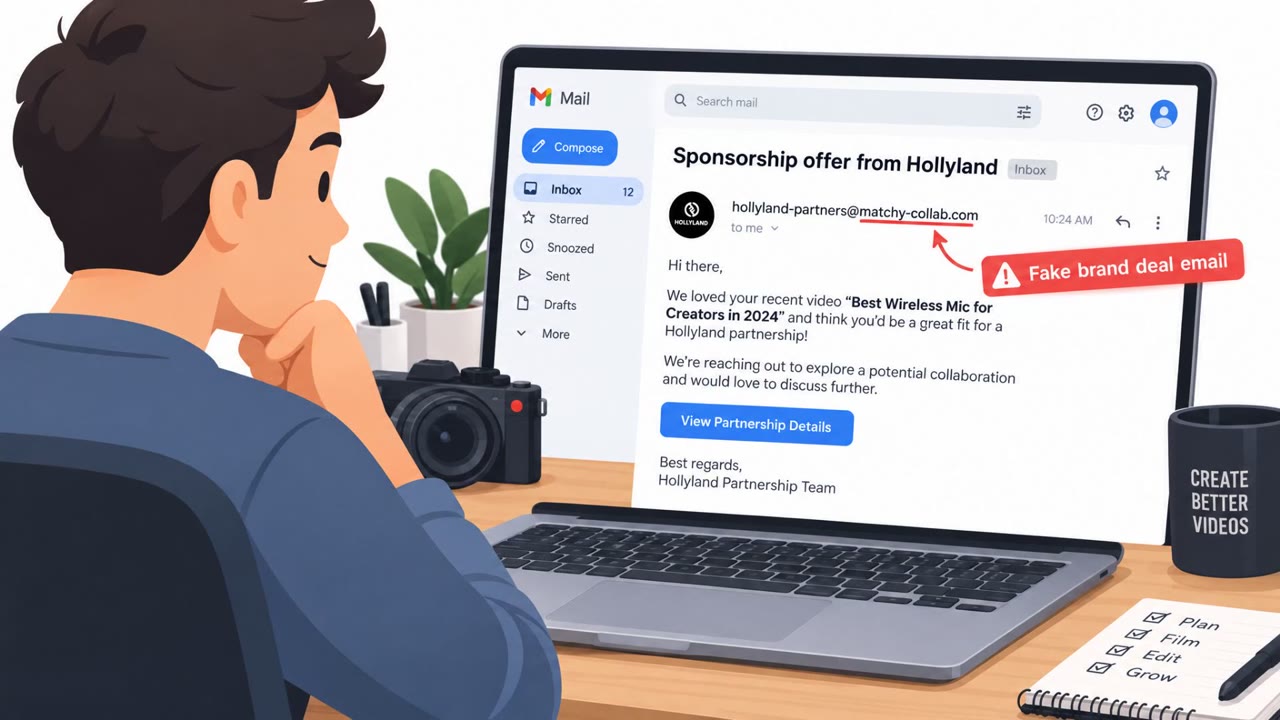
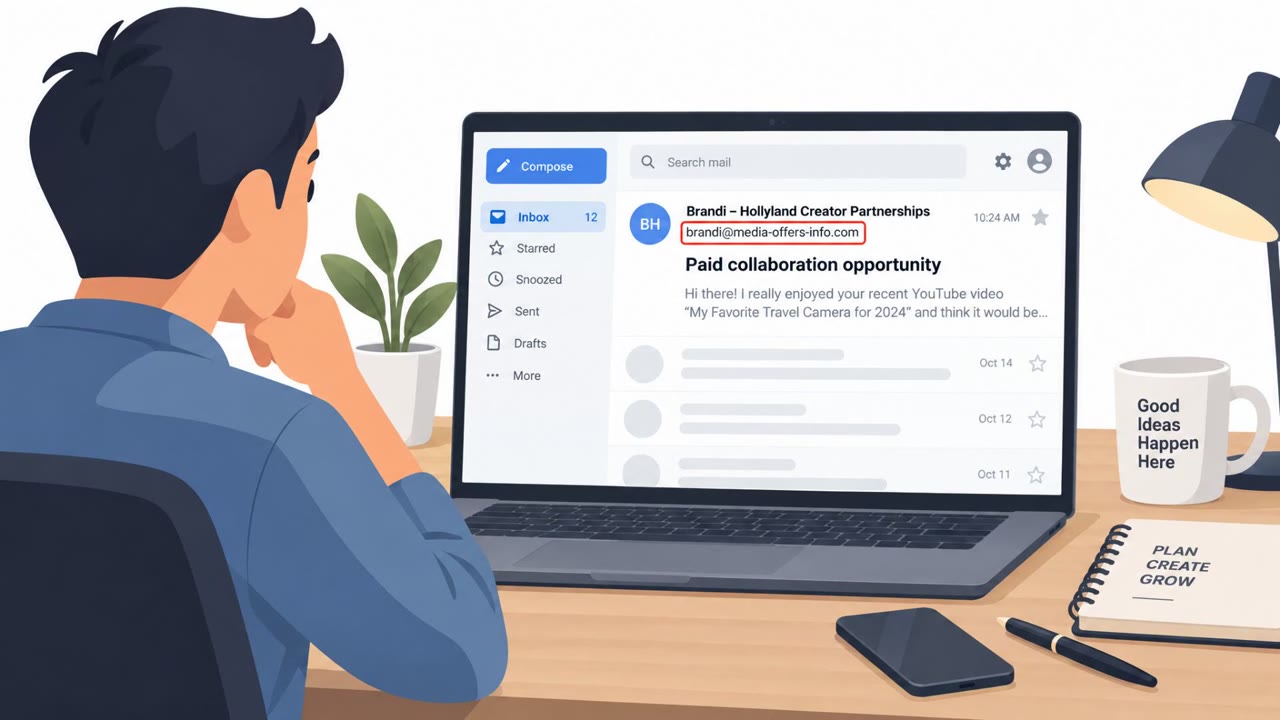
A recent scam targets YouTube creators with personalized “paid collaboration” emails that impersonate well-known brands and push victims to a fake collaboration platform. The site then routes victims to a Google sign-in step that can capture credentials or trick users into granting dangerous…

October 8, 2026
Fake Google Ads Fueled Cloud Account Takeovers

Fake Google Ads Fueled Cloud Account Takeovers

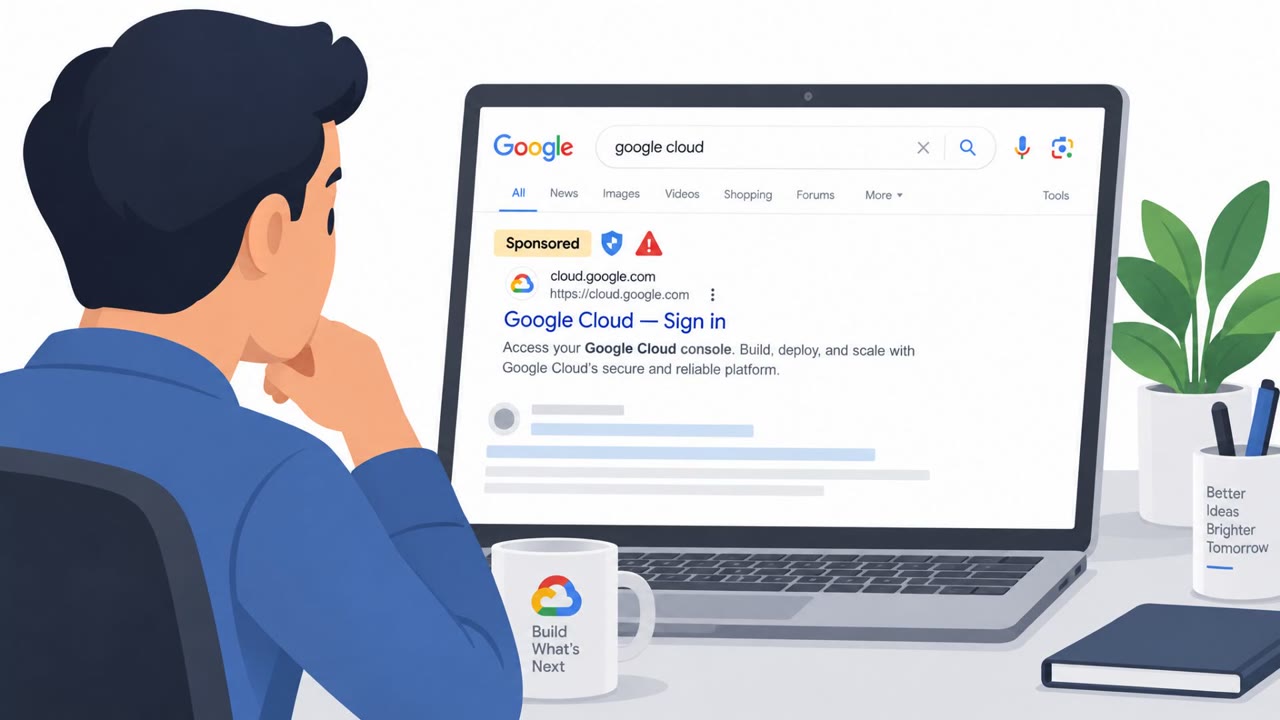
Alongside the Railway credential-exposure incident, the article describes a real phishing campaign that used sponsored Google Search ads to send people looking for Google Cloud services to a fake Google login page. The attackers stole account credentials and MFA codes, then used overly broad cloud…

October 22, 2026
Fake “Meta Careers” Calendly Pages Steal Logins

Fake “Meta Careers” Calendly Pages Steal Logins

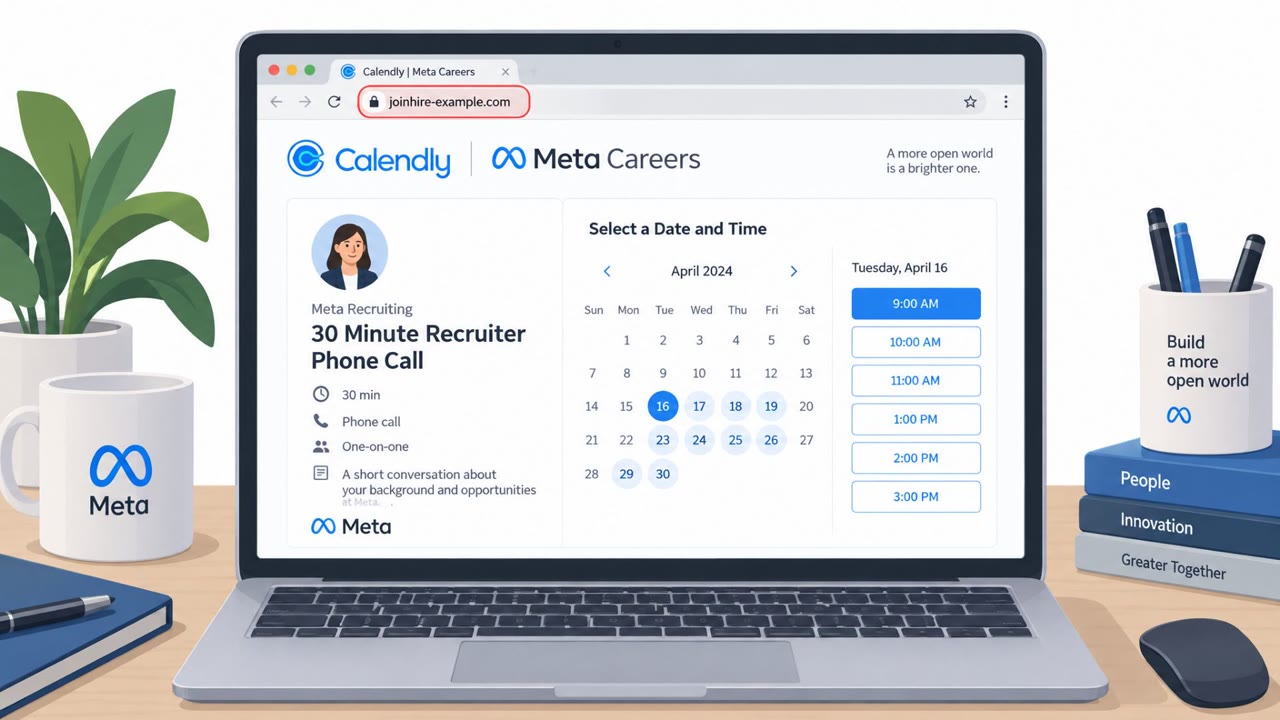
A wave of fake websites impersonates Calendly booking pages for “Meta Careers” job interviews. After victims select an interview time and complete a fake CAPTCHA, the site prompts them to log in to Facebook and then Google, capturing passwords and even two-factor authentication codes in real time.…

October 14, 2026
YouTubers Phished via Fake Sponsorship Deals

YouTubers Phished via Fake Sponsorship Deals

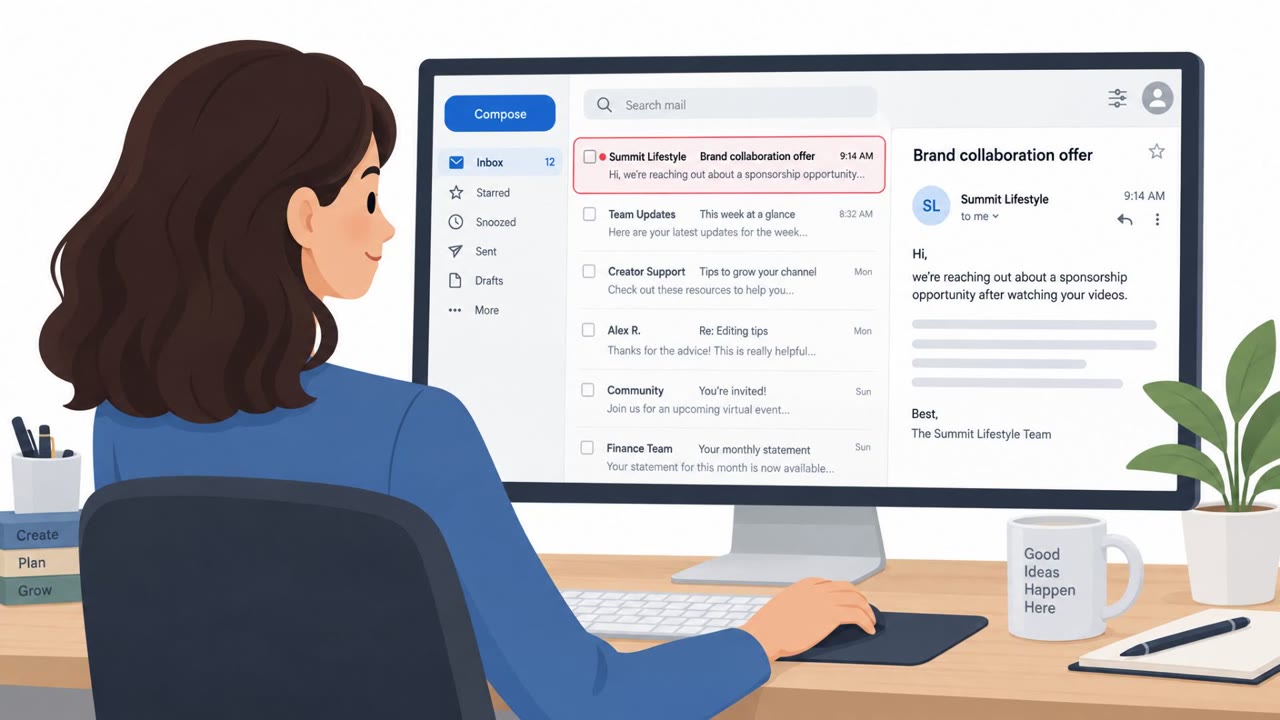
Scammers are targeting YouTube creators by posing as brands offering sponsorships and sending personalized emails that reference the creator’s videos. Victims are directed to a convincing fake collaboration platform and then prompted to sign in with Google, putting their accounts at risk.

October 11, 2026
Fake Brand Deals Steal YouTube Creator Accounts

Fake Brand Deals Steal YouTube Creator Accounts

Scammers are targeting YouTube creators with personalized “sponsorship” emails that lead to a convincing fake collaboration website. The site pulls public channel data, then asks the creator to “Sign in with Google” to “verify” the channel, stealing the password and one-time code to take over Gmail…

October 8, 2026