Fake Title IX Claims Push Zoho Assist RAT

Cofense · Medium sophistication
Last updated September 10, 2026

A real phishing campaign is using fabricated sexual misconduct (Title IX-style) allegations to pressure university staff into clicking a link and installing Zoho Assist, a legitimate remote-access tool being abused as malware. The emails impersonate university leaders and route victims through a Google Drive link to hide the final download. The goal is remote control of the victim’s computer, potentially leading to data theft and broader compromise.

Key findings

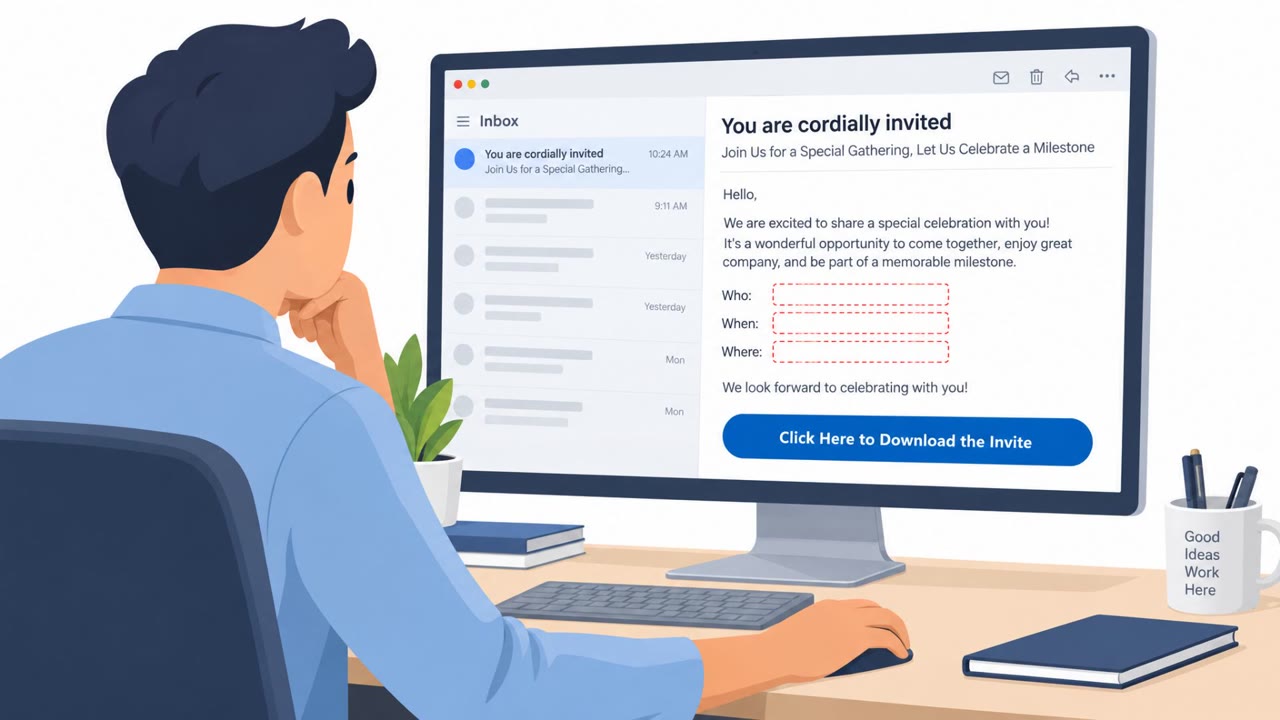
  • Attackers impersonate university presidents/deans and send emails alleging a sexual misconduct violation to trigger urgency and fear.
  • The campaign uses a Google Drive link as an intermediate step to help evade email security controls before delivering the final payload.
  • The payload is an abused but legitimate remote-access tool (Zoho Assist) that can give attackers full interactive access to the victim’s computer.
  • Targets appear heavily concentrated in healthcare-affiliated universities (medical colleges/teaching hospitals), raising critical-infrastructure and compliance concerns.
  • Emails are designed to look official by spoofing letterhead, signature blocks, and even the university domain.

Who’s being targeted

  • Commonly targeted roles: Higher education administration, Medical school/teaching hospital staff, Title IX / Student Affairs, HR, Legal/Compliance, All staff who handle external university partnerships.
  • Affected industries: Higher Education, Universities and Colleges, Healthcare, Teaching Hospitals/Medical Colleges, Public Health.
  • Attack channels: email, website.
  • Impersonated: Partner university president/dean (university leadership).

Awareness takeaways

  • Treat emotionally charged or high-stakes allegations (e.g., misconduct claims) as a common manipulation tactic, pause and verify through a trusted channel before clicking anything.
  • Be suspicious when an email says a ‘document’ requires installing new software; stop and confirm with IT/security before installing any tool.
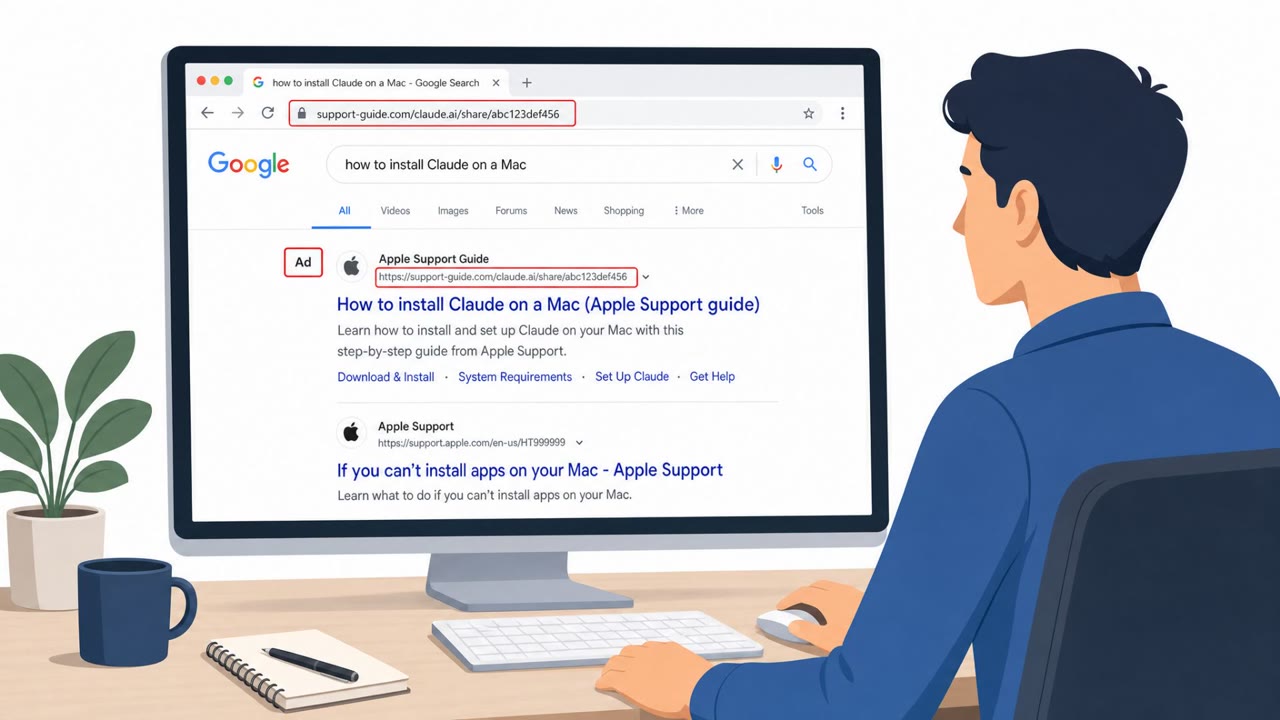
  • Watch for multi-hop link chains (email link → Google Drive → second link → download). These are often used to evade security filters.
  • Verify cross-organization requests through legal/compliance using known contact information, especially when the email appears to come from a partner institution’s leadership.

Red flags to watch for

  • External message impersonates senior leadership and leverages an emotionally charged allegation to rush action
  • Link goes to Google Drive first, then to a second download location (multi-hop link chain)
  • Message instructs the user to install a program (Zoho Assist) rather than view a document
Try Mirage

Mirage safely runs attacks like this one against your own team, so you find out what happens before a real adversary does.

Get a demo
Read the video transcript

You get an email: “Notification: sexual misconduct concern involving a university student or staff member,” supposedly from a university president. It tells you to click a link, then open a Google Drive file, then click a second link to install something called Zoho Assist to view the “case.” That’s not a process, that’s a trap. Here’s the aha: the misconduct case is fake. The goal is to get Zoho Assist onto your machine so someone else can quietly take remote control of your computer and everything on it. If an email about misconduct tells you to install software or go through a Google Drive link chain, stop. Don’t click, call IT or legal using a known number and have them confirm it.

Similar attacks

Spy Groups Phish Victims Into Chrome Exploit Kit

Spy Groups Phish Victims Into Chrome Exploit Kit

Researchers reported four separate espionage groups using the same “BlueMoon” exploit kit within days, targeting organizations in the US and Southeast Asia. The attacks began with phishing emails that lured recipients to attacker-controlled websites, where Chrome and Windows vulnerabilities were…

September 10, 2026
Fake Install Guides and Helpdesk Calls Drive Attacks

Fake Install Guides and Helpdesk Calls Drive Attacks

This bulletin describes multiple real-world social engineering campaigns where attackers trick people into trusting a familiar screen, like a search result “install guide,” a recruiter outreach, or a helpdesk phone call. The lures push victims to paste commands, install fake software, or reset MFA,…

July 30, 2026
BlueMoon Spearphish Turns One Click Into Admin

BlueMoon Spearphish Turns One Click Into Admin

Proofpoint reports that multiple espionage-focused groups are using a shared “BlueMoon” toolkit to run targeted spear‑phishing campaigns that trick people into clicking a link. A single click can trigger a Chrome/Windows exploit chain that gives attackers full Windows admin access and lets them…

September 11, 2026
Spy Groups Lured Victims to BlueMoon Exploit Links

Spy Groups Lured Victims to BlueMoon Exploit Links

Proofpoint reports multiple espionage-focused threat groups used a shared exploit kit (“BlueMoon”) after tricking targets with spear-phishing emails to click malicious links. Visiting the attacker-controlled web pages triggered Chrome and Windows exploits to install malware (including a fake…

September 9, 2026
BengalSEO Tricks Bing Users Into Malware & Scam Calls

BengalSEO Tricks Bing Users Into Malware & Scam Calls

Researchers uncovered a long-running “SEO poisoning” operation that manipulates Bing search results to push people onto fake support and activation pages. Victims are steered through a chain of redirects to either download a malware-laced ZIP (MayaBot) or be pressured into calling a fake…

September 8, 2026
Gambling Goblin Hijacks Gov Sites for Phishing

Gambling Goblin Hijacks Gov Sites for Phishing

Researchers say a Chinese-speaking cybercrime group compromised Brazilian government and education websites and used them as “trusted” entry points to quietly redirect visitors to attacker-run phishing pages. The fake pages impersonated well-known app stores (Google Play, Microsoft Store, Amazon)…

September 2, 2026