Gootloader Takedown Hits Fake Legal-Document Lure

Security Week · Medium sophistication
Last updated November 13, 2026

International law enforcement disrupted infrastructure used by Gootloader, CastleRAT, and StealC malware operations. Gootloader spread through compromised websites that offered fake legal documents, tricking visitors into downloading malware that could lead to ransomware and data theft.

Key findings

  • Law enforcement agencies seized 235 servers and 257 domains tied to Gootloader, CastleRAT, and StealC operations.
  • Gootloader was distributed through compromised websites containing fake legal documents and acted as a dropper for other malware, including ransomware.
  • The Gootloader operation had infected more than 25,000 computers and caused approximately $28.8 million in damage in the United States.
  • The operation seized 6.4 million victim credentials, which criminals could sell or reuse in later attacks, including ransomware.
  • CastleRAT-enabled systems were used to deploy file-encrypting ransomware, while StealC focused on stealing passwords, data, and identities.

Who’s being targeted

  • Commonly targeted roles: All employees, Legal departments, Administrative staff, Finance departments, IT and security teams.
  • Attack channels: website.
  • Impersonated: A website purporting to host legal documents.

Awareness takeaways

  • Do not download or open legal documents from unfamiliar websites; independently confirm the sender, law firm, or case before accessing files.
  • Treat unexpected document downloads as a potential route to ransomware, especially when the document is unrelated to a known business or legal matter.
  • Use unique passwords and respond quickly to credential-exposure notifications, because stolen credentials may be resold and reused in later attacks.

Red flags to watch for

  • An unexpected legal document is offered on a website.
  • The site has been compromised and is not a trusted document source.
  • A document download is requested when there is no known legal matter requiring it.
Try Mirage

Mirage safely runs attacks like this one against your own team, so you find out what happens before a real adversary does.

Get a demo
Read the video transcript

No legal matter on your calendar? Why is this site offering you a document? Gootloader hides on compromised websites offering fake legal documents. Click download, open the file, and you may install a malware dropper, not a document. That can lead to ransomware. Here’s the giveaway: the document is unexpected, and you don’t recognize the source. A takedown seized 257 domains, but that doesn’t make unfamiliar downloads safe. Before opening any legal document from an unfamiliar site, confirm the law firm or case independently.

Similar attacks

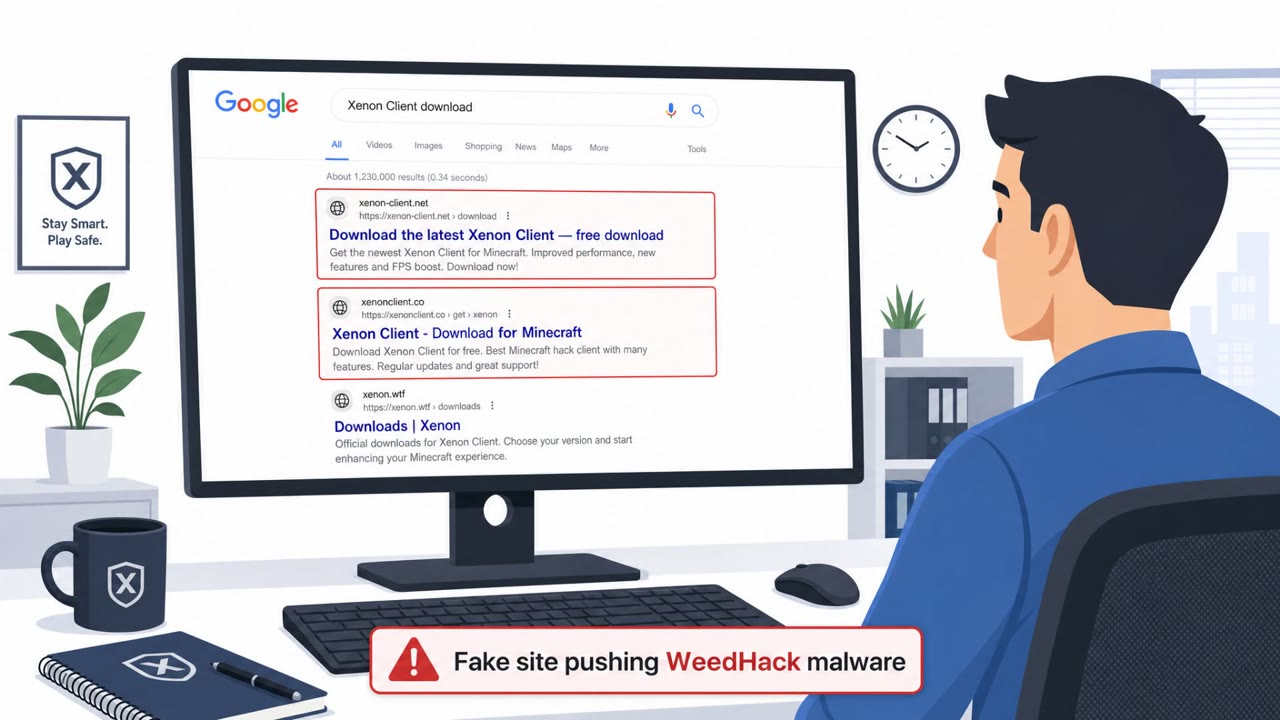
Fake Minecraft Clients Push WeedHack Malware

Fake Minecraft Clients Push WeedHack Malware

Attackers are tricking Minecraft players into downloading malware by impersonating popular Minecraft clients and resellers in Google search results. Even after the campaign’s command-and-control infrastructure was taken down, the operation continued by shifting distribution to common file-hosting…

August 25, 2026
Fake Teams Support Chats Open Door to Ransomware

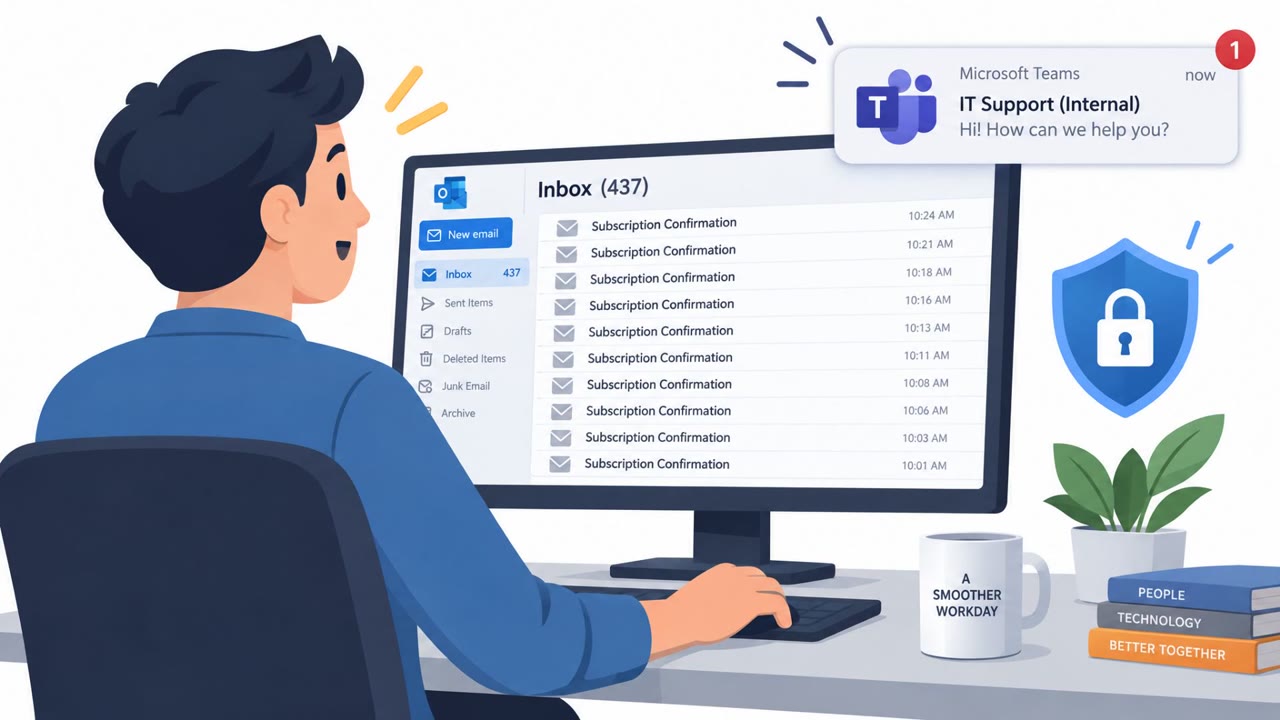
Fake Teams Support Chats Open Door to Ransomware

Attackers are using Microsoft Teams external chat to pose as internal IT support staff, often after overwhelming employees with email subscription messages. They persuade victims to join a voice call, approve remote-control tools, or run commands, with some incidents ending in malware infections…

October 27, 2026
SideCopy Phishes Indian Universities With Fake Docs

SideCopy Phishes Indian Universities With Fake Docs

Pakistan-linked APT group SideCopy expanded from targeting Indian government entities to targeting Indian academic institutions using spear-phishing. The emails deliver a weaponized ZIP containing a fake “document” shortcut that launches mshta.exe to pull down and run malware, ultimately installing…

September 22, 2026
Fake AI App Installers Spread Backdoors and Ransomware

Fake AI App Installers Spread Backdoors and Ransomware

Palo Alto Networks’ Unit 42 reviewed 405 “AI-linked” malware samples and found most never reached real victims, but a small set did spread in the wild. Several successful samples relied on deception, posing as legitimate installers (e.g., a recipe app, Dropbox, and security software components), to…

August 26, 2026
Fake AI Apps and Signed Installers Spread Malware

Fake AI Apps and Signed Installers Spread Malware

A large review of “AI-enabled malware” found most samples were proof-of-concepts, but a small set were real threats seen in production environments. The real-world activity included trojanized installers that pretended to be legitimate apps (like a recipe app or a Dropbox installer) and relied on…

August 25, 2026
CopperDragon Fakes Chrome Alerts to Deliver Malware

CopperDragon Fakes Chrome Alerts to Deliver Malware

Check Point Research linked three China-nexus espionage clusters to the CopperDragon malware ecosystem. In its SilentDelivery campaign, attackers compromised legitimate websites and replaced them with fake Chrome certificate warnings that urged selected visitors to install a malicious “Certificate…

November 10, 2026