Researchers report a real Android malware operation (“Manic”) active since at least February 2026 that blends banking fraud with spyware-style surveillance. It can trick users into revealing their device PIN/pattern via a fake lock prompt and silently capture banking PIN taps, then exfiltrate stolen data even while the victim phone is offline by relaying it through nearby infected devices over Bluetooth or Wi‑Fi Direct.
How the attack worked
Manic is an Android malware operation that researchers have tracked since at least February 2026, still under active development as of July. It targets a broad set of 169 apps spanning banking, government eID services, crypto, 2FA tools, messaging, browsers, and email clients, with particular focus on users in Ukraine. The malware combines banking fraud techniques with spyware-style surveillance in a single package.
A core technique is lock-secret phishing: a fake prompt appears before the victim reaches the real Android lock screen, tricking them into typing their device PIN or unlock pattern directly into attacker-controlled input. Separately, when Manic detects a numeric keypad inside a targeted banking or payment app, it overlays an invisible layer on the keys, records each tap, then relays the tap through Android's Accessibility service to the real keypad so the app continues functioning normally while the PIN is captured in the background.
Why it succeeded
The attack relies on Android's Accessibility and notification permissions, which Manic requests after installation and then uses as a UI keylogger to intercept passwords and SMS codes. Because the fake lock prompt and invisible keypad overlay are designed to look and behave like normal device functions, most users have no visible cue that anything is wrong. The malware also hides activity with black screens, fake screens, or fake update messages, which conceals both its background actions and any permission requests from the user.
What to watch for
- Unexpected PIN or unlock prompts that appear before the real lock screen, at an unusual time, or twice in a row
- Lock or unlock screens that look or behave slightly differently than normal
- Unusual Accessibility permission grants to apps that don't clearly need them
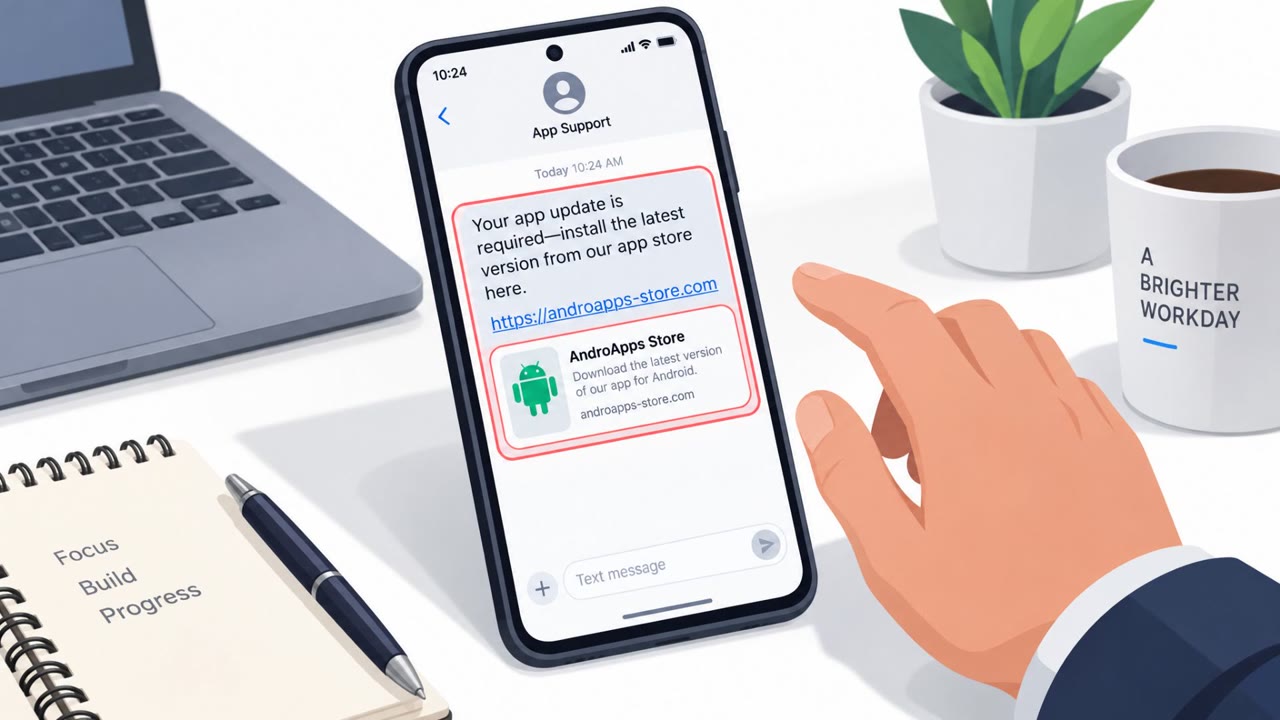
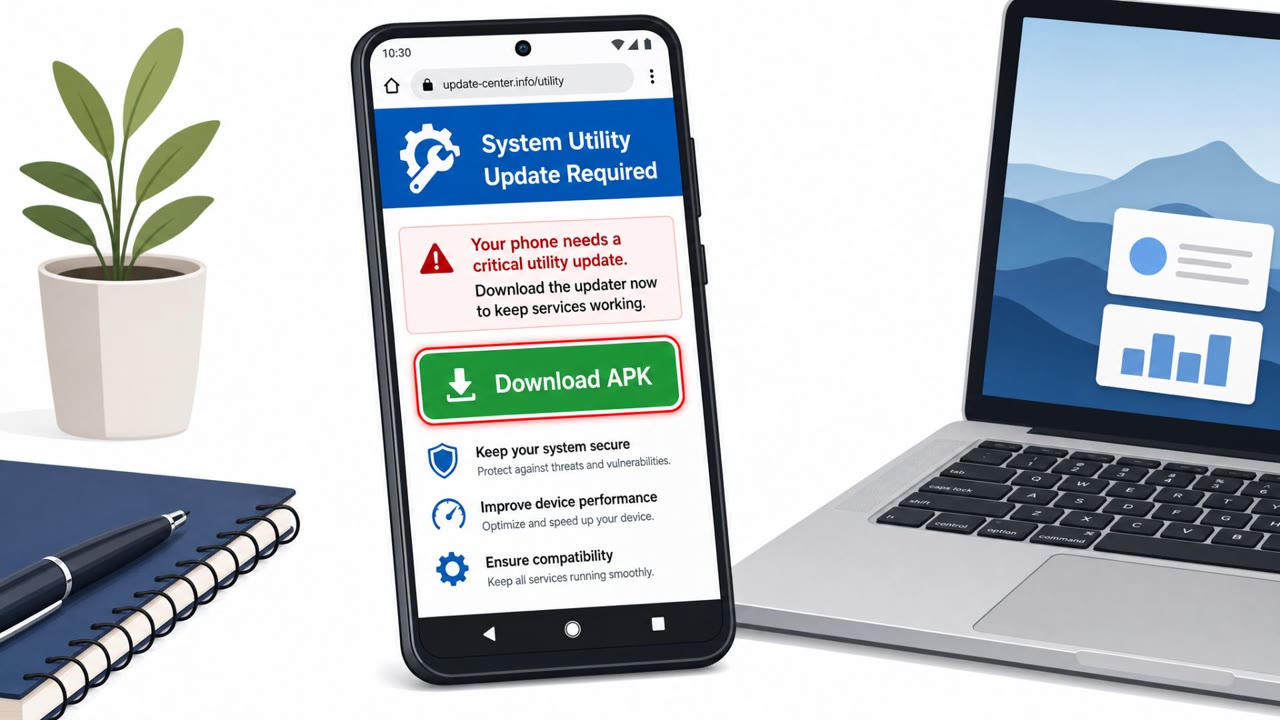
- Unexpected "update" screens, black screens, or fake screens appearing without user action
- Unusual Bluetooth or Wi-Fi Direct activity on a phone when no file transfer is intentionally happening
How to build resistance
Manic can exfiltrate stolen data even when a phone is offline, using a store-and-forward relay that moves encrypted data through nearby infected devices over Bluetooth, Wi-Fi Direct, or BLE, up to four hops. This means being offline does not guarantee safety. Defenders and users should treat any lock-screen prompt that appears before the expected lock screen as suspicious, restart the device, and report it. Organizations should scrutinize Accessibility permission requests closely, since this permission underpins both the keylogging and remote control capabilities described in this case. Monitoring for unusual Accessibility grants and unexpected Bluetooth or Wi-Fi Direct connections from phones not actively transferring files offers a practical starting point for detection.
Key findings
- Manic has been active in the wild since at least February 2026 and was still under development as of July.
- It targets a wide set of apps (169), spanning banks, government/eID services, crypto, 2FA tools, messaging, browsers, and email clients, especially focused on Ukraine.
- It uses “lock-secret phishing” to capture the device PIN/pattern by showing a fake prompt before the real lock screen.
- It uses Android Accessibility and notifications for surveillance, including UI keylogging and interception of passwords and SMS codes.
- It can exfiltrate data while the infected phone is offline by relaying encrypted data through nearby infected devices via Bluetooth or Wi‑Fi Direct (up to four hops).
Who’s being targeted
- Commonly targeted roles: All employees (mobile users), Finance, Executives, IT / Mobile device management (MDM) administrators.
- Affected industries: Banking and payment services, Government and identity (eID) services, Fintech and cryptocurrency services, Messaging and communications.
- Attack channels: physical.
- Impersonated: Android system lock screen / device security, Legitimate banking app keypad, System update / device UI.
Red flags to watch for
- Unexpected unlock/PIN request that appears at an unusual time or twice in a row
- Lock/unlock screen behavior looks slightly different than normal
- Prompt appears before reaching the real lock screen
- None visible to the user (tap capture is designed to be invisible)
- Unusual Accessibility permissions granted to an app
- Unexpected behavior around PIN entry or device performance during sensitive actions
- Unexpected ‘update’ screen that appears without user action
- Black screen or fake screen appearing during normal phone use
- Permission prompts that seem to be hidden or quickly dismissed
Frequently asked questions
What is Manic malware?
Manic is an Android malware operation active since at least February 2026 that combines banking fraud with spyware-style surveillance, targeting 169 apps including banking, government eID, crypto, and messaging apps, with a focus on Ukraine.
How does Manic steal a device PIN or pattern?
It uses a technique called lock-secret phishing, showing a fake prompt before the victim reaches the real lock screen to capture the PIN or pattern.
Can Manic exfiltrate data if the phone is offline?
Yes, it uses a store-and-forward relay mechanism, sending encrypted data through nearby infected devices over Bluetooth or Wi-Fi Direct, up to four hops, when it cannot reach its server directly.
How does Manic capture banking app PINs without being noticed?
When it detects a numeric keypad in a targeted app, it places an invisible layer over the keys, records each tap, then passes the tap to the real keypad using Android's Accessibility features so the app appears to work normally.
Read the video transcript
Imagine this: your Android suddenly asks for your PIN, then a second lock screen appears right after. That’s how the Manic malware does “lock-secret phishing” on Android: it shows a fake PIN prompt before the real lock screen, grabs your device PIN or pattern, then quietly keylogs banking PINs using Accessibility while the app looks totally normal. Here’s the creepy part: Manic can still smuggle your PINs out while your phone is offline, hopping encrypted data through nearby infected phones over Bluetooth or Wi‑Fi Direct, up to four devices away. If you ever see a PIN prompt pop up at a weird time or twice in a row, stop. Don’t enter it, restart your phone, then report it to IT or Security.