NGOs Lured via Donation Form Into Chrome 0-Day Chain

Security Affairs · High sophistication
Last updated September 15, 2026

Researchers reported two China-linked groups targeting NGOs with spear-phishing that led victims through a legitimate U.S. university website before redirecting them to attacker infrastructure. The attackers used a chained Chrome/Windows exploit to take control, then deployed different payloads, one a backdoor and the other a malicious Chrome extension that steals credentials and sessions.

Key findings

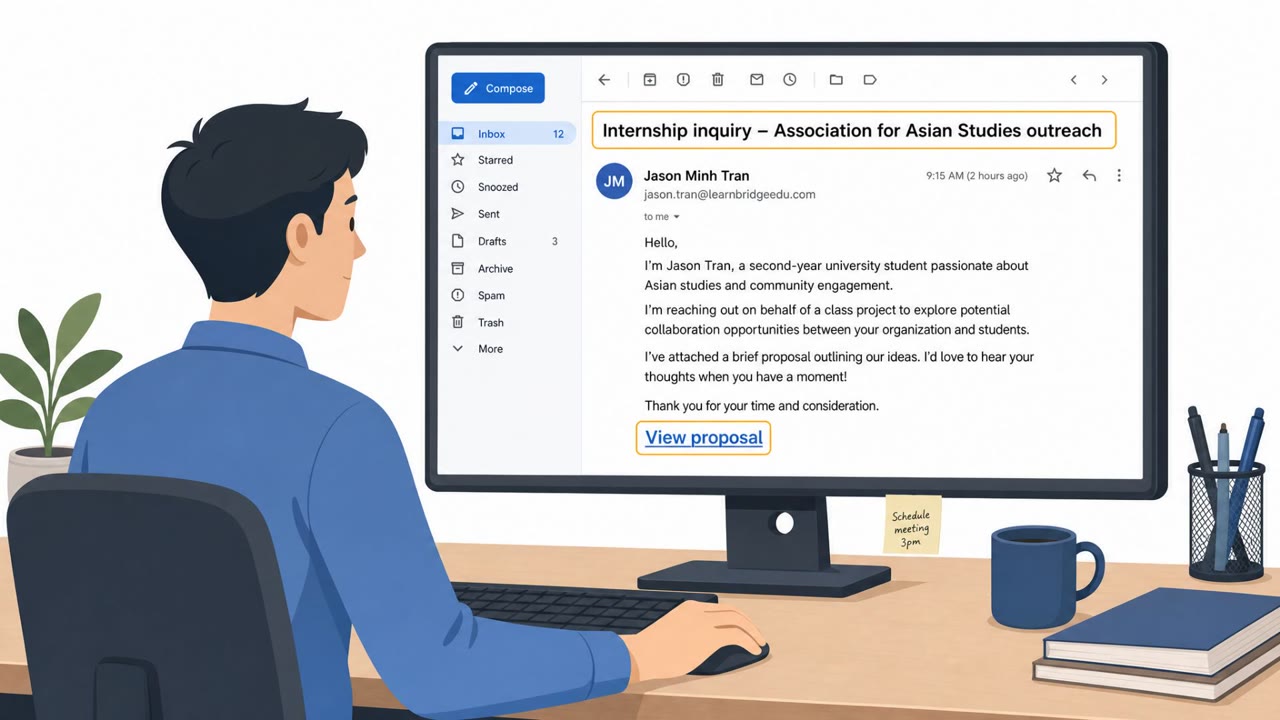
  • Volexity observed a spear-phishing campaign targeting NGOs that led victims through a legitimate U.S. university website with an XSS flaw, then redirected to attacker servers.
  • Attackers chained a Chrome V8 type-confusion bug with additional browser and Windows kernel flaws to break out of Chrome’s sandbox and run code.
  • Two different China-linked groups (UTA0560 and JungleBamboo/APT31) used byte-for-byte identical exploit shellcode but different infrastructure and payloads.
  • UTA0560 deployed the GRIMWEDGE JScript backdoor; JungleBamboo deployed SUPERSTOMP to install the LONGTALE credential-stealing Chrome extension.
  • Victims were shown a fake donation form image made to look like it belonged to the targeted organization; it was used to steal rather than collect donations.
  • The campaign exploited a “patch gap” where Chromium source fixes existed but Chrome stable releases hadn’t shipped them yet, leaving users exposed.

Who’s being targeted

  • Commonly targeted roles: Executive leadership, All staff (NGO users), Fundraising/Development, Communications, IT/Helpdesk, Security/IT operations.
  • Affected industries: Nonprofits / NGOs, Aerospace, Manufacturing.
  • Attack channels: email, website.
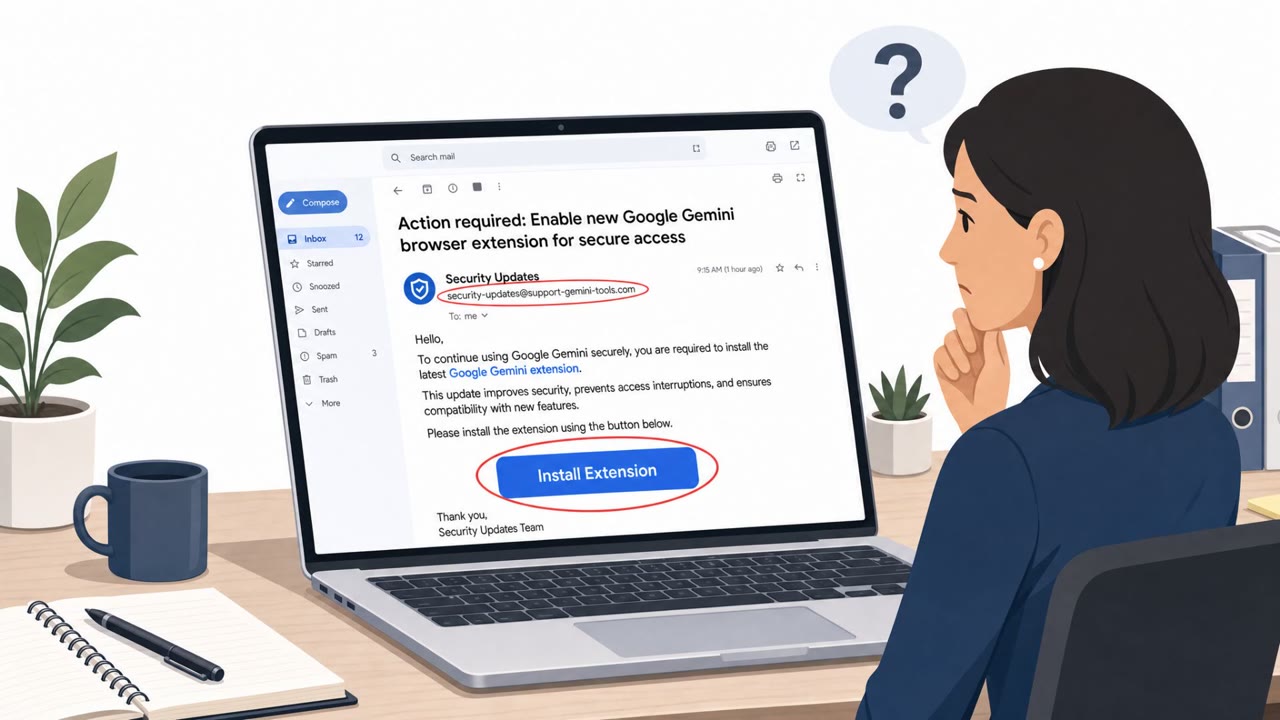
  • Impersonated: A legitimate U.S. university website (used as an initial trusted hop) and a donation page branded as the target NGO, Google Gemini assistant (via a malicious Chrome extension named LONGTALE).

Awareness takeaways

  • Treat “trusted domain” links as suspicious if they quickly redirect somewhere else, especially if the brand/purpose doesn’t match (e.g., donations via an unrelated university site).
  • Be cautious of donation or fundraising pages that are just images or don’t use a normal, secure payment workflow, report them to security instead of proceeding.
  • Train staff to report any unexpected browser extension installs or “assistant” tools that appear without explicit approval, since extensions can steal logins and sessions.
  • Emphasize rapid browser patching and verifying versions, attackers may exploit the time gap between an upstream fix and when end-user updates are actually deployed.

Red flags to watch for

  • Email link goes to a university site unrelated to the requested donation
  • After loading the first site, the browser is unexpectedly redirected
  • Donation page is just an image made to look like the organization (not a normal payment flow)
  • Unexpected prompts related to browser extensions or profile changes
  • An assistant/extension appears without a user-initiated install from the official Chrome Web Store
  • Unusual behavior after browsing to a link (new extension, session logouts, security alerts)
Try Mirage

Mirage safely runs attacks like this one against your own team, so you find out what happens before a real adversary does.

Get a demo
Read the video transcript

You get an email: "Donation form for our NGO – opens via a U.S. university webpage." Looks legit, right? You click. First you see the real university site… then it instantly flips to a "donation" page that’s just an image of your logo. Behind that flip, a Chrome 0‑day chain is quietly taking over your browser. In cases Volexity saw, one group dropped a GRIMWEDGE backdoor. Another installed a fake "Google Gemini" Chrome extension called LONGTALE that logs keystrokes, cookies, and screenshots of your NGO work. If a "trusted" link jumps you to a different site or a donation page that’s just an image, stop. Don’t fill it out, screenshot it and report it to security immediately.

Categories

Similar attacks

Spear-Phishing Link Triggers Chrome-Windows Exploit

Spear-Phishing Link Triggers Chrome-Windows Exploit

China-linked attackers targeted NGOs with spear-phishing emails that urged recipients to click a link to a legitimate U.S. university website. The link path abused a website flaw to silently redirect victims to attacker infrastructure, which then exploited Chrome and Windows to install malware…

September 15, 2026
China-Linked Hackers Push “Gemini” Phish With Zero-Days

China-Linked Hackers Push “Gemini” Phish With Zero-Days

Proofpoint reports multiple China-aligned espionage groups used a chained set of browser/Windows zero-days (“BlueMoon”) and delivered it through phishing emails. Victims who clicked a phishing link could end up with a malicious browser extension disguised as Google Gemini, letting attackers watch…

September 11, 2026
BlueMoon Spearphish Turns One Click Into Admin

BlueMoon Spearphish Turns One Click Into Admin

Proofpoint reports that multiple espionage-focused groups are using a shared “BlueMoon” toolkit to run targeted spear‑phishing campaigns that trick people into clicking a link. A single click can trigger a Chrome/Windows exploit chain that gives attackers full Windows admin access and lets them…

September 11, 2026
APT31 Phish Drops Fake “Gemini” Extension

APT31 Phish Drops Fake “Gemini” Extension

Multiple China-aligned espionage groups used phishing emails to deliver a “BlueMoon” exploit chain that abused three zero-day flaws in Chrome/Chromium and Windows. In observed campaigns, victims who clicked the phishing link ended up with a malicious browser extension disguised as Google Gemini,…

September 9, 2026
BlueMoon Phishing Lures Drop Chrome Zero-Day Chain

BlueMoon Phishing Lures Drop Chrome Zero-Day Chain

Researchers found multiple espionage groups using the same Chrome+Windows exploit kit (“BlueMoon”) within days of each other. The groups sent realistic phishing emails (internship requests, conference outreach, procurement inquiries, and vaccination appointments) that pushed victims to click links…

September 10, 2026
Fake Recruiter Lure Drops NodeRabbit RAT

Fake Recruiter Lure Drops NodeRabbit RAT

Researchers tied Mirage Kitten to a job-recruiting scam that targets developers via LinkedIn and job platforms. Victims are sent a “technical assessment” ZIP file hosted on legitimate cloud storage; running the project silently installs a remote-access trojan (NodeRabbit) that lets attackers…

September 1, 2026